
Can You Turn an Akiya into a Rental Property in Japan?

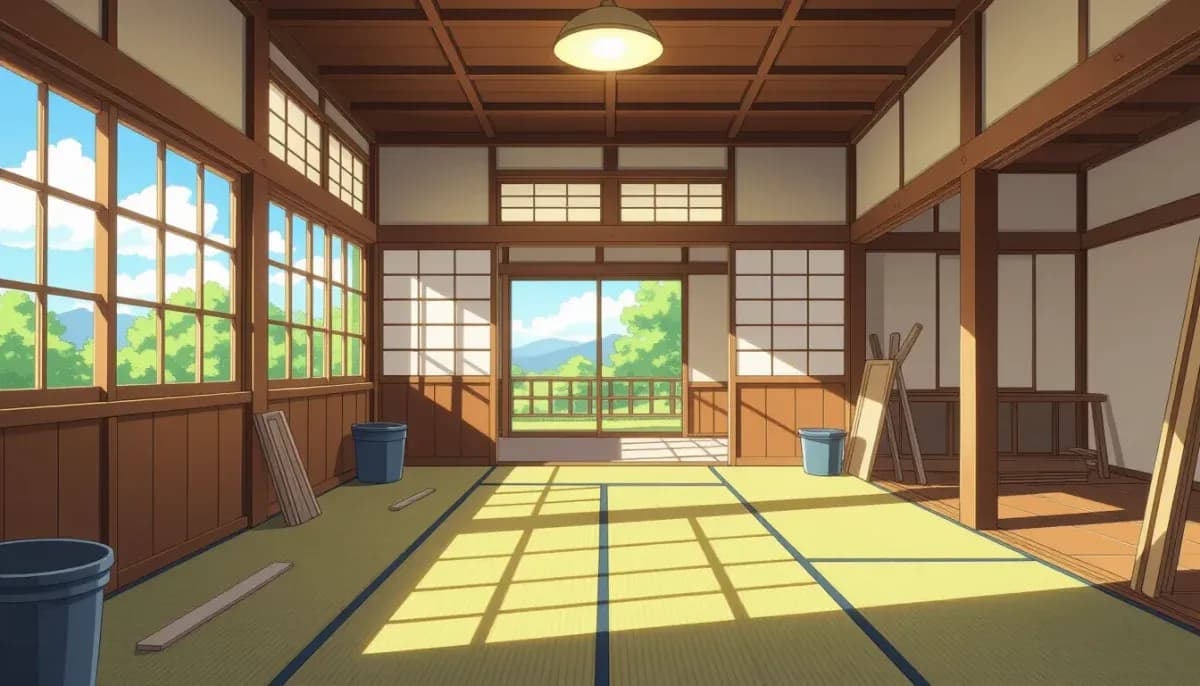
Foreigners can convert akiya (vacant Japanese homes) into rental properties. Learn the legal requirements, rental models, renovation costs, and tax rules for akiya rental investment in Japan.
Can You Turn an Akiya into a Rental Property in Japan?
Japan's akiya crisis has created one of the most unusual real estate opportunities in the developed world. With approximately 9 million vacant homes — about 13.8% of all housing stock — sitting idle across the country, savvy foreign buyers are asking a logical follow-up question: can you buy one of these abandoned properties and generate rental income from it?
The short answer is yes. Foreigners can legally purchase akiya in Japan and convert them into rental properties, whether for long-term tenants, short-term travelers, or boutique hospitality businesses. But the path from crumbling farmhouse to cash-flowing investment is neither simple nor quick. This guide breaks down everything you need to know about akiya rental conversion — from legal requirements and renovation costs to the rental models that actually work.
What Is an Akiya and Why Do They Exist?
An akiya (空き家) literally means "empty house" in Japanese. These are properties that have been abandoned or left vacant, often due to Japan's demographic decline, cultural preference for new construction, and the difficulty of selling or inheriting old rural homes.
Key facts about the akiya situation:
- Japan had approximately 9 million akiya as of 2023, and this figure has doubled since 1993
- Rural prefectures like Wakayama and Tokushima have vacancy rates exceeding 21%
- About 59% of akiya are inherited properties — heirs who moved to cities left them behind
- Many akiya sell for between ¥500,000 and ¥6 million (~$3,300 to $40,000 USD)
For foreign buyers, akiya represent an entry point into Japanese real estate at a fraction of the cost of urban apartments. And unlike personal-use purchases, the appeal of generating rental income makes akiya especially attractive as investments.
For a comprehensive overview of this property type, see our guide: Akiya (Vacant and Abandoned Houses) in Japan for Foreign Buyers.
Can Foreigners Legally Rent Out an Akiya in Japan?
Yes — there are no nationality-based restrictions on foreigners owning or renting out property in Japan. Once you legally purchase an akiya, you have the same rights as any Japanese property owner, including the right to lease the property to tenants.
However, the type of rental you want to operate determines what rules you must follow:
Long-Term Residential Rentals
This is the most straightforward path. You renovate the akiya and lease it under a standard shakkan-hoki (leasehold) contract. There are no special licenses required, and foreigners can act as landlords the same way Japanese citizens can. The key challenge is finding tenants — rural areas have lower demand, while akiya near cities (in prefectures like Chiba, Kanagawa, or Saitama) attract more interest.
Short-Term Rentals (Minpaku / Airbnb)
Japan's 2018 住宅宿泊事業法 (Minpaku Law) allows short-term rental operations, but with significant limitations:
- Operating days are capped at 180 days per year
- You must register with your prefectural government
- Zoning restrictions vary by municipality — some areas prohibit minpaku entirely in residential zones
- You must display a registration number visibly at the property
The 180-day cap dramatically reduces potential revenue compared to full-year operations. Despite this, many akiya buyers operate seasonal Airbnb rentals as a supplemental income source.
Hotel-Licensed Short-Term Rentals
If you want to operate 365 days per year, you'll need to apply for a hotel or ryokan license under the 旅館業法 (Ryokan Business Act). This requires:
- Operating in a zone permitted for hotel use
- Meeting fire safety and sanitation standards
- Regular inspections from local authorities
This path is more complex and expensive but allows full commercial operation — and is the model behind Japan's growing boutique guesthouse and ryokan revival trend.
For more on short-term rental regulations, see: Short-Term Rentals and Airbnb (Minpaku) in Japan for Foreigners.
Rental Models That Work for Akiya
There is no single "best" approach — the right rental model depends on your location, budget, and how involved you want to be in operations.
| Rental Model | Licensing Required | Days/Year | Best Suited For |
|---|---|---|---|
| Long-term residential lease | None | 365 | Urban fringe, family homes |
| Short-term rental (minpaku) | Minpaku registration | Max 180 | Rural scenic areas, Airbnb |
| Hotel/ryokan licensed STR | Hotel or ryokan license | 365 | Tourist zones, guesthouses |
| Boutique ryokan/guesthouse | Ryokan license | 365 | Historic areas, kominka |
| Co-living / remote work hub | Varies | 365 | Digital nomad hotspots |
Long-Term Rental: Stable Income, Lower Returns
Renovating an akiya and leasing it long-term provides predictable cash flow with minimal ongoing management. This model works best in areas with genuine housing demand — commuter belt towns near Tokyo, Osaka, or Fukuoka where families might prefer a house over an apartment.
Monthly rents in rural Japan are low (¥30,000–¥80,000 for a full house), so this model only pencils out if your acquisition and renovation costs were equally modest.
Short-Term Rental: Higher Revenue Per Night, More Work
Airbnb-style rentals command nightly rates of ¥10,000–¥30,000+ depending on location and quality. Scenic rural properties — especially well-renovated traditional houses — can charge premium prices. However, the 180-day annual cap means maximum gross revenue is capped at roughly ¥1.8M–¥5.4M per year, out of which cleaning fees, platform commissions, management costs, and utilities must be deducted.
Real returns are often "surprisingly low" once operational costs are factored in. MATCHA's analysis of foreigners running akiya Airbnbs in Japan found that many operators initially underestimate running expenses. You can read more at matcha-jp.com's akiya Airbnb guide.
Boutique Guesthouse / Ryokan Conversion
This is the highest-upside model — and the highest cost. Converting an akiya into a boutique guesthouse or traditional ryokan requires significant renovation, licensing, and ongoing hospitality operations. But successful examples exist across Japan, from revived kominka in Kyoto's countryside to oceanfront guesthouses in Okinawa.
The EHL Hospitality School has documented several cases of akiya being transformed into boutique hospitality businesses, some generating sustainable income for foreign entrepreneurs. See their analysis at hospitalityinsights.ehl.edu.
Renovation Costs: The Make-or-Break Factor
Renovation is where most akiya investment plans succeed or fail. The purchase price is often low — but the renovation costs can dwarf what you paid for the property.
Typical renovation budget ranges:
- Minor cosmetic repairs (cleaning, painting, tatami replacement): 10–20% of purchase price
- Moderate renovation (kitchen, bathroom, flooring): ¥3M–¥8M (~$20,000–$55,000)
- Full modernization (HVAC, plumbing, electrical, structural): ¥10M–¥20M+ (~$65,000–$135,000)
- Large, severely degraded properties: Renovation can exceed ¥25M–¥30M (~$165,000–$200,000), sometimes surpassing purchase price many times over
Specific cost benchmarks:
- Tatami floor replacement: $1,000–$2,000 per room
- Roof repairs: can exceed $10,000
- Full rewiring: ¥500,000–¥2M depending on house size
One critical point: renovation contractors are scarce in rural Japan. Labor shortages mean you may face months-long waits and should budget for delays. Finding a contractor who speaks English adds another challenge.
For detailed renovation guidance, see: Home Renovation and Remodeling in Japan for Foreign Owners.
Government Subsidies and Support Programs
Japan's government — at both national and municipal levels — is actively trying to reduce the akiya burden. Several programs can help foreign buyers offset renovation costs:
- Renovation grants: Up to ¥2 million (~$12,700 USD) in some municipalities (e.g., Kyoto Prefecture 2024 program)
- Relocation incentives: Up to ¥3 million (~$30,000 USD) for families moving from Tokyo's 23 wards to rural areas
- Property tax reductions: Some towns offer multi-year tax holidays on renovated akiya
- Startup visas: Cities like Imabari offer residency pathways to entrepreneurs investing locally
- Akiya banks: Municipal registries listing available vacant homes — some include grants attached to specific listings
Important caveats:
- Most subsidy applications must be submitted before work begins — starting renovation without approval disqualifies you
- Programs are in Japanese and require paperwork fluency or a local agent's help
- Eligibility often requires establishing jūmin-hyo (resident registration), meaning you must plan to live locally — at least part-time
For more on the purchasing process, including how to navigate akiya banks: Buying Property in Japan as a Foreigner: Complete Guide.
Tax Implications for Akiya Rental Income
Rental income from Japanese property is taxable in Japan regardless of your residency status. Key tax considerations:
- Rental income tax: Included in your Japanese income tax filing; rates range from 5% to 45% depending on total income
- Non-residents: Subject to a flat 20.42% withholding tax on rental income paid by tenants (or their company) to overseas landlords
- Property tax (固定資産税): Annual tax based on assessed land and building value — typically low for rural akiya
- Capital gains on sale:
- Property held 5 years or less: 39.63% total tax rate - Property held more than 5 years: 20.315% total tax rate
We strongly recommend working with a Japanese tax accountant (税理士) familiar with non-resident property owners. For a full breakdown of ownership costs: Property Taxes and Annual Costs of Owning Property in Japan.
Key Risks to Consider Before Investing
Akiya investment is genuinely exciting — but it carries real risks that careful due diligence can mitigate:
1. Title and inheritance issues: Many akiya have unclear ownership due to fragmented inheritance and unregistered transfers. A judicial scrivener (司法書士) must verify the chain of title before purchase.
2. Community obligations: Rural Japanese communities often expect new residents to participate in local activities — road cleaning, festivals, meetings. Failing to engage can create friction with neighbors.
3. Community rejection: Some rural villages have informally refused to sell to foreigners. While illegal, it happens. Work through an agent with local relationships.
4. Financing limitations: Japanese banks rarely lend to non-resident foreigners. Most akiya purchases require cash or overseas financing.
5. Zoning surprises: The property's zoning may prohibit short-term rentals. Verify with the local government before committing.
6. Remote management difficulty: If you're overseas, managing renovations and tenants remotely is logistically challenging. A local property manager is essential.
For expert guidance on property management as an overseas owner: Property Management for Overseas Owners in Japan.
If you are considering working in Japan while managing your rental investment, For Work in Japan provides comprehensive guidance on visas, employment, and living as a foreign professional in Japan.
You can also find detailed resources on navigating Japanese property purchases at Living in Nihon's property buying guide and rental investment strategies at Gaijin Buy House's rental business guide.
Is Akiya Rental Investment Worth It?
The answer depends heavily on your goals, location choice, and renovation budget:
Best-case scenario: You find an akiya in a tourist-friendly location for ¥2M, spend ¥8M renovating it into a charming guesthouse, obtain a ryokan license, and generate ¥3M–¥5M per year in revenue. After expenses and taxes, you might clear ¥1.5M–¥2M annually — a modest but real return.
Realistic scenario: Most akiya rental investors find the renovation costs higher than expected, contractors harder to find, and rental income (especially under the 180-day minpaku cap) lower than projected. Long-term rentals in rural areas may generate only ¥40,000–¥60,000 per month.
Key success factors:
- Location with genuine rental demand or tourist appeal
- Realistic renovation budget with 20–30% contingency
- Legal compliance from day one (registration, tax filing)
- Local support network (agent, contractor, property manager)
For those considering the broader investment picture, our guide on Rental Property Investment in Japan for Foreign Landlords covers the full landscape of Japanese rental investment beyond akiya.
Additional research and guides on akiya investment can be found at AllAkiyas.com's renovation guide and mailmate.jp's akiya banks directory.
Conclusion
Yes, you can turn an akiya into a rental property in Japan — and some foreign investors have done so successfully. The opportunity is real, the entry costs are low, and government support programs exist to help. But akiya rental investment is not passive income. It requires on-the-ground effort, Japanese language support, legal compliance, and a realistic view of renovation costs and rental returns.
The investors who succeed tend to approach akiya as a long-term project rather than a quick flip — buying in areas with genuine appeal, renovating thoughtfully, and either managing operations locally or hiring competent property managers. For those willing to put in the work, an akiya can become both a beautiful home in Japan and a legitimate income-generating asset.

Originally from Vietnam, living in Japan for 16+ years. Graduated from Nagoya University, with 11 years of professional experience at Japanese and international companies. Sharing information about buying property in Japan for foreigners.
View Profile →Related Articles
Akiya Near Tokyo: Accessible Vacant Houses for Commuters
Find affordable akiya (vacant houses) within commuting distance of Tokyo. Covers best rail corridors in Saitama, Chiba, Kanagawa, Ibaraki, government subsidies, and tips for foreign buyers.
Read more →
Kominka (Traditional Farmhouse) Akiya: Buying and Renovating
Complete guide to buying and renovating a kominka (traditional Japanese farmhouse) as a foreigner. Covers costs, subsidies, finding properties, renovation tips, and the buying process.
Read more →
Akiya Success Stories: Foreigners Who Bought Vacant Houses in Japan
Real success stories of foreigners who successfully bought akiya (vacant houses) in Japan. Learn what they paid, how they did it, and how to replicate their success with practical tips and lessons learned.
Read more →
Foreign Buyer Akiya Purchase Process Step by Step
Complete step-by-step guide to buying an akiya (vacant house) in Japan as a foreign buyer. Covers property search, due diligence, contracts, payment, title registration, and mandatory reporting requirements.
Read more →
Akiya Legal Issues and Title Problems to Watch Out For
Discover the critical akiya legal issues and title problems foreign buyers face in Japan: unregistered ownership, multiple heirs, zoning problems, and new 2024-2025 laws. Essential due diligence guide.
Read more →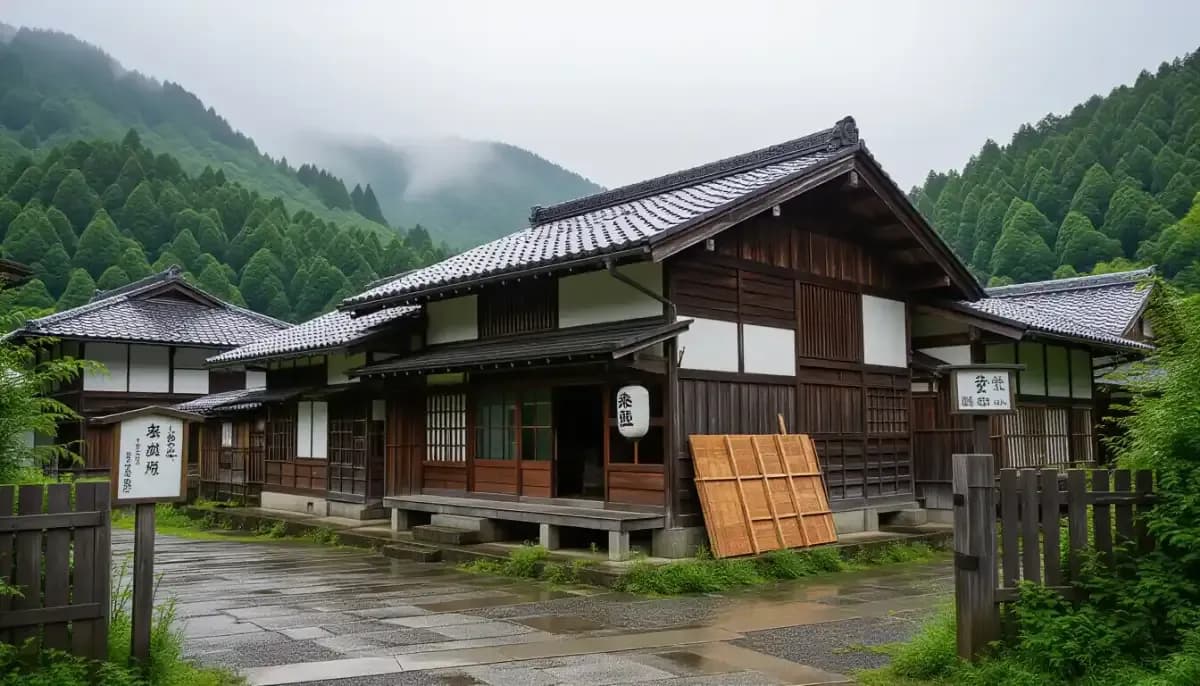
Japan Akiya Subsidy and Grant Programs for Buyers
Complete guide to Japan akiya subsidy and grant programs for foreign buyers in 2025. Learn renovation grants up to 2 million yen, relocation incentives, eligibility requirements for foreigners, and how to apply before renovations begin.
Read more →