
How to Use Japan Akiya Banks: Complete Guide for Foreigners

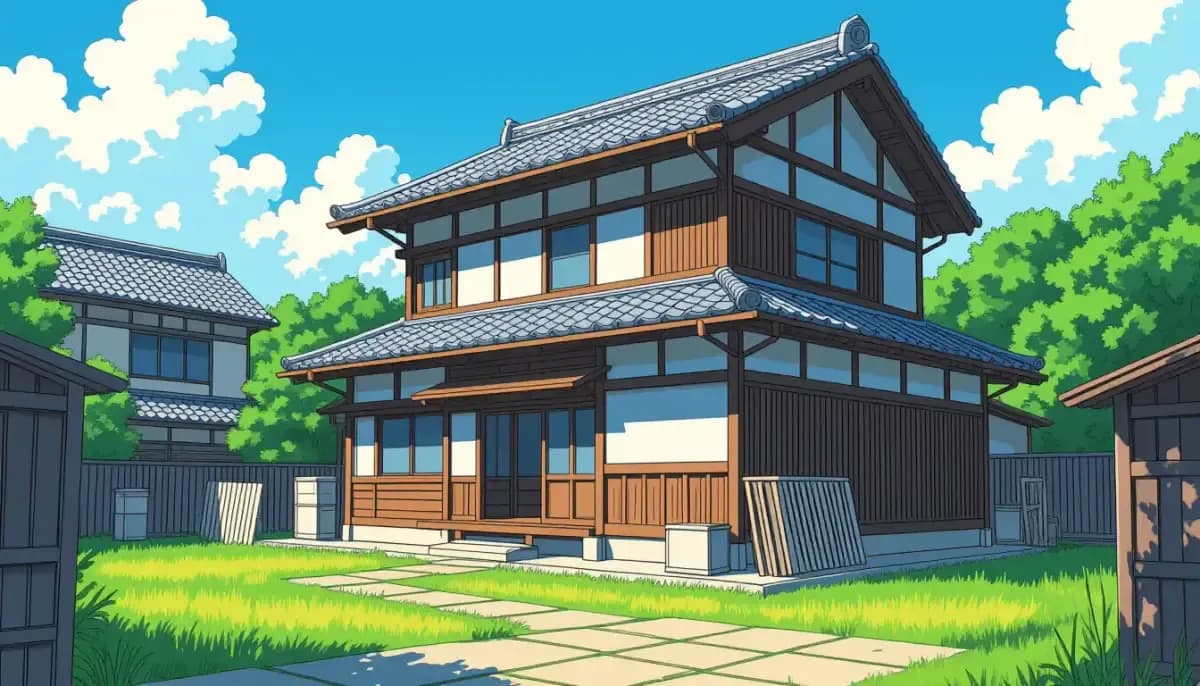
Learn how to use Japan's akiya bank system to find and buy vacant houses as a foreigner. Step-by-step guide covering registration, navigation, top English platforms, prices, subsidies, and pitfalls to avoid.
How to Use Japan Akiya Banks: Complete Guide for Foreigners
Japan is home to nearly 9.4 million vacant houses — properties sitting empty in rural villages, mountain towns, and even the outskirts of major cities. These homes, known as akiya (空き家), represent one of the most unique real estate opportunities in the world: a chance to own a traditional Japanese house for as little as ¥500,000 (roughly $3,000 USD). The key to accessing these properties is the akiya bank system — a network of municipal databases listing vacant homes for sale or rent.
If you're a foreigner dreaming of a life in rural Japan, a weekend retreat, or an affordable investment property, this guide will walk you through exactly how akiya banks work, how to navigate them as a non-Japanese speaker, and what to watch out for before making a purchase.
What Is an Akiya Bank?
An akiya bank (空き家バンク) is an online municipal database that lists vacant or abandoned properties available for sale or rent. Despite the name, akiya banks are not financial institutions — they're information services run by local governments to connect property owners with potential buyers and help revitalize depopulating communities.
Japan currently has approximately 1,352 akiya bank sites, each operated by a different municipality. This fragmented system means there's no single national database — a buyer interested in Nagano Prefecture will need to check different sites than someone searching in Kagoshima. Each site has its own layout, registration requirements, and inquiry process.
The government's motivation is straightforward: rural municipalities are shrinking. By attracting new residents (including foreigners), towns can reverse depopulation, revive local economies, and prevent properties from falling into complete disrepair. Some municipalities even offer relocation subsidies and renovation grants to sweeten the deal.
For more background on what akiya properties involve, see our guide to Akiya (Vacant and Abandoned Houses) in Japan for Foreign Buyers.
Can Foreigners Use Akiya Banks?
The short answer is yes — and you're often welcomed. Japan has no restrictions on foreigners purchasing real estate, regardless of nationality or residency status. Both permanent residents and non-residents (including those on tourist visas, though financing becomes complicated) can legally buy property in Japan.
That said, akiya banks were primarily designed for Japanese citizens, and most sites are entirely in Japanese with complex bureaucratic and legal terminology. Some municipalities prefer buyers who plan to actually live in the property, and a few rural areas require buyers to move there full-time as a condition of purchase.
Key eligibility considerations for foreigners:
- Nationality: No restrictions. Any foreigner can purchase akiya properties.
- Residency: Not required for ownership, but affects financing options significantly.
- Language: Most akiya bank sites lack English support. Google Translate or Chrome's built-in translation can help, but accuracy on legal documents can be unreliable.
- Intent: Many municipalities prefer buyers who will renovate and live in the property, not just hold it as a vacant investment.
For a broader look at foreign property rights in Japan, see Can Foreigners Buy Property in Japan? Legal Rights and Restrictions.
How to Navigate Japanese Akiya Bank Websites
Step 1: Choose Your Target Region
Start by deciding where in Japan you want to search. Akiya properties are concentrated in rural prefectures — the highest vacancy rates are in Tokushima (21.2%), Wakayama (21.2%), and Yamanashi (21.3%). Urban areas like Tokyo have vacancy rates around 10%, but the properties available through akiya banks there tend to be older and in less desirable locations.
Once you've chosen a region, visit the local municipality's official website. Larger cities may have dedicated akiya bank portals, while smaller towns often list properties on a single page within their city hall website.
Step 2: Register or Submit an Inquiry
Most akiya banks require you to register before accessing full listing details or contacting owners. Registration processes vary widely:
- Some require a simple online form with basic personal details
- Others ask for a written letter of inquiry submitted to the municipal office
- A few request proof of intent to relocate or a meeting with city representatives
If the registration process is entirely in Japanese, consider hiring a bilingual real estate agent or using one of the English-language akiya platforms (covered below) to facilitate the inquiry.
Step 3: Browse and Filter Listings
Once registered, you can browse listings filtered by price, condition, floor area, and sometimes distance from train stations or amenities. A typical listing includes:
- Property photos (sometimes as few as 3-4 images)
- Basic measurements (floor area, lot size)
- Construction year and building material
- Asking price
- Contact information for the owner or city representative
Be aware that listing information is often incomplete or outdated. Properties can remain listed long after they've been sold, and photos may not accurately reflect current condition. Always arrange an in-person inspection before proceeding.
Step 4: Contact the Owner or Municipality
When you find a property you're interested in, the next step is making contact. Some akiya banks facilitate direct communication between buyers and owners; others require all communication to go through the municipal office.
This is where Japanese language skills become essential. Even if you use translation tools, nuances in negotiation and legal correspondence can be easily lost. For non-Japanese speakers, hiring a bilingual real estate agent at this stage is strongly recommended.
Top English-Language Akiya Platforms
Because official akiya bank websites are challenging for international buyers, several private platforms now aggregate listings and offer English-language support:
| Platform | Type | Key Features |
|---|---|---|
| Akiya & Inaka | Full-service brokerage | End-to-end buyer support, renovation guidance, rural focus |
| Akiya-Mart | Search aggregator | Map-based browsing, dual USD/JPY pricing |
| Akiyaz | Curated brokerage | ROI-focused listings, investment perspective |
| AkiyaBanks | Directory aggregator | Links to all municipal akiya bank sites |
| Akiya Japan | Listing platform | Filterable map interface, English listings |
| Yuki Homes | Full-service brokerage | Post-purchase management, long-term support |
| Nippon Tradings International | Brokerage | Settlement negotiation, property research |
These platforms are privately run and typically charge service fees or commissions, but they significantly reduce the language and bureaucratic barriers for foreign buyers. For more context on working with agents in Japan, see Working with Japanese Real Estate Agents as a Foreigner.
For a comprehensive overview of the top platforms, MailMate's guide to akiya banks for foreigners is an excellent starting point.
Akiya Prices and What to Expect
One of the biggest draws of akiya properties is price — but it's important to have realistic expectations.
| Property Type | Typical Price Range | Condition |
|---|---|---|
| Rural akiya (as-is) | ¥500,000 – ¥3,000,000 | Often needs major renovation |
| Standard rural akiya | ¥3,000,000 – ¥6,000,000 | Livable with some repairs |
| Renovated rural home | ¥8,000,000 – ¥15,000,000 | Move-in ready |
| Suburban akiya | ¥10,000,000 – ¥25,000,000 | Varies widely |
| Tokyo/Osaka akiya | ¥20,000,000+ | Usually structural issues |
Renovation costs can easily match or exceed the purchase price. A full renovation of a traditional Japanese farmhouse (minka) can cost ¥5,000,000 to ¥20,000,000 or more. Always budget for:
- Structural repairs (foundations, roofing)
- Plumbing and electrical updates
- Insulation (traditional homes have almost none)
- Pest treatment (termites are common)
- Lot boundary surveys
For a full breakdown of what ownership costs look like, see Hidden Costs and Fees When Buying Property in Japan.
Tokyo Cheapo's guide to dealing with akiya banks also provides a candid look at the real-world challenges and costs involved.
Financing Your Akiya Purchase
Securing a mortgage as a foreign buyer in Japan is possible but comes with challenges. For akiya properties specifically, cash purchases are the most straightforward approach — many akiya are priced low enough that cash payment is feasible, and sellers often prefer the simplicity.
If you need financing:
- Japanese bank mortgages generally require permanent residency and long-term employment at a Japanese company
- Some regional banks offer loans to non-permanent residents with significant down payments (30-40%)
- English-friendly real estate companies sometimes partner with lenders who specialize in foreign buyers
- Some municipalities offer low-interest renovation loans or subsidies to buyers who commit to renovating and living in the property
For detailed mortgage information, see Mortgages and Home Loans for Foreigners in Japan.
Government Subsidies and Incentives
Several prefectures and municipalities offer financial incentives to attract new residents through akiya programs:
- Relocation subsidies: Some rural towns offer ¥500,000–¥1,000,000 to families who move from urban areas
- Renovation grants: Subsidies covering 10-50% of renovation costs, sometimes capped at ¥1,000,000–¥2,000,000
- Free properties: A small number of municipalities have offered properties at zero cost in exchange for renovation commitments and residency requirements
- Child-raising bonuses: Some areas add extra incentives for families with young children
These programs vary significantly by location and change frequently. Always check directly with the target municipality's official website for current offerings.
Important Pitfalls to Avoid
Outdated Listings
Akiya bank databases are often refreshed only once or twice per year. A property you find online may have already been sold, fallen into further disrepair, or been inherited by a new owner who no longer wishes to sell.
Unclear Ownership
Some akiya properties have unclear title histories — multiple heirs who haven't resolved inheritance, or properties with outstanding debts attached. Always conduct a thorough title search (登記簿謄本) before proceeding.
Renovation Surprises
Japanese houses built before 1981 were constructed under older seismic standards. Properties may require significant structural reinforcement to meet current earthquake safety codes. A professional inspection is non-negotiable.
Rural Life Realities
Buying a cheap house in rural Japan comes with real lifestyle considerations: limited public transportation, Japanese-only services, tight-knit communities that may initially be unwelcoming to outsiders, and potentially harsh winters. Visit the area multiple times at different times of year before committing.
For guidance on rural property purchases more broadly, see Rural and Countryside Properties in Japan for Foreign Buyers.
Step-by-Step Summary: Using an Akiya Bank as a Foreigner
- Choose your target region based on lifestyle preferences and budget
- Search for the municipality's akiya bank (or use an English aggregator like AkiyaBanks)
- Register with the akiya bank — follow their specific requirements
- Browse listings and shortlist properties that meet your criteria
- Arrange an in-person inspection — never skip this step
- Hire a bilingual agent if you don't speak Japanese
- Conduct due diligence: title search, structural inspection, boundary survey
- Check for available subsidies from the municipality
- Negotiate and make an offer through the city office or directly with the owner
- Complete legal procedures with a judicial scrivener (shiho-shoshi)
For the full property purchase process, see Step-by-Step Home Buying Process in Japan for Foreigners.
Additional Resources
- Living in Nihon's Japan Property Purchase and Mortgage Guide — comprehensive overview of property buying for foreign residents in Japan
- For Work in Japan's Housing and Living Guide — practical housing guidance for foreigners in Japan
- Gaijin Buy House's Complete Guide for Foreign Buyers — dedicated resource for foreigners navigating Japan's real estate market
- AkiyaHub's Akiya Banks Guide — detailed look at challenges and modern alternatives
- Realestate.co.jp Prefecture Guide — links to akiya bank databases by prefecture
Japan's akiya bank system is undeniably complex — fragmented, Japanese-language-only, and often bureaucratic. But with patience, the right support, and realistic expectations, it opens the door to property ownership at a fraction of what you'd pay in any other developed country. Whether you want a countryside retreat, a renovation project, or a permanent move to rural Japan, the akiya bank is where your search begins.

Originally from Vietnam, living in Japan for 16+ years. Graduated from Nagoya University, with 11 years of professional experience at Japanese and international companies. Sharing information about buying property in Japan for foreigners.
View Profile →Related Articles

Akiya Near Tokyo: Accessible Vacant Houses for Commuters
Find affordable akiya (vacant houses) within commuting distance of Tokyo. Covers best rail corridors in Saitama, Chiba, Kanagawa, Ibaraki, government subsidies, and tips for foreign buyers.
Read more →
Can You Turn an Akiya into a Rental Property in Japan?
Foreigners can convert akiya (vacant Japanese homes) into rental properties. Learn the legal requirements, rental models, renovation costs, and tax rules for akiya rental investment in Japan.
Read more →
Kominka (Traditional Farmhouse) Akiya: Buying and Renovating
Complete guide to buying and renovating a kominka (traditional Japanese farmhouse) as a foreigner. Covers costs, subsidies, finding properties, renovation tips, and the buying process.
Read more →
Akiya Success Stories: Foreigners Who Bought Vacant Houses in Japan
Real success stories of foreigners who successfully bought akiya (vacant houses) in Japan. Learn what they paid, how they did it, and how to replicate their success with practical tips and lessons learned.
Read more →
Foreign Buyer Akiya Purchase Process Step by Step
Complete step-by-step guide to buying an akiya (vacant house) in Japan as a foreign buyer. Covers property search, due diligence, contracts, payment, title registration, and mandatory reporting requirements.
Read more →
Akiya Legal Issues and Title Problems to Watch Out For
Discover the critical akiya legal issues and title problems foreign buyers face in Japan: unregistered ownership, multiple heirs, zoning problems, and new 2024-2025 laws. Essential due diligence guide.
Read more →