
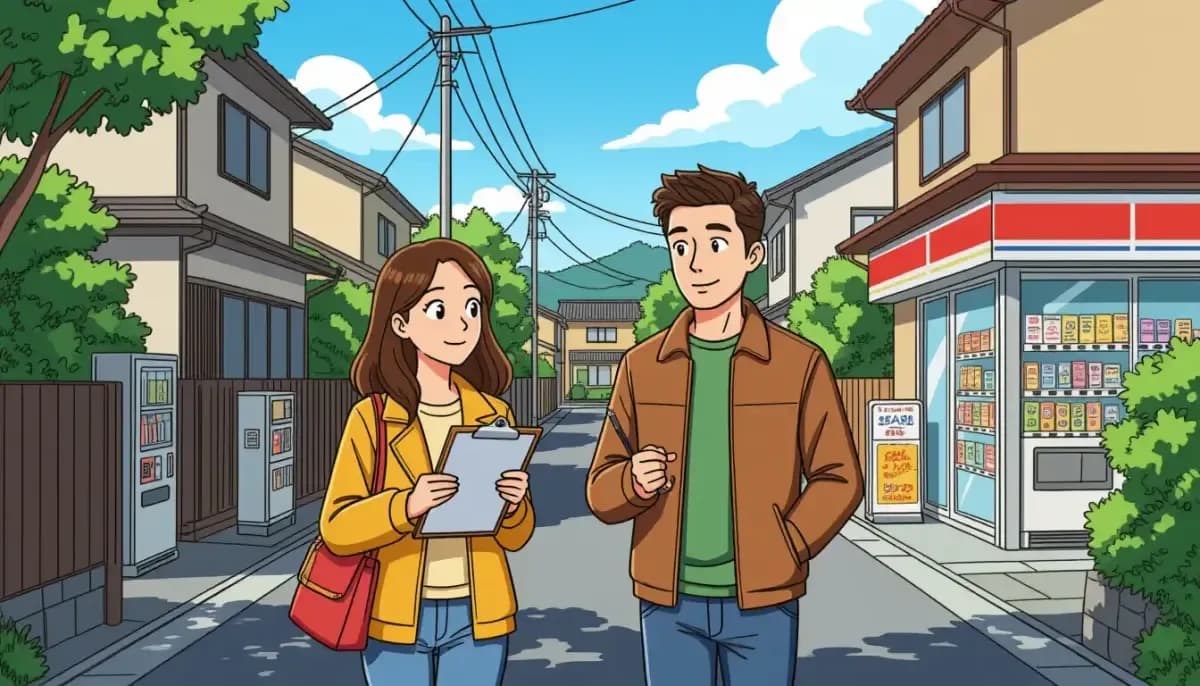
Neighborhood Visit Checklist Before Buying Property in Japan
Use this comprehensive neighborhood visit checklist before buying property in Japan. Covers safety, transport, noise, schools, and community quality for foreign buyers.
Read more →
Learn how to choose the right Japanese neighborhood as a foreign buyer. Compare top expat areas in Tokyo, Osaka, and beyond with prices, schools, transport tips, and more.
Buying property in Japan is an exciting milestone for any foreigner, but one of the most critical decisions you will make is choosing the right neighborhood. Japan's cities and suburbs offer vastly different lifestyles, price points, transportation access, and foreigner-friendly amenities. Whether you are looking for the cosmopolitan buzz of central Tokyo, the cultural richness of Kyoto, or the affordability of Japan's regional cities, understanding how to evaluate neighborhoods is essential for making a smart, long-term investment.
This comprehensive guide walks foreign buyers through the key factors to consider when selecting a Japanese neighborhood, highlights the most popular areas for expats, and provides practical tips to help you find your ideal location.
Japan's real estate market rewards careful neighborhood selection. Unlike some countries where property values tend to rise across the board, Japanese property values are highly localized. A neighborhood with excellent train connectivity, good schools, and international amenities will hold its value far better than a less accessible area.
Foreign investors now account for approximately 27% of property transactions nationwide, and up to 40% of new apartment sales in central Tokyo. In premium wards like Chiyoda, Shibuya, and Minato, 20–40% of new apartments are sold to foreign buyers. This means that foreigners are competing for the most desirable areas, which drives up prices in international hotspots while leaving excellent opportunities in less well-known neighborhoods.
Key reasons neighborhood choice matters for foreign buyers:
For a full overview of property rights for foreigners, see our guide on Can Foreigners Buy Property in Japan? Legal Rights and Restrictions.
Japan's train and subway network is one of the world's best, and proximity to stations is the single most important factor in Japanese real estate pricing. Properties within a 5-minute walk of a major station command significant premiums, while those 15+ minutes away are considerably cheaper.
When evaluating transportation:
For families with children, proximity to international schools is often the deciding factor. Japan's international schools are concentrated in certain areas:
Expat families typically prioritize neighborhoods within a 30-minute commute of their chosen school.
While Japan is becoming more foreigner-friendly, the level of English support varies enormously by neighborhood. Consider:
Understanding price ranges by area helps you set realistic expectations. The table below shows average condominium prices for key markets in 2025:
| Area | Average Price (70m² Condo) | Price per m² | Expat Popularity |
|---|---|---|---|
| Minato Ward (Tokyo) | ¥198.8 million (~$1.42M) | ¥2.84M | Very High |
| Shibuya Ward (Tokyo) | ¥120-150 million (~$860K-1.07M) | ¥1.7-2.1M | Very High |
| Setagaya Ward (Tokyo) | ¥70-90 million (~$500-640K) | ¥1.0-1.3M | High |
| Yokohama Central | ¥50-70 million (~$360-500K) | ¥0.7-1.0M | Moderate |
| Osaka (Namba/Shinsaibashi) | ¥45-65 million (~$320-460K) | ¥0.6-0.9M | Moderate |
| Osaka (Umeda/Kita) | ¥55-75 million (~$390-535K) | ¥0.8-1.1M | Moderate |
| Fukuoka City | ¥35-50 million (~$250-360K) | ¥0.5-0.7M | Growing |
| Sapporo | ¥25-40 million (~$180-285K) | ¥0.35-0.57M | Niche |
Note: Prices are approximate 2025 estimates. Exchange rates fluctuate. Consult a local agent for current figures.
Remember to budget for closing costs of 6–10% through a broker, plus annual property taxes of 0.8–1.7% of assessed value. For a complete breakdown, see our article on Hidden Costs and Fees When Buying Property in Japan.
Tokyo is home to Japan's largest expat community and offers the widest range of neighborhoods for foreign buyers. Here are the most popular areas:
Minato Ward is the undisputed epicenter of Tokyo's expat community. Home to embassies, international corporate headquarters, luxury residences, and world-class dining, this area offers the most foreigner-friendly environment in Japan.
Shibuya combines Tokyo's fashion and entertainment hub with some of its most desirable residential pockets. Daikanyama and Omotesando are particularly popular with younger expat professionals.
These southwestern wards offer a quieter, greener residential environment while remaining well-connected to central Tokyo. Very popular with expat families.
For budget-conscious expat families, Chofu and Mitaka offer significantly lower prices with good train access to central Tokyo.
For an in-depth look at Tokyo area buying, see our guide on Buying Property in Tokyo as a Foreigner: Complete Area Guide.
Osaka offers excellent value compared to Tokyo while providing a world-class urban lifestyle. The city is particularly attractive to investors looking for rental income, as tourism and business travel keep demand strong.
For more on Osaka buying, see our Buying Property in Osaka as a Foreigner: Complete Area Guide.
Kyoto appeals to foreign buyers seeking cultural immersion and traditional Japanese architecture. Machiya (traditional townhouses) are particularly popular with international buyers.
Japan's second-largest city offers a cosmopolitan waterfront lifestyle with historical ties to its international community. The Yamate area has long been home to foreign residents.
See our full guide: Buying Property in Yokohama and Kanagawa as a Foreigner.
Fukuoka is Japan's fastest-growing major city and increasingly popular with foreign buyers. Lower prices, startup culture, and proximity to South Korea and China make it attractive for international investors.
Read more: Buying Property in Fukuoka and Kyushu as a Foreigner.
Japan's rural areas offer extraordinarily low prices, with abandoned houses (akiya) sometimes available for as little as ¥1–5 million. However, rural buying requires careful neighborhood evaluation:
For more on rural opportunities, see our guide: Rural and Countryside Properties in Japan for Foreign Buyers.
A neighborhood that seems peaceful during a weekday afternoon may be noisy on weekend nights. Visit at multiple times to understand the true character of an area.
In Japan, the distance from the nearest train station is a standard real estate metric. Properties are rated by their walking time:
Japan's geography means natural disaster risk varies significantly by location. Check the local municipal hazard maps (ハザードマップ, hazard map) which show flood zones, liquefaction risk, and landslide areas. Tokyo's reclaimed land areas in Koto Ward have higher liquefaction risk, for example.
Online communities for expats in Japan are highly active and extremely helpful. Forums such as Reddit's r/japanlife, Facebook expat groups specific to your city, and platforms like Internations Japan can give you unfiltered perspectives on different neighborhoods.
A bilingual real estate agent can help you understand nuances in neighborhood culture, upcoming developments, and the unwritten rules of different areas. For the full buying process, see our Step-by-Step Home Buying Process in Japan for Foreigners.
Before finalizing your neighborhood choice, we recommend consulting these resources:
Choosing the right Japanese neighborhood requires balancing your budget, lifestyle needs, family situation, and long-term investment goals. Here is a quick decision framework:
| Buyer Profile | Recommended Areas | Budget Range |
|---|---|---|
| Single professional, urban lifestyle | Shibuya, Shinjuku, Minato | ¥60M–¥150M+ |
| Expat family with children | Setagaya, Meguro, Chofu | ¥60M–¥90M |
| Luxury/investment buyer | Minato (Azabu/Roppongi) | ¥150M+ |
| Value-conscious urban buyer | Suginami, Nerima, Itabashi | ¥40M–¥65M |
| Osaka buyer | Kita, Tennoji | ¥40M–¥70M |
| Regional city buyer | Fukuoka, Sapporo | ¥25M–¥50M |
| Rural/akiya buyer | Various rural areas | ¥1M–¥20M |
Japan's property market is open to foreign buyers without restriction — you have the same legal rights as Japanese citizens to own land and property. The key is investing time in neighborhood research before committing. Visit multiple areas, connect with local expat communities, work with a bilingual agent, and always check hazard maps for natural disaster risk.
For a complete overview of the buying process, start with our Complete Guide to Buying Property in Japan as a Foreigner and explore our detailed city guides for Tokyo, Osaka, and Kyoto.
The perfect Japanese neighborhood is out there for you — it just takes the right research to find it.
Use this comprehensive neighborhood visit checklist before buying property in Japan. Covers safety, transport, noise, schools, and community quality for foreign buyers.
Read more →
Understand Japan's urban planning system, major redevelopment projects, and compact city policies before buying property. Essential guide for foreign buyers navigating Japanese neighborhoods.
Read more →
Learn how neighborhood demographics affect property values in Japan. Discover foreign resident concentrations by ward, aging rural trends, and how to research demographics before buying.
Read more →
Learn how to score and evaluate Japanese neighborhoods using walkability indexes, livability criteria, and expat-friendly tools. Compare cities, wards, and key factors before buying or renting in Japan.
Read more →
Discover the best expat neighborhoods in Japan's major cities — Tokyo, Osaka, Fukuoka, Yokohama, Kyoto, and Kobe. Practical guide for foreign residents on where to live, costs, and community resources.
Read more →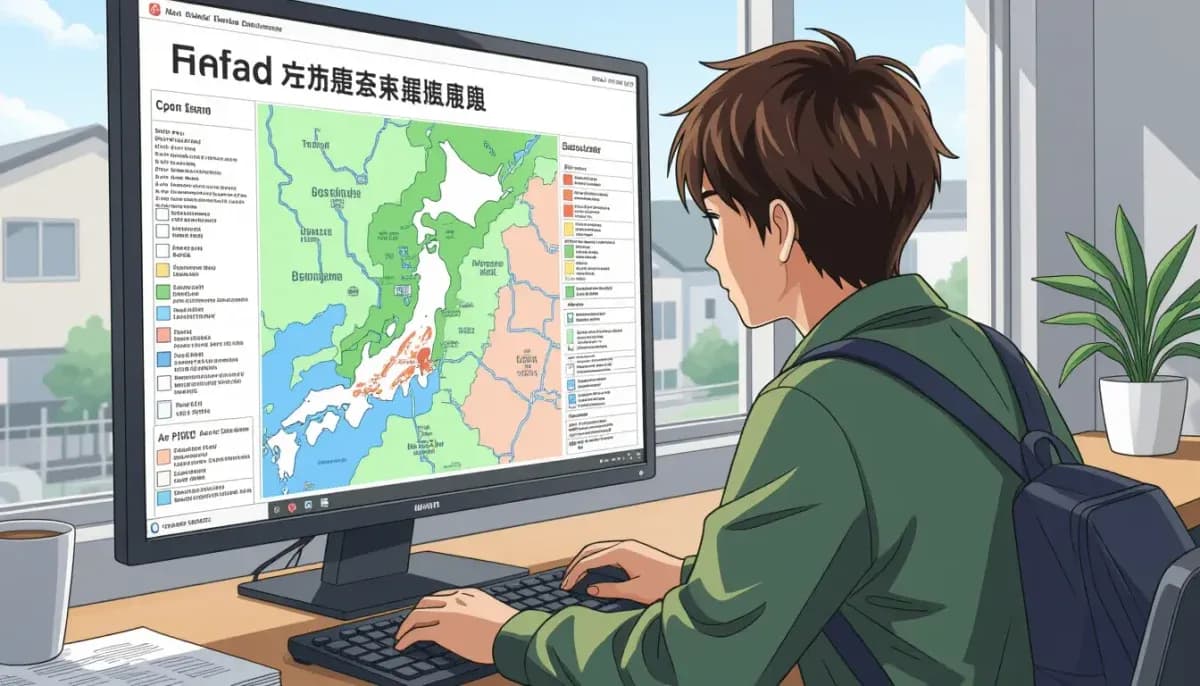
Learn how to check flood and earthquake risk for any Japan neighborhood using official hazard maps, J-SHIS, and real estate tools. Essential guide for foreign property buyers.
Read more →
Learn how to assess noise pollution in Japanese neighborhoods before buying or renting. Covers regulations, building types, common noise sources, complaint procedures, and practical tips for foreigners.
Read more →
Discover the best family neighborhoods in Japan with parks and green spaces. From Setagaya's Todoroki Valley to Kichijoji's Inokashira Park, find your ideal green neighborhood in Tokyo and beyond.
Read more →
Complete guide to hospitals and medical facilities in Japan for foreign residents. Learn about NHI insurance, clinic types, costs, English-speaking doctors, and how to evaluate healthcare access when choosing a neighborhood.
Read more →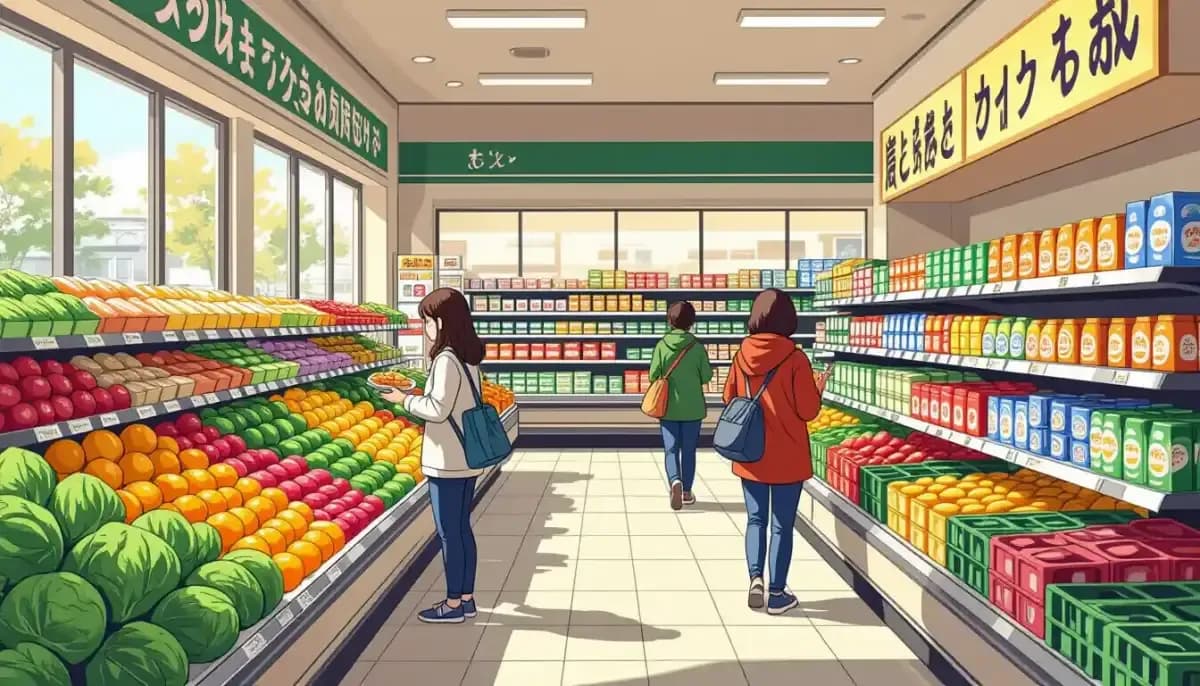
How to evaluate supermarket and shopping convenience when buying property in Japan. Covers major chains, konbini density, expat-friendly stores, and what proximity to retail means for property values.
Read more →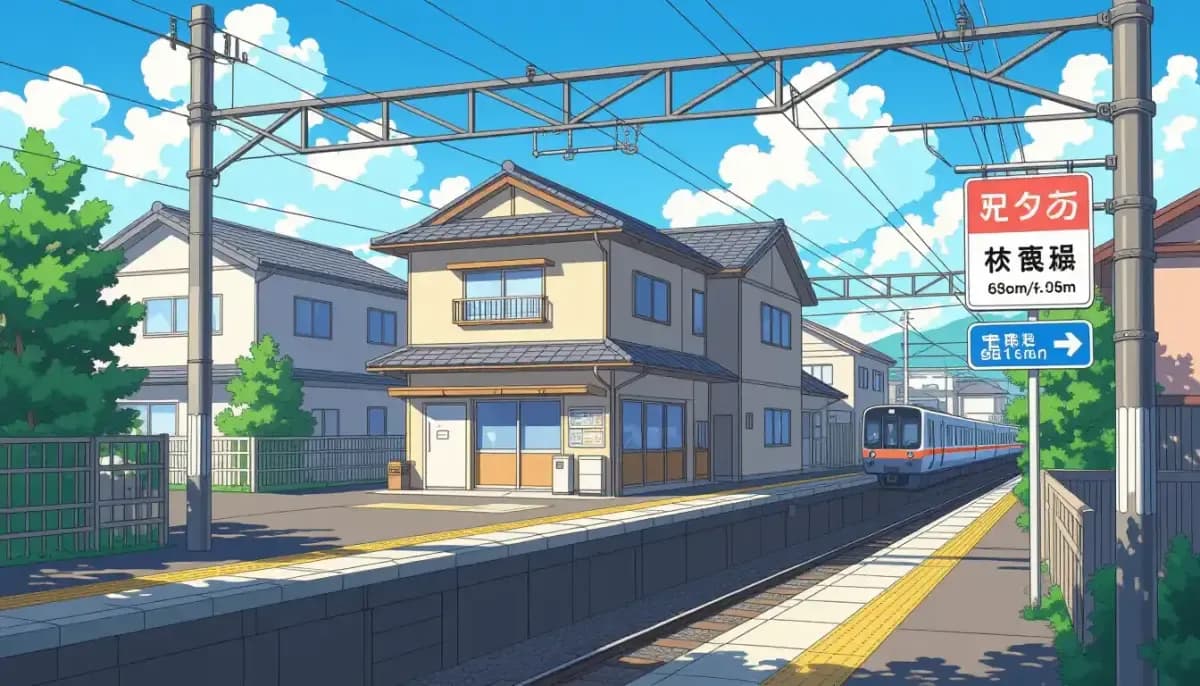
How does train station walking distance affect property values in Japan? Discover the data, price premiums, and practical tips for foreign buyers navigating Japan's real estate market.
Read more →
Learn how Japan's gakku (school district) system drives property prices in Tokyo and beyond. A complete guide for foreign buyers on school zones, price premiums, and how to research catchment areas before buying.
Read more →
Learn how to research neighborhood safety and crime rates in Japan before buying property. Covers NPA data, Tokyo ward crime rates, on-the-ground indicators, and tips for foreign buyers.
Read more →