
Best Expat Community Neighborhoods in Japan by City

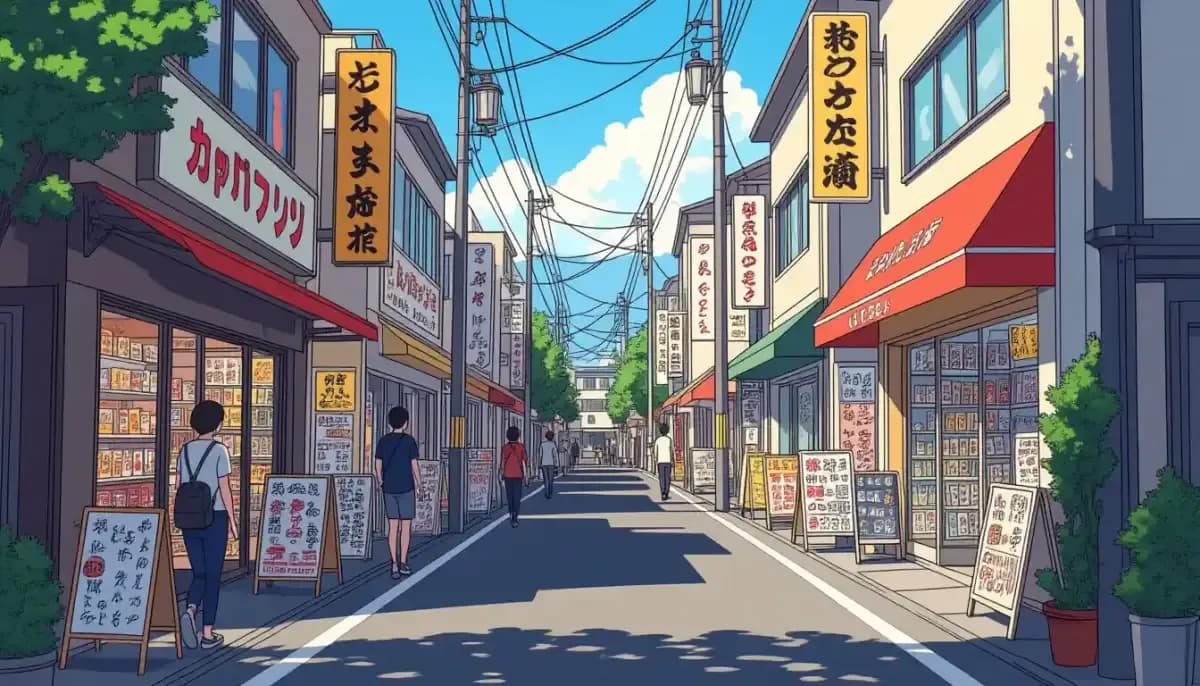
Discover the best expat neighborhoods in Japan's major cities — Tokyo, Osaka, Fukuoka, Yokohama, Kyoto, and Kobe. Practical guide for foreign residents on where to live, costs, and community resources.
Best Expat Community Neighborhoods in Japan by City
Japan is one of the most sought-after destinations for expats worldwide, and for good reason. Safe streets, excellent public transportation, world-class healthcare, and a rich cultural experience make it a compelling place to call home. But with hundreds of cities and thousands of neighborhoods to choose from, knowing where to settle is half the battle. This guide breaks down the best expat community neighborhoods in Japan's major cities, helping you find the right fit based on lifestyle, budget, and community support.
Whether you're already browsing listings on sites like Gaijin Buy House or just starting to explore your options, understanding which neighborhoods have established expat communities can make a huge difference in how quickly you settle in and feel at home.
Tokyo: Hiroo, Azabujuban, and Minato-ku
Tokyo is the undisputed hub for expat life in Japan. The vast majority of foreign professionals, diplomats, and long-term residents concentrate in two wards: Minato-ku and Shibuya-ku. These areas offer the densest concentration of international schools, embassies, English-speaking medical facilities, and foreign-friendly supermarkets.
Hiroo is often referred to as "expat central." Located in Minami-Azabu, it's home to a cluster of international schools including The International School of the Sacred Heart and Nishimachi International School. The neighborhood has quiet, leafy residential streets, parks, and international supermarkets like National Azabu. If you're relocating with a family and need immediate access to English-language services, Hiroo is the gold standard.
Azabujuban sits adjacent to Hiroo and offers a slightly more local feel while still being extremely foreigner-friendly. The area has a charming old-town shopping street, excellent transport links, and proximity to Roppongi's entertainment and dining scene.
Roppongi itself is popular with younger expats and those working in finance or the arts. It has a vibrant nightlife scene and many high-rise apartments designed for foreign residents. Daikanyama and Ebisu in Shibuya-ku attract creative professionals with their boutique shops, cafes, and relaxed urban vibe.
If you're considering buying property in Tokyo, our complete Tokyo area guide for foreign buyers covers property prices and neighborhood details in depth.
Osaka: Umeda, Bentencho, and Tennoji
Osaka is frequently cited as Japan's most foreigner-friendly major city, thanks to its notoriously warm and outgoing locals. Living costs run approximately 30% lower than in Tokyo, making it an attractive option for expats who want urban convenience without the capital's premium price tag.
Umeda is Osaka's northern hub — a modern, well-connected district with excellent transit access, international shopping, and a growing number of English-friendly services. It's a natural choice for expats working in central Osaka.
Bentencho, located where the JR Loop Line meets the Chuo subway line, is popular among expats for its convenience and relatively affordable rents. The area has good supermarkets and is close to the Osaka Bay waterfront.
Tennoji has transformed dramatically in recent years into a trendy district with a large park, stylish cafes, and a zoo. It's particularly attractive for families and those seeking an emerging neighborhood with rising quality of life. Osaka's international support organization, OFIX (Osaka Foundation of International Exchange), provides multilingual assistance to residents throughout the city.
For property buyers, our dedicated guide on buying property in Osaka as a foreigner has everything you need.
Fukuoka: Japan's Fastest-Growing Expat City
Fukuoka is rapidly becoming one of the most popular cities in Japan for expats, and the numbers bear this out: Fukuoka has seen the fastest increase of foreign-born residents among Japan's major cities. Housing costs run 30–40% lower than Tokyo, and the city's compact size means shorter commutes and a more relaxed pace of life.
Tenjin and Hakata are the central districts where most expats choose to live. Both offer excellent access to international restaurants, English-language services, and the city's subway network. The waterfront Momochi area is popular with families for its parks, the Fukuoka Tower, and proximity to international schools.
Fukuoka's FCIF (Fukuoka City International Foundation) runs multilingual counseling and community programs, making it easy to get support when navigating life as a new arrival. The city has also been designated a "startup visa" pilot city by the Japanese government, attracting a growing tech and entrepreneur expat community.
See our full guide on buying property in Fukuoka and Kyushu for regional property insights.
Yokohama: International Heritage and Affordable Living
Yokohama, Japan's second-largest city and just 30 minutes from central Tokyo by train, has a long history of international community. It is home to the largest Chinatown in Japan (Yokohama Chinatown) and has welcomed foreign residents since the 19th century when it was one of Japan's first treaty ports.
Yamate (also known as "The Bluff") is the historic expat neighborhood, with old Western-style houses and panoramic views over the port. Minato Mirai is the modern waterfront district with stylish high-rise apartments and excellent retail. Nishiki-cho and areas near Motomachi are popular for their European-influenced streetscapes and established foreign resident community.
Yokohama International Residents' Support Center (YOKE) provides free consultations in 12 languages, pointing residents to exchange programs and volunteer activities throughout the city.
Check out our guide on buying property in Yokohama and Kanagawa for more details.
Kyoto and Kobe: Culture and Cosmopolitan Living
Kyoto attracts expats who want to experience traditional Japan at its most immersive. While it has fewer international services than Tokyo or Osaka, the city's university presence and tourism industry mean English is more accessible than in many Japanese cities. Expats tend to cluster near Nakagyo-ku (central Kyoto) and areas near Kyoto University in Sakyo-ku. The slower pace, temple-dotted streets, and seasonal beauty make it a favorite for academics, artists, and those prioritizing culture over corporate convenience.
Kobe has one of Japan's most storied expat histories, with a significant foreign community established since the Meiji era. The Kitano district still preserves old Western-style residences (ijinkan) from the 19th century. Today, the Sannomiya and Motomachi areas are where most international residents live, offering great transit connections, international restaurants, and KICC (Kobe International Community Center) support services.
Our guides on buying property in Kyoto as a foreigner and buying property in Kobe and Hyogo have dedicated neighborhood breakdowns.
Key Expat Neighborhoods Comparison by City
| City | Top Expat Neighborhoods | Cost vs Tokyo | Key Support Org | Best For |
|---|---|---|---|---|
| Tokyo | Hiroo, Azabujuban, Roppongi, Daikanyama | Baseline | FRESC (Shinjuku) | Career, families, global network |
| Osaka | Umeda, Bentencho, Tennoji | ~30% cheaper | OFIX | Budget-conscious, friendly locals |
| Fukuoka | Tenjin, Hakata, Momochi | 30–40% cheaper | FCIF | Startups, young professionals |
| Yokohama | Yamate, Minato Mirai, Motomachi | ~15% cheaper | YOKE | Families, international heritage |
| Kobe | Sannomiya, Kitano, Motomachi | ~20% cheaper | KICC | Cosmopolitan culture lovers |
| Kyoto | Nakagyo-ku, Sakyo-ku | ~15% cheaper | KIC | Academics, traditional culture |
| Nagoya | Nagoya-eki area, Higashiyama | ~20% cheaper | NIC | Automotive industry, affordability |
Building Your Expat Community: Online and Offline Resources
Finding the right neighborhood is only part of settling in — building a social network is equally important. Japan has a rich ecosystem of expat community resources:
Online Communities
- InterNations: City-specific chapters in Tokyo, Osaka, Fukuoka, and other major cities host regular social mixers and networking events
- Meetup.com: Active groups for language exchanges, hiking clubs, board games, and startup talks across Japan
- Reddit r/japanlife: An active community of Japan-based residents sharing practical advice on everything from apartment hunting to visa renewals
Offline Support Each major city has a dedicated international support center offering free multilingual consultations on visas, legal matters, housing, and healthcare. These centers also organize community events, volunteer programs, and cultural exchange activities.
For expats looking to connect with Japan's property-buying community specifically, Living in Nihon provides guides on regional living and settling into Japanese neighborhoods, while For Work in Japan covers employment resources that often go hand-in-hand with deciding where to live.
More in-depth community resources and expat group information can be found at the Japan Handbook expat communities guide and through the All Japan Relocation expat community directory.
What to Look for When Choosing Your Neighborhood
Beyond the famous expat enclaves, the right neighborhood for you will depend on your specific priorities:
For Families: Prioritize proximity to international schools, parks, and pediatric healthcare. Hiroo (Tokyo), Momochi (Fukuoka), and Yamate (Yokohama) are top choices.
For Young Professionals: Walkable urban neighborhoods with good nightlife and transit access. Daikanyama, Ebisu, Tenjin, and Sannomiya fit the bill.
For Budget-Conscious Expats: Move away from the most famous neighborhoods. Areas like Nakameguro (Tokyo, slightly cheaper than Hiroo), Tennoji (Osaka), and virtually all of Fukuoka offer significant savings.
For Remote Workers: Cities like Fukuoka and Kyoto offer an excellent quality of life at lower costs, with growing coworking scenes and reliable high-speed internet.
For Those Buying Property: The neighborhoods listed above have strong rental demand, which is important if you ever want to lease your property to other expats. Our complete guide to buying property in Japan as a foreigner and step-by-step home buying process cover the legal and financial aspects in detail.
Japan's expat neighborhoods offer something for every lifestyle and budget. The key is to match the neighborhood's character to your own — whether that's the polished international atmosphere of Hiroo, the creative energy of Daikanyama, the laid-back warmth of Fukuoka, or the cultural depth of Kyoto. Take the time to visit your shortlisted neighborhoods before committing, and tap into the local expat community to get firsthand insights from people already living there.

Originally from Vietnam, living in Japan for 16+ years. Graduated from Nagoya University, with 11 years of professional experience at Japanese and international companies. Sharing information about buying property in Japan for foreigners.
View Profile →Related Articles
Neighborhood Visit Checklist Before Buying Property in Japan
Use this comprehensive neighborhood visit checklist before buying property in Japan. Covers safety, transport, noise, schools, and community quality for foreign buyers.
Read more →
Future Development and Urban Planning in Japanese Neighborhoods
Understand Japan's urban planning system, major redevelopment projects, and compact city policies before buying property. Essential guide for foreign buyers navigating Japanese neighborhoods.
Read more →
Understanding Neighborhood Demographics in Japan
Learn how neighborhood demographics affect property values in Japan. Discover foreign resident concentrations by ward, aging rural trends, and how to research demographics before buying.
Read more →
Japan Neighborhood Walkability and Livability Scoring Guide
Learn how to score and evaluate Japanese neighborhoods using walkability indexes, livability criteria, and expat-friendly tools. Compare cities, wards, and key factors before buying or renting in Japan.
Read more →
Checking Flood and Earthquake Risk for Japan Neighborhoods
Learn how to check flood and earthquake risk for any Japan neighborhood using official hazard maps, J-SHIS, and real estate tools. Essential guide for foreign property buyers.
Read more →
Noise Pollution Assessment in Japanese Neighborhoods
Learn how to assess noise pollution in Japanese neighborhoods before buying or renting. Covers regulations, building types, common noise sources, complaint procedures, and practical tips for foreigners.
Read more →