
Hospital and Medical Facilities: Neighborhood Health Guide in Japan

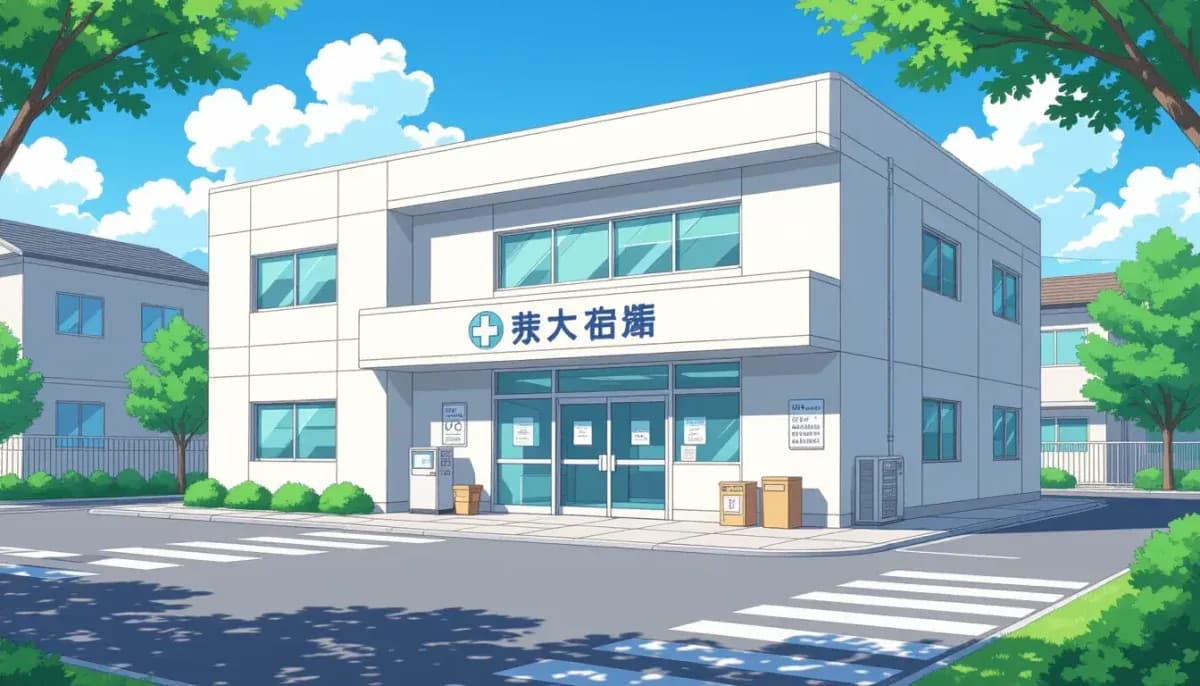
Complete guide to hospitals and medical facilities in Japan for foreign residents. Learn about NHI insurance, clinic types, costs, English-speaking doctors, and how to evaluate healthcare access when choosing a neighborhood.
Hospital and Medical Facilities: Neighborhood Health Guide in Japan
When buying or renting property in Japan, proximity to quality healthcare is one of the most important factors for foreign residents. Japan's healthcare system is world-class — the country boasts a life expectancy of 84.1–84.7 years, near-universal coverage, and some of the highest rates of MRI and CT scanners per capita globally. But navigating it as a foreigner requires understanding how the system is structured, what's available in your neighborhood, and how to access care efficiently.
This guide walks you through everything you need to know about hospitals and medical facilities in Japan — from local clinics to major hospitals, insurance requirements, costs, and how to find English-speaking doctors near your home.
Understanding Japan's Healthcare System Structure
Japan does not operate on the general practitioner (GP) referral model common in the UK or Australia. Instead, patients go directly to specialists based on their condition. This means your neighborhood health ecosystem matters significantly: you want a range of clinic types within easy reach.
Japan's medical facilities fall into three main tiers:
| Facility Type | Japanese | Beds | Best For |
|---|---|---|---|
| Small Clinic | クリニック / 診療所 | Up to 19 | Routine care, single-specialty |
| General Hospital | 病院 (Byoin) | 20–199 | Multi-department care |
| Large/University Hospital | 大病院 / 大学病院 | 200+ | Complex cases, surgery, emergencies |
| International Clinic | 国際クリニック | Varies | English-speaking expat care |
Clinics (クリニック or Shinryosho) are the backbone of neighborhood healthcare. They typically specialize in one area — internal medicine (内科 naika), dermatology (皮膚科 hifuka), orthopedics (整形外科), ENT (耳鼻科), or pediatrics (小児科). Walk-ins are generally welcome, and waits are shorter than at hospitals.
Hospitals require a referral letter from a clinic for non-emergency specialist visits. Without one, most large hospitals will charge an additional "initial consultation surcharge" (初診料加算) of ¥5,000–¥15,000 on top of your standard medical fees. Always start at a local clinic when possible.
For more on navigating life in Japan as a property owner, see our guide to moving to Japan and setting up your new home.
National Health Insurance: What Every Foreign Resident Must Know
National Health Insurance (NHI / 国民健康保険) is mandatory for all foreign residents who hold a residence card and plan to stay in Japan for three months or more. Enrollment is done at your local municipal office (市区町村役場), and you'll need your residence card and passport.
Co-payment rates by age:
- Under 6 years old: 20%
- Ages 6–69: 30%
- Ages 70–74: 20%
- Age 75+: 10%
This means that if your clinic visit costs ¥10,000, you pay ¥3,000 out of pocket and insurance covers the remaining ¥7,000.
Monthly out-of-pocket cap: Japan has a "High-Cost Medical Expense Benefit" (高額療養費制度) system that caps your monthly out-of-pocket expenses at approximately ¥80,000–¥90,000 for average-income individuals. Any medical costs above this cap are reimbursed, making even hospitalizations or surgery manageable financially.
Important update (December 2024): Japan stopped issuing new physical insurance cards. The country has transitioned to the My Number Card (マイナンバーカード) as the primary health insurance credential. When visiting a clinic or hospital, bring your My Number Card — most modern reception systems will read it directly.
Premium example: A 28-year-old earning ¥4,000,000/year in Tokyo pays approximately ¥61,000/month in NHI premiums. Premiums vary by municipality and income level.
For context on overall costs of living in Japan as a property owner, see our property taxes and annual costs guide.
Types of Neighborhood Medical Facilities and What They Treat
Understanding the specialty landscape of Japanese clinics helps you know where to go for different conditions:
| Clinic Type | Japanese | Common Issues Treated |
|---|---|---|
| Internal Medicine | 内科 (Naika) | Cold, flu, fever, fatigue, diabetes, hypertension |
| Orthopedics | 整形外科 | Back pain, joint pain, fractures |
| Dermatology | 皮膚科 | Rashes, acne, eczema |
| ENT | 耳鼻咽喉科 | Ear, nose, throat issues |
| Ophthalmology | 眼科 | Eye conditions, glasses prescription |
| Pediatrics | 小児科 | Children's health |
| Gynecology/OB | 産婦人科 | Women's health, pregnancy |
| Psychiatry | 精神科 / 心療内科 | Mental health, stress, anxiety |
| Dentistry | 歯科 | Dental care (partially covered by NHI) |
When moving to a new neighborhood in Japan, it's wise to locate your nearest naika (内科) clinic first — this is your go-to for most common illnesses and serves a similar function to a general practitioner in other countries. From there, identify a hospital within reasonable distance for emergencies.
Finding English-Speaking Doctors and Hospitals
One of the biggest concerns for expat residents is the language barrier. While English fluency among medical staff varies widely, there are reliable ways to find English-friendly care:
Official resources:
- JNTO Japan Visitor Hotline: 050-3816-2787 — Available 24/7, provides phone interpretation and medical facility referrals
- Tokyo Himawari Hotline: Search clinics and hospitals by language (English, Chinese, Korean, Thai, Spanish, and more) at the Tokyo Metropolitan Government's medical consultation service
- Tokyo Metropolitan Medical Institute: 03-5285-8181 (9 AM–8 PM daily, multiple languages)
- Non-emergency medical consultation (Tokyo): Dial #7119
Notable international hospitals and clinics for expats in Tokyo:
- St. Luke's International Hospital (Chuo-ku, Tsukiji): 539 beds, century-long history serving the expat community, comprehensive departments including proton beam therapy
- Sanno Hospital (Minato-ku): 20+ departments including neurosurgery and cardiovascular care
- Tokyo Medical and Surgical Clinic (Minato-ku): ENT, urology, obstetrics
- Roppongi Hills Clinic (Minato-ku): Internal medicine, gastroenterology, psychiatry, gynecology
- Japanese Red Cross Medical Center (Shibuya-ku, Hiroo): 20+ departments, English-speaking staff
In Osaka, Kenporen Osaka Central Hospital and Osaka City General Hospital both have international assistance desks. For other cities, the JNTO hospital search database is the most reliable tool.
For detailed area guides including healthcare access, see our neighborhood guides for buying property in Tokyo and buying property in Osaka.
Learn more about finding English-speaking medical care from Expat Den's hospital guide for Japan.
Cost of Medical Care: What to Expect
Understanding typical costs helps you budget appropriately and avoid surprises. Here's a breakdown for insured foreign residents:
| Service | Estimated Cost (30% copay) | Without Insurance |
|---|---|---|
| Clinic consultation | ¥1,000–¥3,000 | ¥5,000–¥20,000 |
| Specialist consultation | ¥3,000–¥5,000 | ¥10,000–¥30,000 |
| Hospital without referral (extra fee) | ¥5,000–¥15,000 additional | ¥20,000–¥50,000 |
| Dental checkup and cleaning | ¥2,000–¥4,000 | ¥8,000–¥15,000 |
| Prescription medication | ¥500–¥2,000 | ¥2,000–¥8,000 |
| Emergency room visit | ¥5,000–¥15,000 | ¥30,000–¥80,000 |
Important: Prescriptions in Japan are filled at a separate pharmacy (調剤薬局), not at the clinic or hospital itself. When you leave a medical appointment, you'll receive a prescription slip (処方箋) to take to any nearby pharmacy.
Most small neighborhood clinics are cash-only. Larger hospitals and international clinics increasingly accept credit cards and mobile payments (IC cards, PayPay, etc.). Always carry cash when visiting medical facilities.
For comprehensive healthcare and insurance information for property owners, read the Japan Living Guide's healthcare overview.
Emergency Medical Care in Japan
Emergency number: 119 — This connects you to both ambulance (救急車) and fire services. Calls are free. Operators in major cities have access to basic English support.
In Tokyo, the average ambulance response time is approximately 20 minutes in urban areas. Ambulances in Japan do not automatically take you to the nearest hospital — they survey hospital availability and take you to one with capacity for your condition.
Key points for emergencies:
- Call 119 and state your location and condition clearly
- If possible, have someone with Japanese language skills assist
- Carry your NHI card or My Number Card at all times — even in emergencies, insurance coverage depends on presenting your card
- After treatment, keep all receipts for insurance reimbursement claims
After-hours care: Japan has a system of night/holiday clinics (夜間・休日診療) operated by municipalities for after-hours non-emergency care. Check your local city hall website or the #7119 hotline for locations near your neighborhood.
See the Pacific Prime guide to best hospitals for expats for more detail on top-rated facilities.
Evaluating Healthcare Access When Choosing a Neighborhood
If you're in the process of selecting a neighborhood for your property purchase, healthcare access should be factored into your decision. Here's what to look for:
Within 10-minute walk/bike ride:
- At least one naika (内科) clinic for routine illness
- A pharmacy (調剤薬局 or ドラッグストア)
- Dental clinic (歯科)
Within 15-20 minutes by transit:
- General hospital with emergency department
- Pediatrics clinic (if you have children)
- OBGYN (if applicable)
Research tools:
- Google Maps — Search "内科 [neighborhood name]" or "病院 [neighborhood name]" to see local options with reviews
- Japan's medical facility database — The Ministry of Health, Labour and Welfare maintains a searchable public database of all registered medical institutions
- iryou.com — Japanese-language but searchable by specialty and location
Urban neighborhoods in Tokyo (Shibuya, Shinjuku, Minato, Chuo) and Osaka (Chuo, Namba, Umeda) have excellent medical density. Suburban and rural areas may have fewer options — particularly specialists and international clinics. Read more about rural property considerations in our rural and countryside properties guide.
For expat-specific life in Japan including healthcare considerations, Living in Nihon and For Work in Japan offer practical guides to settling in. Those looking to buy property specifically can also find useful regional health resources at Gaijin Buy House.
Japan's Healthcare Quality: Why It Matters for Property Investment
Japan's healthcare system is consistently ranked among the world's best. For foreign property buyers, this represents a significant quality-of-life benefit that supports long-term residence and investment value.
Key statistics (OECD Health at a Glance 2025):
| Metric | Japan | OECD Average |
|---|---|---|
| Life expectancy | 84.1 years | 81.1 years |
| Health spending % of GDP | 10.6% | 9.3% |
| Population covered by core services | ~100% | Varies |
| 30-day post-heart attack mortality | 4.9% | 6.5% |
| 30-day post-stroke mortality | 2.1% | 7.7% |
| Patient satisfaction (healthcare availability) | 80% | 64% |
Japan also leads globally in diagnostic imaging equipment — the highest ratio of MRI and CT scanners per capita of any OECD country. This means faster, more accurate diagnostics even at community-level hospitals.
For foreign buyers, access to this high-quality healthcare system is one of the strongest arguments for long-term property investment in Japan. Combined with mandatory national insurance enrollment, residents gain access to comprehensive care at a fraction of typical costs in the US or other countries without universal coverage.
To explore how this connects to overall quality of life in your target area, see our guides to buying property in Kyoto and buying property in Fukuoka.
Quick Reference: Medical Vocabulary for Foreigners in Japan
Knowing a few key terms makes navigating the system significantly easier:
| Japanese | Romaji | Meaning |
|---|---|---|
| 病院 | Byoin | Hospital |
| クリニック | Kurinikku | Clinic |
| 内科 | Naika | Internal medicine |
| 救急 | Kyukyu | Emergency |
| 薬局 | Yakkyoku | Pharmacy |
| 保険証 | Hokensho | Insurance card |
| 処方箋 | Shohosen | Prescription |
| マイナンバーカード | My Number Card | National ID / insurance credential |
| 初診 | Shoshin | First visit |
| 予約 | Yoyaku | Appointment / reservation |
Most clinics have intake forms (問診票 / monshinひょう) that ask about symptoms, allergies, and current medications. Many international clinics offer these in English, and several provide translation apps or multilingual staff. If unsure, call ahead to ask.
Japan's neighborhood medical ecosystem is one of the most comprehensive in the world. Whether you're settling in a busy urban district or a quieter suburban area, understanding the structure of local healthcare — and securing your NHI enrollment promptly — will give you confidence and security in your new home. Combine this with proximity research before you buy, and healthcare access becomes an asset rather than a concern.

Originally from Vietnam, living in Japan for 16+ years. Graduated from Nagoya University, with 11 years of professional experience at Japanese and international companies. Sharing information about buying property in Japan for foreigners.
View Profile →Related Articles
Neighborhood Visit Checklist Before Buying Property in Japan
Use this comprehensive neighborhood visit checklist before buying property in Japan. Covers safety, transport, noise, schools, and community quality for foreign buyers.
Read more →
Future Development and Urban Planning in Japanese Neighborhoods
Understand Japan's urban planning system, major redevelopment projects, and compact city policies before buying property. Essential guide for foreign buyers navigating Japanese neighborhoods.
Read more →
Understanding Neighborhood Demographics in Japan
Learn how neighborhood demographics affect property values in Japan. Discover foreign resident concentrations by ward, aging rural trends, and how to research demographics before buying.
Read more →
Japan Neighborhood Walkability and Livability Scoring Guide
Learn how to score and evaluate Japanese neighborhoods using walkability indexes, livability criteria, and expat-friendly tools. Compare cities, wards, and key factors before buying or renting in Japan.
Read more →
Best Expat Community Neighborhoods in Japan by City
Discover the best expat neighborhoods in Japan's major cities — Tokyo, Osaka, Fukuoka, Yokohama, Kyoto, and Kobe. Practical guide for foreign residents on where to live, costs, and community resources.
Read more →
Checking Flood and Earthquake Risk for Japan Neighborhoods
Learn how to check flood and earthquake risk for any Japan neighborhood using official hazard maps, J-SHIS, and real estate tools. Essential guide for foreign property buyers.
Read more →