
Understanding Neighborhood Demographics in Japan

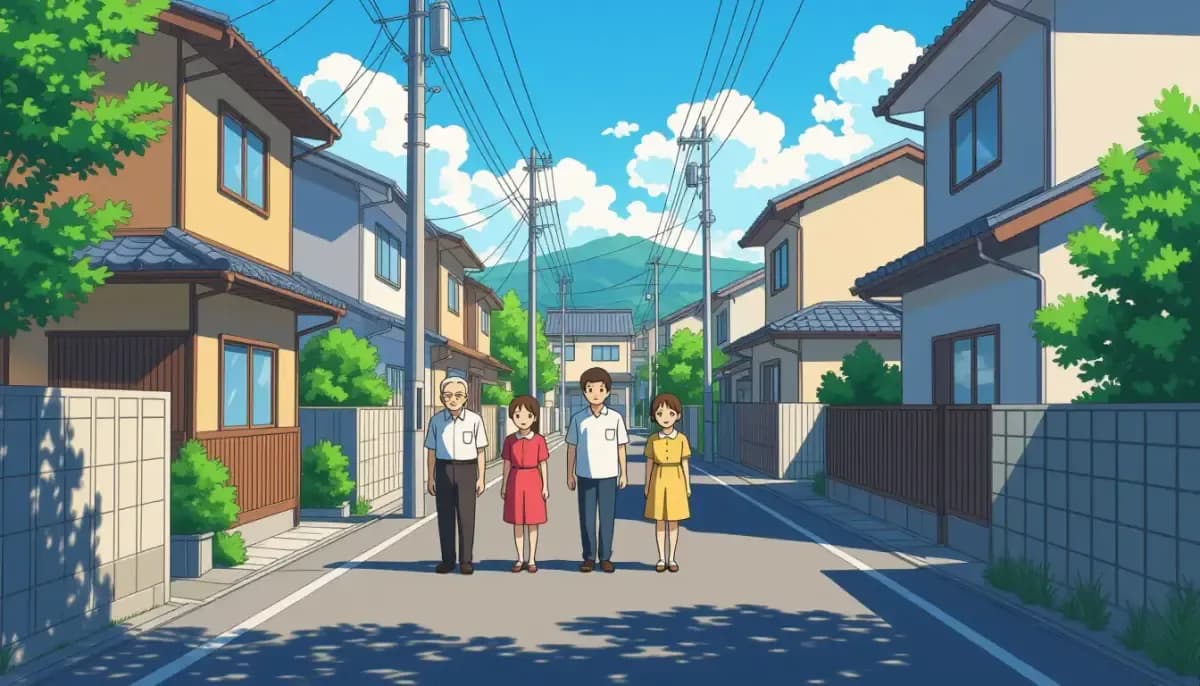
Learn how neighborhood demographics affect property values in Japan. Discover foreign resident concentrations by ward, aging rural trends, and how to research demographics before buying.
Understanding Neighborhood Demographics in Japan: A Guide for Foreign Buyers
When you're considering buying property in Japan, understanding neighborhood demographics is one of the most important — and most overlooked — factors in making the right decision. Japan is a country of striking demographic contrasts: aging rural towns where elderly residents outnumber children, vibrant urban wards with booming foreign communities, and everything in between. For foreigners navigating Japan's real estate market, knowing how to read neighborhood demographics can mean the difference between a thriving community experience and years of social isolation.
This guide breaks down Japan's neighborhood demographics by age, foreign resident concentration, regional trends, and what these numbers mean practically for your property purchase decision.
Why Neighborhood Demographics Matter When Buying Property in Japan
Demographic data directly affects your daily quality of life, long-term property values, and integration into Japanese society. A neighborhood's age structure tells you about school availability for families, local business activity, and the pace of community life. Foreign resident concentration indicates how accessible English-language services may be and how welcoming the area typically is to newcomers.
Japan's demographic situation is uniquely challenging. With over 29% of the population aged 65 and older, Japan is one of the oldest societies on Earth. This aging trend is not evenly distributed — it hits rural communities far harder than urban centers. Many rural areas face serious depopulation, with some villages having median ages above 60. Meanwhile, Tokyo, Osaka, and other major cities continue to attract younger residents from rural Japan and abroad.
For property buyers, this matters because:
- Aging neighborhoods may see declining property values as demand falls
- Young, growing areas often have better infrastructure investment and rising values
- High foreign-resident areas typically have more international schools, multilingual services, and expat-friendly businesses
- Depopulating rural areas offer extremely low property prices but limited services
Japan's Foreign Population: Where They Live and Why
Japan's foreign resident population hit a record 3.77 million in 2024, representing a 10.5% increase year-over-year — the third consecutive record high. This demographic shift is reshaping neighborhood character across the country, particularly in major urban centers.
Top Prefectures for Foreign Residents
| Prefecture | Foreign Residents | Share of National Total |
|---|---|---|
| Tokyo | 738,946 | 19.6% |
| Osaka | 333,564 | 8.8% |
| Aichi | 331,733 | 8.8% |
| Kanagawa | 292,450 | 7.8% |
| Saitama | 262,382 | 7.0% |
| Chiba | ~210,000 | ~5.6% |
Tokyo remains the undisputed center of Japan's foreign community, with nearly one in five foreign residents nationwide living in the capital. The Greater Tokyo Area (Tokyo + Kanagawa + Saitama + Chiba) accounts for approximately 40% of all foreign residents in Japan.
Top Foreign Nationalities in Japan (2024)
The foreign community is diverse, with distinct nationalities concentrating in different areas:
- Chinese nationals: 873,286 (largest group, concentrated in Tokyo, Osaka, Aichi)
- Vietnamese nationals: 634,361 (fastest growing, +69,335 in 2024, strong in manufacturing regions)
- South Korean nationals: 409,238 (long-established communities, particularly in Osaka)
- Nepalese nationals: Now 5th place, surpassing Brazil (concentrated in Tokyo, Nagoya)
For more detailed guidance on living and settling in Japan as a foreigner, Living in Nihon's regional guide provides comprehensive coverage of regional differences across the country.
Tokyo's Neighborhood Demographics: Ward-by-Ward Breakdown
Tokyo's 23 special wards vary dramatically in their demographic profiles. Understanding these differences is essential for property buyers targeting the capital.
High Foreign Concentration Wards
Shinjuku Ward is arguably Tokyo's most internationally diverse neighborhood, with a foreign resident rate exceeding 10% of the local population. The Okubo/Shin-Okubo area is home to one of Japan's largest Korean communities, alongside Chinese, Vietnamese, and Southeast Asian residents. Shinjuku's demographics make it ideal for foreigners seeking an international environment with multilingual services.
Minato Ward hosts a different kind of international community — primarily business expats, diplomats, and high-income foreign residents attracted by Roppongi, Azabu, and Hiroo. Foreign resident rates in some Minato neighborhoods exceed 15%. This ward has premium pricing but outstanding international school options and English-language services.
Edogawa Ward in eastern Tokyo has a particularly high concentration of Indian and South Asian residents, centering around the Kasai and Nishi-Kasai areas. Often called "Little India," Edogawa offers Indian grocery stores, restaurants, and cultural organizations — making it popular with Indian IT professionals.
Younger, Growing Areas
Koto Ward, Sumida Ward, and Kita Ward are attracting younger Japanese residents and families due to relatively affordable housing and improving infrastructure. Foreign resident communities here tend to be newer and more mixed.
For those considering property investment in Tokyo specifically, our guide to buying property in Tokyo as a foreigner covers area-specific pricing, restrictions, and recommendations in detail.
Osaka and Kansai: Japan's Second Largest Foreign Community
Osaka Prefecture has Japan's second-largest foreign resident population (333,564), with a demographic character distinct from Tokyo. Osaka's foreign community is older and more established, particularly its Korean-Japanese (Zainichi Korean) community centered in the Tsuruhashi and Ikuno areas.
Ikuno Ward in Osaka City has one of Japan's highest foreign resident concentrations nationally, with Korean residents making up a significant portion of the population. This creates a neighborhood with deep cultural roots, established ethnic businesses, and a unique blend of Japanese and Korean culture.
Osaka also has a growing Chinese community centered around the Namba and Nipponbashi areas, and a Vietnamese community in the Nishinariku area.
For buyers interested in Osaka, our Osaka property guide for foreigners provides neighborhood-specific analysis and purchasing guidance.
For housing infrastructure and practical living information, For Work in Japan's housing guide is a useful resource covering utilities, commuting, and daily life considerations.
Aichi and the Industrial Heartland: Brazil, Vietnam, and Manufacturing Communities
Aichi Prefecture (including Nagoya) stands out for its foreign community composition. The prefecture has Japan's third-largest foreign population (331,733), but its community is heavily shaped by manufacturing industry needs.
The Tokai Region's Unique Demographics
The Tokai region (Aichi, Shizuoka, Mie) has historically had a large Brazilian-Japanese (Nikkeijin) community dating back to the 1990s economic migration. While Brazilian numbers have declined in recent decades, Vietnamese workers have surged dramatically, filling roles in Toyota's supply chain and other manufacturing operations.
Towns like Toyota City, Hamamatsu, and Okazaki have foreign resident concentrations of 5-8%, with strong Vietnamese and Brazilian communities. These areas have developed multilingual services (Portuguese, Vietnamese) but remain primarily Japanese in character.
Property buyers in this region benefit from lower prices than Tokyo/Osaka while having access to established foreign communities. See our guide to buying property in Nagoya and the Chubu region for detailed area analysis.
Rural Japan: Aging Demographics and the Akiya Opportunity
Rural Japan presents Japan's most extreme demographic situation. Many rural municipalities have populations where 40-50% of residents are aged 65 or older, with population decline rates of 1-3% annually in the most severely affected areas.
What Aging Rural Demographics Mean for Buyers
This demographic reality has created Japan's famous akiya (空き家) phenomenon — millions of vacant homes left by deceased or relocated elderly residents. The Japanese government estimates there are now over 9 million akiya nationwide, representing approximately 13.6% of all housing stock.
For foreign buyers, aging rural demographics create:
- Extremely low or even free property prices (some akiya are available for under $10,000 USD)
- Government incentive programs offering grants and subsidies for moving to depopulating areas
- Limited services and infrastructure as population declines
- Challenges with community integration as older, less internationally experienced residents may be less accustomed to foreign neighbors
However, some rural areas are bucking this trend. Mountain resort areas like Niseko in Hokkaido and Hakuba in Nagano have attracted international buyers and young residents, creating more demographically balanced communities. See our guide to rural and countryside properties in Japan for more on this opportunity.
How to Research Neighborhood Demographics Before Buying
Japan provides excellent publicly available demographic data through several sources:
Official Sources:
- The Ministry of Internal Affairs and Communications publishes annual population surveys by municipality
- e-Stat (Japan's official statistics portal) allows you to search demographic data by neighborhood (丁目 level in cities)
- Regional immigration bureaus publish annual foreign resident statistics by municipality
Practical Research Methods:
- Visit at different times: A neighborhood visit on a weekday morning reveals the actual age profile (if you see mostly elderly, that's telling)
- Check local school enrollment trends: Declining school enrollment signals demographic shrinkage
- Observe local businesses: International grocery stores, ethnic restaurants, and multilingual signage indicate foreign resident presence
- Ask your real estate agent: Request demographic data for the specific ward or town
For cultural and community aspects of neighborhood relations in Japan, Gaijin Buy House's guide on Japanese housing culture provides valuable insights on community dynamics and neighbor relations.
Demographic Trends and Future Property Values
Understanding where demographics are heading is as important as understanding current data. Japan's demographic trends point in a clear direction:
Growing areas (expect rising values):
- Central Tokyo wards (especially Minato, Shibuya, Shinjuku)
- Osaka city center (Chuo, Namba area)
- Areas near new transportation infrastructure
- International resort destinations (Niseko, Hakuba)
Declining areas (risk of value depreciation):
- Rural municipalities with populations under 10,000
- Post-industrial towns without economic diversification
- Aging suburban bedroom communities far from urban centers
- Areas with very limited transportation access
For additional context on how these trends affect the broader market, Japan Dev's analysis of where foreigners live in Japan provides data-driven insights on foreign community growth patterns.
Practical Checklist: Evaluating Neighborhood Demographics
Before finalizing any property purchase in Japan, use this demographic evaluation checklist:
| Factor | What to Check | Red Flag |
|---|---|---|
| Age structure | % aged 65+ in the ward/town | Over 40% elderly |
| Population trend | 5-year population change | Declining >2% per year |
| Foreign residents | % foreign residents locally | Under 0.5% if you need community |
| School enrollment | Local elementary school enrollment | Declining 3+ years consecutively |
| Business activity | Occupancy of local shopping streets | Over 30% vacant storefronts |
| Infrastructure | Transportation access, hospital proximity | Nearest hospital >30 minutes |
Understanding neighborhood demographics is one of the cornerstones of making a smart property investment in Japan. For more foundational guidance on the entire buying process, our complete guide to buying property in Japan as a foreigner walks through every step of the process.
For additional expat community and relocation resources, All Japan Relocation's expat community guide provides practical information on settling into Japanese communities as a foreigner.
Japan's demographic landscape is complex and rapidly evolving, but for well-informed buyers, this complexity creates genuine opportunities — from affordable rural akiya to thriving urban international communities. The key is knowing what the numbers mean and where to find them.

Originally from Vietnam, living in Japan for 16+ years. Graduated from Nagoya University, with 11 years of professional experience at Japanese and international companies. Sharing information about buying property in Japan for foreigners.
View Profile →Related Articles
Neighborhood Visit Checklist Before Buying Property in Japan
Use this comprehensive neighborhood visit checklist before buying property in Japan. Covers safety, transport, noise, schools, and community quality for foreign buyers.
Read more →
Future Development and Urban Planning in Japanese Neighborhoods
Understand Japan's urban planning system, major redevelopment projects, and compact city policies before buying property. Essential guide for foreign buyers navigating Japanese neighborhoods.
Read more →
Japan Neighborhood Walkability and Livability Scoring Guide
Learn how to score and evaluate Japanese neighborhoods using walkability indexes, livability criteria, and expat-friendly tools. Compare cities, wards, and key factors before buying or renting in Japan.
Read more →
Best Expat Community Neighborhoods in Japan by City
Discover the best expat neighborhoods in Japan's major cities — Tokyo, Osaka, Fukuoka, Yokohama, Kyoto, and Kobe. Practical guide for foreign residents on where to live, costs, and community resources.
Read more →
Checking Flood and Earthquake Risk for Japan Neighborhoods
Learn how to check flood and earthquake risk for any Japan neighborhood using official hazard maps, J-SHIS, and real estate tools. Essential guide for foreign property buyers.
Read more →
Noise Pollution Assessment in Japanese Neighborhoods
Learn how to assess noise pollution in Japanese neighborhoods before buying or renting. Covers regulations, building types, common noise sources, complaint procedures, and practical tips for foreigners.
Read more →