
Parks and Green Spaces: Family Neighborhood Factors in Japan

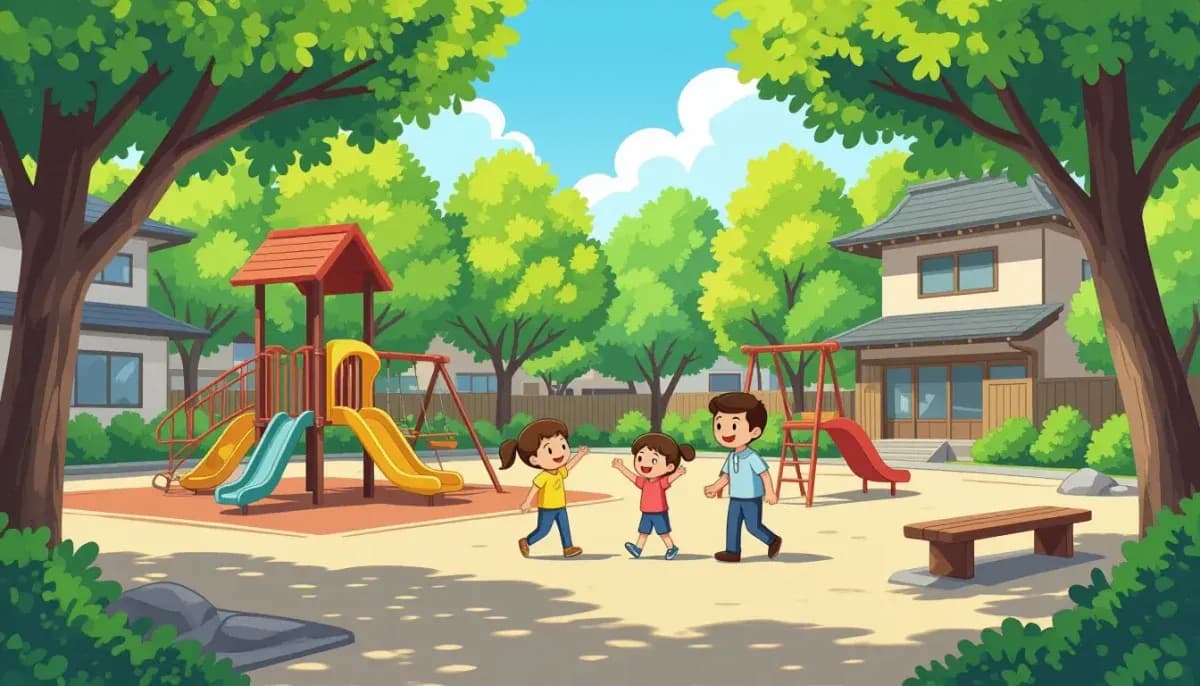
Discover the best family neighborhoods in Japan with parks and green spaces. From Setagaya's Todoroki Valley to Kichijoji's Inokashira Park, find your ideal green neighborhood in Tokyo and beyond.
Parks and Green Spaces: Family Neighborhood Factors in Japan
When choosing where to raise a family in Japan, access to parks and green spaces is one of the most important factors foreigners consider. Whether you're looking for a safe place for your children to play, a quiet escape from urban density, or simply a neighborhood that feels livable and breathable, Japan's approach to urban greenery can significantly shape your daily quality of life.
This guide explores how parks and green spaces factor into family neighborhood decisions in Japan — from Tokyo's leafy wards to Osaka's riverside parks — and helps you understand what to look for when evaluating a neighborhood for your family.
Why Green Space Matters for Families in Japan
Japan's urban density is legendary. Tokyo's 23 wards pack millions of residents into a compact footprint, and many families live in apartments with limited private outdoor space. This makes access to public parks and green areas not just a luxury, but a practical necessity for families with children.
Access to green space has been linked to children's physical health, mental well-being, and social development. In Japan's densely built urban environments, parks serve as the primary outdoor play zone for most children. They're where kids meet friends after school, where families gather on weekends, and where communities form bonds.
Japan's government recognizes this importance. Over the past two decades, Tokyo's urban parks have expanded significantly — from approximately 1,500 hectares in 2005 to over 2,063 hectares in 2023, encompassing 84 metropolitan parks and green spaces. Plans are already in place to expand this further to 2,168 hectares by 2030.
Nationally, Japan protects roughly one-seventh of its total land surface in national parks, which are visited by over one billion people each year. The country has long-held Healthy Cities policies that use green space as a tool for public health, community development, and quality of life improvement.
For families considering buying or renting property in Japan, choosing a neighborhood with good green space access can make a profound difference in daily life. For an overview of the property buying process, see our Complete Guide to Buying Property in Japan as a Foreigner.
Tokyo's Greenest Family Neighborhoods
Tokyo may be one of the world's most populous cities, but it also contains remarkable pockets of green. Knowing which wards and neighborhoods offer the best green access is essential for family home-seekers.
Setagaya Ward — Tokyo's Greenest Family Hub
Setagaya is consistently ranked as Tokyo's greenest ward, and it's a top choice for families with children. The ward features Todoroki Valley, the city's only natural valley, offering a rare experience of unspoiled, forested terrain within the city limits. Komazawa Olympic Park, built for the 1964 Tokyo Olympics, provides expansive lawns, cycling paths, sports facilities, and playgrounds all in one location.
Within Setagaya, the Futako-Tamagawa area stands out as particularly family-friendly — it's ranked the #1 most family-oriented neighborhood in the ward. Wide open green spaces, views of Mount Fuji on clear days, riverside parks along the Tama River, and a clean, safe atmosphere draw many young Japanese families and expat households alike.
Setagaya's residential streets are lined with trees, punctuated by frequent small playgrounds, and the ward maintains a strong community culture that many expat families find welcoming.
Kichijoji — Parks, Ponds, and Perfect Balance
Despite technically being part of Musashino City rather than Tokyo proper, Kichijoji is widely considered one of the most desirable living areas in the entire Tokyo metropolitan area. Its central attraction for families is Inokashira Park — one of Tokyo's most beloved green spaces — featuring a large pond, walking paths, a small zoo, and ample space for picnics and play.
Kichijoji offers excellent transport links (JR Chūō Line and Keio Inokashira Line), a lively shopping street, and quiet residential lanes just minutes from the park. It's a neighborhood that genuinely delivers on the promise of urban convenience combined with green living.
Yoyogi and Shibuya Area
Yoyogi Park is one of the most expansive parks in central Tokyo — covering over 130 acres and serving as the green lungs of the Shibuya area. The surrounding Yoyogi neighborhood is quieter than central Shibuya and popular with expat families who want easy access to both the park and international amenities. On weekends, the park fills with families, musicians, joggers, and community groups, making it a vibrant social space.
Azabu, Hiroo, and Minato Ward
For international families who prioritize English-friendly infrastructure, the Azabu-Hiroo corridor in Minato Ward is a classic choice. While not Tokyo's greenest ward by raw statistics, it features well-maintained parks, proximity to international schools, and a high concentration of embassies and expatriate services. The neighborhood's parks tend to be smaller but well-kept, and access to Shinjuku Gyoen National Garden and Hamarikyu Gardens is reasonable.
Beyond Tokyo: Green Family Areas in Other Cities
Tokyo gets most of the attention, but Japan's other major cities also offer excellent green neighborhood options for families.
Yokohama
Japan's second-largest city offers more space than Tokyo at generally lower cost. The areas around Honmoku Sancho Park are popular with expat families. Minato Mirai's waterfront promenade offers a different kind of green — open sky, harbor views, and manicured waterfront paths. Yokohama also has a notably international character, making it welcoming to non-Japanese residents. See our full guide to buying property in Yokohama and Kanagawa as a foreigner for area-specific details.
Osaka
Osaka's residential neighborhoods offer good green space options for families. Minoh (Mino), just north of Osaka, is essentially a gateway to a national park and is extremely popular with families who want nature access within city commuting distance. Hirano and Ikuno wards are more urban but offer affordable housing with access to parks and playgrounds.
Fukuoka
Fukuoka is often cited as Japan's most livable city for expatriates, partly due to its compact size, excellent parks (Ohori Park is a standout), and more relaxed pace of life. Families in Fukuoka benefit from a city that feels human-scaled, with green space woven throughout its neighborhoods. Read more about buying property in Fukuoka and Kyushu as a foreigner.
How to Evaluate a Neighborhood's Green Space Quality
Not all parks are created equal. When assessing a potential family neighborhood in Japan, here are the key factors to evaluate:
Proximity: The ideal is a small neighborhood park or playground within 5 minutes' walk for everyday play, and a major park within 15–20 minutes for weekend outings. Use Google Maps to measure walking distances before committing to a property.
Safety: Japanese parks are generally very safe, but lighting, visibility, and foot traffic matter. Avoid parks that feel isolated at dusk; well-used parks are inherently safer.
Facilities: Check for age-appropriate playground equipment, benches for parents, toilet facilities, and bike parking. Many Japanese parks are minimalist by design, but the best family-oriented parks have well-maintained play areas.
Noise and timing: Visit the park at different times of day. A park near a train line may feel noisy in peak hours. Walk through the neighborhood in the early morning and evening to understand its real rhythm.
Seasonality: Japan's parks shift dramatically with the seasons. Cherry blossoms in spring, fireworks festivals in summer, autumn foliage in fall, and quieter winter months all offer different experiences. Consider how the park will serve your family across all seasons.
Secondary green belts: Premium parks near major stations often command higher rents. Look for secondary green options — riverside paths, temple grounds, school greenery — in more affordable neighborhoods. Suginami Ward's riverside paths along the Kanda River, or Nerima's Hikarigaoka Park vicinity, offer good green access at lower cost than premium addresses.
For more on evaluating the right property and location, see our guide on types of properties available in Japan.
Tokyo's Green Space by the Numbers
| Ward / Area | Key Green Feature | Family Suitability | Relative Cost |
|---|---|---|---|
| Setagaya | Todoroki Valley, Komazawa Olympic Park | ★★★★★ | Medium-High |
| Kichijoji (Musashino) | Inokashira Park | ★★★★★ | High |
| Yoyogi / Shibuya | Yoyogi Park (130+ acres) | ★★★★☆ | High |
| Azabu / Hiroo (Minato) | Embassy-area parks, Shinjuku Gyoen nearby | ★★★★☆ | Very High |
| Nerima | Hikarigaoka Park | ★★★★☆ | Medium |
| Suginami | Kanda River paths | ★★★☆☆ | Medium |
| Edogawa | Multiple large parks | ★★★★☆ | Low-Medium |
| Denenchofu (Ota) | Quiet garden-style residential streets | ★★★★☆ | High |
Note: Costs are relative to Tokyo's overall rental/purchase market. Actual prices vary significantly by property type and exact location.
Japan's Pocket Park Culture: What Foreigners Need to Know
One underappreciated aspect of Japanese urban planning is the "pocket park" — small neighborhood green spaces tucked between buildings, along rivers, or within residential blocks. Tokyo alone has built 647 hectares of inner-city pocket parks as part of its urban greenery strategy.
These spaces may not appear on major maps, but they're often the most-used green areas for local families. A tiny park with two swings and a slide becomes the after-school gathering point for an entire neighborhood. When evaluating a neighborhood, walk the streets rather than relying only on map research — you'll often discover these hidden green gems.
Japan's pocket parks are typically well-maintained, even in dense urban areas. Local residents take pride in maintaining community spaces, and it's common to see elderly residents tending plants or sweeping the area around their neighborhood park. This community stewardship creates a safe, welcoming environment for families.
Resources for Finding Family-Friendly Green Neighborhoods
When researching neighborhoods, take advantage of Japan's official and community resources:
- Living in Nihon's guide to raising children in Japan covers the full context of family life for foreigners, including neighborhood considerations: Raising Children and Education in Japan
- For Work in Japan's family life guide offers practical insight into daily life in Japan for foreign families: Family Life in Japan for Foreigners
- Gaijin Buy House's living environment guide addresses the lifestyle and environmental factors that matter when buying property in Japan: Living in Japan: Lifestyle and Environment
- Tokyo Relocation Guide's greenest neighborhoods breakdown provides detailed, on-the-ground assessments of green access across Tokyo's wards: Greenest Neighborhoods in Tokyo
- Tokyo Portfolio's best neighborhoods for families ranks and reviews Tokyo's top family-friendly areas: Best Tokyo Neighborhoods for Families
Making the Right Choice for Your Family
Choosing a family-friendly neighborhood in Japan ultimately comes down to balancing green space access with practical factors: budget, commute time, proximity to international or bilingual schools, and the overall neighborhood character.
The good news is that Japan — particularly Tokyo — has invested heavily in urban green space over the past two decades. The city's commitment to expanding parks, supporting pocket park culture, and integrating green corridors into urban planning means that even dense neighborhoods often have more green access than they might appear to at first glance.
Start by identifying 2–3 neighborhoods that fit your budget and commute requirements, then visit them in person on a weekend morning. Watch how families use the local parks. Observe whether children play freely and whether parents gather comfortably. This ground-level view will tell you more than any map or statistics can.
For families planning to buy rather than rent, see our detailed guides on property taxes and annual costs in Japan and hidden costs and fees when buying property in Japan to ensure you have a complete financial picture before committing to a neighborhood.
Japan's green neighborhoods are among the most livable family environments in the world. With the right research and a clear sense of your priorities, you can find a home where your family will truly thrive.

Originally from Vietnam, living in Japan for 16+ years. Graduated from Nagoya University, with 11 years of professional experience at Japanese and international companies. Sharing information about buying property in Japan for foreigners.
View Profile →Related Articles
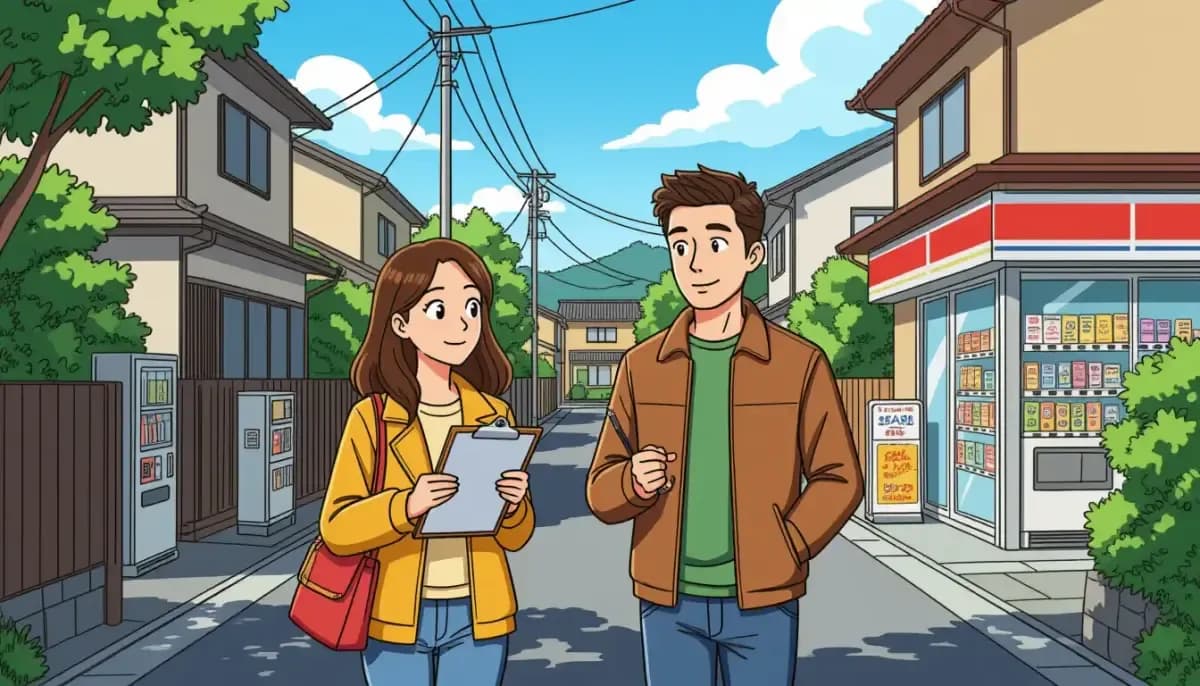
Neighborhood Visit Checklist Before Buying Property in Japan
Use this comprehensive neighborhood visit checklist before buying property in Japan. Covers safety, transport, noise, schools, and community quality for foreign buyers.
Read more →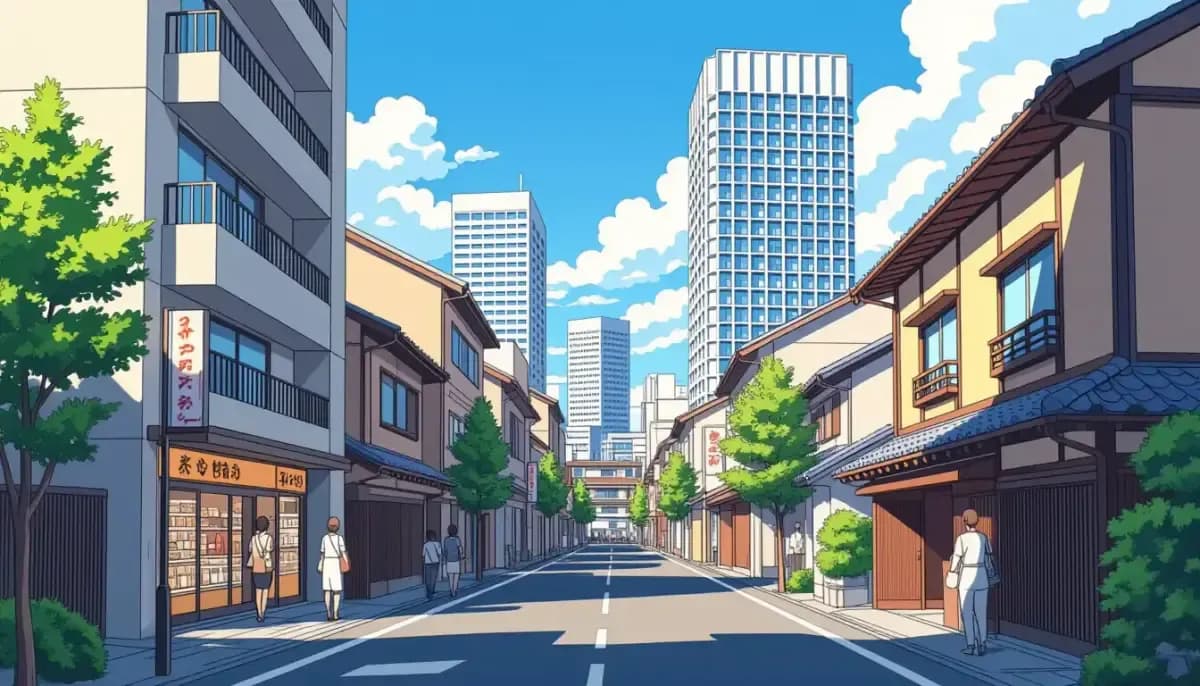
Future Development and Urban Planning in Japanese Neighborhoods
Understand Japan's urban planning system, major redevelopment projects, and compact city policies before buying property. Essential guide for foreign buyers navigating Japanese neighborhoods.
Read more →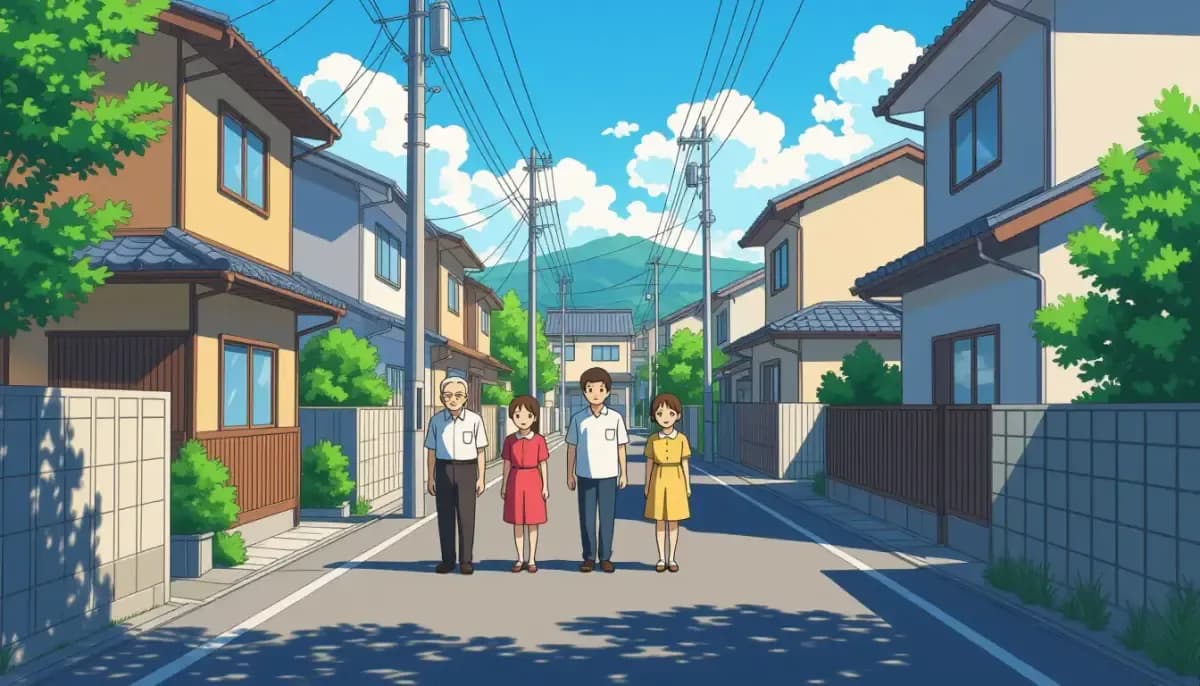
Understanding Neighborhood Demographics in Japan
Learn how neighborhood demographics affect property values in Japan. Discover foreign resident concentrations by ward, aging rural trends, and how to research demographics before buying.
Read more →
Japan Neighborhood Walkability and Livability Scoring Guide
Learn how to score and evaluate Japanese neighborhoods using walkability indexes, livability criteria, and expat-friendly tools. Compare cities, wards, and key factors before buying or renting in Japan.
Read more →
Best Expat Community Neighborhoods in Japan by City
Discover the best expat neighborhoods in Japan's major cities — Tokyo, Osaka, Fukuoka, Yokohama, Kyoto, and Kobe. Practical guide for foreign residents on where to live, costs, and community resources.
Read more →
Checking Flood and Earthquake Risk for Japan Neighborhoods
Learn how to check flood and earthquake risk for any Japan neighborhood using official hazard maps, J-SHIS, and real estate tools. Essential guide for foreign property buyers.
Read more →