
How School Districts Affect Property Values in Japan

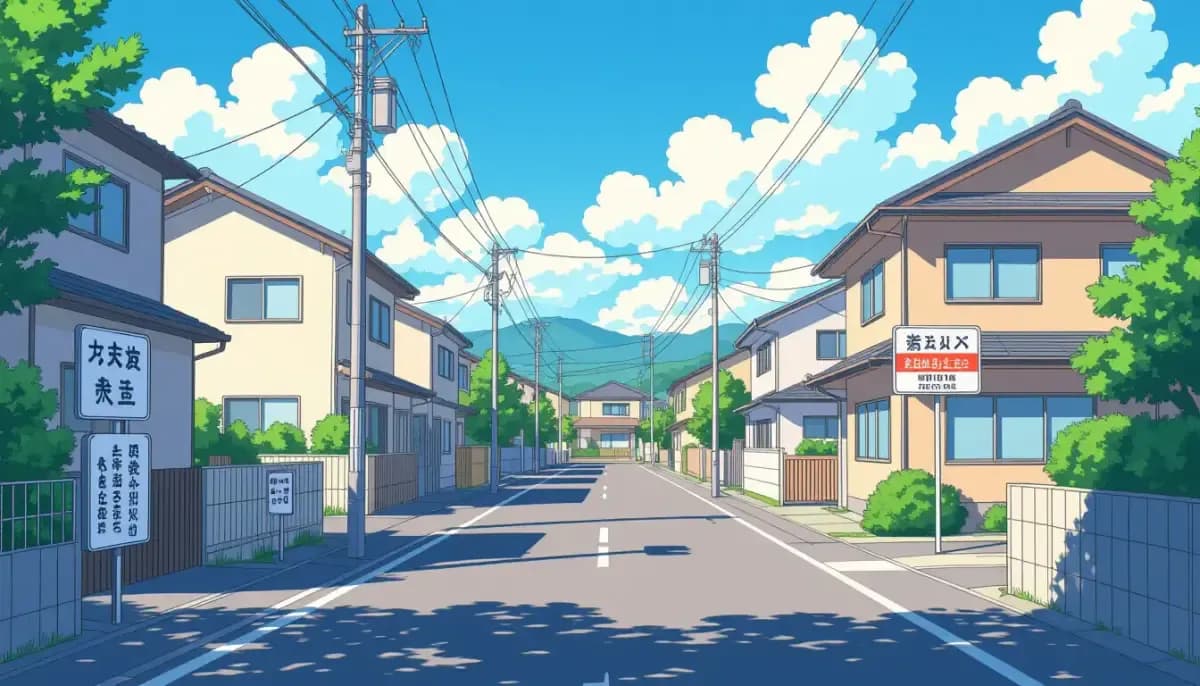
Learn how Japan's gakku (school district) system drives property prices in Tokyo and beyond. A complete guide for foreign buyers on school zones, price premiums, and how to research catchment areas before buying.
How School Districts Affect Property Values in Japan
If you are buying property in Japan as a foreigner and you have children — or plan to — the local school district (学区, gakku) will likely have a significant impact on which neighborhoods you consider and how much you pay. Japan's public school system is zone-based: the elementary school your child attends is determined by your home address, not by your choice. This simple fact creates concentrated demand around high-performing schools and directly inflates property prices in those catchment areas.
This guide explains how Japan's school district system works, which areas command the biggest premiums, what data says about price differences, and how to make the smartest property decision for your family.
How Japan's School District (Gakku) System Works
Japan's compulsory education runs from elementary school (ages 6–12) through junior high school (ages 12–15). For public schools at both levels, enrollment is determined by your registered home address — specifically, which gakku (school catchment zone) your address falls in. Move across a district boundary, even by one block, and your child attends an entirely different school.
This system has two major consequences for real estate:
- Families cannot game the system without moving. Unlike countries where private school options or open enrollment dilute zone effects, Japan's public school assignment is largely fixed.
- School reputation becomes permanently attached to geography. A school's academic culture, extracurricular programs, and advancement rates become a fixed attribute of every property in its zone.
Exceptions exist — families can sometimes petition the local Board of Education to attend a school outside their assigned zone — but approvals are limited and not guaranteed. The only reliable way to secure a seat at a desired school is to live within its zone.
For foreigners, the stakes are slightly different. International schools and private Japanese schools do not have catchment restrictions, so expat families who plan to use international education may feel less gakku pressure. However, for families leaning toward integrating into the Japanese public school system — whether for language immersion or cost reasons — the gakku decision is critical.
Which School Districts Command the Highest Property Premiums
Not all school districts are equal, and in Tokyo's 23 wards, the price gaps are dramatic. Research from real estate specialists confirms that properties in high-demand school zones consistently trade at elevated prices for both rentals and purchases. Here are the most sought-after areas:
Bunkyo-ku: The Academic Heartland
Bunkyo Ward hosts the University of Tokyo and has a long-standing reputation as Japan's most education-focused residential ward. Within Bunkyo, four elementary schools — Seishii, Kubomachi, Showa, and Sendagi — are collectively nicknamed "3S1K" and are among the most coveted in the country. Families specifically relocate to Bunkyo for access to these schools, and property prices within their zones reflect that persistent demand.
Minato-ku: Premium Lifestyle Meets Academic Quality
Minato Ward is home to embassies, luxury residences, and a concentration of international families. Schools such as Seinan, Shirokane, and Kogai Elementary are popular with both Japanese and foreign families. Property prices in Minato are among the highest in Tokyo even without the school premium, making the combined effect particularly steep.
Chuo-ku: Central Location with Strong Schools
Nihonbashi, Taimei, and Kyobashi Tsukiji Elementary Schools in Chuo Ward attract families who want central city access combined with academic quality. These zones also benefit from Chuo's excellent transit links.
Other High-Demand Wards
Chiyoda, Meguro, Shibuya, and Setagaya wards all have concentrations of popular school zones. Setagaya in particular is frequently cited as one of Tokyo's best wards for raising children, with abundant greenery, safety, and well-regarded neighborhood schools.
Property Price Comparison: School District Premium by Ward
The following table illustrates approximate price ranges for properties in high-demand school zones versus lower-demand zones in Tokyo, based on 2024–2025 market data.
| Ward | School Zone Type | Avg. Apartment Price (¥M) | Land Price per m² (¥) | School Premium Estimate |
|---|---|---|---|---|
| Bunkyo-ku | High-demand (3S1K) | 90–130 | 800,000–1,200,000 | 15–25% above ward avg. |
| Minato-ku | High-demand | 120–200 | 1,500,000–3,000,000 | 10–20% above ward avg. |
| Chuo-ku | High-demand | 80–130 | 900,000–1,500,000 | 10–20% above ward avg. |
| Setagaya-ku | Mixed | 60–100 | 500,000–800,000 | 5–15% above ward avg. |
| Outer wards (e.g. Adachi, Edogawa) | Lower demand | 30–60 | 200,000–400,000 | Minimal |
Note: Prices vary significantly by specific location within each ward and property type. These figures are illustrative and should be verified with a qualified real estate agent.
Tokyo's overall property market has surged dramatically: new apartment prices climbed from ¥67.3 million in 2015 to ¥111.8 million in 2024, a 66% increase. In 2025, commercial land in the 23 wards rose 11.8% on average, with Suginami Ward — known for family-friendly neighborhoods and good schools — rising 15.1%. School districts are not the sole driver, but they are a consistent amplifier of underlying price pressure.
What Makes a School District "Desirable" in Japan
Japanese families evaluate school quality through a set of criteria that differ somewhat from Western countries:
Advancement rates to competitive junior high schools — In Japan, a significant portion of academically ambitious families have their children sit entrance exams for private or national junior high schools at age 12. Elementary schools with high rates of graduates entering these selective schools are prized, because it signals a culture of academic seriousness among both students and parents.
English and global education programs — International curricula, English-speaking teachers, or school-endorsed English programs are increasingly valued as Japan's economy globalizes.
Programming and STEM emphasis — Japan's Ministry of Education has pushed STEM integration at the elementary level, and schools that have implemented strong programming curricula attract forward-thinking families.
Peer environment and parental engagement — Japanese real estate agents will often cite the quality of the school's PTA (parent-teacher association) and the socioeconomic profile of the surrounding neighborhood as proxy indicators for school quality.
Safety and commute — Elementary school children in Japan walk to school in groups (todan tsugaku). A shorter, safer walking route is a genuine quality-of-life factor that buyers weigh alongside academic reputation.
How to Research School Districts Before Buying
For foreigners unfamiliar with Japan's education landscape, researching school districts before buying requires deliberate effort. Here is a practical approach:
Step 1: Confirm the gakku boundaries for any property you are seriously considering. Each municipality publishes school zone maps (gakku ichiran). In Tokyo, ward offices maintain these online, though they can be in Japanese. A bilingual real estate agent can pull these for you.
Step 2: Visit the school and ask about international student support. Some popular schools in international-heavy wards have established support systems for non-Japanese-speaking children. Others do not. If Japanese language ability is a concern, this matters.
Step 3: Research advancement rates using public data. The Ministry of Education publishes national statistics. For more granular data on specific schools, Japanese education research firms and real estate blogs publish rankings — though these are typically in Japanese.
Step 4: Talk to residents in the neighborhood. Parent networks in family-oriented Tokyo wards are active online. Forums like Mamari and Kosodate Share have ward-specific threads where families discuss schools candidly.
Step 5: Work with a real estate agent who specializes in family buyers. Agents who work frequently with families — both Japanese and foreign — will know which specific blocks sit in which zones and can tell you which side of a street boundary you are on.
For a broader overview of buying property as a foreigner in Japan, see our Complete Guide to Buying Property in Japan. For Tokyo-specific guidance, read our Tokyo Buying Guide.
School Districts and Long-Term Property Investment
Even if you do not have children, school district quality is worth considering as an investment factor. Properties in strong school zones tend to:
- Hold value better during downturns — Demand from families creates a floor, reducing volatility.
- Attract a larger buyer pool upon resale — Both families and investors recognize school zone quality, broadening your eventual exit options.
- Generate stronger rental yields in family unit sizes — Two- and three-bedroom apartments in popular school zones attract family tenants willing to pay a premium and stay longer.
The flip side: buying into a premium school zone means paying a premium price. If the school's reputation declines — which can happen when a popular principal retires or a school undergoes boundary changes — the premium can erode. School zone boundaries also occasionally change, which can affect property values on the margin.
For investors primarily focused on yield rather than personal use, it may be worth reading our Japan Real Estate Market Overview and Property Taxes and Annual Costs guides to model full return scenarios.
Practical Tips for Foreigners Navigating the Gakku System
- Start your property search before school enrollment deadlines. If you are moving to Japan with children already of school age, timing matters. Japanese school enrollment periods have defined windows, and finding housing in the right zone takes time. Give yourself at least 3–6 months of runway.
- Verify the zone in writing. Real estate listings do not always specify the assigned school. Ask your agent to confirm in writing which elementary school the property falls under.
- Ask about zone exception procedures. If you find a property you love that is just outside your preferred zone, ask the local ward office about the petition process. Conditions vary by ward and school, but some do accommodate requests — particularly for siblings of existing students or children with special circumstances.
- Consider proximity to international schools as an alternative. If the Japanese public school system is not the right fit for your family, proximity to a reputable international school may be the location filter you need instead. This will point you toward different wards and price bands.
- Do not overpay for the school premium if you will leave within a few years. If your stay in Japan is assignment-based and time-limited, a school zone premium is a sunk cost you may not recover on resale within your timeline.
For additional resources on living in Japan as a foreigner, Living in Nihon offers practical guides on settling into Japanese life. If you are navigating work and relocation simultaneously, For Work in Japan covers the employment and visa side of your move. And for direct property purchase guidance tailored to non-Japanese buyers, Gaijin Buy House is a useful reference point.
For more analysis on how Tokyo real estate is priced and which wards offer the best value, see Plaza Homes' guide to popular public elementary schools and real estate and the Tokyo Real Estate Market 2025 overview at Japan-Property.jp.
Summary: Key Takeaways for Buyers
Japan's gakku system creates a direct, measurable link between school reputation and property prices. For families buying in Tokyo and other major cities, choosing the right school zone can mean significant differences in cost — and potentially significant returns if the zone remains desirable.
The most important steps are to confirm zone boundaries before making an offer, research school quality through Japanese-language resources or bilingual agents, and weigh the school premium against your family's actual educational plans. If your children are likely to attend a Japanese public elementary school, investing in a strong zone is one of the best tools you have for ensuring a positive educational experience while also protecting your property's long-term value.
For a complete walkthrough of the buying process, refer to our Step-by-Step Home Buying Process in Japan and our Hidden Costs and Fees guide to budget accurately from the start.

Originally from Vietnam, living in Japan for 16+ years. Graduated from Nagoya University, with 11 years of professional experience at Japanese and international companies. Sharing information about buying property in Japan for foreigners.
View Profile →Related Articles
Neighborhood Visit Checklist Before Buying Property in Japan
Use this comprehensive neighborhood visit checklist before buying property in Japan. Covers safety, transport, noise, schools, and community quality for foreign buyers.
Read more →
Future Development and Urban Planning in Japanese Neighborhoods
Understand Japan's urban planning system, major redevelopment projects, and compact city policies before buying property. Essential guide for foreign buyers navigating Japanese neighborhoods.
Read more →
Understanding Neighborhood Demographics in Japan
Learn how neighborhood demographics affect property values in Japan. Discover foreign resident concentrations by ward, aging rural trends, and how to research demographics before buying.
Read more →
Japan Neighborhood Walkability and Livability Scoring Guide
Learn how to score and evaluate Japanese neighborhoods using walkability indexes, livability criteria, and expat-friendly tools. Compare cities, wards, and key factors before buying or renting in Japan.
Read more →
Best Expat Community Neighborhoods in Japan by City
Discover the best expat neighborhoods in Japan's major cities — Tokyo, Osaka, Fukuoka, Yokohama, Kyoto, and Kobe. Practical guide for foreign residents on where to live, costs, and community resources.
Read more →
Checking Flood and Earthquake Risk for Japan Neighborhoods
Learn how to check flood and earthquake risk for any Japan neighborhood using official hazard maps, J-SHIS, and real estate tools. Essential guide for foreign property buyers.
Read more →