Home Renovation and Remodeling in Japan for Foreign Owners
Complete guide to home renovation and remodeling in Japan for foreign property owners. Covers costs, permits, contractors, government subsidies, akiya renovation tips, and more for 2025.
13 articles
Home Renovation and Remodeling in Japan for Foreign Owners
Owning property in Japan as a foreigner is an exciting milestone — but knowing how to renovate or remodel that property effectively is what transforms a house into a home. Whether you have purchased an akiya (vacant home), a pre-owned condo, or an older machiya townhouse, understanding Japan's renovation landscape is essential. This guide walks you through costs, permits, contractor selection, government subsidies, and everything else a foreign homeowner needs to know before starting a renovation project in Japan.
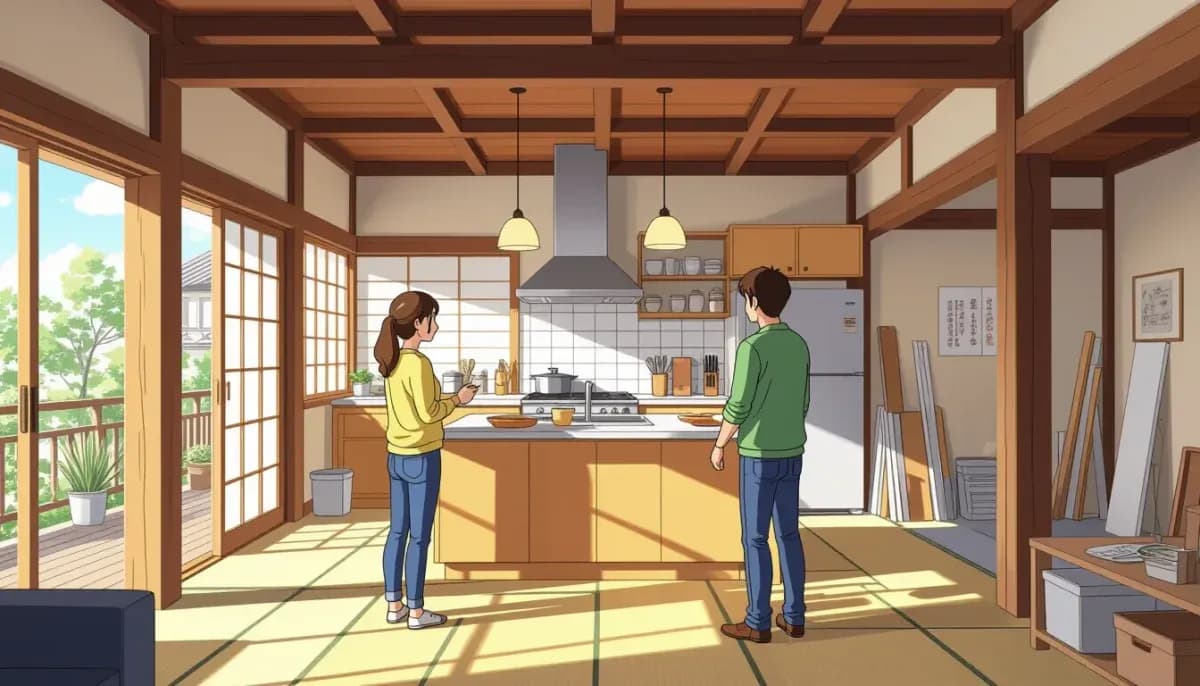
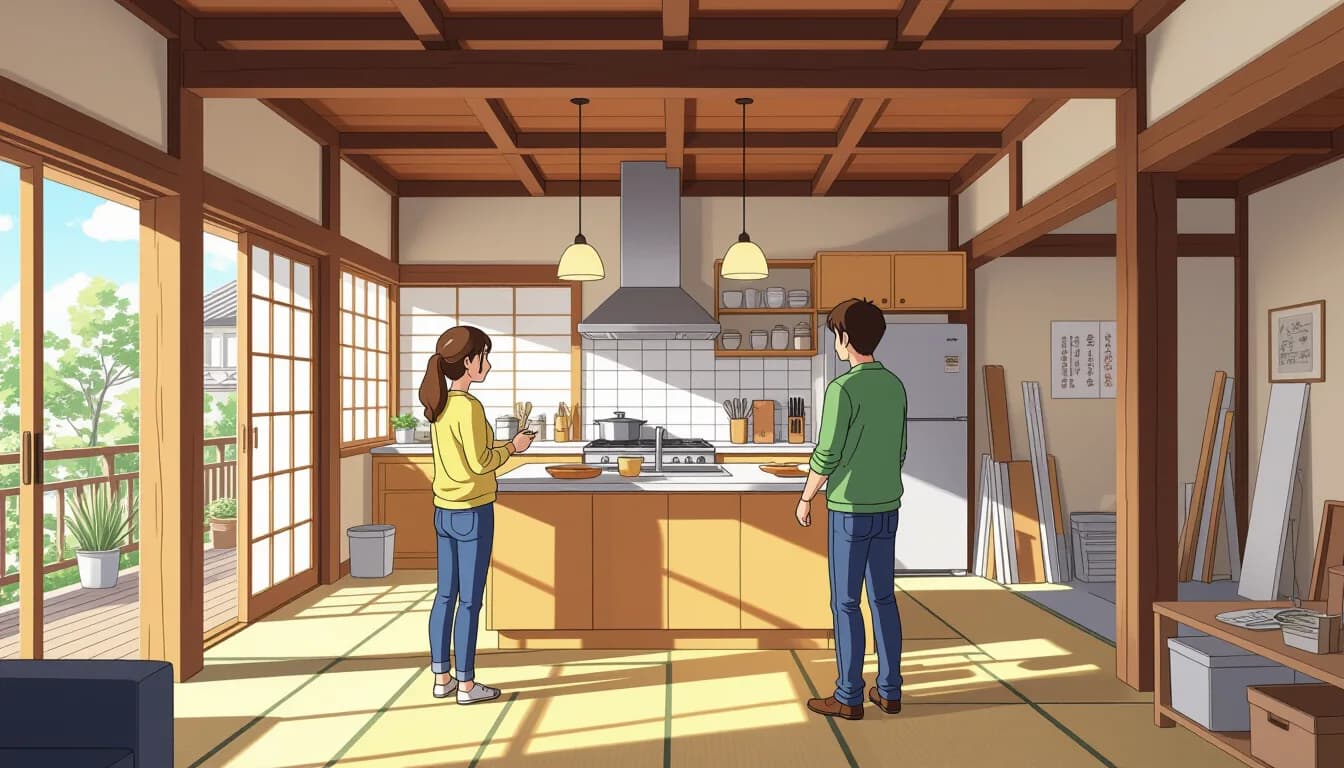
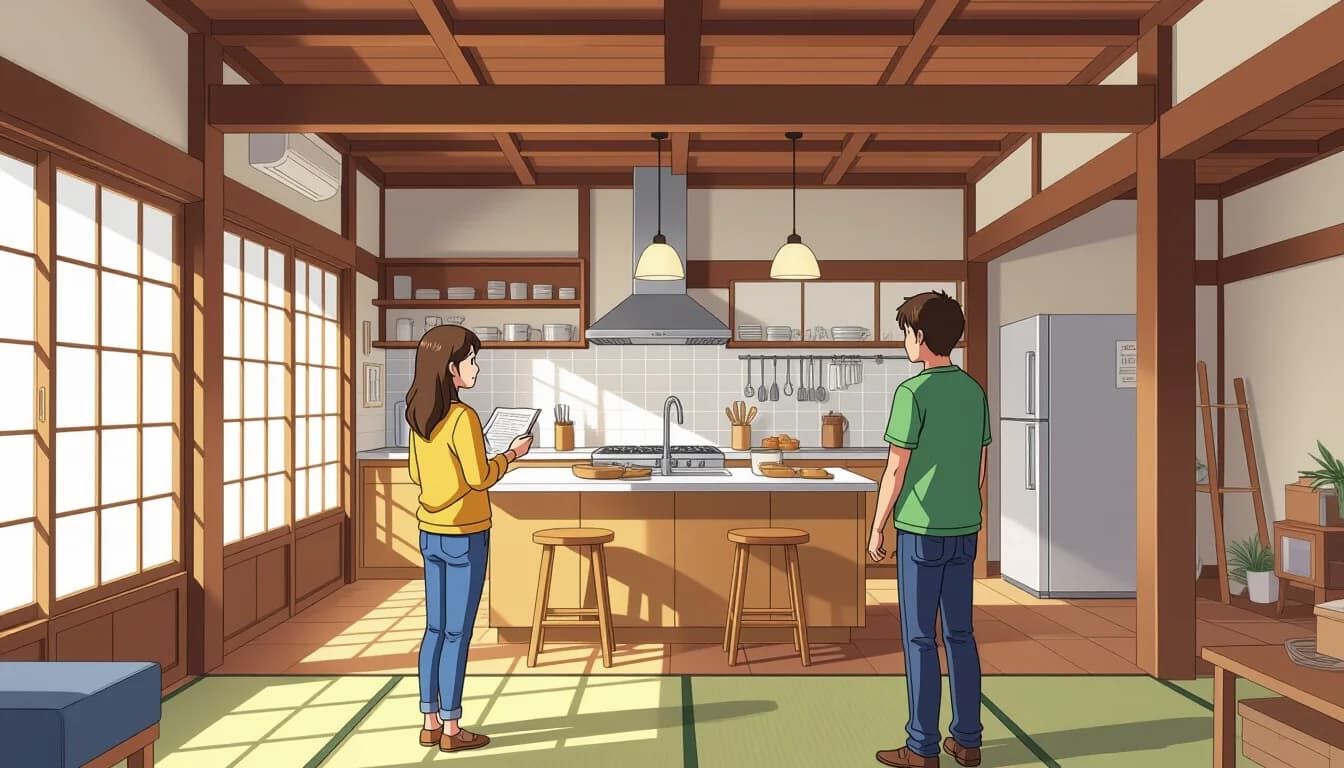
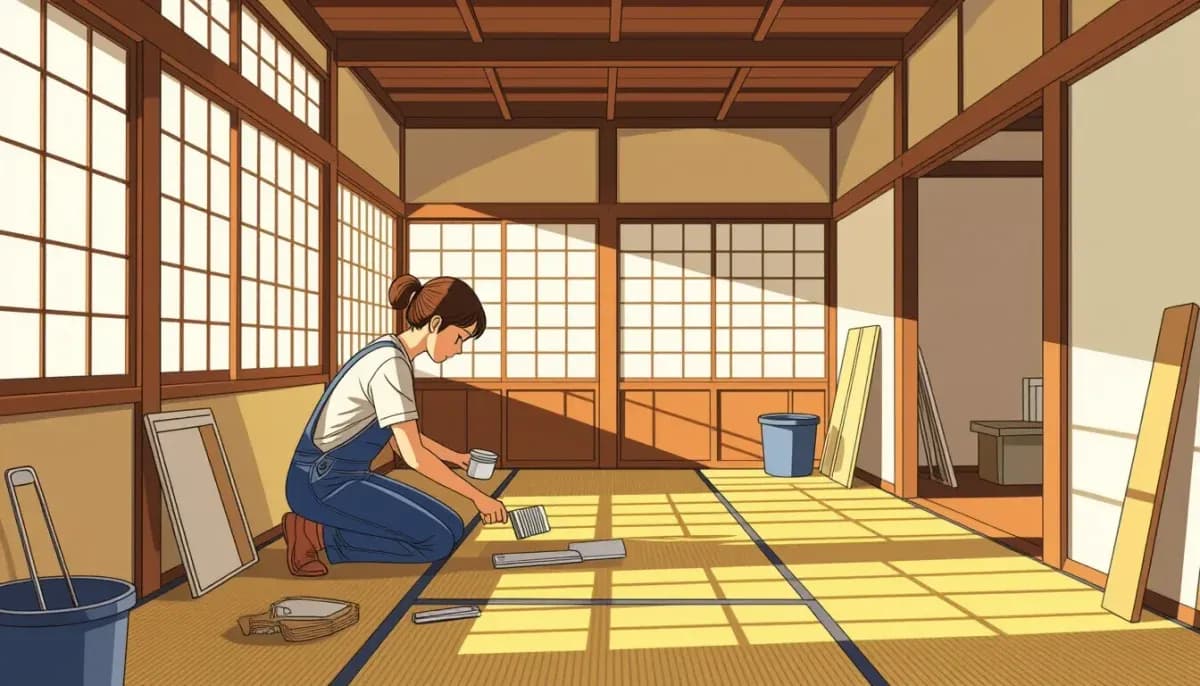
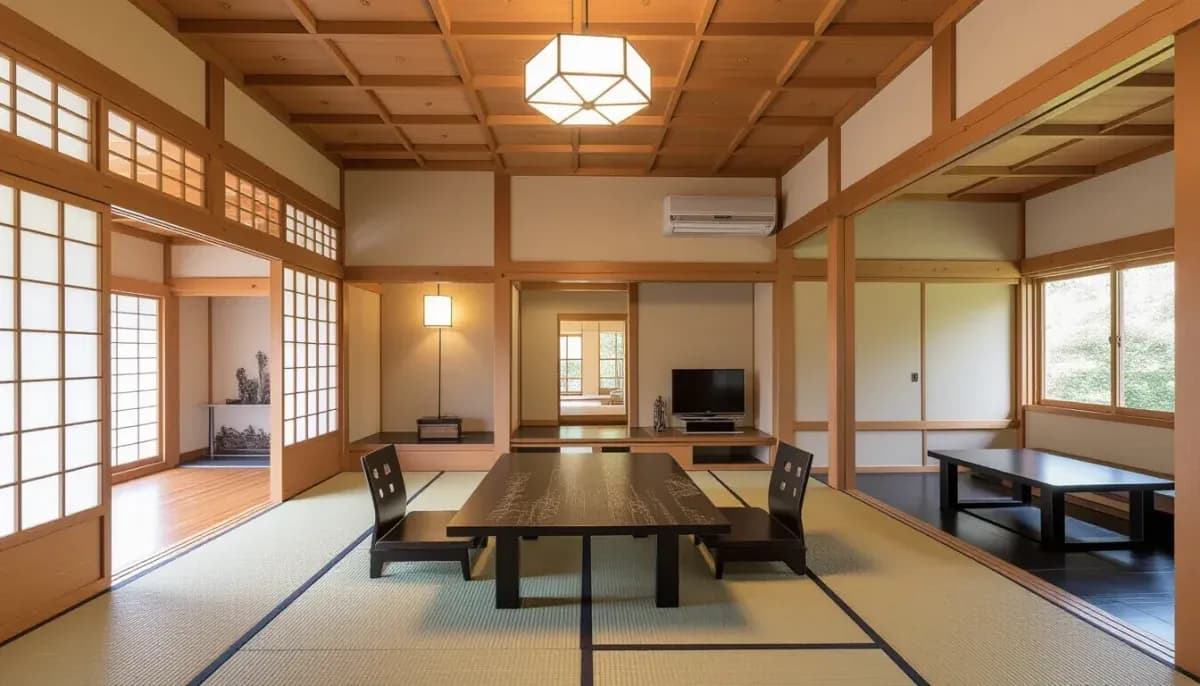
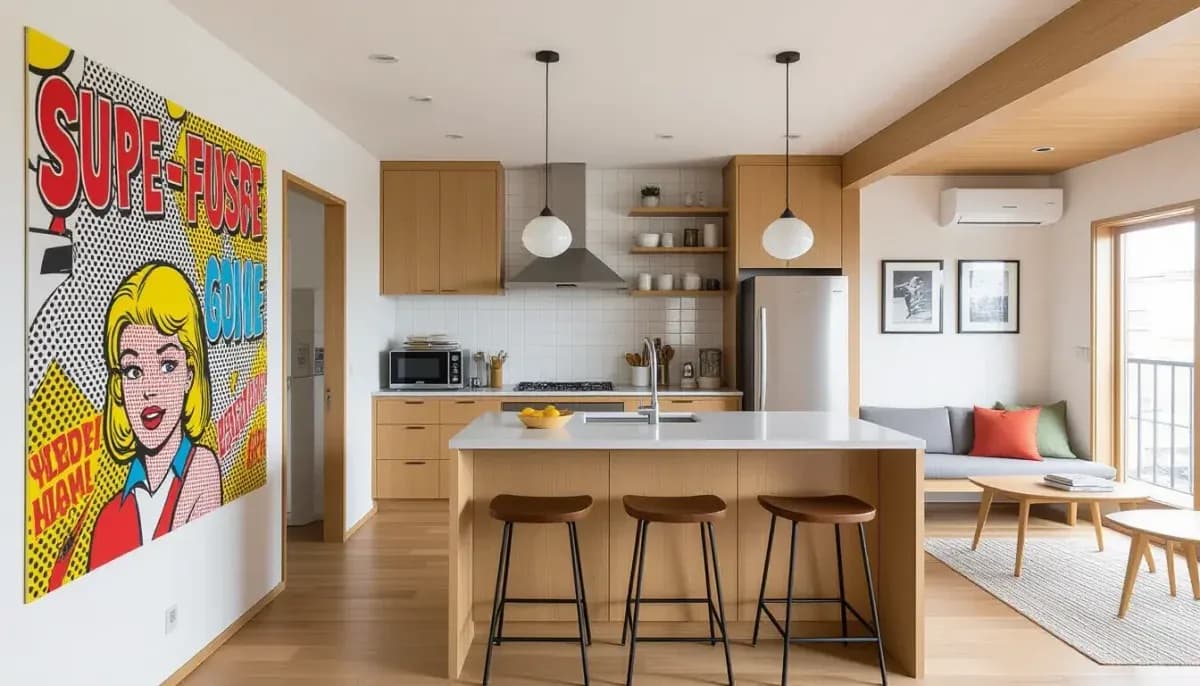
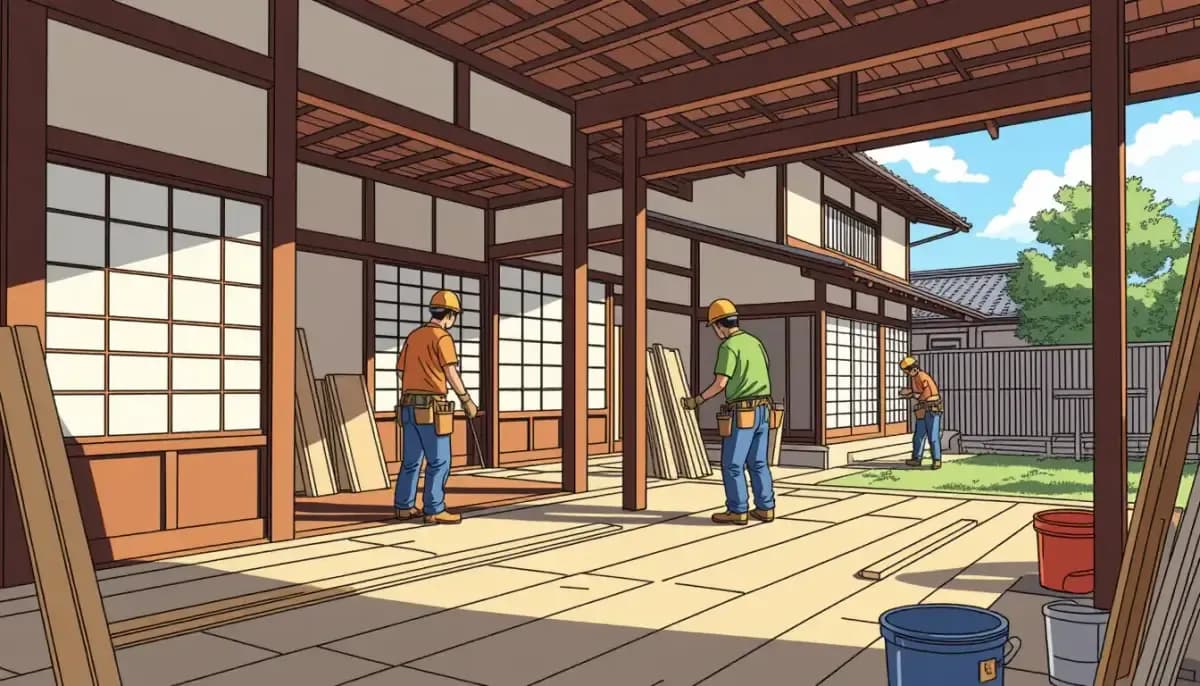
Japanese home renovation with traditional wooden interior and modern upgrades
Why Renovation is a Smart Move for Foreign Property Buyers
Japan's real estate market offers remarkable value in older properties. With approximately 9 million akiya (vacant homes) across the country — representing about 13.8% of all Japanese residential properties as of 2023, double the number from 1993 — there is no shortage of renovation opportunities at affordable prices.
Older homes (those built before 1981) often sell at steep discounts precisely because they need work. For foreign buyers, this creates a compelling opportunity: purchase a structurally sound property at a low price and invest in modernizing it to your taste and needs. Once renovated, these homes can serve as primary residences, vacation retreats, or rental properties generating income.
Renovation costs in Japan vary significantly depending on the scope of work, the property type, and the location. Here is a general breakdown to help you budget:
Renovation Type
Estimated Cost (JPY)
Estimated Cost (USD)
Minimal repairs (cosmetic fixes)
¥2,000,000 – ¥5,000,000
,000 – ,000
Mid-range renovation
¥6,000,000 – ¥12,000,000
,000 – ,000
Full/skeleton renovation
¥13,000,000 – ¥25,000,000
,000 – ,000
Seismic reinforcement only
¥250,000 – ¥2,000,000
,700 – ,000
Insulation improvements
¥200,000 – ¥1,200,000
,300 – ,000
Kitchen or bathroom remodel
¥500,000 – ¥3,000,000
,300 – ,000
A typical 2–3 bedroom home renovation runs between ¥6,000,000 and ¥10,000,000. For traditional farmhouses (kominka) or machiya townhouses, expect to pay more due to the specialized carpentry and preservation techniques required.
Important budgeting advice: Plan for 130–150% of your initial estimate. Cost overruns of 20–30% are common in Japanese renovation projects due to hidden structural issues, regulatory changes, or material price fluctuations. Always maintain a contingency fund.
Location also matters. Tokyo commands a 20–40% premium over Kansai prices, while rural areas offer lower labor rates — though higher material transport costs can offset some of those savings in remote locations.
Renovation Permits and Legal Requirements
One of the most common questions from foreign homeowners is: do I need a permit to renovate in Japan?
The short answer is: it depends on what you are doing.
Permits are generally NOT required for:
Interior cosmetic work (painting, flooring, wallpaper)
Kitchen and bathroom fixture replacements
Window replacements of the same size
Non-structural partition changes
Permits ARE required for:
Structural modifications (removing or adding load-bearing walls)
Expanding the floor area
Changing the property's use (e.g., converting a residence to a guesthouse or café)
Septic system modifications
Building additions
The relevant permit is called a 建築確認申請 (kenchiku kakunin shinsei) — a Building Confirmation Application. As of April 2025 under the updated building code, the statutory review period has been extended from 7 days to 35 days, so factor this into your project timeline.
Working with a licensed architect (建築士, kenchikushi) is strongly recommended for any permit-required work. They can navigate the bureaucratic process and ensure your plans meet all building code requirements.
Finding and Hiring Contractors in Japan as a Foreigner
Finding a reliable contractor is one of the biggest challenges for foreign homeowners in Japan. The language barrier, different business customs, and unfamiliarity with local construction practices can complicate the process. Here are practical strategies:
Finding contractors:
Ask your real estate agent for referrals — they often have trusted renovation partners
Use online platforms like Houzz Japan, Suumo Reform, or Nifty Reform
Contact your local city office (市役所) for lists of approved renovation contractors
Reach out to expat communities and Facebook groups for personal recommendations
Look for contractors who advertise English-language services (increasingly common in major cities)
Types of contractors:
General contractors (ゼネコン): Handle all aspects of renovation end-to-end, convenient but more expensive
Daiku (大工): Traditional master carpenters who self-manage subcontractors; can save 20–40% but requires more involvement from you
Specialty firms: Kitchen, bathroom, or structural specialists who focus on specific renovation types
Vetting contractors: Always verify that your contractor holds proper licensing. For structural work, require proof of a Construction Business Permit (建設業許可). Get at least three quotes, ask for references from recent projects, and visit completed renovations if possible.
Japan's government — both at the national and local levels — offers a range of subsidies to encourage renovation of older homes. Foreign owners can apply for these subsidies, though some programs require long-term residency status.
National subsidy programs include:
Home Energy Conservation Campaign (省エネ住宅リフォーム支援): Supports energy-efficient renovation, with grants typically covering 30–50% of eligible project costs, up to ¥500,000–¥1,000,000
Seismic Reinforcement Subsidies (耐震改修助成): For homes built before the 1981 building code revision, many municipalities cover 10–80% of reinforcement costs
Akiya Renovation Grants: Some municipal akiya programs include grants up to ¥2,000,000 covering both purchase assistance and renovation
Best regions for renovation subsidies in 2025:
Nagano Prefecture
Hokkaido
Kyoto Prefecture
Fukuoka Prefecture
To find subsidies available in your area, contact your local municipal office (市区町村役場) or check the Ministry of Land, Infrastructure, Transport and Tourism (MLIT) website. The subsidy landscape changes annually, so always verify current programs.
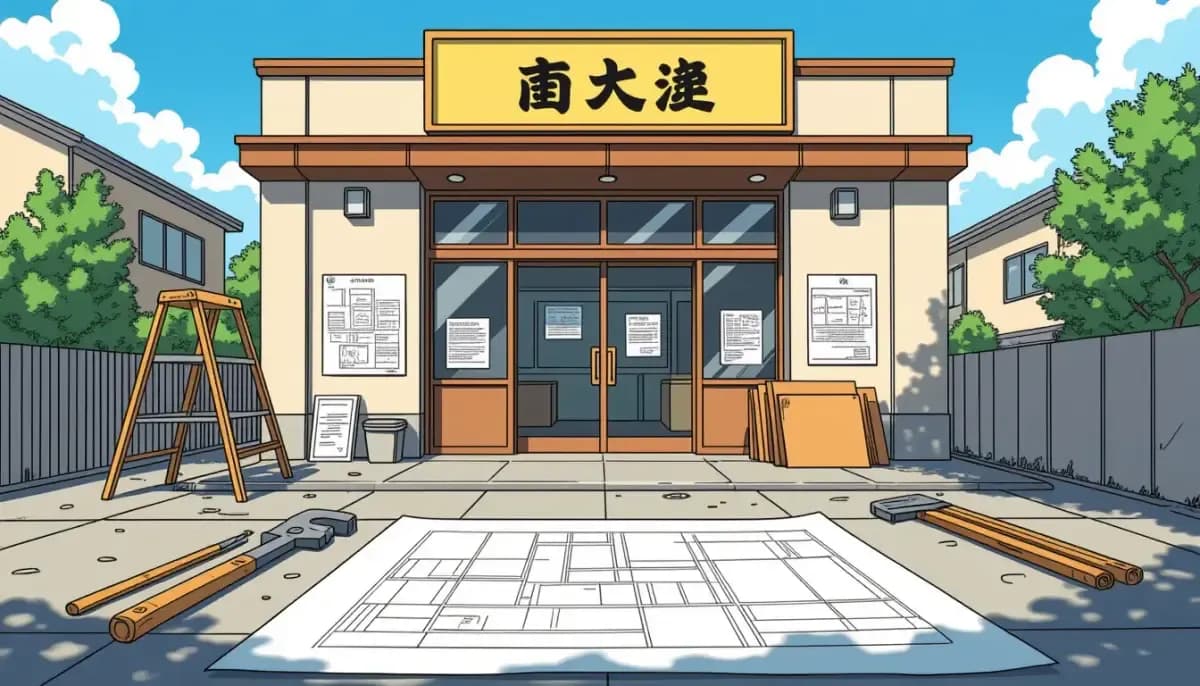
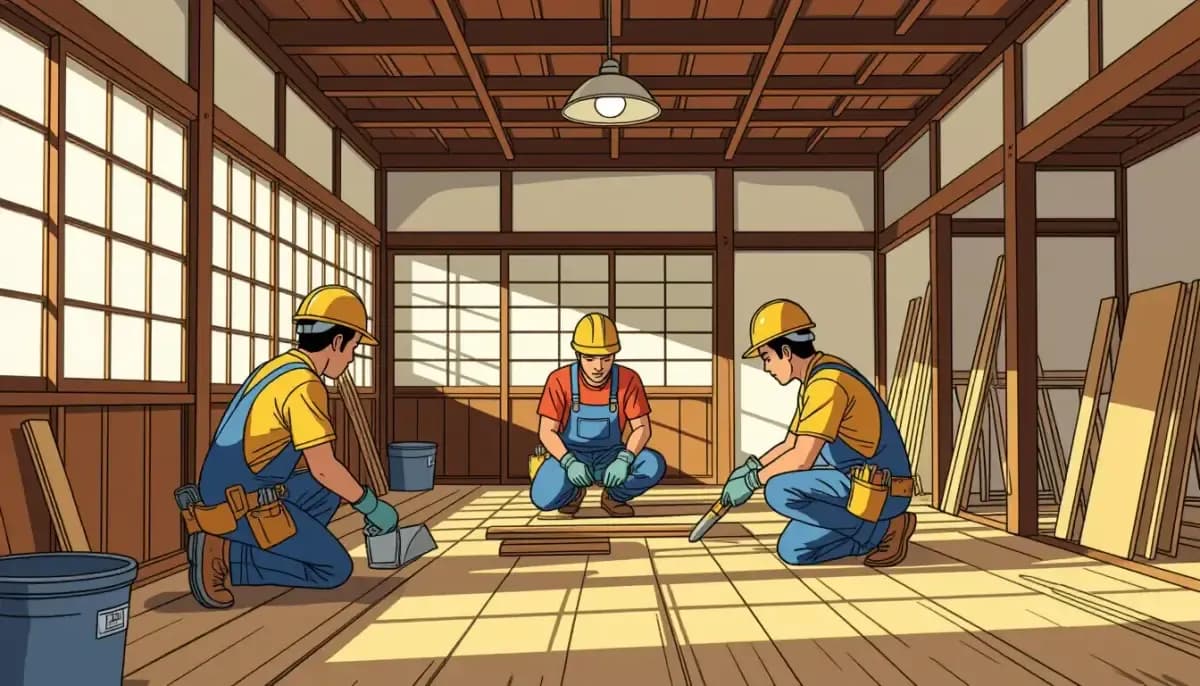
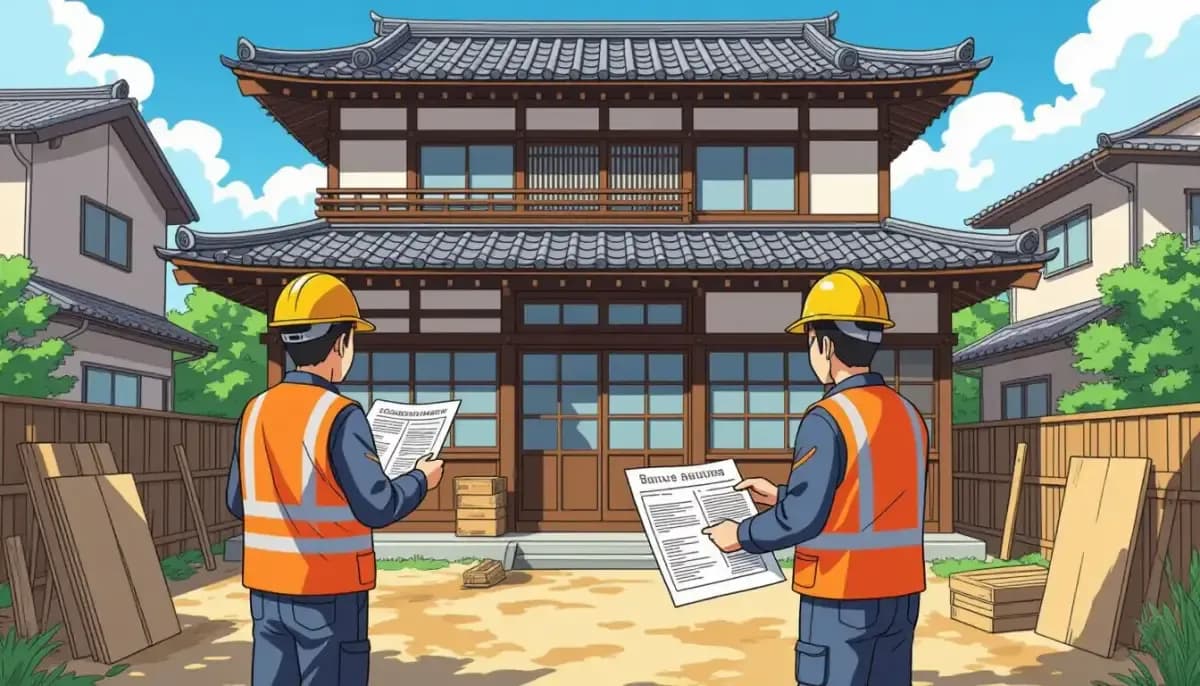
Japanese renovation contractor reviewing blueprints with homeowner
Practical Tips for Managing Your Renovation Project
Managing a renovation in Japan requires careful planning, especially if you do not speak Japanese fluently. Here are practical strategies to keep your project on track:
Before you start:
Hire a bilingual architect or project manager if your budget allows — this is the single best investment you can make
Get everything in writing (contracts, scope of work, payment schedule) — do not rely on verbal agreements
Conduct a thorough professional inspection before purchase to identify hidden issues (mold, structural damage, termite infestation, asbestos in older buildings)
Check whether the property is designated as a non-rebuildable (再建築不可) lot — renovation may be possible, but demolition and rebuilding is not
During construction:
Visit the worksite regularly (weekly if possible) to monitor progress
Document everything with photos before, during, and after
Understand that Japanese contractors often work methodically and may not rush even when behind schedule
Cost-saving strategies:
Purchase materials yourself from hardware chains like Komeri (コメリ), Cainz (カインズ), or Kohnan (コーナン)
Install prefabricated kitchen and bathroom units (システムキッチン / ユニットバス) — these are highly cost-effective
Prioritize structural, plumbing, electrical, and insulation work over cosmetic upgrades
Do cosmetic DIY work yourself (painting, light landscaping) where legally permitted
Phase your renovation over time rather than attempting everything simultaneously
Vacant homes (akiya) deserve special mention as they represent the largest renovation opportunity for foreign buyers in Japan. With over 9 million akiya nationwide, prices are often extremely low — sometimes nearly free in rural areas — though renovation costs can be substantial.
Before purchasing an akiya:
Always commission a professional structural inspection — akiya often have hidden damage from years of neglect
Check for mold, termite damage, and roof leaks
Verify the property's seismic compliance status
Confirm water, gas, and electrical connections are still active or budget for reconnection costs
Akiya-specific cost factors:
Remote location premium: Rural akiya may have lower purchase prices but higher material delivery costs and scarce local contractors
Traditional construction materials: Kominka farmhouses require specialized craftspeople skilled in traditional Japanese woodworking
Asbestos removal: Homes built before 1990 may contain asbestos insulation or roof materials — required removal adds significant cost
For comprehensive renovation cost breakdowns including real 2025 data, Old Houses Japan is an excellent resource from specialists who focus specifically on akiya acquisition and renovation.
For guidance on the broader housing landscape for expats in Japan, Living in Nihon covers practical aspects of everyday life and housing for foreigners.
Renovation vs. Rebuilding: Which is Right for You?
Some properties may be in such poor condition that renovation and rebuilding are both viable options. Here is how to think about the decision:
Renovation makes sense when:
The structure is fundamentally sound
You value the property's character or traditional elements
The lot is designated non-rebuildable (再建築不可)
You want to qualify for akiya renovation subsidies
Speed is important (renovation is typically faster than new construction)
Rebuilding makes sense when:
The structure has severe damage that would cost more to repair than to replace
The property is on a regularly-shaped lot that meets building code requirements
You want a fully modern home with contemporary insulation and systems
New construction mortgage financing is available and preferred
Be aware that in Japan, new construction mortgages (住宅ローン) are generally easier to obtain than renovation loans, though renovation loan options have improved in recent years. See our guide on Mortgages and Home Loans for Foreigners in Japan for details.
Key Takeaways for Foreign Homeowners
Renovating property in Japan as a foreigner is entirely feasible — you have the same legal rights as Japanese citizens to purchase, renovate, and improve property. The key is planning carefully, understanding the regulatory environment, and working with trusted professionals.
Here is a quick summary of what to remember:
Budget conservatively and add a 30% contingency fund
Hire a bilingual architect or project manager for complex projects
Most interior work does not require permits; structural and commercial-use changes do
Government subsidies are available and foreigners can often qualify
Akiya offer incredible value but require thorough pre-purchase inspections
Hardware chains like Komeri and Cainz are your friends for cost-effective materials
With the right preparation and professional support, your renovation project can transform an aging Japanese property into a comfortable, modern home that preserves the best of Japan's architectural heritage while meeting your contemporary needs.