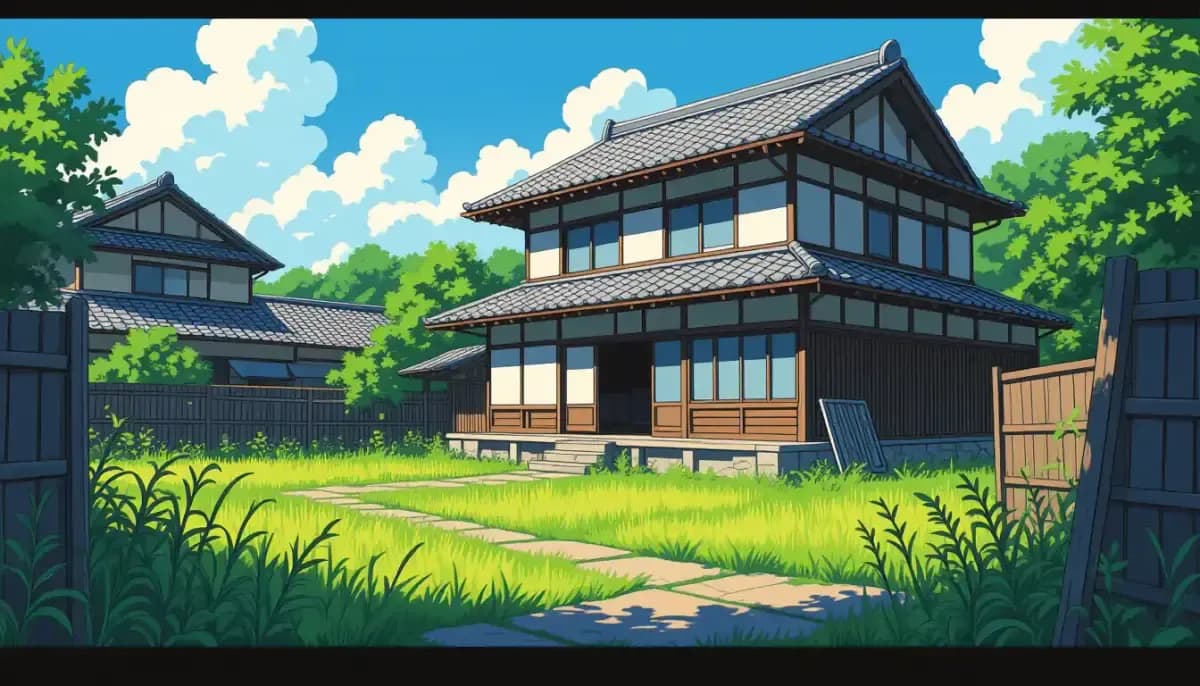
Akiya (Vacant and Abandoned Houses) in Japan for Foreign Buyers
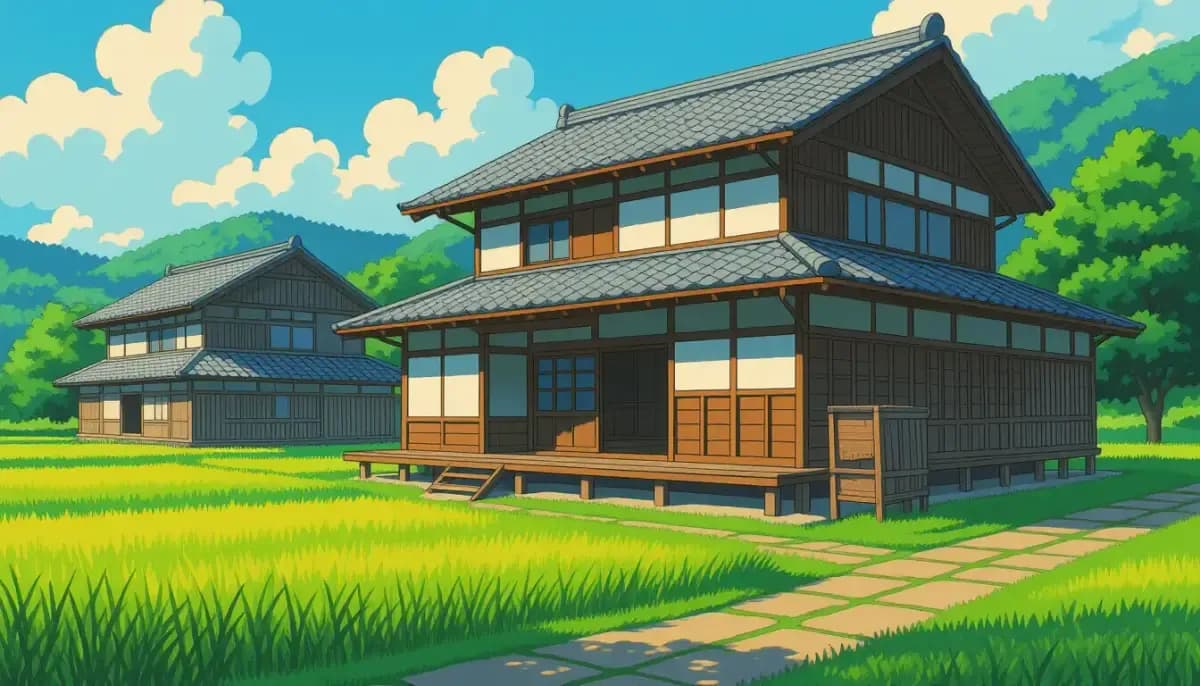
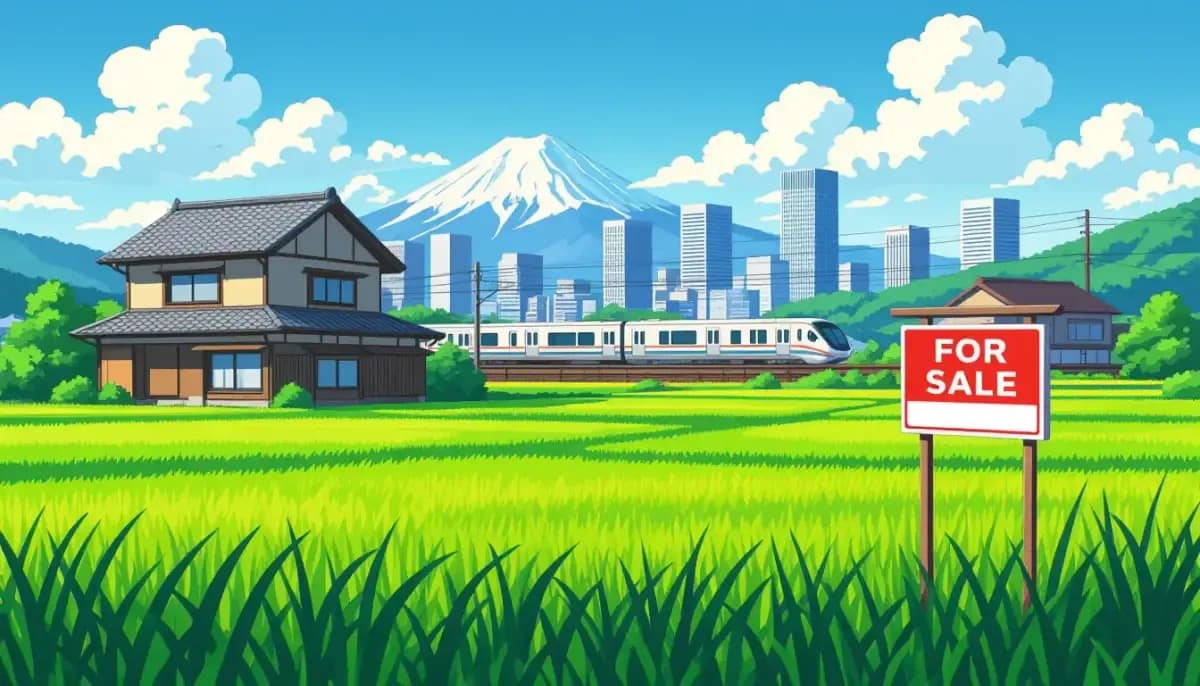
Japan is sitting on an extraordinary real estate paradox: while property prices in major cities like Tokyo and Osaka continue to climb, millions of rural homes stand completely empty — some available for prices that seem impossibly low. These properties, known as akiya (空き家, literally "empty house"), represent one of the most unusual and talked-about real estate opportunities for foreigners considering a life in Japan.
As of October 2023, Japan had over 9.3 million vacant dwellings — roughly 14% of all residential properties in the country. That number is projected to grow dramatically, with Nomura Research Institute forecasting that nearly 30% of all Japanese homes could be vacant by 2033. For foreigners dreaming of a quiet countryside life, a renovation project, or a low-cost entry into Japanese real estate, akiya offer genuine possibilities — but they also come with complexities that every buyer must understand before signing anything.
This comprehensive guide explains what akiya are, why so many exist, how to find them, what the purchase process looks like for foreigners, and the real costs and risks involved.
What Are Akiya and Why Does Japan Have So Many?
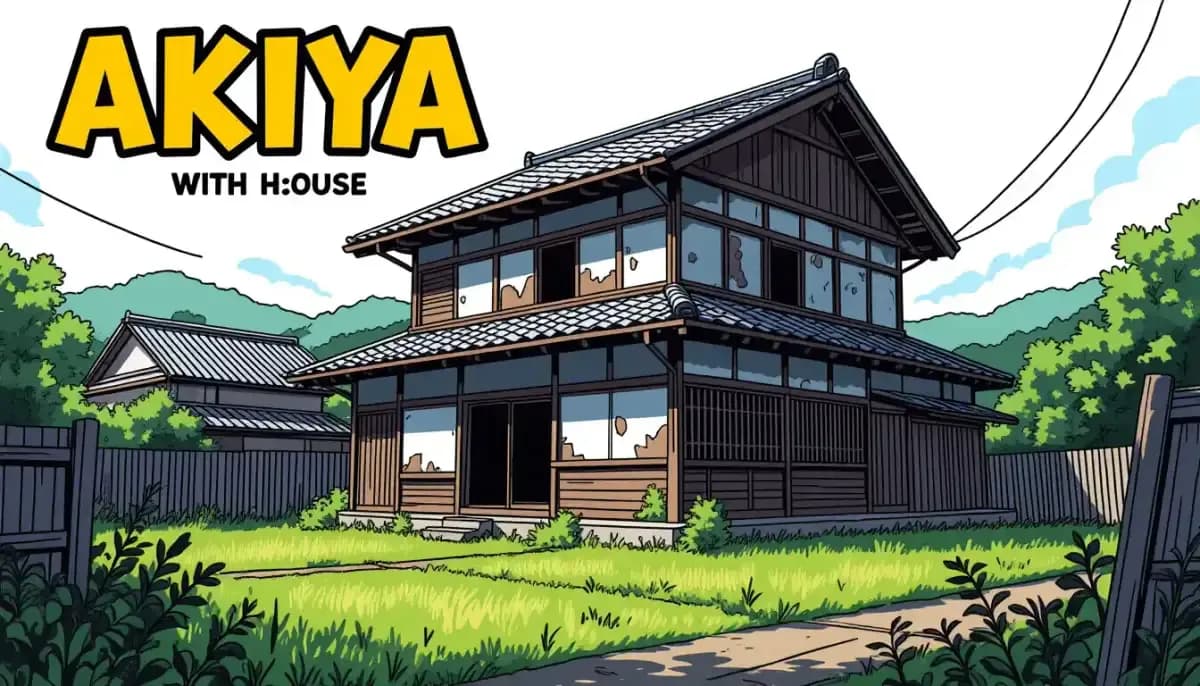
The word akiya (空き家) simply means "vacant house" or "empty house" in Japanese. It refers broadly to any residential property that is unoccupied, but in practice the term has come to describe the wave of abandoned rural homes that have become a defining feature of Japan's demographic crisis.
Japan's akiya crisis has several interlinked causes:
Demographic decline and urbanization. Japan's population has been shrinking since 2008. Young people have consistently migrated to major cities for work and education, leaving rural towns with aging populations. When elderly residents die, their children — already settled in urban areas — often inherit properties they have no intention of using or moving into.
Inheritance patterns and legal complexity. Approximately 59% of akiya are inherited properties. Japanese inheritance law can result in properties being co-owned by multiple family members spread across the country. If even one co-owner objects, the property cannot be sold or demolished, so it simply sits empty for years or decades.
Tax disincentives to demolition. Japan's tax code historically taxed vacant land at a much higher rate than land with a building on it. This meant that demolishing an old house would actually increase your annual tax bill — creating a perverse incentive to leave crumbling structures standing rather than clearing the land.
The 2015 Vacant House Special Measures Law partially addressed this by allowing municipalities to strip tax benefits from properties deemed "specifically managed vacant houses" that pose safety or environmental hazards. Mayors can now compel repairs, require demolition, or designate properties for forced sale. But enforcement has been slow.
The result is a landscape — particularly in rural prefectures — dotted with deteriorating homes, some owned by people who don't know they own them, some by families with no clear agreement on what to do. Prefectures like Wakayama and Tokushima have vacancy rates exceeding 21%.
Can Foreigners Buy Akiya in Japan?
Yes — and this is one of the most commonly misunderstood aspects of Japanese real estate. Japan imposes no legal restrictions on foreign nationals purchasing property, including akiya. You do not need permanent residency, a specific visa type, or Japanese citizenship to buy a house in Japan. Even holders of a tourist visa can technically complete a property purchase.
That said, there are important practical considerations:
Residency status affects financing options. While any foreigner can buy property outright, obtaining a Japanese mortgage without permanent residency (永住権) is extremely difficult. Most Japanese banks require PR status, a stable employment history in Japan, and often a Japanese co-borrower. For non-residents purchasing akiya, cash purchases via international wire transfer are the norm.
Non-residents need a tax representative. If you do not reside in Japan and own property there, you are legally required to appoint a zeirishi (税理士, certified tax accountant) or other designated representative inside Japan to handle your tax filings and obligations on your behalf.
As of April 2025, new restrictions apply to agricultural land. Foreigners are now subject to tighter regulations when acquiring farmland specifically. If an akiya comes with attached farmland, legal advice from a Japanese attorney is essential.
For more on the legal framework for foreigners buying property in Japan, see our Complete Guide to Buying Property in Japan as a Foreigner and Can Foreigners Buy Property in Japan? Legal Rights Explained.
How to Find Akiya: Akiya Banks and Other Resources
The primary tool for finding akiya is the akiya bank (空き家バンク). Despite the name, these are not financial institutions — they are municipal government-run online databases that list vacant properties available for sale or rent within a given city, town, or village. The goal is community revitalization: local governments want people moving in and restoring properties, not more vacant homes.
National and Prefectural Akiya Bank Platforms
| Platform | Type | Notes |
|---|
| LIFULL HOME'S Akiya Bank | Private aggregator | Largest private platform, covers many municipalities |
| At Home Akiya Bank | Private aggregator | Strong regional coverage |
| Jūtaku Support Center (住宅支援センター) | Government-linked | Varies by prefecture |
| Municipal websites | Individual city/town | Direct source, often most up-to-date |
| AkiyaBanks.com | English-friendly private | Curated for foreign buyers |
Individual municipalities maintain their own akiya bank listings, and the quality and completeness vary enormously. Some cities have beautifully organized English-accessible databases; others list properties only in Japanese with minimal photos. Resources like Akiya Banks in Japan: Links by Prefecture from realestate.co.jp provide helpful prefecture-by-prefecture indexes.
Other Ways to Find Akiya
- Private real estate agencies (不動産会社) in rural areas often know of unlisted akiya and can facilitate introductions with owners.
- Word of mouth and community networks — many of the best akiya deals never appear on any database and are arranged through local introductions.
- Specialist platforms like AkiyaHub, Akiya Sumica, and Akiya Japan cater specifically to the international buyer market.
Because many rural properties change hands through personal relationships rather than formal listings, building connections in the target community — attending local events, reaching out to the town office — can open doors that no database will.
The Real Cost of an Akiya: Purchase Price vs. Total Investment
Akiya are famous for low purchase prices, but the true cost of ownership is almost always significantly higher than the sticker price suggests. Understanding the full financial picture before making any offer is critical.
Purchase Price
In rural areas, akiya purchase prices commonly range from ¥500,000 to ¥5,000,000 (roughly USD 3,000–35,000 at current exchange rates). Some listings appear at ¥1 or even ¥0 — the owner simply wants someone to take responsibility for the property and the costs associated with it.
In semi-rural areas within commuting distance of regional cities, prices typically range from ¥3,000,000 to ¥15,000,000 or more. In popular tourist areas (parts of Kyoto prefecture, coastal Kamakura, Atami), even akiya can command ¥20,000,000+.
Renovation Costs
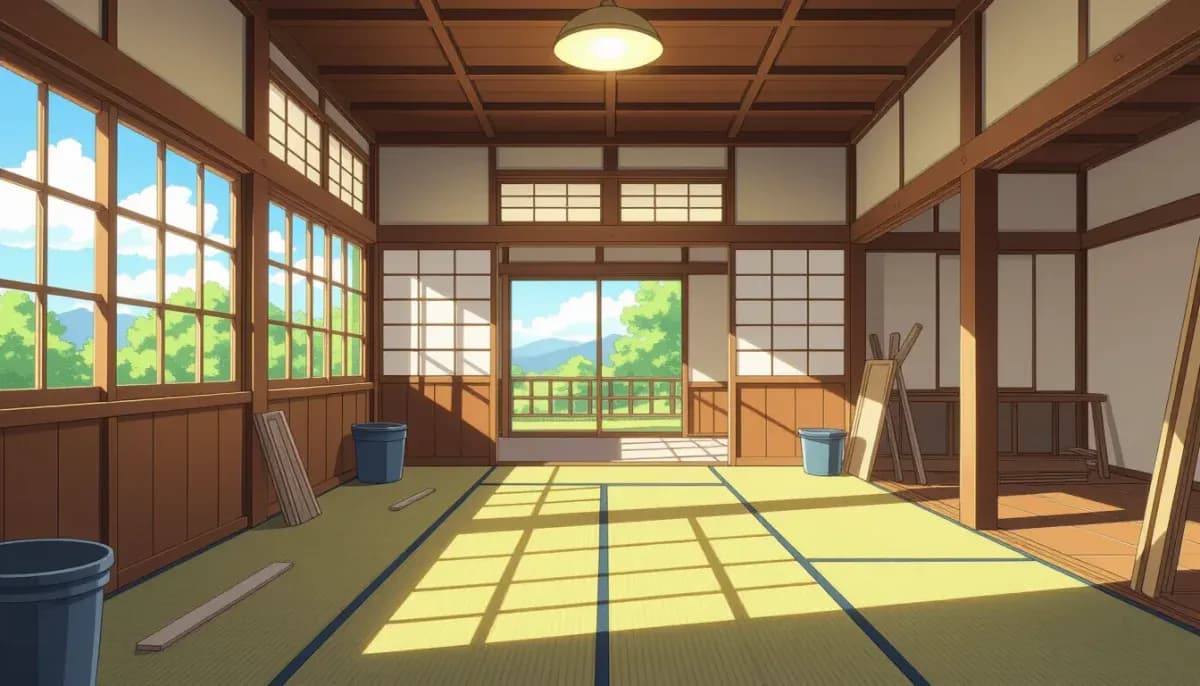
This is where most akiya buyers underestimate their budget. Many vacant properties have been empty for 10–30 years. Issues commonly found include:
- Structural damage from settling, earthquake activity, or moisture infiltration
- Roof and weatherproofing failures leading to interior water damage
- Outdated electrical systems that do not meet modern safety standards
- Old-style septic systems (浄化槽) requiring replacement or upgrade
- Asbestos and other hazardous materials in older homes (pre-1986 construction)
Renovation cost estimates from experienced professionals:
| Renovation Scope | Estimated Cost |
|---|
| Minor cosmetic repairs | ¥500,000 – ¥1,500,000 |
| Standard renovation (plumbing, electrical, walls) | ¥2,000,000 – ¥6,000,000 |
| Major renovation (structural, roof, full interior) | ¥6,000,000 – ¥15,000,000 |
| Full rebuild (effectively new construction) | ¥15,000,000 – ¥30,000,000+ |
| Waste/debris removal and disposal | ¥500,000 – ¥2,500,000 |
| Specialist fees (architect, surveyor, etc.) | ¥1,000,000 – ¥3,000,000 |
For detailed renovation guidance, see Used Property and Renovation Guide for Foreigners in Japan at Gaijin Buy House.
Government Subsidies and Support
The silver lining is that many municipalities actively subsidize akiya renovation to encourage people to move in. Subsidies vary widely but can include:
- Direct renovation grants (often ¥500,000–¥3,000,000 per property)
- Low-interest renovation loans
- Moving expense subsidies
- Property tax exemptions for the first few years
- Subsidies for families with children or remote workers relocating from urban areas
Always contact the local town office (役場) to ask about current programs before committing to a purchase. Some municipalities actively seek foreign residents and have bilingual staff available. The Rural and Countryside Properties guide on this site covers regional support programs in more detail.
The Akiya Purchase Process for Foreigners
The purchase process for akiya broadly follows the standard Japanese property transaction process, with a few additional considerations.
Step 1: Property Search and Initial Inquiry
Use akiya bank listings, private agencies, or community networks to identify target properties. Many listings are in Japanese — working with a bilingual agent or interpreter is strongly recommended.
Step 2: Property Inspection
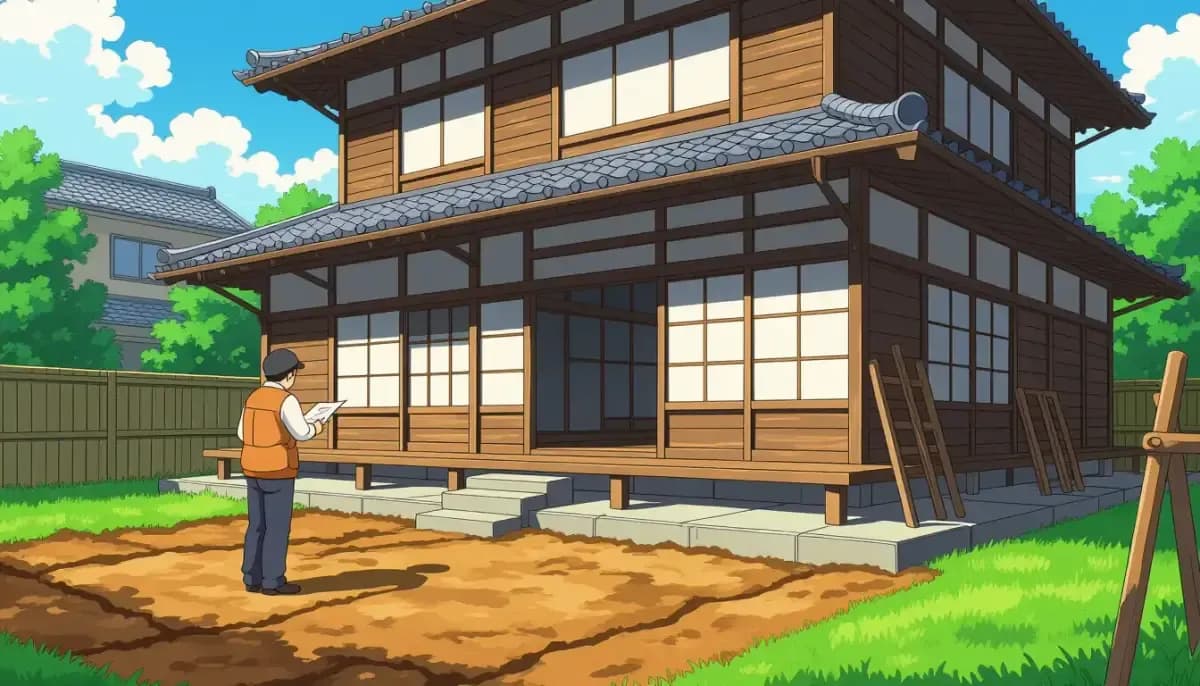
Never purchase an akiya without a thorough physical inspection. Engage a qualified 建物調査士 (building inspector) or architect to assess:
- Structural integrity (especially for pre-1981 buildings built before updated earthquake codes)
- Roof and waterproofing condition
- Plumbing, drainage, and septic systems
- Electrical panel and wiring
- Presence of asbestos or other hazardous materials
Step 3: Title Research and Legal Due Diligence
Akiya often have complex ownership histories. A judicial scrivener (司法書士, shihō shoshi) or attorney should verify:
- Clear and complete title (no co-ownership disputes)
- No outstanding liens or debts attached to the property
- Boundary surveys and land registration records
- Whether the property has been designated under the Vacant House Special Measures Law
Step 4: Offer and Purchase Agreement
Once due diligence is complete and both parties agree on terms, a 重要事項説明書 (Important Matters Explanation Document) is prepared by a licensed real estate agent and reviewed in detail. This document discloses all material facts about the property. The buyer then signs a 売買契約書 (Purchase Agreement).
For non-residents, a notarized power of attorney is typically required to authorize a representative to act on your behalf at the closing.
Step 5: Payment and Registration
Non-resident buyers generally pay the full purchase price via international bank transfer. After payment, ownership is transferred and registered at the Legal Affairs Bureau (法務局). Additional required documentation:
- Apostille-certified copy of your passport or identification documents
- Notarized documents confirming your identity and legal capacity
- Filing of a financial minister notification (外為法届出) within 20 days of signing — a legal obligation for foreign purchasers that many overlook
See our detailed Step-by-Step Home Buying Process in Japan guide and the Legal Procedures and Documentation guide for full details on each stage.
Choosing the Right Region: Akiya Hotspots for Foreigners
Location matters enormously with akiya — not just for the property price and renovation cost, but for the practical realities of living there, accessing services, and building a life.
Most Active Akiya Markets for Foreigners
Shikoku (Tokushima, Kochi, Ehime, Kagawa): Consistently among Japan's highest vacancy rates. Tokushima has been particularly aggressive in offering subsidies and support for foreign residents, including the Kamikatsu and Nishiawa areas.
Wakayama Prefecture: High vacancy rates, proximity to Osaka, scenic mountain and coastal areas. The Kumano Kodo area attracts foreign buyers drawn to cultural heritage.
Niigata and the Japan Sea Coast: Affordable, beautiful rural landscapes, but heavy snowfall is a major consideration for maintenance and renovation costs.
Hyogo and Tottori: Rural areas offer affordable properties while remaining accessible to Osaka/Kobe.
Hokkaido: Extremely popular with certain foreign buyer demographics (particularly from Taiwan, Hong Kong, and Australia). See our Hokkaido Property Buying Guide for more.
What to Consider Before Choosing a Location
- Distance to the nearest hospital, supermarket, and public transport
- Snow load (affects structural requirements and maintenance costs)
- Municipal attitude toward foreign residents (some towns are very welcoming; others less so)
- Availability of contractors willing to work on older properties
- Internet connectivity for remote workers
Common Mistakes to Avoid
Underestimating renovation costs. The purchase price is often the smallest number in the budget. Get professional estimates before committing.
Skipping the title search. Co-ownership and inheritance disputes are common. A clean title is not guaranteed just because a property appears on an official listing.
Ignoring ongoing costs. Even after renovation, rural properties involve ongoing costs: property tax (固定資産税), municipal maintenance fees, septic pumping, snow removal, and management fees if you are not in residence full-time.
Assuming the property is habitable quickly. Even a "minor" renovation on a property that has been vacant for 15 years can uncover significant hidden issues that extend your timeline by months.
Not consulting a professional. The legal and procedural complexity of Japanese real estate — compounded by language barriers — makes professional guidance from a bilingual real estate agent, judicial scrivener, and building inspector essential. Learn more at the Complete Guide to Buying Property in Japan as a Foreigner.
For guidance on financing your akiya purchase, see our Mortgages and Home Loans for Foreigners in Japan guide, and for a breakdown of all costs involved, see Hidden Costs and Fees When Buying Property in Japan.
Additional Resources
For further reading on akiya opportunities and the purchase process from foreign-focused sources:
Conclusion
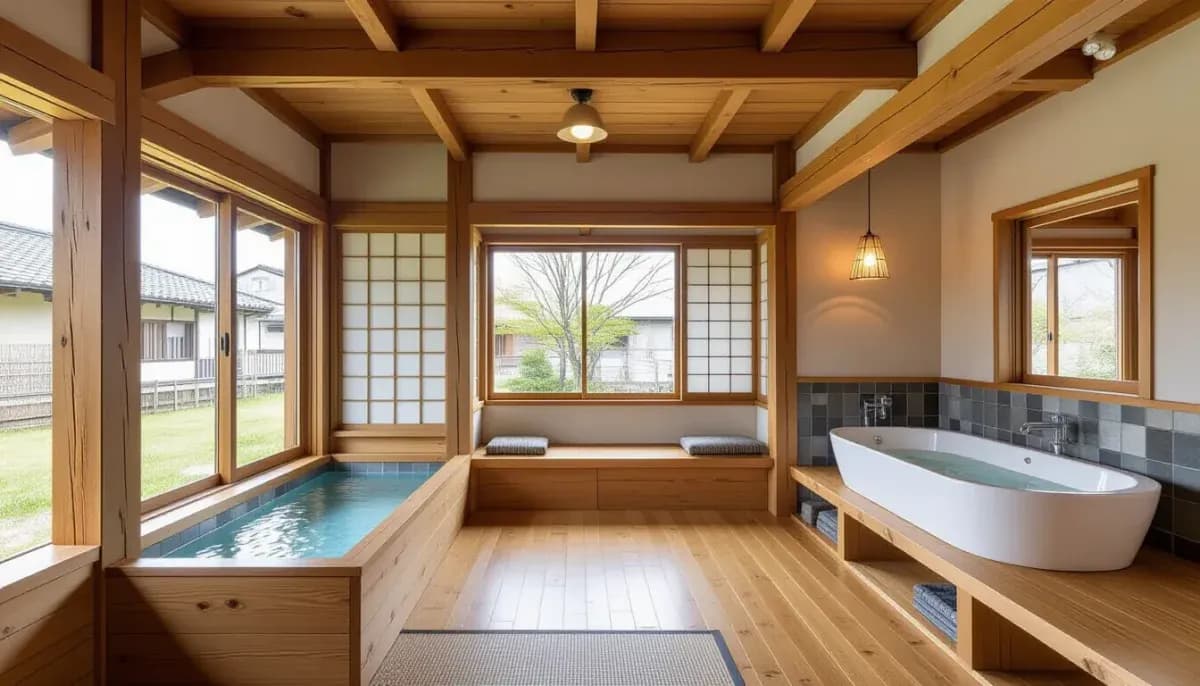
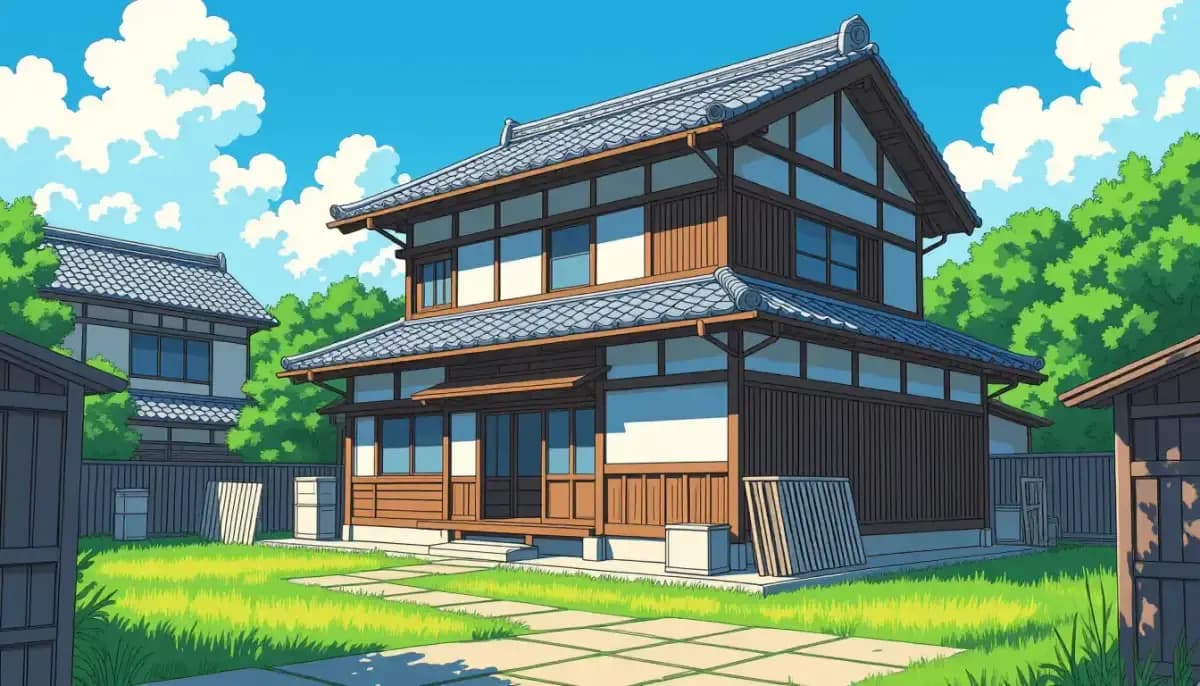
Akiya represent a genuinely remarkable opportunity — the chance to own a piece of rural Japan at a fraction of the cost of urban real estate, to participate in community revitalization, and to build a life in places of extraordinary natural beauty. But they are not a shortcut. The gap between a ¥500,000 purchase price and a livable home is often measured in millions of yen of renovation work and months of complex process.
Foreigners who succeed with akiya purchases share a few common traits: they did thorough due diligence, they built relationships with local communities and professionals, they budgeted conservatively for renovation, and they approached the process with patience. For those prepared to put in that work, the rewards — both financial and personal — can be exceptional.
Japan's vacant house crisis is not going away. If anything, the opportunity for informed foreign buyers is growing. The key is going in with eyes open.