
Higashiyama Area Property Guide for Foreign Buyers


Complete guide to buying property in Higashiyama, Kyoto as a foreigner. Covers price ranges (¥12.8M–¥250M+), machiya townhouses, preservation regulations, investment yields, and step-by-step buying process.
Higashiyama Area Property Guide for Foreign Buyers
Higashiyama is one of Kyoto's most iconic districts — a place where stone-paved lanes wind between ancient temples, traditional machiya townhouses, and centuries-old craft shops. For foreign buyers, it represents the pinnacle of Kyoto real estate: prestigious, scarce, and deeply embedded in Japan's cultural heritage. This guide covers everything you need to know about buying property in Higashiyama as a foreigner, from price ranges and property types to regulations and investment potential.
Whether you're dreaming of a renovated machiya in the shadow of Kiyomizudera or a luxury condominium near Gion, Higashiyama offers some of Japan's most sought-after real estate — and some of its most complex purchasing challenges.
What Makes Higashiyama Unique Among Kyoto Wards
Higashiyama-ku (東山区) occupies the eastern foothills of Kyoto, stretching from the famous Sannenzaka and Ninenzaka lanes near Kiyomizudera Temple in the south to the Gion entertainment district and Maruyama Park in the north. The ward is defined by its extraordinary concentration of UNESCO-recognized cultural heritage sites, traditional wooden townhouses, and preserved streetscapes.
Several factors make Higashiyama stand apart from other Kyoto neighborhoods:
Strict Preservation Zoning: Much of Higashiyama falls within Kyoto's designated scenic preservation zones and historic streetscape districts. New construction is extremely limited, and renovation work must conform to strict aesthetic guidelines governing roofline height, facade materials, signage, and color palette. This scarcity of new supply is a major driver of long-term property values.
Tourism Density: Higashiyama receives millions of visitors annually, making it one of the busiest tourism corridors in Japan. The proximity to Kiyomizudera, Gion, Yasaka Shrine, and the Philosopher's Path creates enormous demand for short-term rental properties — though licensing requirements have tightened significantly.
Premium Pricing: Average monthly rents in Higashiyama-ku reach approximately ¥113,500 — the highest of any ward in Kyoto. Purchase prices for quality properties regularly exceed ¥60 million, with premium assets reaching ¥250 million or more.
For a broader overview of buying property across Kyoto, see our Complete Guide to Buying Property in Kyoto as a Foreigner. For neighborhood comparisons within the city, our Best Neighborhoods in Kyoto for Foreign Property Buyers guide provides useful context.
Higashiyama Property Types and Price Ranges
The Higashiyama market offers a narrower selection of property types than most Kyoto wards, reflecting the area's historic character and preservation constraints.
Kyo-Machiya (Traditional Townhouses)
The classic Higashiyama purchase for many foreign buyers is a traditional Kyo-machiya — a wooden townhouse with a narrow frontage, deep floor plan, and interior courtyard garden. These properties are the architectural soul of Higashiyama, but they come with both unique appeal and significant responsibilities.
Entry-level machiya in peripheral sub-districts of Higashiyama-ku (such as Imakumano, near JR Tofukuji station) can be found in the ¥12.8 million to ¥14.5 million range. However, machiya in the core historic preservation zones — near Ninenzaka, Sannenzaka, or Gion — typically command ¥30 million to ¥80 million and above, depending on condition, size, and location.
Our Kyoto Machiya Townhouse Buying Guide for Foreigners provides a detailed breakdown of what to expect when purchasing these historic structures.
Renovated Historic Residences
Many buyers seek machiya or older residences that have already been professionally renovated. These properties offer the aesthetic appeal of traditional architecture with modern amenities such as updated plumbing, insulation, and heating systems. Renovation costs in Kyoto's historic zones run ¥5 million to ¥20 million or more for quality work, so pre-renovated properties command a premium.
For guidance on renovation regulations in Kyoto, see our Kyoto Historic Preservation Areas and Property Rules article.
Luxury Condominiums
Higashiyama has a small but notable supply of high-end condominium units, particularly in buildings near Gion and along the major approach roads. An example mid-range listing is the Cosmo Higashiyama (7th floor corner unit at ¥55.8 million), while premium new-build condominiums in the area can reach ¥100 million to ¥250 million.
Commercial and Investment Properties
Higashiyama is one of Japan's premier locations for ryokan (traditional inns), guesthouses, and boutique hotels. Whole-building commercial listings in the ward range from ¥500 million to several billion yen. For foreign investors, obtaining the necessary licenses and navigating the regulatory environment is critical before purchasing any commercial hospitality asset. See our Kyoto Guesthouse and Inn Investment Guide for Foreigners for specifics.
| Property Type | Price Range (Approx.) | Notes |
|---|---|---|
| Peripheral machiya (Imakumano) | ¥12.8M – ¥14.5M | Less central; near JR Tofukuji |
| Core machiya (preservation zone) | ¥30M – ¥80M+ | Near Ninenzaka/Gion; strict regulations |
| Renovated historic residence | ¥40M – ¥100M+ | Modern amenities; premium for renovation |
| Mid-range condominium | ¥40M – ¥80M | Limited supply; Gion/approach roads |
| Luxury condominium | ¥80M – ¥250M | Premium units near Gion |
| Commercial/Inn (whole building) | ¥500M – ¥7.5B+ | Requires hospitality licensing |
Regulations and Restrictions for Foreign Buyers
Foreign nationals face no legal restrictions on purchasing residential or commercial property in Japan, including in Higashiyama. There is no residency requirement, no minimum investment threshold, and no nationality-based discrimination in property transactions. The entire purchase process — including contract signing and registration — can be completed remotely using a power of attorney.
However, Higashiyama imposes a more complex regulatory environment than most Japanese real estate markets due to its historic preservation status.
Historic Preservation and Landscape Ordinances
Properties within Higashiyama's designated preservation districts must comply with Kyoto City's Landscape Ordinance (景観条例), which governs:
- Exterior appearance: Facade materials, colors, and finishes must conform to traditional aesthetic standards. Brightly colored cladding, large signage, and modern architectural elements are prohibited.
- Roofline and height: Buildings must maintain roofline profiles consistent with the surrounding historic streetscape. Kyoto's citywide building height restrictions (generally 10–31 meters depending on zone) apply, but Higashiyama's preservation zones often have stricter sub-zone limits. See our Kyoto Building Height Restrictions and Property Guide for details.
- Construction permits: New construction within preservation zones requires prior approval from the city's Landscape Policy Division and may require consultation with local community preservation associations.
Short-Term Rental Licensing
For foreign investors attracted by Higashiyama's tourism potential, short-term rental income is compelling: properties in well-located parts of the ward can generate approximately ¥5 million per year in vacation rental revenue, with occupancy rates averaging 83% annually when properly operated.
However, operating a minpaku (民泊, private lodging) or ryokan requires proper licensing. Kyoto City imposes area-specific restrictions on short-term rentals, including blackout periods in certain residential zones. Non-compliance can result in significant fines. Our Kyoto Lodging Tax and Its Impact on Property Investment article covers the tax implications in detail.
For additional guidance on expat property ownership in Japan, Living in Nihon provides regularly updated resources for foreigners navigating Japanese real estate and daily life. Gaijin Buy House is another resource focused specifically on property purchases by non-Japanese buyers.
Investment Potential: Long-Term Value and Rental Yields
Higashiyama's property market has demonstrated strong long-term appreciation. Kyoto as a whole has seen approximately 35% nominal price growth over the past decade (20% in real terms), with Higashiyama and the Gion corridor outperforming the citywide average due to supply constraints.
Active listings in Higashiyama-ku typically number around 40–50 properties at any given time — a remarkably thin market for a globally recognized tourist destination. This scarcity, combined with the near-total prohibition on new construction in preservation zones, provides structural support for long-term values.
That said, investors should understand the yield dynamics:
- Long-term rental yields: 2–3% gross — modest by global standards, but typical for premium Kyoto neighborhoods
- Short-term vacation rental yields: Potentially 5–8%+ gross for well-located properties with proper licensing
- Appreciation potential: Strong, driven by limited supply and sustained international demand
- Market liquidity: Limited — Higashiyama properties can take 70–140 days to sell, and negotiating discounts of 5–13% from asking price is common
The Kyoto Property Prices and Market Trends Analysis article provides a deeper dive into the numbers across all Kyoto wards.
For those weighing Kyoto against other investment locations, our Kyoto vs Osaka Property Investment Comparison guide explores the trade-offs.
Step-by-Step Buying Process for Foreigners
Purchasing property in Higashiyama as a foreign buyer follows the same general process as elsewhere in Japan, with some additional due diligence requirements specific to historic properties.
Step 1 – Engage a bilingual real estate agent: Few Higashiyama transactions proceed smoothly without a Japanese-speaking intermediary. Seek agents with specific experience in Kyoto's historic preservation zones and machiya properties. Several boutique firms specialize in machiya and heritage properties for foreign clients.
Step 2 – Property investigation and due diligence: Before making an offer, commission a detailed inspection. For machiya specifically, assess: structural condition of wooden framework, termite history, plumbing and electrical systems, compliance with preservation regulations, and any outstanding renovation permit requirements.
Step 3 – Price negotiation: The typical discount from asking price in Kyoto is 5–13%. Properties requiring significant renovation or those with regulatory complications may allow larger discounts.
Step 4 – Provisional contract (売買契約, baibai keiyaku): A deposit of approximately 10% is paid. The seller's agent provides a written Explanation of Important Matters (重要事項説明書) detailing all known defects, zoning restrictions, and regulatory constraints.
Step 5 – Final settlement and registration: The balance is paid, and title is transferred through the Legal Affairs Bureau. A judicial scrivener (司法書士) handles the registration.
Total transaction costs — including agent fees, taxes, registration costs, and incidentals — typically run 7–12% of the purchase price in Japan. See our Hidden Costs and Fees When Buying Property in Japan for a complete breakdown.
For the complete Japanese property buying process, see our Step-by-Step Home Buying Process in Japan for Foreigners.
Financing Options for Foreign Buyers
Securing a Japanese mortgage as a non-resident foreigner in Japan is challenging but not impossible. Most major Japanese banks require permanent residency (永住権) or at minimum a long-term visa for mortgage applications. Some regional banks and specialist lenders have programs for non-residents, typically at higher down payment requirements (30–50%) and with more stringent income documentation.
For high-value Higashiyama properties, many foreign buyers use a combination of:
- Home country financing (equity release or overseas mortgage)
- Seller financing in some cases
- Specialist Japan property lenders catering to overseas investors
Our Mortgages and Home Loans for Foreigners in Japan guide covers the full range of financing options available.
For work-related visa and residency considerations that may affect your financing eligibility, For Work in Japan provides guidance on visa pathways and residency options relevant to those planning to live and work in Japan.
Living in Higashiyama: Practical Considerations
Beyond investment calculations, many foreign buyers are drawn to Higashiyama for lifestyle reasons — the extraordinary living environment, walkability to temples and cultural sites, and the sense of connection to Japan's historical fabric.
Daily life: Higashiyama is primarily a tourism and residential district, with limited grocery and daily convenience infrastructure compared to central Kyoto wards like Nakagyo or Shimogyo. Residents typically shop at nearby supermarkets in Higashiyama's peripheral areas or the central shopping districts accessible by bus.
Transportation: The area is served by Keihan Railway (Gion-Shijo and Kiyomizu-Gojo stations) and multiple Kyoto City Bus lines. JR stations in adjacent wards are accessible within 10–15 minutes by bus. There is no subway directly serving the Higashiyama historic core.
Community: Higashiyama has a small but growing community of foreign property owners, particularly among those who have renovated machiya. Local preservation associations (machizukuri groups) play an important role in maintaining community standards and often welcome new owners who demonstrate commitment to historic preservation values.
Noise and tourism impact: Properties immediately adjacent to major tourism corridors (Sannenzaka, Ninenzaka, Kiyomizudera approach) experience significant daytime foot traffic and noise. Properties one or two streets away from the main tourist paths offer considerably quieter living conditions while retaining the neighborhood's character.
For context on broader Japanese residential considerations for foreigners, the Japan Real Estate Market Overview and Trends article provides useful background.
Key Resources for Higashiyama Property Research
When researching specific listings, the following platforms carry active Higashiyama inventory:
- Real Estate Japan (realestate.co.jp) — English-language listings including houses, apartments, and commercial properties
- Real Estate Kyoto — Specialist Kyoto platform with 40+ active Higashiyama listings
- Bamboo Routes Kyoto Market Data — Detailed statistical analysis of Kyoto ward-by-ward pricing
- Heritage Homes Japan — Specialist machiya and heritage property advisory
For visa and residency questions affecting your purchase eligibility, see our Visa and Residency Considerations for Property Buyers in Japan guide.
Higashiyama represents one of Japan's most compelling — and most demanding — real estate opportunities. For buyers who understand its regulatory complexity and are prepared for a longer-term investment horizon, few places in the world offer comparable cultural prestige combined with structural property market strength. Take the time to engage qualified local advisors, understand the preservation obligations, and approach the market with patience: the right property in Higashiyama is rarely discounted and rarely stays available for long.

Originally from Vietnam, living in Japan for 16+ years. Graduated from Nagoya University, with 11 years of professional experience at Japanese and international companies. Sharing information about buying property in Japan for foreigners.
View Profile →Related Articles
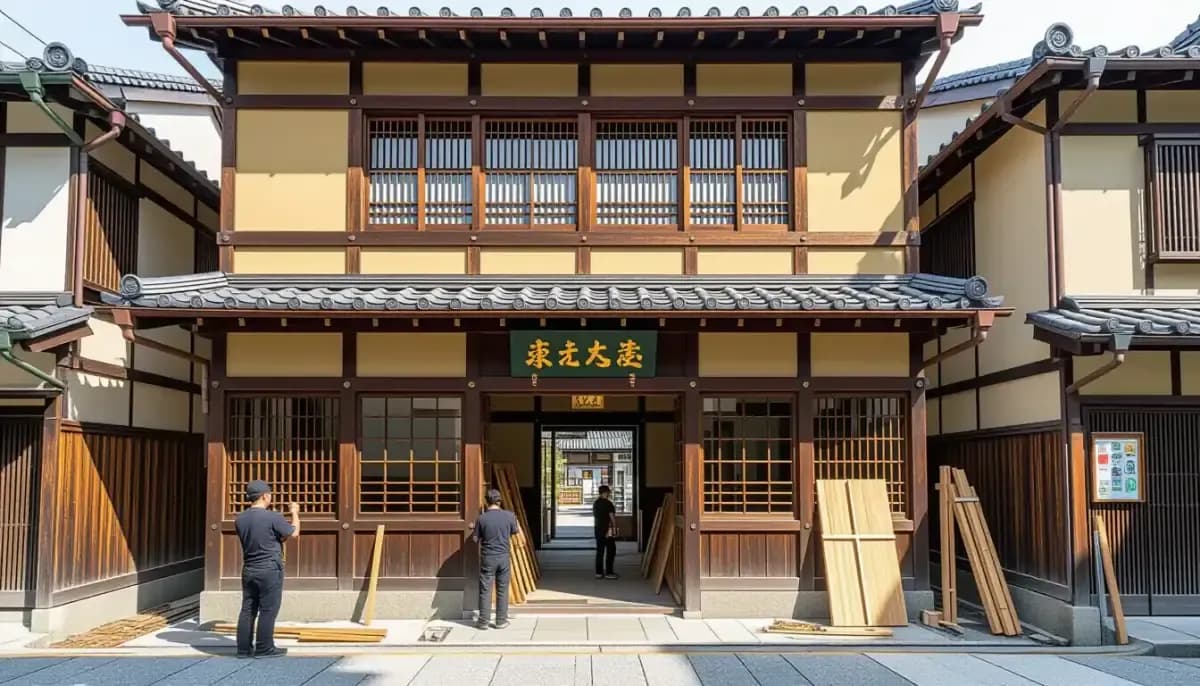
Renovating a Traditional House in Kyoto: Guide for Foreign Owners
Complete guide for foreigners renovating a traditional kyo-machiya townhouse in Kyoto. Covers costs (¥2M–¥20M+), preservation regulations, subsidies, financing, and how to find specialist contractors.
Read more →
Northern Kyoto: Affordable Property Options for Foreigners
Discover affordable property options in northern Kyoto for foreigners. Kita Ward machiya from ¥20.8M, Sakyo Ward university rentals, akiya properties, and buying tips for expats.
Read more →
Arashiyama Area Property Guide for Foreign Buyers
Complete guide to buying property in Arashiyama as a foreigner. Covers property prices (¥5M–¥500M+), short-term rental rules, machiya ownership, mortgage access, and the full purchase process in Kyoto's iconic bamboo grove district.
Read more →
Kyoto vs Osaka Property Investment Comparison
Compare Kyoto and Osaka property investment for foreign buyers. Rental yields (4.26% vs 3-4%), prices, regulations, capital growth, and which city suits your investment goals.
Read more →
Kyoto Student Rental Investment Near Universities
Complete guide to investing in Kyoto student rental properties near universities for foreigners. Covers best areas, rental yields of 4-6%, legal requirements, financing, and management tips.
Read more →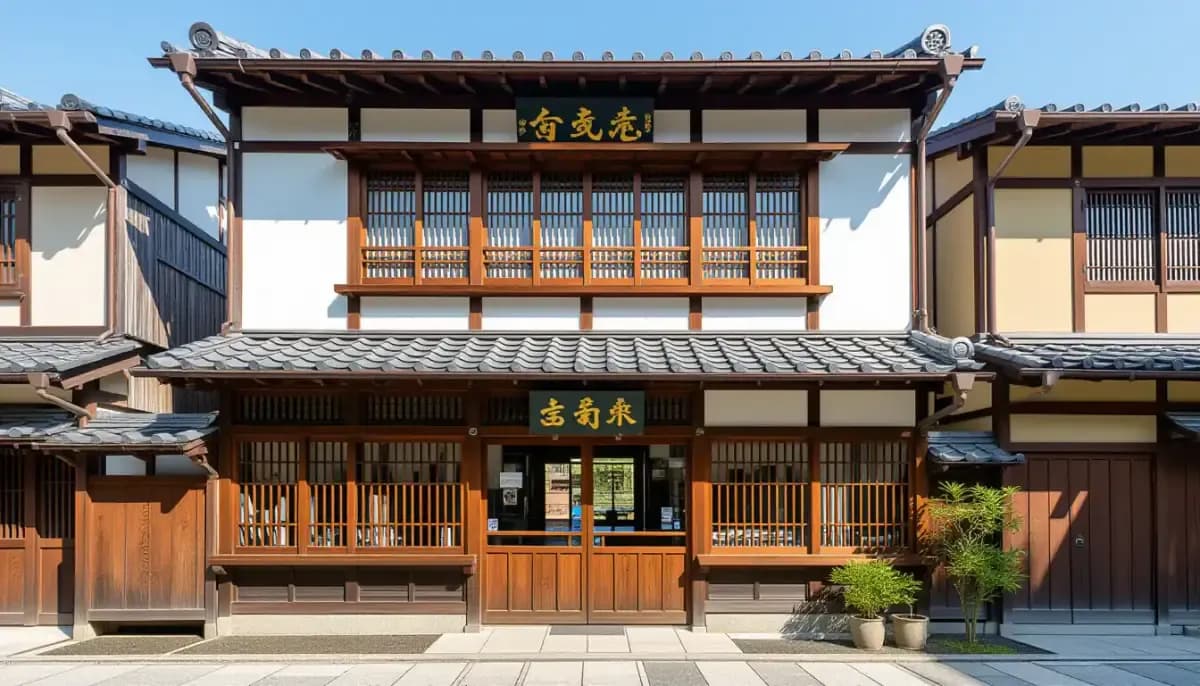
Kyoto Historic Preservation Areas and Property Rules
Understand Kyoto's strict historic preservation rules before buying property. Learn about machiya renovation restrictions, rebuilding-prohibited land, height limits, and what foreigners must know about purchasing in Kyoto's heritage districts.
Read more →