
Northern Kyoto: Affordable Property Options for Foreigners

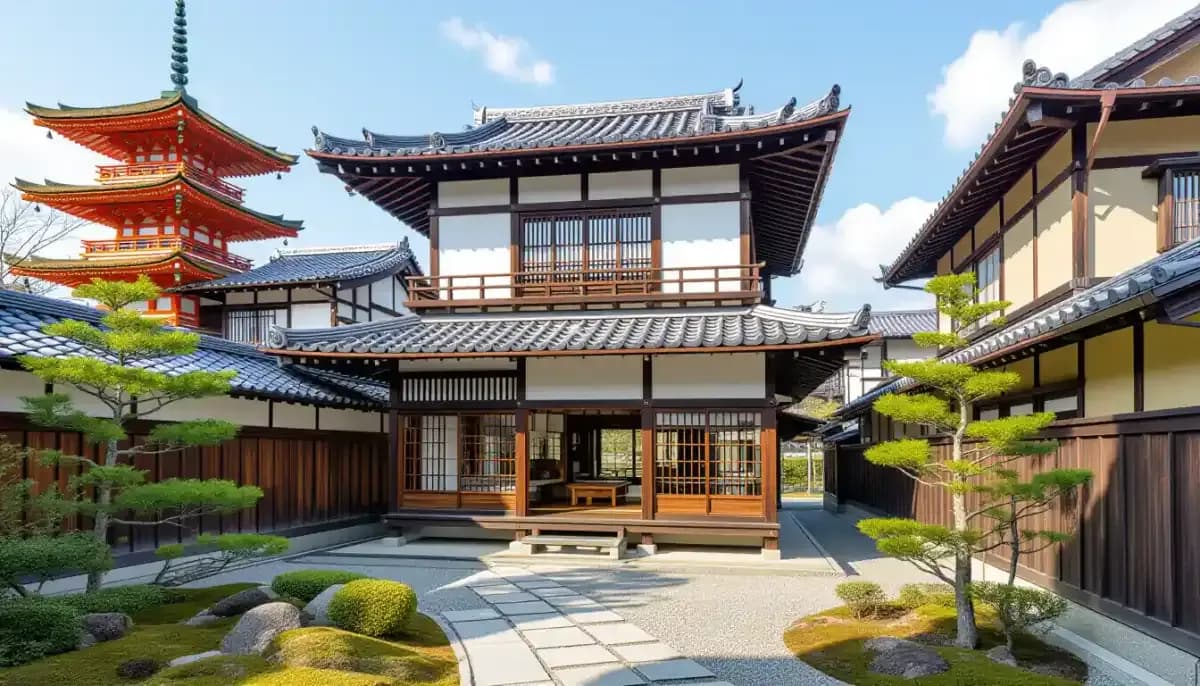
Discover affordable property options in northern Kyoto for foreigners. Kita Ward machiya from ¥20.8M, Sakyo Ward university rentals, akiya properties, and buying tips for expats.
Northern Kyoto: Affordable Property Options for Foreigners
Kyoto is one of Japan's most culturally rich cities, famous for its ancient temples, traditional townhouses, and world-class cuisine. But mention "buying property in Kyoto" to most expats, and the first word that comes to mind is usually "expensive." Central Kyoto — especially around Gion, Higashiyama, and the historic machiya districts — commands premium prices that can put homeownership out of reach for many foreign buyers.
Yet head north, and the story changes considerably. Northern Kyoto — encompassing Kita Ward (北区) and the northern stretches of Sakyo Ward (左京区) — offers a compelling combination of cultural authenticity, neighborhood livability, and relative affordability that increasingly attracts both foreign residents and international investors. In this guide, we explore the landscape of property options in northern Kyoto for foreigners, covering neighborhoods, price ranges, property types, and everything you need to know to navigate the buying process.
Why Northern Kyoto? The Case for Kita and Sakyo Wards
Northern Kyoto doesn't attract the flood of tourists that descend on central Kyoto's golden triangle. That's precisely why property prices here remain more accessible — and why many long-term residents consider it one of the best places to actually live in the city.
Kita Ward (北区) sits immediately north of central Kyoto and is best known for iconic landmarks like Kinkaku-ji (the Golden Pavilion) and Nishigamo Shrine. Beneath this cultural patina, Kita Ward functions as a quiet, family-oriented residential district with excellent schools, good transit access, and a strong sense of community. Property prices here have appreciated by approximately 3.53% year-over-year — modest but consistent growth that reflects solid fundamentals without speculative froth.
Sakyo Ward (左京区), particularly its southern areas around Demachiyanagi and the Philosopher's Walk, blends culture and academia. Kyoto University anchors significant rental demand and creates a vibrant community of students, researchers, and expats. The northern stretches of Sakyo, heading toward the Ohara valley and Kibune, become increasingly rural and dramatically more affordable.
For foreigners, these areas offer a lifestyle that's distinctly Kyoto without paying central Kyoto premiums. Many expats settled here specifically appreciate the intellectual community, the access to nature, and the ability to walk to centuries-old shrines from a perfectly ordinary house.
Explore the complete guide to buying property in Kyoto as a foreigner for a city-wide overview.
Property Types Available in Northern Kyoto
Northern Kyoto's housing stock spans a wider range than most buyers expect. Here's what you'll realistically find on the market:
Traditional Machiya (町家)
Kyoto's iconic wooden townhouses remain available — and surprisingly accessible — in northern wards. Unlike central district machiya that have been converted into boutique hotels or luxury residences and priced accordingly, northern Kita Ward still lists unrenovated machiya starting around ¥20.8 million. These require significant renovation investment, but they represent an unparalleled opportunity to own a genuine piece of Kyoto's living heritage.
The renovation path for machiya involves navigating Kyoto City's heritage regulations, but the city also offers renovation subsidies for families who purchase and restore older traditional homes, making the economics more favorable. If you're interested in machiya and kominka properties specifically, read our dedicated guide to traditional Japanese houses for foreigners.
Akiya (空き家) — Vacant and Abandoned Houses
Japan's famous akiya (vacant house) phenomenon is well-represented in northern Kyoto. With 2,803 akiya properties currently listed across Kyoto Prefecture, many at prices ranging from a few million yen upward, this represents genuine value for buyers willing to invest in renovation and patient enough to navigate acquisition. The average akiya listing price across Kyoto sits around ¥29.9 million — significantly below average market prices for renovated properties.
Northern Kyoto and the surrounding areas (including Kameoka City just outside the city boundary) concentrate many of these listings. Foreign buyers can legally purchase akiya with no additional restrictions compared to Japanese citizens. For a deep dive into this topic, see our guide to akiya properties for foreign buyers.
Modern Detached Houses (一戸建て)
The most straightforward option for many foreign buyers is a modern detached house (ikkodate). Northern Kita Ward has active inventory — approximately 21 properties listed at any given time through agencies like Arrows Realty — with prices typically starting around ¥29.8 million for a two-story house with a garden. These properties offer practical layouts, better structural conditions, and simpler renovation paths than heritage buildings. Learn more about buying a detached house in Japan as a foreigner.
Condominiums (マンション)
Northern Kyoto has fewer high-rise developments than central wards, but mid-rise condominium complexes exist, particularly near major train stations. Entry prices start around ¥20–40 million for smaller units, with monthly maintenance fees adding ongoing costs. The condominium market in northern areas tends to be less liquid than central Kyoto — a consideration for buyers who may eventually want to sell.
Northern Kyoto Neighborhood Price Guide
The following table provides an orientation to price ranges across key northern Kyoto neighborhoods. Prices reflect current market conditions and are subject to change.
| Neighborhood | Ward | Property Type | Typical Price Range | Key Features |
|---|---|---|---|---|
| Kinkakuji area | Kita | Machiya / Detached | ¥20M – ¥55M | Cultural landmark proximity, tourist area |
| Nishigamo | Kita | Detached / Modern | ¥28M – ¥50M | Quiet residential, good schools |
| Kamigamo | Kita | Detached / Traditional | ¥25M – ¥60M | Shrine access, family-oriented |
| Demachiyanagi | Sakyo | Condo / Detached | ¥35M – ¥80M | University district, expat community |
| Ichijoji | Sakyo | Condo / Detached | ¥30M – ¥65M | Students, cafes, Kyoto University belt |
| Ohara | Sakyo (north) | Kominka / Akiya | ¥5M – ¥25M | Rural, very affordable, mountain scenery |
| Kibune / Kurama | Sakyo (far north) | Traditional / Akiya | ¥3M – ¥20M | Remote, nature, limited amenities |
| Kameoka City | Outside Kyoto | Various | ¥10M – ¥35M | Commuter distance, affordable, growing |
Prices above are approximate market ranges based on 2025 data. Renovated or heritage-certified properties may exceed these ranges significantly.
How Foreigners Can Buy Property in Northern Kyoto
Japan places no legal restrictions on foreign nationals purchasing real estate. You do not need permanent residency, a special visa, or even Japanese citizenship. The purchase process is identical for Japanese and foreign buyers, with one practical difference: financing.
Finding a Property
Start your search with agencies that handle foreign buyers. Arrows Realty (realestate-kyoto.com) specializes in Kyoto properties and maintains English-language listings for Kita Ward and surrounding areas. For akiya specifically, Akiya Japan maintains a dedicated database of Kyoto Prefecture listings.
General Japanese real estate platforms (SUUMO, HOME'S, athome) list the broadest inventory but require Japanese language ability or a bilingual agent to navigate effectively.
For broader guidance on working with Japanese real estate professionals, see our guide on working with Japanese real estate agents as a foreigner.
Making an Offer
An important market insight: 75–85% of Kyoto properties sell below asking price, with typical negotiation discounts of 5–13% depending on location and condition. Northern Kyoto, with somewhat longer days-on-market than central wards (detached houses averaging 90–140 days), tends to offer stronger negotiating positions for buyers.
Documentation and Legal Process
The purchase involves a purchase contract (売買契約書), registration at the Legal Affairs Bureau, and payment of various taxes and fees. A judicial scrivener (司法書士) handles property registration — this is mandatory and non-negotiable. For a complete walkthrough, see our guide on legal procedures for Japan property purchase.
Financing: What Foreign Buyers Need to Know
Financing is the single largest practical hurdle for foreign buyers in Japan. Most Japanese banks require a confirmed residential status (permanent residency or a long-term visa) for mortgage eligibility, and interest rates and loan-to-value ratios are often less favorable for foreign nationals.
Cash purchases are the most common route for foreign buyers, particularly non-residents purchasing investment properties or vacation homes. This requires careful budgeting, as the full purchase price plus transaction costs must be available upfront.
Japanese mortgage options do exist for foreigners with qualifying visa status. Some regional banks and credit unions have been more flexible than major city banks in recent years. The international arms of major banks (SMBC, MUFG) may also assist buyers with strong financial profiles. For detailed information, see our mortgage and home loan guide for foreigners in Japan.
Total Purchase Costs: Budgeting for Northern Kyoto
Beyond the purchase price, buyers should budget an additional 5–10% of property value in transaction costs. The main items include:
- Real estate agent commission: Typically 3% + ¥60,000 + consumption tax
- Registration and license tax (登録免許税): 0.4–2% of assessed property value
- Real property acquisition tax (不動産取得税): Approximately 3–4% of assessed value
- Stamp duty (印紙税): ¥10,000–¥60,000 depending on contract value
- Judicial scrivener fees (司法書士報酬): ¥80,000–¥200,000
- Building inspection fees: ¥50,000–¥150,000 (recommended for older properties)
For machiya and akiya purchases, renovation costs must be factored separately and can range from ¥3M for basic refreshes to ¥30M+ for full structural restoration. For a complete cost breakdown, see our guide to hidden costs and fees when buying property in Japan and our overview of property taxes and annual ownership costs.
Investment Potential: Rental Yields in Northern Kyoto
Northern Kyoto offers genuine income potential for foreign investors, particularly in the Sakyo Ward university belt.
Properties near Kyoto University — in Hyakumanben, Demachiyanagi, and Ichijoji — generate gross rental yields of 4–5.5%, supported by consistent student demand. Monthly rents in these northern areas run ¥45,000–¥65,000 for 1K studio units and ¥75,000–¥110,000 for 1LDK apartments — lower than central Kyoto but with lower acquisition costs.
However, northern Kyoto sits outside the core short-term rental (Airbnb/minpaku) zones that drive high yields in Gion and Higashiyama. Long-term residential rentals dominate this market. See our guide to rental property investment in Japan for foreign landlords for strategic guidance.
The 12-month price outlook for suburban northern Kyoto houses projects 0–2% appreciation, with the 3–5 year outlook suggesting flat-to-modest growth in outer ward properties. Buyers seeking capital appreciation should focus on transit-accessible areas near Kita Ward stations rather than remote rural parcels.
Practical Tips for Foreign Buyers in Northern Kyoto
Get a bilingual agent. The difference between a smooth purchase and a frustrating one is almost entirely determined by your real estate agent's English ability and willingness to explain Japanese real estate norms. Don't compromise on this.
Inspect thoroughly before buying. Japan's property disclosure norms differ from Western markets. Older machiya and akiya in particular may have undisclosed structural issues, outdated electrical or plumbing, and pest issues. Budget for a professional building inspection (建物調査).
Check zoning and renovation restrictions. Northern Kyoto contains areas with strict heritage and zoning regulations. Confirm what modifications are permitted before committing to a property requiring significant renovation.
Understand the akiya opportunity — and its limits. Akiya properties offer genuine value, but many are priced low for reasons that become apparent on inspection: inaccessible locations, serious structural issues, or legal complications (unclear title, co-inheritance disputes). Due diligence is essential.
Consider Kameoka as an alternative. Kameoka City, accessible by train from central Kyoto in approximately 20 minutes, offers dramatically more affordable land prices than anywhere within Kyoto City limits. It's becoming a hotspot for remote workers and families who want Kyoto access without Kyoto prices.
For comprehensive guidance on the overall purchase process, see our complete guide to buying property in Japan as a foreigner.
Useful Resources for Northern Kyoto Property Buyers
Starting your research in the right places saves significant time and frustration:
- Living in Nihon (livinginnihon.com) provides practical guides on daily life and housing in Japan for foreign residents — essential reading for understanding what life in northern Kyoto actually looks like beyond the property transaction.
- Gaijin Buy House (gaijinbuyhouse.com) is a Japan-focused real estate resource specifically aimed at helping foreigners understand the purchase process, regional market dynamics, and property search strategies in popular areas including the Kansai region.
- For Work in Japan (forworkinjapan.com) covers the intersection of employment and residency in Japan — relevant for foreign buyers who need to understand visa implications of property ownership or are relocating for work.
- Arrows Realty (realestate-kyoto.com) maintains active English-language listings specifically for Kita Ward and surrounding Kyoto properties.
- Bamboo Routes offers detailed statistics on the Kyoto real estate market and a guide to the hottest Kyoto areas in 2025 — both highly useful for buyers comparing northern Kyoto against city-wide options.
Conclusion
Northern Kyoto represents one of Japan's genuine property value opportunities for foreign buyers willing to look beyond the most famous addresses. Whether you're drawn to the cultural heritage of a Kita Ward machiya starting at ¥20.8 million, the university-driven rental market of Sakyo Ward, the deep affordability of an Ohara valley akiya, or the practical accessibility of nearby Kameoka, northern Kyoto offers entry points at multiple price levels and lifestyle preferences.
The legal framework is straightforward: foreigners buy on equal terms with Japanese nationals. The process requires careful navigation — especially around financing, due diligence on older properties, and working with the right agents — but it is thoroughly achievable.
If northern Kyoto feels like the right fit, the next step is getting a clear picture of your total budget (purchase price plus 5–10% in transaction costs plus any renovation budget), identifying a bilingual agent with Kita or Sakyo Ward experience, and beginning your property search with realistic expectations about what each price point delivers.
Northern Kyoto won't stay affordable forever — but for now, it remains one of the most compelling value propositions in Japanese real estate for the foreign buyer who knows where to look.

Originally from Vietnam, living in Japan for 16+ years. Graduated from Nagoya University, with 11 years of professional experience at Japanese and international companies. Sharing information about buying property in Japan for foreigners.
View Profile →Related Articles
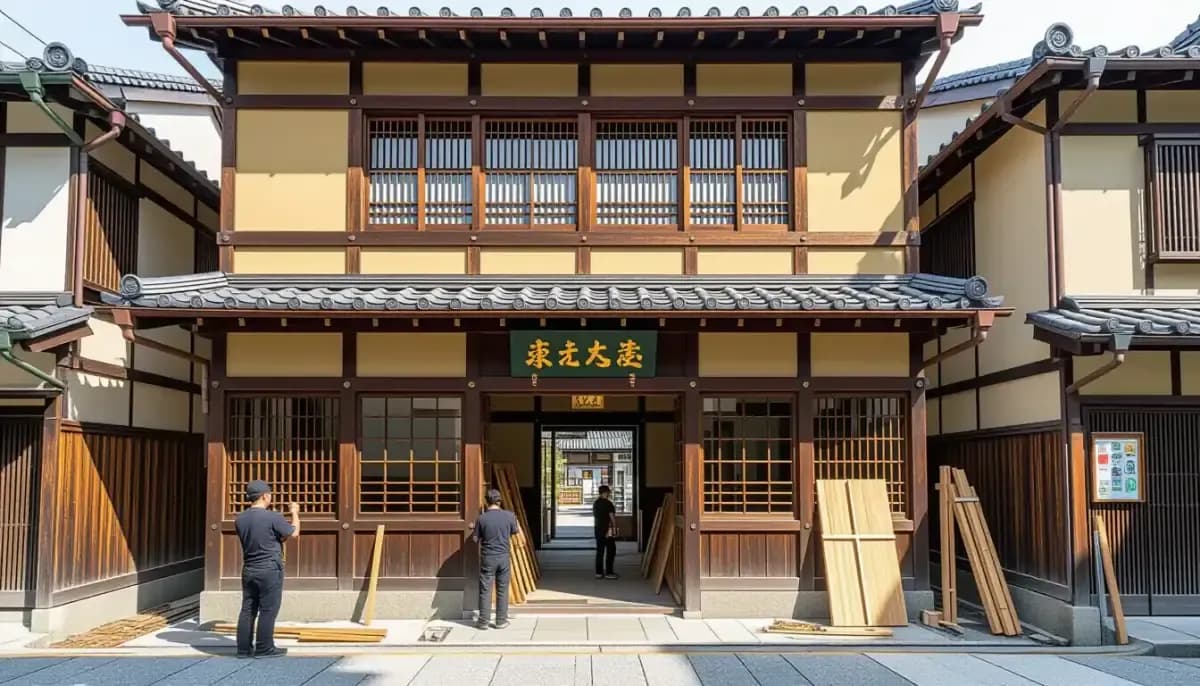
Renovating a Traditional House in Kyoto: Guide for Foreign Owners
Complete guide for foreigners renovating a traditional kyo-machiya townhouse in Kyoto. Covers costs (¥2M–¥20M+), preservation regulations, subsidies, financing, and how to find specialist contractors.
Read more →
Higashiyama Area Property Guide for Foreign Buyers
Complete guide to buying property in Higashiyama, Kyoto as a foreigner. Covers price ranges (¥12.8M–¥250M+), machiya townhouses, preservation regulations, investment yields, and step-by-step buying process.
Read more →
Arashiyama Area Property Guide for Foreign Buyers
Complete guide to buying property in Arashiyama as a foreigner. Covers property prices (¥5M–¥500M+), short-term rental rules, machiya ownership, mortgage access, and the full purchase process in Kyoto's iconic bamboo grove district.
Read more →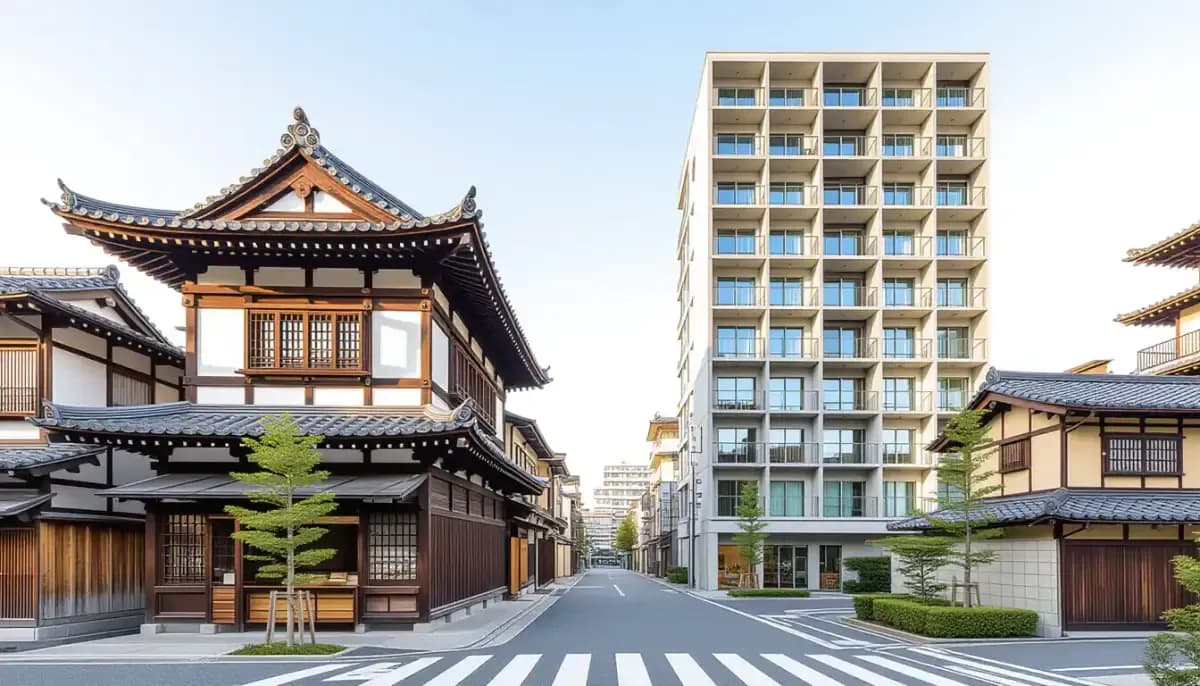
Kyoto vs Osaka Property Investment Comparison
Compare Kyoto and Osaka property investment for foreign buyers. Rental yields (4.26% vs 3-4%), prices, regulations, capital growth, and which city suits your investment goals.
Read more →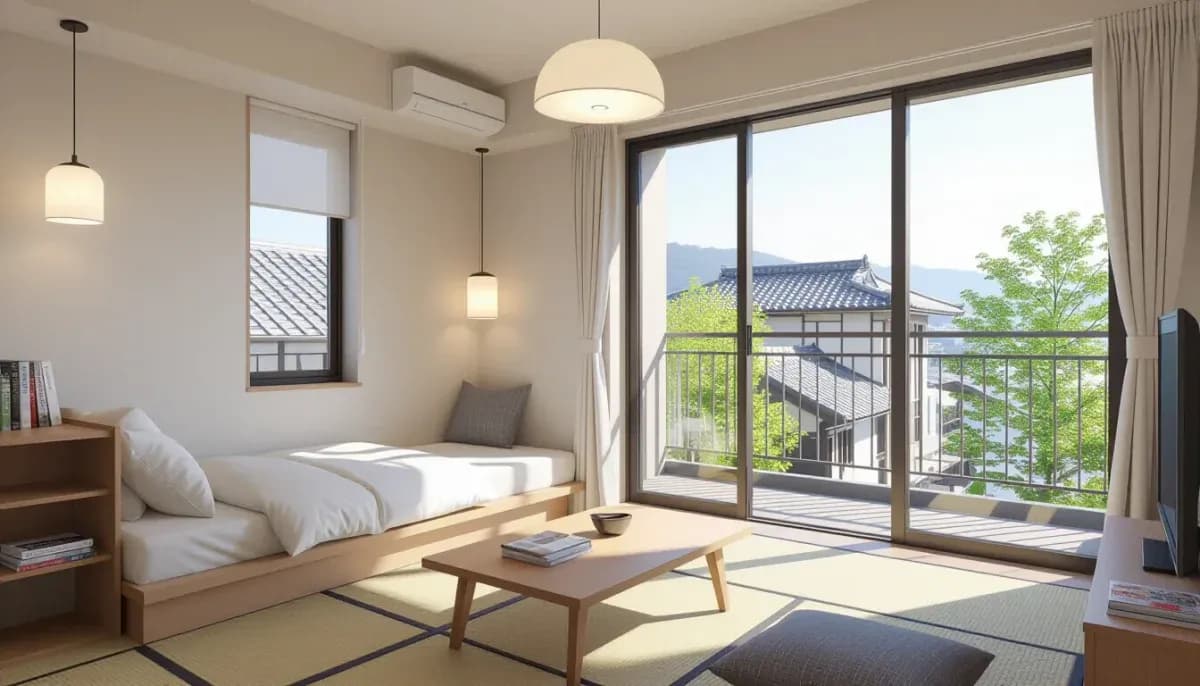
Kyoto Student Rental Investment Near Universities
Complete guide to investing in Kyoto student rental properties near universities for foreigners. Covers best areas, rental yields of 4-6%, legal requirements, financing, and management tips.
Read more →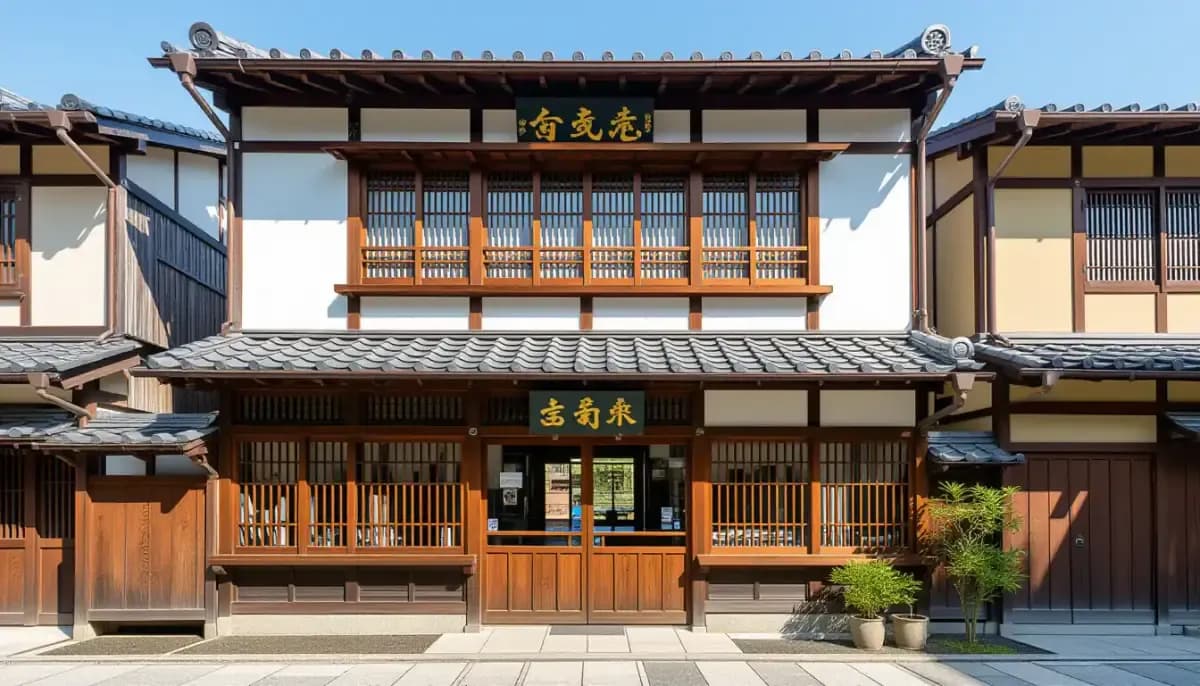
Kyoto Historic Preservation Areas and Property Rules
Understand Kyoto's strict historic preservation rules before buying property. Learn about machiya renovation restrictions, rebuilding-prohibited land, height limits, and what foreigners must know about purchasing in Kyoto's heritage districts.
Read more →