
Renovating a Traditional House in Kyoto: Guide for Foreign Owners

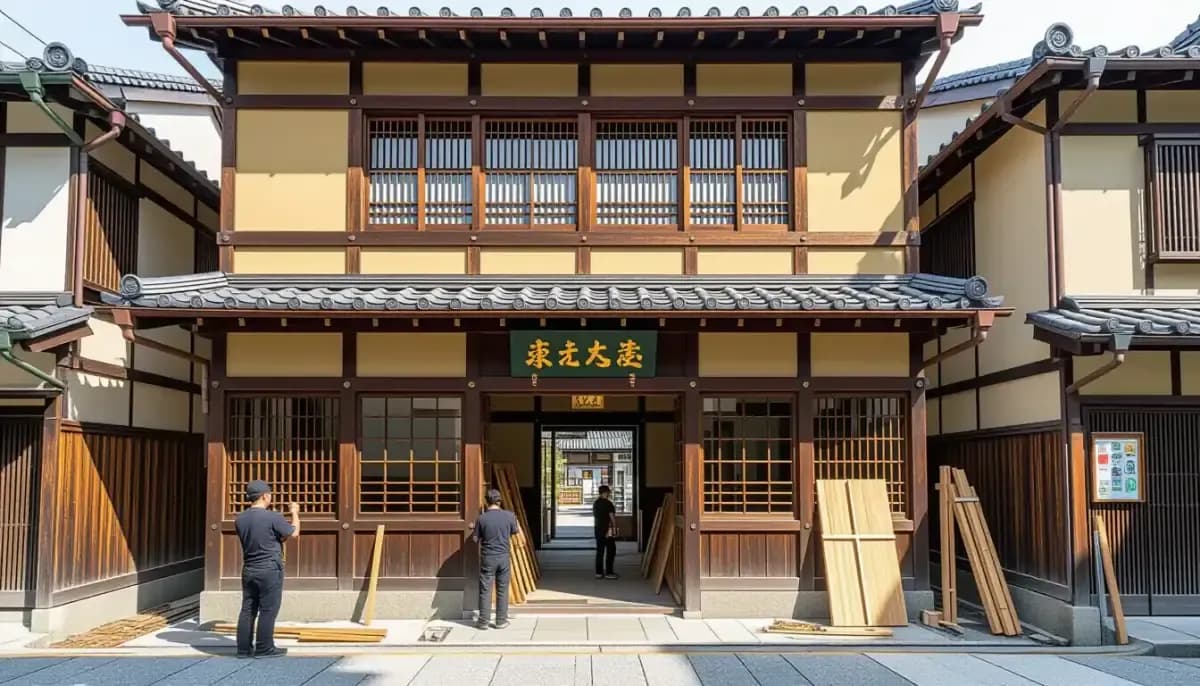
Complete guide for foreigners renovating a traditional kyo-machiya townhouse in Kyoto. Covers costs (¥2M–¥20M+), preservation regulations, subsidies, financing, and how to find specialist contractors.
Renovating a Traditional House in Kyoto: Complete Guide for Foreign Owners
Owning a traditional machiya townhouse in Kyoto is a dream for many foreigners who fall in love with Japan's ancient capital. These narrow wooden structures, some dating back centuries, represent one of the most authentic expressions of Japanese architectural heritage — and they can be purchased by foreigners at prices that may surprise you. However, renovation is rarely straightforward. Between Kyoto's strict preservation regulations, financing limitations for non-residents, and the specialized craftsmanship required, foreign buyers need to approach machiya renovation with careful preparation and realistic expectations.
This guide walks you through everything you need to know about renovating a kyo-machiya as a foreign owner: costs, regulations, financing, finding contractors, and how to navigate Japan's unique bureaucratic landscape. Whether you're planning a personal residence, a guesthouse, or a long-term investment, the information here will help you avoid costly mistakes and make your Kyoto renovation a success.
What Is a Kyo-Machiya and Why Does It Matter?
A kyo-machiya (京町家) is a traditional Kyoto townhouse, typically built before 1950 using centuries-old woodworking techniques involving nail-free joinery, earthen walls, and tiled roofs. The word "machiya" translates roughly to "town house" — they were historically built for merchants and craftspeople who needed both a shop front and a family living space. The result is a distinctive design: narrow facades (sometimes just 3–5 meters wide) with deep interiors that extend far back from the street, often enclosing a small inner garden called a tsuboniwa.
What makes machiya architecturally unique also makes them legally complex. The 1950 Building Standards Act effectively banned new construction using traditional methods, which means authentic machiya cannot be replicated today. This scarcity drives both their cultural importance and their growing commercial value — but it also explains why so many regulations surround their modification and demolition.
For foreign buyers, the appeal is real: machiya are often listed for ¥5–15 million (roughly $33,000–$100,000 USD), well below what comparable space would cost in any major Western city. However, renovation costs typically equal or exceed the purchase price, so total investment is considerably higher than the listing price suggests.
Understanding Kyoto's Preservation Regulations
Kyoto is not just any city — it is Japan's former imperial capital and one of the world's most regulated urban environments when it comes to architectural preservation. Before you lift a hammer or hire a contractor, you must understand the regulatory landscape.
The Machiya Preservation Ordinance
Kyoto City enacted the Kyoto Machiya Preservation and Regeneration Ordinance specifically to protect these structures. Under this framework:
- Demolition requires special government permission, which is rarely granted. You cannot simply tear down a machiya and rebuild on the same plot.
- Exterior design must remain authentic: wooden lattices (koshi), earthen walls (tsuchikabe), traditional tiling, and overall facade character must be maintained or restored to original appearance.
- Renovation materials must be traditional: if you replace lattice work or walls, the materials must match historical standards — modern vinyl or aluminum substitutes are not acceptable for exterior elements.
- Building height restrictions apply throughout central Kyoto to protect the historic skyline.
Un-Rebuildable Land: A Critical Risk Factor
Many machiya sit on what Japanese real estate law classifies as "un-rebuildable land" (再建築不可) — plots that cannot legally support new construction because they are accessed by lanes too narrow for fire trucks to enter. On such land, you cannot demolish the structure and build a new one, but you can repair and renovate the existing building indefinitely.
This distinction is crucial. Before purchasing, always confirm whether your target property is on rebuildable or un-rebuildable land. If it is un-rebuildable, your renovation options are broader in some ways (you are committed to working with the existing structure) but the property will also have significantly lower resale value and may be harder to finance.
Permits and Approvals
Interior renovations generally do not require permits unless you change the building's footprint, alter structural beams, change the use category (e.g., from residential to commercial), or add plumbing for commercial purposes. Converting a machiya to a guesthouse or restaurant requires full building code compliance review and commercial conversion approval from Kyoto City.
For more context on the legal framework around property ownership in Japan, see our guide: Legal Procedures and Documentation for Japan Property Purchase.
Renovation Costs: What to Realistically Budget
Cost is perhaps the most significant factor foreign buyers underestimate. Machiya renovation is expensive because it requires specialized traditional craftspeople (miyadaiku carpenters, plasterers, tile roofers) whose skills are scarce and whose hourly rates reflect that scarcity.
| Renovation Scope | Estimated Cost (JPY) | Estimated Cost (USD) |
|---|---|---|
| Minimal repairs (roof, plumbing basics) | ¥2–5 million | ~$13,000–$33,000 |
| Mid-range renovation (full interior) | ¥6–12 million | ~$40,000–$80,000 |
| Full restoration (interior + exterior) | ¥13–20+ million | ~$87,000–$130,000+ |
| Earthquake retrofitting (seismic upgrade) | ¥1–3 million add-on | ~$7,000–$20,000 |
| Guesthouse conversion (code compliance) | ¥5–10 million add-on | ~$33,000–$67,000 |
Key cost drivers include:
- Property condition: older, more deteriorated machiya cost more to repair
- Location within Kyoto: tourist-zone properties attract higher contractor rates
- Traditional vs. modern materials: authentic restoration using traditional materials costs significantly more than modern substitutes
- Intended use: converting to a rental property or guesthouse requires full commercial code compliance
- DIY vs. professional labor: some non-structural interior work can be done by owners, but structural and exterior work requires licensed Japanese contractors
For a broader perspective on renovation costs across Japan, Old Houses Japan's 2025 renovation cost guide provides detailed breakdowns by region and project type.
Financing: The Challenge for Foreign Owners
This is where many foreign buyers encounter their biggest obstacle. Foreigners who are not permanent residents of Japan typically cannot obtain housing loans from Japanese banks for traditional properties, and this applies with particular force to machiya.
The problem is structural: Japanese banks assess loan eligibility based primarily on the collateral value of the property (not just the borrower's income), and machiya — especially those on un-rebuildable land — are assessed at very low collateral values. A machiya listed for ¥8 million may have a bank-assessed value of ¥1–2 million for collateral purposes.
Financing Options for Foreign Buyers
- Cash purchase: The most common approach. Many foreign machiya buyers are cash buyers, often funded through savings, liquidated home equity in their home country, or family funds.
- Kyoto Shinkin Bank (京都信用金庫): Offers renovation-specific financing, but only for owner-occupied properties. Non-residents rarely qualify.
- Crowdfunding: Has been used successfully for historic property renovations in Kyoto Prefecture — a boathouse (funaya) conversion in Ine raised ¥8.4 million via Music Securities.
- SBA or international loans: Some buyers leverage financing from their home country to fund Japanese acquisitions, though cross-border complexity is significant.
- Seller financing: Occasionally possible for properties sitting on the market long-term, especially from aging owners who prefer a guaranteed sale.
For a full overview of mortgage options in Japan, see: Mortgages and Home Loans for Foreigners in Japan.
Government Subsidies and Grants
One bright spot for foreign buyers: Japan's government subsidies for historic renovation are accessible regardless of nationality, though residency requirements vary by program. Kyoto City in particular has active grant programs specifically targeting machiya preservation.
Key Subsidy Programs
Kyoto City Machiya Preservation Grants: Kyoto offers subsidies covering costs of roof repairs, structural reinforcement, exterior restoration, and traditional material replacement. Kyoto City has also offered up to ¥2,000,000 to households buying and renovating an existing home within city limits.
Earthquake Retrofitting Subsidies: Up to 50% of seismic upgrade costs, ranging from ¥1,000,000–¥3,000,000 depending on house size and location. These are critical given that many pre-1981 structures predate Japan's modern earthquake building codes.
Energy Efficiency Grants: Cover 30–50% of eligible costs (solar panels, insulation, updated windows), up to ¥500,000–¥1,000,000.
Regional Revitalization Subsidies: For buyers moving to designated revitalization zones within Kyoto Prefecture, grants of ¥500,000–¥2,000,000 may be available.
Municipal subsidies can cover 10–80% of eligible renovation costs depending on the specific program and how the work is categorized. The key is applying before you start work — most subsidy programs require pre-approval before renovation commences.
For details on grants across Japan, Old Houses Japan's 2025 subsidy guide is one of the best English-language resources available.
Finding the Right Contractor
Not every contractor in Japan is equipped to work on a traditional machiya, and hiring an inexperienced one can cause serious problems — including structural damage, regulatory violations, and loss of subsidy eligibility. Here is how to find qualified help:
Specialist Contractors
Look for contractors who explicitly describe expertise in kominka or machiya renovation. The Kyoto Center for Community Collaboration (まちづくりアドバイザー) maintains lists of contractors experienced with traditional properties and can provide referrals.
Organizations such as Kyoto Machiya Network connect property owners with specialists and can provide guidance on authentic renovation approaches.
What to Look For
- Experience with kyo-machiya specifically (not just general renovation)
- Knowledge of Kyoto City's preservation requirements
- Relationships with traditional material suppliers (earthen plaster, traditional tiles, cypress timber)
- Ability to assist with subsidy applications
Getting Quotes
Always get at minimum 3 competitive quotes from different contractors. Be specific about scope: what are you keeping, what are you replacing, and what must meet traditional material standards? A vague brief will produce wildly varying quotes.
Note that most contractor communication will be in Japanese. If you don't speak Japanese, you will need a reliable interpreter or a bilingual property manager to mediate.
For general guidance on living and navigating Japan's systems as a foreigner, Living in Nihon is a valuable community resource. For employment and visa matters that may intersect with your residency status and loan eligibility, see For Work in Japan. And for peer advice specifically from foreigners who have navigated the Japanese property buying process, Gaijin Buy House offers community-driven insights.
Common Renovation Pitfalls and How to Avoid Them
Underestimating Hidden Costs
Beyond contractor fees, budget for: architect/design fees (typically 10–15% of construction costs), permit application fees, temporary accommodation during renovation, furniture and fixtures (traditional machiya come empty), and landscaping of the tsuboniwa garden.
Ignoring Earthquake Safety
Pre-1981 structures in Japan were built to the old seismic code. Modern standards require significantly more structural reinforcement. Skipping seismic upgrades is tempting as a cost-saving measure but poses serious safety risks — and many subsidy programs require you to bring the property to modern earthquake standards.
Short-Term Rental Regulations
If you are planning to use your machiya as a short-term rental (Airbnb-style), be aware that Kyoto City has significantly tightened regulations on vacation rentals. Residential zones in Kyoto are restricted to short-term rental operation only on weekends and holidays under national minpaku law, with some zones prohibiting it entirely. Commercial conversion for a licensed guesthouse (ryokan license) requires compliance with full hospitality regulations.
Neglecting Pre-Purchase Surveys
Always commission a building survey before purchase. Machiya frequently have hidden damage: termites, dry rot, foundation settlement, and deteriorated electrical/plumbing systems. Survey costs are typically ¥50,000–¥150,000 but can save you millions in unexpected post-purchase costs.
Investment Potential
For those considering machiya ownership as an investment, the numbers can be compelling. According to Real Estate Japan, investors who have renovated machiya for tourism accommodation have achieved returns of up to 20% ROI annually. The Development Bank of Japan estimates that kominka tourism could generate ¥38 billion annually nationally.
However, these returns require active management, appropriate licensing, and favorable location. Not every machiya will achieve top-tier returns, and the initial investment is significant. Approach this as a passion project with investment potential rather than a purely financial play, and you will make better decisions.
For broader context on Kyoto's real estate market, see: Buying Property in Kyoto as a Foreigner: Complete Area Guide.
Getting Started: Your Action Plan
If you are serious about renovating a traditional house in Kyoto, here is a practical sequence to follow:
- Visit Kyoto multiple times before buying — walk the neighborhoods, attend open houses, and build familiarity with the machiya market.
- Secure financing first — establish whether you can access cash, overseas financing, or Japanese mortgage options before falling in love with a specific property.
- Engage a bilingual buyer's agent with machiya experience before you make any offers.
- Commission a pre-purchase survey on any property you seriously consider.
- Consult Kyoto City's preservation office to understand what regulations apply to your specific property.
- Apply for subsidies before starting work — most programs require pre-approval.
- Hire specialist contractors with machiya experience and get multiple quotes.
- Plan for the long timeline: a full machiya renovation typically takes 6 months to 1 year from start to move-in.
For a complete introduction to the property purchase process in Japan, start with: Complete Guide to Buying Property in Japan as a Foreigner.
Conclusion
Renovating a traditional machiya in Kyoto is one of the most rewarding real estate projects a foreigner can undertake in Japan — and one of the most demanding. The regulatory environment is strict, financing is challenging, and the required craftsmanship is specialized and expensive. But for those who approach it with preparation, patience, and adequate budget, the result is something extraordinary: a living piece of Japanese history that is entirely yours.
Japan's record 9 million vacant homes as of 2024 means that machiya in various states of condition continue to come to market, and Kyoto City actively wants to see them restored rather than demolished. Foreign buyers who bring capital, commitment, and respect for tradition are welcomed in this endeavor. With the right team and realistic expectations, your Kyoto renovation can be both a personal treasure and a sound long-term investment.

Originally from Vietnam, living in Japan for 16+ years. Graduated from Nagoya University, with 11 years of professional experience at Japanese and international companies. Sharing information about buying property in Japan for foreigners.
View Profile →Related Articles
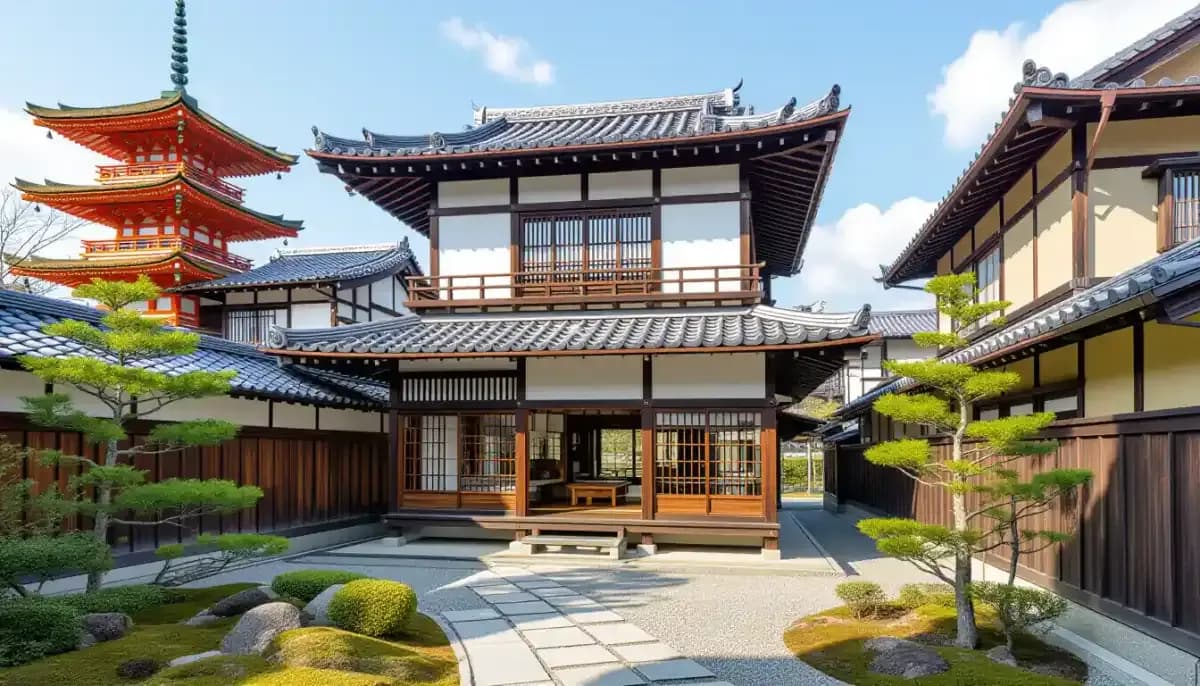
Northern Kyoto: Affordable Property Options for Foreigners
Discover affordable property options in northern Kyoto for foreigners. Kita Ward machiya from ¥20.8M, Sakyo Ward university rentals, akiya properties, and buying tips for expats.
Read more →
Higashiyama Area Property Guide for Foreign Buyers
Complete guide to buying property in Higashiyama, Kyoto as a foreigner. Covers price ranges (¥12.8M–¥250M+), machiya townhouses, preservation regulations, investment yields, and step-by-step buying process.
Read more →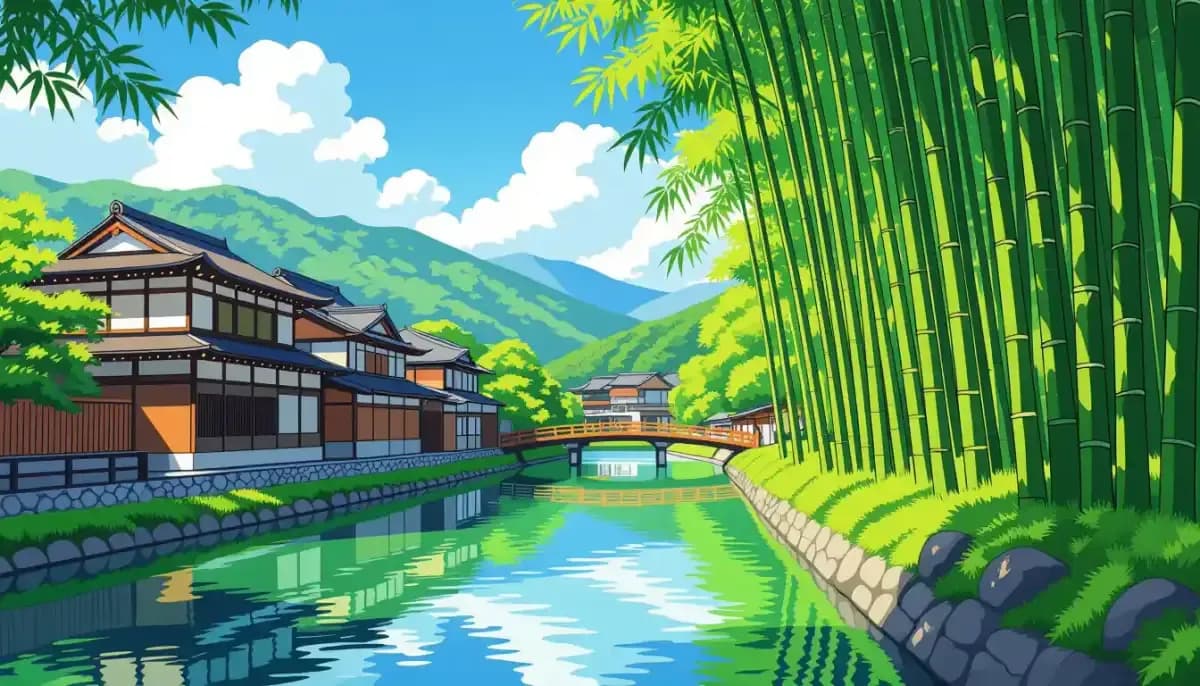
Arashiyama Area Property Guide for Foreign Buyers
Complete guide to buying property in Arashiyama as a foreigner. Covers property prices (¥5M–¥500M+), short-term rental rules, machiya ownership, mortgage access, and the full purchase process in Kyoto's iconic bamboo grove district.
Read more →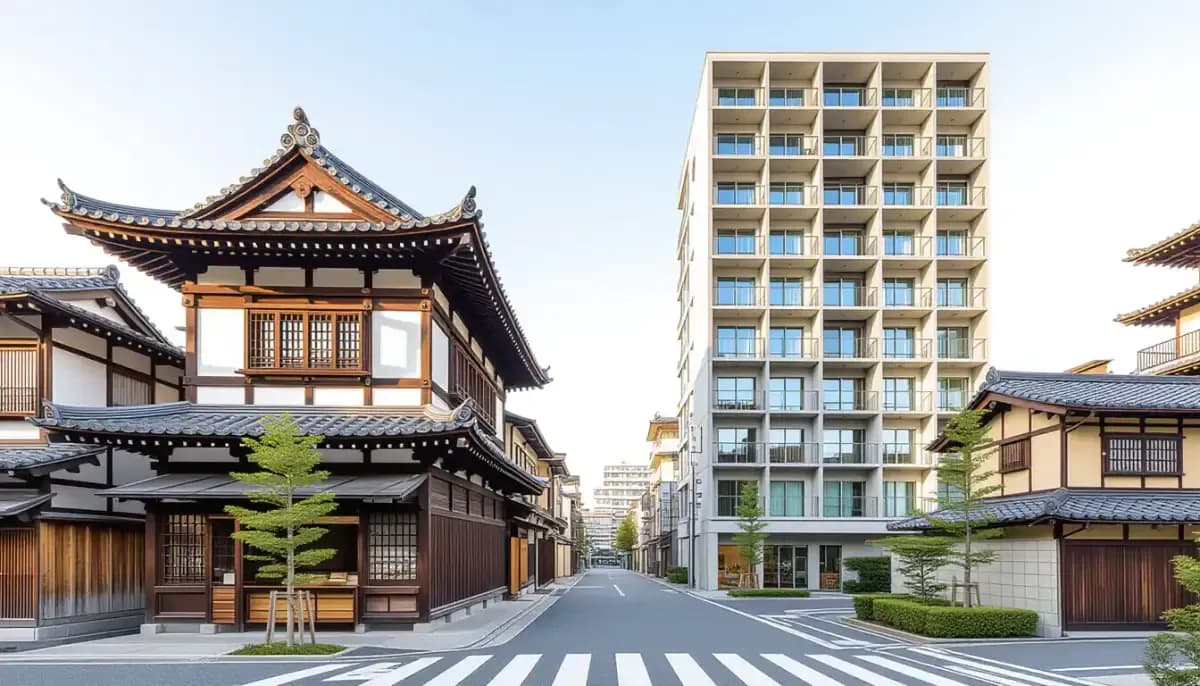
Kyoto vs Osaka Property Investment Comparison
Compare Kyoto and Osaka property investment for foreign buyers. Rental yields (4.26% vs 3-4%), prices, regulations, capital growth, and which city suits your investment goals.
Read more →
Kyoto Student Rental Investment Near Universities
Complete guide to investing in Kyoto student rental properties near universities for foreigners. Covers best areas, rental yields of 4-6%, legal requirements, financing, and management tips.
Read more →
Kyoto Historic Preservation Areas and Property Rules
Understand Kyoto's strict historic preservation rules before buying property. Learn about machiya renovation restrictions, rebuilding-prohibited land, height limits, and what foreigners must know about purchasing in Kyoto's heritage districts.
Read more →