
Kyoto Building Height Restrictions and How They Affect Property

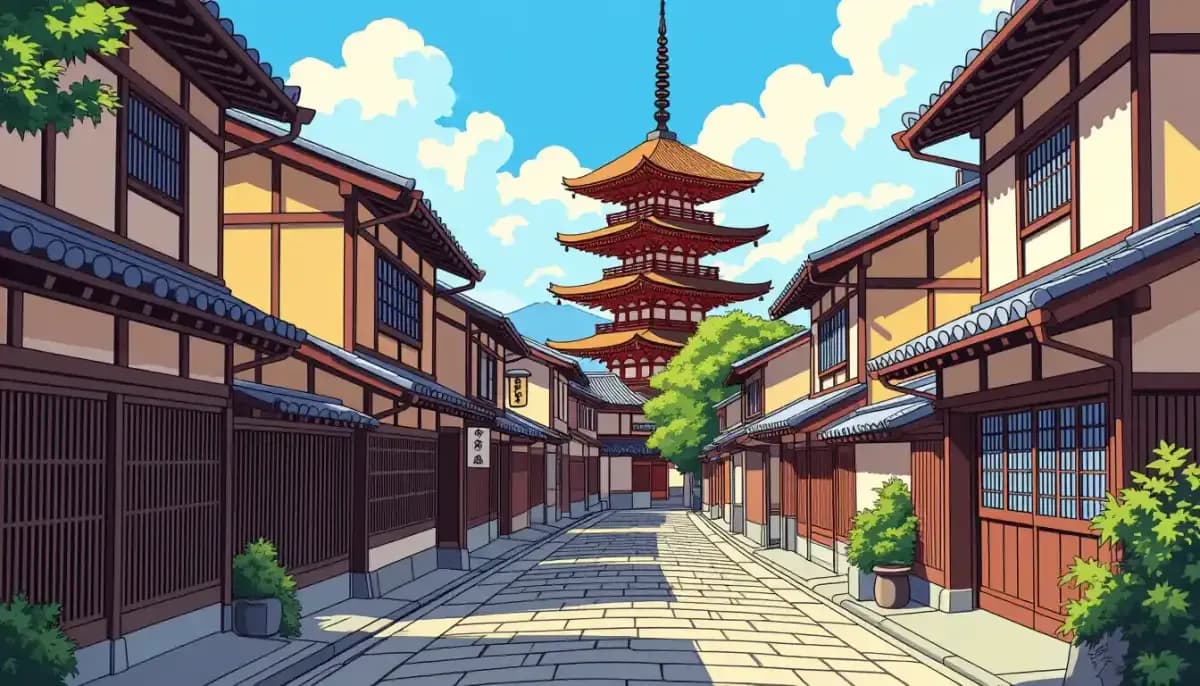
Kyoto's strict building height limits directly affect what you can build and how much properties are worth. Learn the rules, the 2023 changes, and what this means for foreign buyers in Kyoto.
Kyoto Building Height Restrictions and How They Affect Property
Kyoto is unlike any other major city in Japan. While Tokyo's skyline reaches boldly into the clouds and Osaka's neon towers push ever higher, Kyoto deliberately keeps itself low. If you are considering buying property in Kyoto — whether as a home, investment, or renovation project — understanding the city's unique building height restrictions is essential. These rules aren't just bureaucratic formalities; they directly affect what you can build, how much your property is worth, and what kind of neighborhood you'll be living in.
This guide covers everything foreigners need to know about Kyoto's building height regulations, how they differ from the rest of Japan, what the 2023 rule changes mean for buyers, and how these restrictions interact with property values and renovation plans.
Why Kyoto Has Stricter Building Height Rules Than Other Japanese Cities
Kyoto was Japan's imperial capital for over a thousand years, and the city has gone to extraordinary lengths to protect its historical character. Nearly 30 million tourists visit Kyoto every year, and the scenic streetscapes of Gion, Higashiyama, and the surrounding temple districts are a core part of what draws them. Allowing unrestricted high-rise development would permanently alter the visual identity that makes Kyoto globally unique.
The history of height regulation in Kyoto dates back to 1930, when the city first introduced Scenic Landscape Districts with height limits. The 1967 Ancient Capital Cities Preservation Law added another legal layer of protection. Then in 2007, Kyoto implemented its comprehensive City Landscape Policy in response to land price inflation and construction pressure that had begun to erode the traditional townscape during the early 2000s.
The result is a layered regulatory framework that operates at three levels: national rules under the Building Standards Act, prefectural guidelines, and Kyoto City's own municipal ordinances — which are the strictest in Japan for a major urban center.
Kyoto's Standard Height Limits: What the Rules Actually Say
Under Kyoto's city-wide landscape policy, the standard maximum building height is 45 meters across most of the city. While this sounds generous, it is far lower than comparable caps in Tokyo or Osaka, and in practice most districts in Kyoto have significantly lower limits than 45 meters.
Here is a summary of how height restrictions vary by area:
| Zone / Area | Maximum Height | Notes |
|---|---|---|
| Most of central Kyoto | 45 meters | General citywide cap |
| Low-Rise Residential Zones (national) | 10–12 meters | Kyoto may impose additional limits |
| Historic preservation districts (Gion, Higashiyama) | 10–15 meters | Strict design controls too |
| Near Kyoto Station (south) — post-2023 | 31 meters | Raised from 20–25m in April 2023 |
| Near Saiin Station (west) — post-2023 | 31 meters | Raised from 20–25m in April 2023 |
| Southern commercial zone (Kyocera Building area) | Up to 100 meters | Special exception area |
| All other areas near historic temples | Same or stricter | Varies by proximity to heritage sites |
Notable exceptions that predate the modern rules include Kyoto Tower at 131 meters (completed 1964, built despite significant public opposition) and the Kyocera Building at 95 meters in the southern commercial zone.
For foreign buyers, the key takeaway is that what you see in Kyoto — low, traditional rooflines interrupted only rarely by taller structures — is the direct result of these regulations, and those regulations are not going away.
The 2023 Rule Changes: What Changed and Why
In April 2023, Kyoto made its first significant relaxation of building height limits in decades, and it became international news. The change was specifically targeted: selected zones south and west of central Kyoto had limits raised from 20–25 meters to 31 meters.
The areas affected were:
- The district south of Kyoto Station (previously limited to 20–25 meters)
- The area around Saiin Station on the Hankyu Kyoto Line (previously 20 meters)
The rationale was explicitly economic and social. Kyoto's city government stated that people in their 20s and 30s were struggling to find affordable housing near their workplaces and schools. Allowing taller residential buildings in less historically sensitive areas would increase the number of housing units available on existing plots of land.
Crucially, all historically significant areas retained their existing limits. The zones near Kiyomizudera, the Imperial Palace, Gion, and the areas to the north and immediately east and west of Kyoto Station were not affected. Historic preservation remains the overriding priority in those areas.
For property investors, this creates an interesting dynamic: the areas where heights were increased are primarily transit-connected modern neighborhoods with good commuter access — exactly the type of locations that attract young professional renters and buyers.
For a broader picture of Kyoto real estate, see our guide on Buying Property in Kyoto as a Foreigner: Complete Area Guide.
How Height Restrictions Affect Property Values in Kyoto
Building height limits have a direct and sometimes counterintuitive impact on property prices in Kyoto.
In restricted historic zones, land values can be higher than they appear. A plot in Gion or Higashiyama that cannot legally be developed above 12–15 meters is still highly desirable because of its location and the scarcity of available land. The restrictions themselves protect the atmosphere that makes those neighborhoods valuable.
In newly relaxed zones, land prices may rise. Properties in the south Kyoto Station area and around Saiin Station could see increased developer interest now that taller buildings are permitted. For investors, this could mean rising land prices in those areas in the near-to-medium term.
Renovation projects face hidden complexity. Many older machiya (traditional Kyoto townhouses) are located in areas with strict height and design controls. If you buy one intending to renovate or rebuild, you may find that you cannot exceed the original building's height, must match certain roof angles and colors, and need to use approved materials. Construction costs for machiya renovations range from approximately 180,000 yen per square meter for simple work to over 220,000 yen per square meter for guesthouse-level conversions.
Floor Area Ratio (FAR) interacts with height limits. Even in areas where a 45-meter building would technically be allowed, FAR and Building Coverage Ratio (BCR) regulations may limit how much of a plot can actually be built upon. This effectively caps the development potential of many Kyoto properties beyond what height limits alone suggest.
For more on the general legal framework for property purchases, see Legal Procedures and Documentation for Japan Property Purchase.
Design Controls in Historic Districts: Beyond Just Height
In Kyoto's designated historical preservation districts, the rules extend far beyond building height. Property owners — including foreign buyers — must comply with comprehensive design codes that regulate:
- Roof shape and material: Traditional tile roofing is typically required; modern flat roofs or metal roofing may be prohibited or restricted
- Roof color: Usually limited to traditional dark gray or black
- Roofline angle: Steep gable roofs matching historical proportions
- Wall color and material: Earthy tones — white, beige, dark brown — are standard; bright or modern colors are restricted
- Signage: Must be positioned low, in subdued colors, and in some cases in traditional Japanese style
The degree of strictness increases the closer a property is to major tourist attractions. Famous examples of commercial properties adapting to these rules include:
- McDonald's in the Gion district was designed in traditional Kyoto style with dark wood panels and subdued signage instead of the standard golden arches and red branding
- Lawson convenience store in Gion recolored its logo from the standard blue and white to white and brown to blend with the streetscape
These are not voluntary branding choices — they are legally required compliance measures. As a property owner in these areas, you would face the same design obligations.
For context on Japan's broader zoning framework, MailMate's guide to Japanese zoning laws provides a clear explanation of the 13 national land use categories and how they interact with municipal regulations.
Practical Implications for Foreign Buyers and Investors
Foreign nationals face no legal barriers to buying property in Kyoto. There are no nationality-based restrictions — the same rules apply to Japanese and non-Japanese buyers equally. However, you are required to notify the Bank of Japan within 20 days of acquiring real estate. Property ownership in Japan does not by itself grant any visa or residency rights.
When evaluating a Kyoto property, here are the key building regulation questions to investigate before purchase:
- What is the designated use zone? Japan has 13 zoning categories; each has different building use permissions and height/FAR/BCR limits.
- Is the property in a landscape preservation district? This adds design controls on top of basic height limits.
- Is the property near a designated historic cultural property? Additional buffer zone restrictions may apply.
- What is the current building's height, and does it comply with today's rules? Some older buildings were built before current restrictions and are grandfathered in — but you may not be able to rebuild to the same height if the structure is demolished.
- What are the renovation permit requirements? Even interior work on historically protected structures may require approval from the city.
For guidance on navigating the full purchase process, see Step-by-Step Home Buying Process in Japan for Foreigners and Hidden Costs and Fees When Buying Property in Japan.
The Arrows International Realty guide to building laws in Japan is also a useful resource for understanding the national Building Standards Act framework that underlies all municipal regulations.
Kyoto vs. Other Major Japanese Cities: A Comparison
Understanding how Kyoto compares to other cities helps put these restrictions in perspective for buyers considering multiple locations.
| City | General Height Policy | Key Characteristic |
|---|---|---|
| Kyoto | 45m cap citywide, much lower in historic zones | Strictest landscape controls of any major Japanese city |
| Tokyo | No citywide cap; varies by zone (some allow 200m+) | High-density development encouraged in commercial zones |
| Osaka | Fewer restrictions than Kyoto; commercial towers common | Balanced approach; some historic areas with limits |
| Nara | Similar historic preservation ethic to Kyoto | Strict near heritage sites; fewer high-rises overall |
| Fukuoka | Generally permissive; modern city with less heritage | Fewer restrictions; growing high-rise market |
Kyoto's approach is unique in Japan. It deliberately accepts some economic efficiency losses (fewer housing units per plot, higher per-unit construction costs) in exchange for preserving the visual and cultural environment that makes the city globally valuable. For buyers who prioritize that environment, this is a feature. For buyers who want maximum development flexibility, it is a constraint.
For broader comparisons of regional markets, see Japan Real Estate Market Overview and Trends for Foreigners.
Working With Kyoto's Regulations: Tips for Buyers
If you have decided that Kyoto is where you want to buy, here are practical steps for navigating the building height and design framework:
Hire a local real estate agent with Kyoto expertise. Not all Japanese agents — and very few foreign-market agents — will be familiar with Kyoto's specific ordinances. Look for agents who specialize in Kyoto City properties and who can pull the relevant zoning and landscape designation documents for any property you are seriously considering.
Request a zoning certificate (用途地域証明書) and landscape designation report. These documents confirm the zone type, applicable height limits, FAR, BCR, and any special preservation restrictions on a specific parcel.
Budget for design compliance if renovating. If you are buying a machiya or other traditional structure in a preservation district, allocate additional budget and time for the permit process and the design requirements that will constrain your renovation options.
Consider consulting an architect before making an offer. An architect familiar with Kyoto's building regulations can quickly assess whether your intended use of a property is actually permitted, and what modifications would be required. This is especially important for buyers considering converting a property to short-term rental accommodation, which has additional regulatory hurdles in Kyoto.
For more resources on living and working in Japan as a foreigner, Living in Nihon and For Work in Japan offer practical guides on settling into Japanese life. For more property-specific advice, Gaijin Buy House is a helpful resource for English-speaking buyers navigating the Japanese real estate market.
The Japan Property Central article on Kyoto's new building height rules provides more technical detail on how the 2023 changes were structured if you want to go deeper on the regulatory specifics.
Conclusion
Kyoto's building height restrictions are one of the most defining features of its real estate market. They are strict, they are enforced, and they are unlikely to be significantly loosened in historically sensitive areas. For buyers, this means lower density, preserved neighborhood character, constrained development flexibility, and a property market shaped by regulatory scarcity as much as by demand.
The 2023 rule changes opened some additional development potential in select southern and western zones, creating opportunities for investors interested in those transit-connected areas. But the core of Kyoto — the historic districts, the temple neighborhoods, the preserved streetscapes — remains subject to some of the tightest building controls in Japan.
Understanding these rules before you buy is not optional. It is essential. The legal framework affects what you can do with your property, how much it costs to renovate, and what your neighbors will be building next door. Work with knowledgeable local professionals, verify the specific zoning and landscape designations for any property you are considering, and budget accordingly.
Kyoto's restrictions exist because the city made a deliberate choice to preserve what makes it extraordinary. As a property owner, you become part of that commitment.

Originally from Vietnam, living in Japan for 16+ years. Graduated from Nagoya University, with 11 years of professional experience at Japanese and international companies. Sharing information about buying property in Japan for foreigners.
View Profile →Related Articles
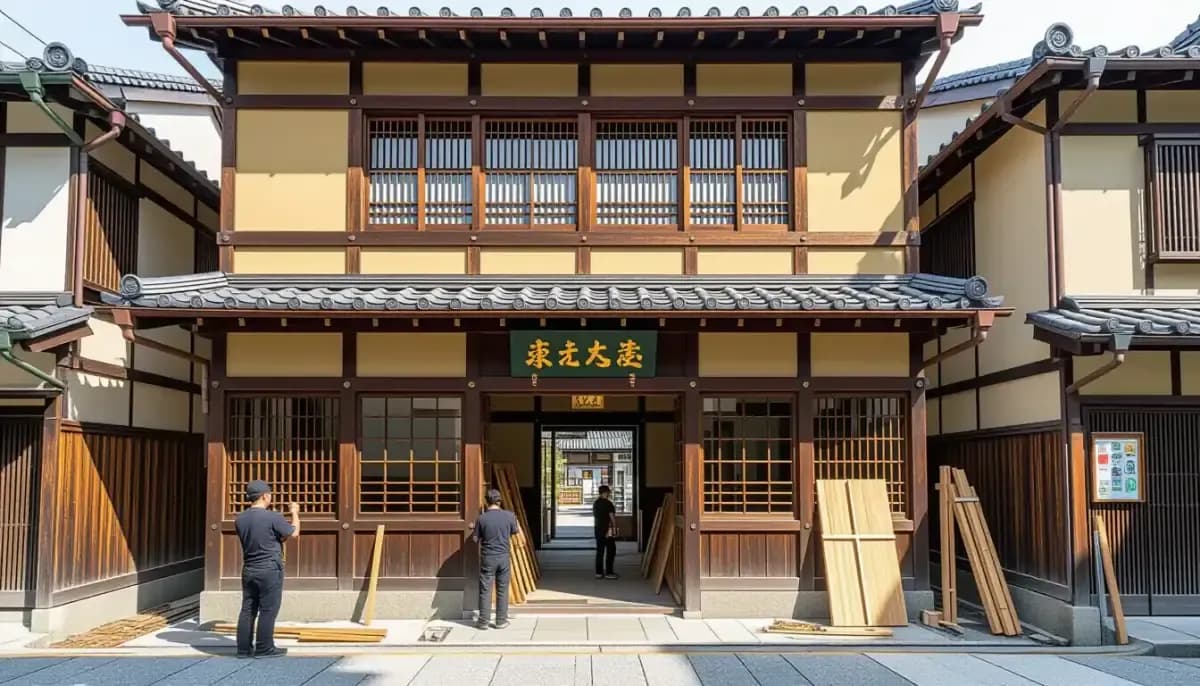
Renovating a Traditional House in Kyoto: Guide for Foreign Owners
Complete guide for foreigners renovating a traditional kyo-machiya townhouse in Kyoto. Covers costs (¥2M–¥20M+), preservation regulations, subsidies, financing, and how to find specialist contractors.
Read more →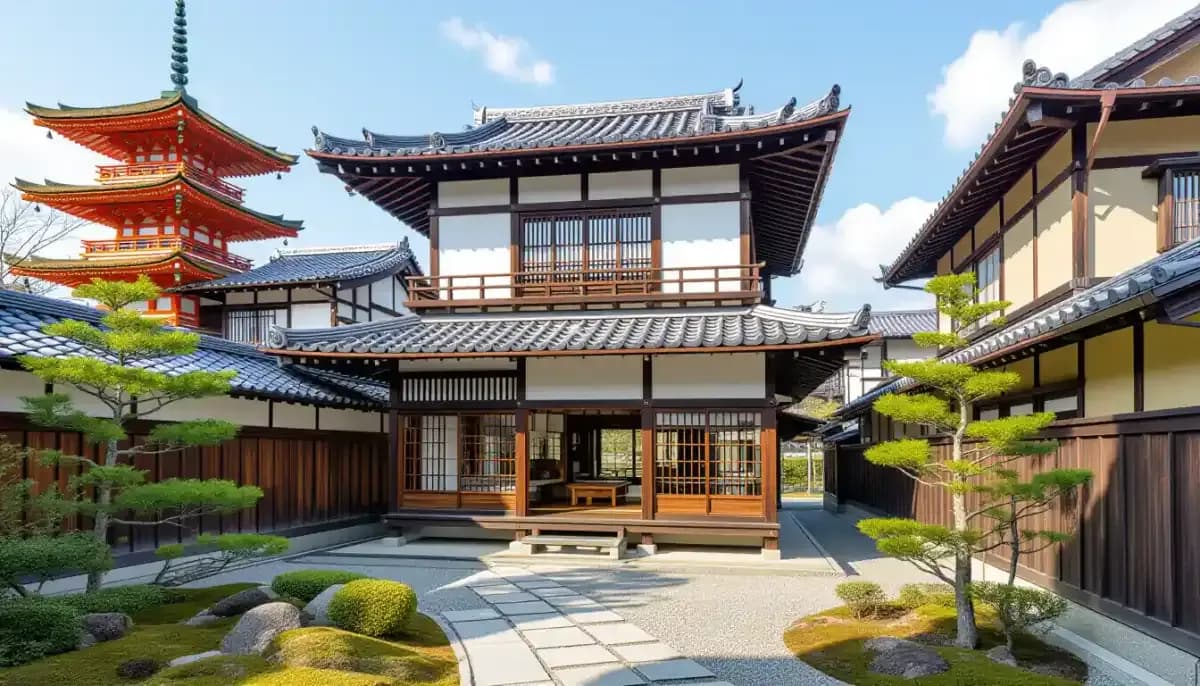
Northern Kyoto: Affordable Property Options for Foreigners
Discover affordable property options in northern Kyoto for foreigners. Kita Ward machiya from ¥20.8M, Sakyo Ward university rentals, akiya properties, and buying tips for expats.
Read more →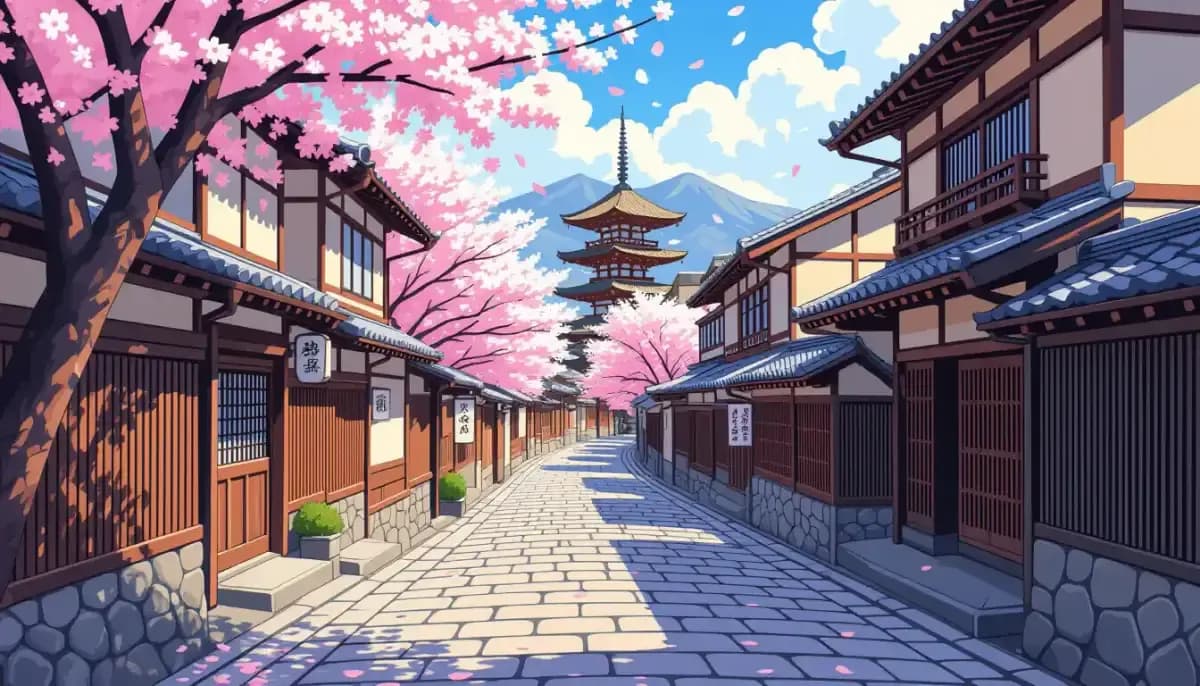
Higashiyama Area Property Guide for Foreign Buyers
Complete guide to buying property in Higashiyama, Kyoto as a foreigner. Covers price ranges (¥12.8M–¥250M+), machiya townhouses, preservation regulations, investment yields, and step-by-step buying process.
Read more →
Arashiyama Area Property Guide for Foreign Buyers
Complete guide to buying property in Arashiyama as a foreigner. Covers property prices (¥5M–¥500M+), short-term rental rules, machiya ownership, mortgage access, and the full purchase process in Kyoto's iconic bamboo grove district.
Read more →
Kyoto vs Osaka Property Investment Comparison
Compare Kyoto and Osaka property investment for foreign buyers. Rental yields (4.26% vs 3-4%), prices, regulations, capital growth, and which city suits your investment goals.
Read more →
Kyoto Student Rental Investment Near Universities
Complete guide to investing in Kyoto student rental properties near universities for foreigners. Covers best areas, rental yields of 4-6%, legal requirements, financing, and management tips.
Read more →