
Kyoto Student Rental Investment Near Universities

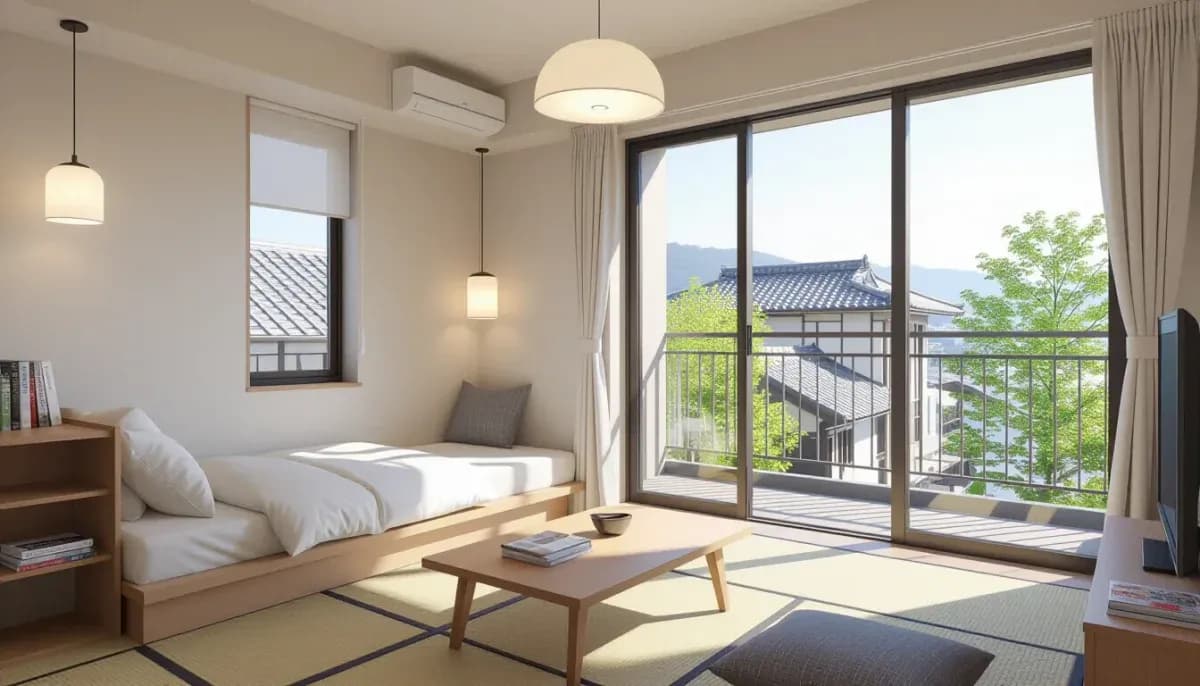
Complete guide to investing in Kyoto student rental properties near universities for foreigners. Covers best areas, rental yields of 4-6%, legal requirements, financing, and management tips.
Kyoto Student Rental Investment Near Universities: A Complete Guide for Foreign Investors
Kyoto is one of Japan's most sought-after cities — a living museum of temples, traditional culture, and academic excellence. What many foreign investors overlook is that beneath the tourist veneer lies one of Japan's most stable rental markets: student housing near Kyoto's world-class universities. With over 150,000 university students spread across 30+ institutions, Kyoto offers a structural demand floor that keeps vacancy rates low even when the broader real estate market fluctuates.
This guide breaks down everything you need to know about investing in Kyoto student rental properties as a foreigner — from the best university neighborhoods and expected yields to legal requirements, financing options, and management strategies.
Why Kyoto Is a Top City for Student Rental Investment
Kyoto's academic ecosystem is uniquely concentrated. Unlike Tokyo or Osaka where universities are spread across a vast metropolitan area, Kyoto's major institutions — Kyoto University, Doshisha University, Ritsumeikan University, and others — cluster within or adjacent to the central wards of the city. This concentration means that student rental demand is geographically focused, predictable, and persistent.
Key advantages for investors:
- Structural demand: 150,000+ students need housing every year, and the student population replenishes itself automatically
- Low vacancy risk: Popular university corridors maintain sub-5% vacancy rates even in slow seasons
- Stable rents: Student rents are less volatile than short-term tourist rentals, providing predictable income
- Tourism premium: Kyoto's desirability as a city maintains property values even outside university zones
- Strict short-term rental limits: Kyoto's minpaku regulations (limited to ~60 days/year) push landlords toward long-term rentals, reducing supply competition
Rental demand is further boosted by Kyoto's growing international student population, which has increased steadily year-on-year. Foreign students — particularly from China, South Korea, and Southeast Asia — often require furnished apartments and longer leases, which can command a slight premium.
Best University Areas for Rental Investment in Kyoto
Not all neighborhoods are equal when it comes to student rental investment. Location relative to the nearest campus is the single biggest factor in occupancy rate and rental price.
Sakyo-ku / Demachiyanagi (Kyoto University Area)
This is Kyoto's premier student rental zone. Kyoto University, with over 22,000 students, anchors the neighborhood around Demachiyanagi and Hyakumanben. The area offers:
- Rental yield: 4.5–6% for well-positioned 1K/1DK units
- Average student rent: ¥50,000–¥75,000/month
- Property price appreciation: 5–10% above city average over recent years
- Strong secondary demand: Graduate students and young professionals also rent here
Investment tip: 1K apartments (1 room + kitchen, 20–30 sqm) within 10 minutes' walk of the university's main gates command the best occupancy.
Nakagyo-ku / Imadegawa (Doshisha University Area)
Doshisha University sits at the north end of Karasuma Street, one of Kyoto's main arteries. The surrounding Nakagyo and Kamigyo wards are highly accessible, with subway and bus connections.
- Rental yield: 4–5.5%
- Average student rent: ¥55,000–¥80,000/month
- Bonus: Close to downtown Kyoto, attracting working professionals as secondary tenants
Kinkakuji / Kinugasa (Ritsumeikan University Area)
Ritsumeikan University has a major campus in the Kinugasa area (northwest of central Kyoto), with approximately 30,000 students across its Kyoto campuses. This area offers slightly lower purchase prices than Sakyo-ku, making it attractive for investors focused on yield.
- Rental yield: 4.5–6.5%
- Average student rent: ¥45,000–¥70,000/month
- Trade-off: Less central location, but strong student demand remains steady
Fushimi / Momoyama (Ryukoku University and Others)
Southern Kyoto neighborhoods near Fushimi Inari and along the Kintetsu line serve several smaller universities. Lower purchase prices can push yields above 6%, though vacancy risk is slightly higher.
| Area | University | Avg Rent (1K) | Estimated Yield | Price per sqm |
|---|---|---|---|---|
| Sakyo-ku / Demachiyanagi | Kyoto University | ¥60,000–¥75,000 | 4.5–6% | ¥600,000–¥900,000 |
| Nakagyo-ku / Imadegawa | Doshisha University | ¥55,000–¥80,000 | 4–5.5% | ¥550,000–¥800,000 |
| Kinkakuji / Kinugasa | Ritsumeikan University | ¥45,000–¥70,000 | 4.5–6.5% | ¥450,000–¥700,000 |
| Fushimi / Momoyama | Ryukoku University | ¥40,000–¥60,000 | 5–7% | ¥350,000–¥550,000 |
Rental Yields and Financial Returns
The headline rental yield for university-adjacent long-term rentals in Kyoto ranges from 4–6%, which compares favorably with central Tokyo (2–3.5%) and many Western cities. However, understanding gross versus net yield is critical.
Gross yield is simply annual rent divided by purchase price. A ¥20 million apartment renting at ¥70,000/month = ¥840,000/year = 4.2% gross yield.
Net yield accounts for:
- Property management fees: 5–10% of monthly rent
- Property tax (固定資産税): approximately 1.4% of assessed value annually
- City planning tax (都市計画税): 0.3% of assessed value in urban areas
- Maintenance and repair reserves: ¥5,000–¥15,000/month in older buildings
- Insurance: ¥30,000–¥60,000/year
- Vacancy periods: budget 1–2 months empty per year for turnover
After these deductions, net yields typically land 1–1.5 percentage points below gross. A 5% gross yield realistically delivers 3.5–4% net — still solid by international standards.
Rent growth: As of early 2026, newly listed rental properties in Kyoto have seen rent increases of approximately 2–3% year-on-year, driven by tourism-sector spillover, yen weakness attracting foreign remote workers, and general supply constraints in central wards. Long-term investors benefit from this gradual rent escalation.
For more details on the overall financial picture of owning property in Japan, read our guide on Property Taxes and Annual Costs of Owning Property in Japan.
Legal Framework for Foreign Investors
Japan is one of the most foreigner-friendly property markets in Asia. There are no nationality-based ownership restrictions — foreigners can buy land, apartments, and commercial buildings outright, with the same rights as Japanese nationals.
What you need to legally purchase:
- My Number (個人番号) — Japan's national ID number, which foreigners residing in Japan receive automatically. Non-residents can still buy property but will need a Japanese tax agent.
- Registered seal (inkan) — used to sign documents. A personal rubber stamp, registered at the local ward office.
- Bank account — a Japanese bank account simplifies the transaction and ongoing rent collection, though it's not legally mandatory.
For non-resident foreigners:
- You can purchase property remotely via power of attorney
- You must appoint a tax representative (税務代理人) to file annual rental income tax on your behalf
- Rental income from Japanese property is subject to Japanese income tax (20.42% withholding for non-residents, or filed at standard progressive rates if you elect to)
Kyoto also has no additional foreign buyer surcharges or approval processes — transactions follow the standard Japanese purchase process. For a full legal overview, see our article on Legal Procedures and Documentation for Japan Property Purchase.
Financing Options for Foreign Buyers
Financing is the most common obstacle for foreign investors in Japan. Japanese banks typically require permanent residency and a Japanese income history.
Mortgage options for foreigners:
| Lender | Non-Resident Eligible | LTV | Interest Rate | Notes |
|---|---|---|---|---|
| Tokyo Star Bank | Yes | Up to 70% | 1.5–2.5% | English service available |
| Suruga Bank | Yes (case by case) | Up to 70% | 2–3% | Higher flexibility for self-employed |
| SMBC Trust Bank (Prestia) | PR holders preferred | Up to 80% | 0.5–1.5% | Best rates, stricter requirements |
| Overseas banks | Yes | 60–75% | Varies | Finance in home country, purchase in Japan |
Non-residents without permanent residency often find that cash purchase is the most straightforward route, especially for lower-priced student-area properties in the ¥10–25 million range. The lack of financing costs improves net yield significantly.
For those eligible for Japanese mortgages, the current low-interest environment (rates starting below 1% for fixed-rate products) can significantly amplify returns through leverage. Read our detailed guide on Mortgages and Home Loans for Foreigners in Japan for current lender options.
Property Types Best Suited for Student Rentals
Not every property type performs equally well as a student rental.
Best performers:
- 1K and 1DK apartments (18–35 sqm): The bread-and-butter of student rental. Affordable rent, easy to fill, low maintenance costs. New or recently renovated units within 5–15 minutes' walk of campus command premium rents.
- Small apartment buildings (アパート): Buying an entire wooden apartment building (2–3 floors, 4–8 units) near a university can deliver strong portfolio yields, though renovation costs must be carefully assessed.
- Newly built studio condominiums: New-build 1K units in university corridors are increasingly popular with both domestic and international students. Higher purchase price but lower maintenance costs and better financing options.
Avoid:
- Large 2LDK/3LDK family-sized units — student demand focuses on compact single-person accommodation
- Properties more than 20 minutes from campus — even in Kyoto's compact geography, students strongly prefer walkable or one-transfer access
- Pre-1981 buildings without seismic retrofit — Japan's 1981 Building Standards Act introduced strict earthquake resistance requirements (新耐震). Older buildings without the 旧耐震 to 新耐震 retrofit are harder to finance and carry higher maintenance risk
The Types of Properties Available in Japan guide provides a comprehensive breakdown of property categories relevant to all buyers.
Managing Student Rental Properties as a Foreign Owner
Absentee property management is a well-established industry in Japan. Most foreign investors hire a local property management company (管理会社) to handle:
- Tenant screening and lease agreements
- Rent collection and remittance (typically monthly)
- Maintenance requests and repairs
- Move-in / move-out inspections and cleaning
- Legal compliance and renewal notifications
Management fees typically run 5–10% of collected rent, with some companies charging flat monthly fees (¥5,000–¥15,000/month per unit). For university-area apartments, many management companies have relationships with university housing offices, which can help maintain low vacancy by connecting landlords with incoming students directly.
Student tenancy patterns to be aware of:
- Academic year begins in April — expect turnover in February/March as students graduate
- International students often need furnished apartments and longer leases (1–2 years)
- Guarantor requirements: Japan historically required a Japanese guarantor for rental agreements; today, most landlords accept rental guarantee companies (保証会社) instead, which is more accessible for foreign students
For insight into life as a foreigner in Japan and useful rental context, Living in Nihon offers practical guides covering everything from setting up utilities to neighborhood guides across major Japanese cities.
If you're considering working in Japan alongside your investment, For Work in Japan provides resources on employment visas, remote work, and building a life in Japan as a foreign professional.
Short-Term vs. Long-Term Rental Strategy in Kyoto
Kyoto's minpaku (民泊) regulations are the strictest in Japan. Under the 2018 Minpaku Law, most residential zones in Kyoto only permit short-term rental operations for approximately 60 days per year (roughly January 15 to March 15). Additional restrictions apply in many neighborhoods year-round.
A new Kyoto city lodging tax took effect in March 2026, charging up to ¥10,000 per night for premium accommodations, further reducing the economics of tourist-focused short-term rental.
The conclusion for student property investors: long-term rental is the dominant viable strategy in Kyoto. The regulatory environment deliberately channels residential properties toward long-term occupants, which aligns perfectly with student rental investment.
This contrasts sharply with Osaka, where short-term rentals are permitted in certain zones. If you're considering Osaka as an alternative, our Complete Osaka Property Guide for Foreigners covers the differences in detail.
For broader context on the Kyoto property market beyond student rentals, including luxury and renovation-focused investments, Gaijin Buy House provides English-language resources tailored specifically for foreign property buyers navigating the Japanese market.
Key Steps to Your First Kyoto Student Rental Investment
- Define your budget — Entry-level 1K units near universities start at ¥8–15 million. Budget an additional 6–8% for transaction costs (agent fees, registration taxes, stamp duty).
- Choose your target area — Sakyo-ku for Kyoto University, Nakagyo-ku for Doshisha, Kinugasa for Ritsumeikan. Proximity to campus is the primary filter.
- Engage a foreigner-friendly real estate agent — Look for agents with English service and experience helping non-resident buyers. Platforms like Real Estate Japan and PLAZA HOMES are good starting points.
- Conduct building due diligence — Confirm post-1981 construction or seismic retrofit, check management association fees for condominiums, review repair reserve fund balance.
- Set up property management — Select a local management company before purchase, preferably one with university housing connections.
- Register rental income — File annual Japanese tax returns (or appoint a tax representative if non-resident). Rental income is taxable in Japan regardless of your home country residency status.
For a complete walkthrough of the purchase process from search to closing, see our Step-by-Step Home Buying Process in Japan for Foreigners.
Common Mistakes to Avoid
- Underestimating renovation costs: Older properties near universities are often priced attractively but require 30–50% of purchase price in renovations. Always get a professional inspection and renovation estimate before committing.
- Ignoring the management fee structure: A poorly chosen management company can erode yield significantly. Compare fees and ask specifically about their vacancy rate history for similar properties.
- Buying based on gross yield alone: Net yield after taxes, fees, and maintenance is what matters. Run a detailed pro forma before purchase.
- Overlooking legal obligations: Even if you live abroad, you must file Japanese tax returns if you earn rental income from Japanese property. Failure to comply carries significant penalties.
Conclusion
Kyoto's combination of world-class universities, strict short-term rental regulations, and a concentrated student population creates an unusually favorable environment for long-term rental investment. University-adjacent neighborhoods like Sakyo-ku and Nakagyo-ku offer 4–6% gross yields backed by structural demand that renews itself every academic year.
For foreign investors, the absence of ownership restrictions and a well-developed property management ecosystem means Kyoto student rental investment is more accessible than many realize. The main hurdles — financing and renovation cost estimation — are manageable with the right preparation and local partners.
Whether you're looking for your first investment property in Japan or diversifying an existing portfolio, Kyoto's university corridors deserve serious consideration.
For more background on property investment across Japan, our Complete Guide to Buying Property in Japan as a Foreigner covers the full picture from legal rights to market trends.
Additional resources:

Originally from Vietnam, living in Japan for 16+ years. Graduated from Nagoya University, with 11 years of professional experience at Japanese and international companies. Sharing information about buying property in Japan for foreigners.
View Profile →Related Articles
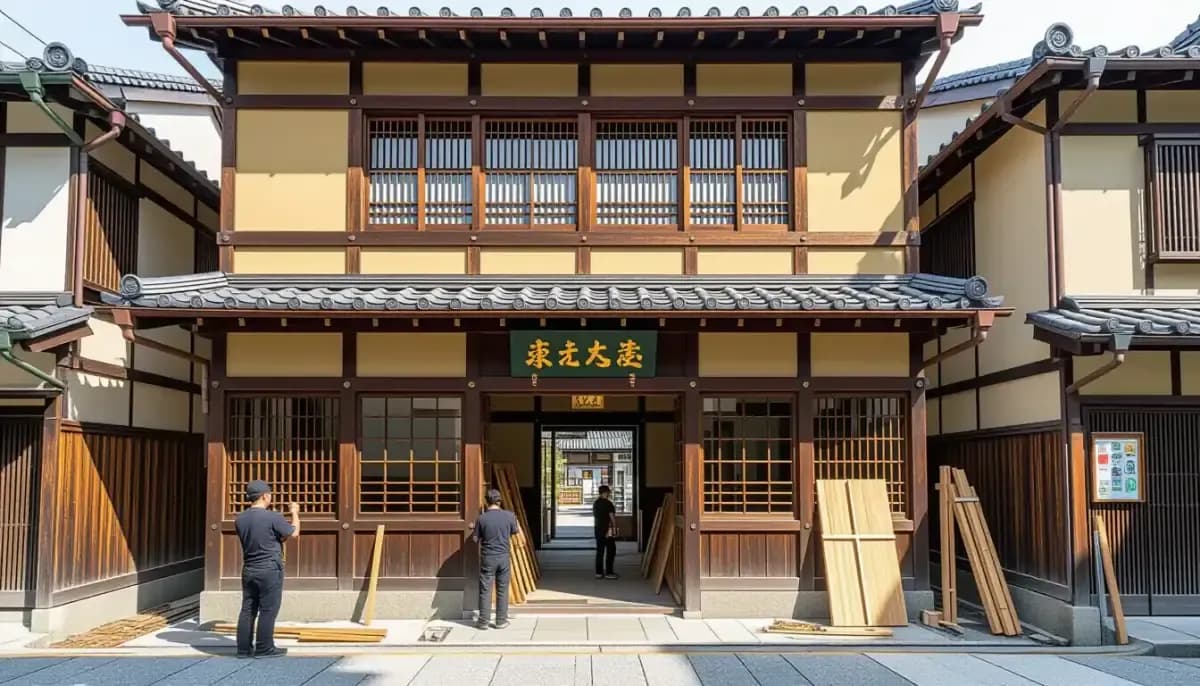
Renovating a Traditional House in Kyoto: Guide for Foreign Owners
Complete guide for foreigners renovating a traditional kyo-machiya townhouse in Kyoto. Covers costs (¥2M–¥20M+), preservation regulations, subsidies, financing, and how to find specialist contractors.
Read more →
Northern Kyoto: Affordable Property Options for Foreigners
Discover affordable property options in northern Kyoto for foreigners. Kita Ward machiya from ¥20.8M, Sakyo Ward university rentals, akiya properties, and buying tips for expats.
Read more →
Higashiyama Area Property Guide for Foreign Buyers
Complete guide to buying property in Higashiyama, Kyoto as a foreigner. Covers price ranges (¥12.8M–¥250M+), machiya townhouses, preservation regulations, investment yields, and step-by-step buying process.
Read more →
Arashiyama Area Property Guide for Foreign Buyers
Complete guide to buying property in Arashiyama as a foreigner. Covers property prices (¥5M–¥500M+), short-term rental rules, machiya ownership, mortgage access, and the full purchase process in Kyoto's iconic bamboo grove district.
Read more →
Kyoto vs Osaka Property Investment Comparison
Compare Kyoto and Osaka property investment for foreign buyers. Rental yields (4.26% vs 3-4%), prices, regulations, capital growth, and which city suits your investment goals.
Read more →
Kyoto Historic Preservation Areas and Property Rules
Understand Kyoto's strict historic preservation rules before buying property. Learn about machiya renovation restrictions, rebuilding-prohibited land, height limits, and what foreigners must know about purchasing in Kyoto's heritage districts.
Read more →