
Kyoto Historic Preservation Areas and Property Rules

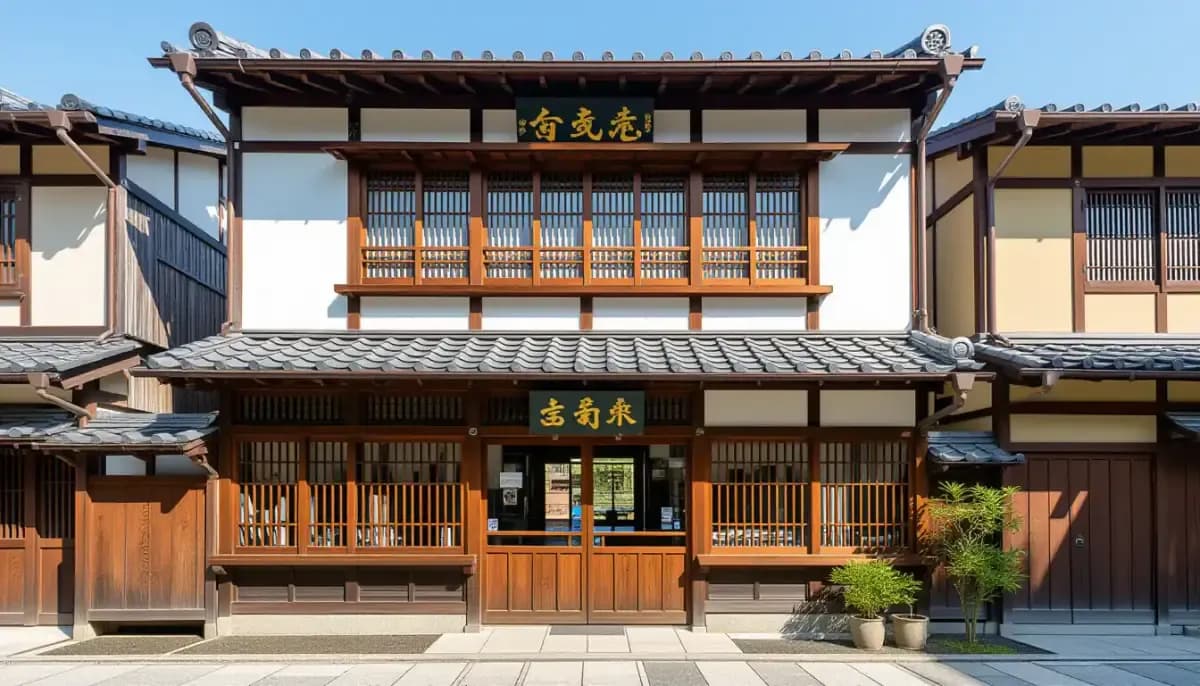
Understand Kyoto's strict historic preservation rules before buying property. Learn about machiya renovation restrictions, rebuilding-prohibited land, height limits, and what foreigners must know about purchasing in Kyoto's heritage districts.
Kyoto Historic Preservation Areas and Property Rules: What Foreign Buyers Must Know
Kyoto is one of the most culturally rich cities in the world, and owning property here is a dream shared by many foreigners living in or visiting Japan. However, Kyoto is unlike any other Japanese city when it comes to real estate regulations. The city's strict historic preservation framework governs everything from building heights to the type of wood you can use in a renovation. Before purchasing property in Kyoto — especially in or near one of its famous historic districts — you need to understand what you're getting into.
This guide breaks down Kyoto's historic preservation areas, the rules that govern property in these zones, what they mean for foreign buyers, and how to navigate the system successfully.
Understanding Kyoto's Historic Preservation Framework
Kyoto's approach to urban heritage is comprehensive and legally enforced. The city developed its framework over decades, with two major milestones:
- 1996 Municipal Ordinance for the Regulation of the Urban Landscape — addressed concerns about unsympathetic development and commercial signage disrupting the cityscape
- 2007 Kyoto City Landscape Policy — a sweeping reform that tightened building heights, design guidelines, and color schemes across the entire city
These regulations are not suggestions. Violating them can result in mandatory demolition orders, fines, or denial of permits for future construction. Kyoto applies the most stringent urban design controls in Japan, and they apply to all property owners — Japanese and foreign alike.
Key Designation Types
| Designation | Description | Renovation Control Level |
|---|---|---|
| Preservation Districts for Groups of Traditional Buildings | Strictest — entire neighborhoods protected | Very high — materials and design tightly controlled |
| Scenic District (Fukeichi) | Visual landscape protection zone | High — height, color, signage restricted |
| Cultural Property (national/city-level) | Individually listed structures | Extreme — changes require cultural agency approval |
| Landscape Formation District | Broader visual character zones | Moderate — design review required |
Kyoto has designated 17 "Preservation Districts for Groups of Traditional Buildings" (伝統的建造物群保存地区, dentō-teki kenzōbutsugun hozon chiku). These include iconic neighborhoods like Gion Shimbashi, Sanneizaka, Kiyamachi, and Fushimi-Toba. Within these zones, virtually every change to a building's exterior requires prior approval from the city.
Machiya: The Traditional Townhouses at the Heart of Preservation Rules
The most commonly traded historic property type in Kyoto is the machiya (町家), a traditional wooden townhouse originating in the Edo period (1603–1868). Machiya are defined by their narrow street-facing facades, deep interior layouts, wooden lattice windows (koshi), earthen walls, and tiled roofs.
Thousands of machiya remain in Kyoto today, though their numbers have declined significantly due to demolition and redevelopment. To counter this, Kyoto has placed machiya at the center of its preservation efforts.
Renovation Rules for Machiya
If you purchase a machiya — whether inside or outside a formally designated preservation district — you will face strict expectations around renovation:
- Materials — Renovations must use traditional materials including wooden lattices, clay-plastered earthen walls, and natural roofing tiles. Modern substitutes are typically not permitted for visible exterior elements.
- Design Consistency — Exterior facades, rooflines, and window configurations must maintain the traditional machiya aesthetic. You cannot simply add a glass curtain wall or aluminum siding.
- Structural Modifications — Any structural changes require a Construction Permit (kenchiku kisei shinsa). If the building is designated as a cultural asset, additional approvals from the cultural affairs department are mandatory.
- Demolition — Demolishing a machiya requires special government permission, which authorities are reluctant to grant. The city actively encourages alternatives such as relocation, structural integration, or repurposing.
For foreign buyers unfamiliar with traditional Japanese construction methods, this can mean hiring specialized craftspeople at premium rates. Renovation costs for machiya often exceed buyer expectations — budgeting ¥5 million to ¥15 million or more for a full restoration is not unusual depending on the property's size and condition.
Learn more about general property renovation considerations for foreigners at Gaijin Buy House
Rebuilding-Prohibited Properties: A Major Risk for Buyers
One of the most important — and least understood — issues for foreign buyers in Kyoto is the concept of rebuilding-prohibited land (再建築不可物件, saikenchi fuka bukken).
Under Article 43 of Japan's Building Standards Act, any building must be adjacent to a public road with a minimum width of 2 meters. Properties that do not meet this requirement cannot be rebuilt if demolished. In Kyoto's dense historic urban fabric, many older machiya and townhouses sit on narrow alleyways or land-locked parcels that fail this requirement.
What This Means for Buyers
- You can live in the existing structure, but if it burns down or becomes structurally unsound, you cannot build a replacement
- Renovation is permitted — but only within the existing structural footprint
- Banks frequently refuse mortgages on rebuilding-prohibited properties
- Resale value is severely limited — the pool of potential buyers is much smaller
- Insurance considerations are complex, as insurers may limit coverage
Always verify rebuilding eligibility (saikenchi kanousei) before purchasing any older property in Kyoto. Your real estate agent or a certified judicial scrivener can check this using official municipal records.
Read about legal procedures and documentation for Japan property purchases
Height and Design Restrictions Across Kyoto
Even outside designated preservation districts, Kyoto enforces strict height limits across the entire city. These restrictions are stricter than in any other major Japanese city.
| Zone Type | Maximum Building Height |
|---|---|
| Central historic districts (near temples, shrines, Higashiyama) | 10–15 meters |
| Residential zones (Type 1 low-rise) | 10 meters |
| Commercial zones near historic areas | 15 meters |
| Broader commercial zones | 20–31 meters |
| Industrial zones near city fringes | 31 meters |
For comparison, Tokyo allows high-rise construction in many central districts. Kyoto does not. This policy is intentional: the city's landscape ordinance explicitly protects the visual relationship between built structures and the surrounding mountains (higashiyama, kitayama, nishiyama).
Color and signage restrictions are also enforced city-wide. Building exteriors must use muted, earth-toned colors. Neon signs, reflective surfaces, and large commercial illuminated advertising are restricted or prohibited in many areas.
These restrictions have a direct investment consequence: supply in Kyoto remains genuinely constrained, and property values in central areas tend to be more resilient than in other regional cities. As of early 2026, price-to-rent ratios in central Kyoto run at 25–30 times annual rent — elevated, but partially justified by structural supply limitations.
Explore the Japan Real Estate Market Overview and Trends for Foreign Investors
Areas With the Strictest Preservation Controls
Not all of Kyoto faces the same regulatory intensity. The following areas are subject to the most demanding historic preservation rules:
Higashiyama District The hillside neighborhoods stretching from Kiyomizudera to Gion contain Kyoto's most densely protected streetscapes. Gion Shimbashi and Sanneizaka (Ninen-zaka / Sannen-zaka) are nationally designated preservation districts. Property owners in these areas must obtain approval for even minor exterior changes.
Nishijin Famous for its weaving heritage, Nishijin is a working neighborhood with a high concentration of traditional machiya. Less touristy than Higashiyama but equally governed by strict preservation expectations.
Fushimi-Toba South of the central city, this area has a preservation district associated with sake brewing heritage. The traditional industrial and residential buildings are protected.
Kiyamachi and Pontocho Running along the Takase and Kamo Rivers respectively, these narrow lanes are subject to landscape controls that limit height and design. Commercial machiya repurposed as restaurants and bars must still meet design guidelines.
Around Major Temples and Shrines Properties within view corridors of World Heritage Sites — including Kinkakuji, Ginkakuji, Ryoanji, Nijo Castle, and others — face additional buffer zone restrictions controlling building height and density.
Read the full guide to Buying Property in Kyoto as a Foreigner
Government Support Programs for Property Owners in Preservation Areas
Kyoto does not simply impose restrictions without assistance. The city and national government offer several programs to help property owners — including foreigners — maintain traditional buildings:
- Subsidies and grants — Available for approved restoration work on designated machiya and structures in preservation districts. Amounts vary by project but can cover a significant portion of eligible costs.
- Tax reductions — Properties that qualify for preservation support programs may receive property tax and fixed asset tax reductions.
- Technical assistance — The Kyoto Center for Community Collaboration and the Kyoto Machiya Revival Project provide technical guidance, contractor referrals, and coordination with city departments.
- Low-interest loans — Some programs offer subsidized financing for preservation-compliant renovation projects.
To access these programs, you typically need to submit a renovation plan for city review, use approved contractors, and agree to maintain the property in its restored state for a defined period (often 10+ years).
Explore mortgage and financing options for foreigners in Japan at Living in Nihon
Short-Term Rentals and Historic Properties
Many foreign buyers are attracted to Kyoto machiya as potential Airbnb or guesthouse investments. The reality is more complex:
Under Japan's national Minpaku Law, short-term rentals are capped at 180 days per year. Kyoto goes further: the city enforces additional local restrictions that effectively ban minpaku operations in many residential zones — including some of the most desirable historic neighborhoods.
Exceptions and pathways:
- Certified Machiya status — Properties that receive city certification as a preserved machiya may be eligible for year-round rental operation, bypassing the 180-day cap
- Ryokan license — Operating as a registered inn (ryokan) is an alternative, but requires significant compliance investment and ongoing oversight
- Special tourism zones — Some areas near major tourist sites have been designated for relaxed short-term rental rules
Before purchasing a machiya as a rental investment, consult with a licensed real estate agent and verify the specific rental regulations applicable to that property's zone. Assumptions based on national rules will frequently be incorrect in Kyoto.
Learn about short-term rentals and Airbnb (Minpaku) in Japan for foreign owners
Cost Overview for Buying in Kyoto's Historic Areas
Understanding the full cost picture is essential before committing to a historic property in Kyoto.
| Cost Item | Typical Range |
|---|---|
| Property purchase price (central machiya) | ¥20M – ¥80M+ |
| Transaction costs (agents, taxes, registration) | 8–12% of purchase price |
| Structural survey / inspection | ¥100,000 – ¥300,000 |
| Full machiya restoration | ¥5M – ¥20M+ |
| Annual property tax | 1.4% of assessed value |
| Annual city planning tax | 0.3% of assessed value |
| Renovation permit fees | ¥50,000 – ¥200,000+ |
Transaction costs in Kyoto are broadly consistent with the rest of Japan, running 8–12% of the property value in total when you include agent fees (chukai tesuryo), registration tax, stamp duty, and acquisition taxes. Read the full breakdown of hidden costs when buying property in Japan.
For machiya specifically, the combination of the purchase price and restoration work can make initial total investment substantial. However, well-restored machiya in prime locations have demonstrated strong value retention and rental appeal, particularly for long-term residential tenants and boutique hospitality operators.
Practical Steps for Foreign Buyers in Kyoto's Historic Areas
- Hire a bilingual real estate specialist with specific Kyoto heritage property experience — this is not optional. General Japan real estate agents may not understand the nuances of historic preservation compliance.
- Commission a full structural survey (kenchiku shindanshi) before making any offer. Older wooden structures may have hidden termite damage, subsidence, or earthquake vulnerability.
- Check rebuilding eligibility through official municipal records before proceeding.
- Verify zone designation — confirm exactly which preservation and landscape zones apply to the property.
- Review renovation restrictions in writing from the city planning department (toshi keikaku-ka) before finalizing purchase.
- Consult on rental rules if investment income is part of your plan.
- Explore subsidy eligibility through the Kyoto Center for Community Collaboration.
For Work in Japan has resources on navigating housing infrastructure as a foreigner
Conclusion: Is a Kyoto Historic Property Right for You?
Buying in Kyoto's historic preservation areas is deeply rewarding for buyers who understand and embrace the obligations that come with it. These are not simply old buildings — they are living pieces of cultural heritage, and the rules that protect them exist for good reason.
Foreign buyers can purchase property in Kyoto freely, without legal restriction. However, the regulatory environment demands more due diligence than most other Japanese cities. Renovation costs can be significant, rebuilding-prohibited parcels are common, and rental income strategies require careful local-level research.
For buyers who approach Kyoto with patience, proper professional support, and genuine respect for the city's architectural heritage, the rewards — a beautifully restored machiya in one of the world's most historic cities — are genuinely exceptional.
Read the complete guide to buying property in Japan as a foreigner
Sources and further reading:

Originally from Vietnam, living in Japan for 16+ years. Graduated from Nagoya University, with 11 years of professional experience at Japanese and international companies. Sharing information about buying property in Japan for foreigners.
View Profile →Related Articles
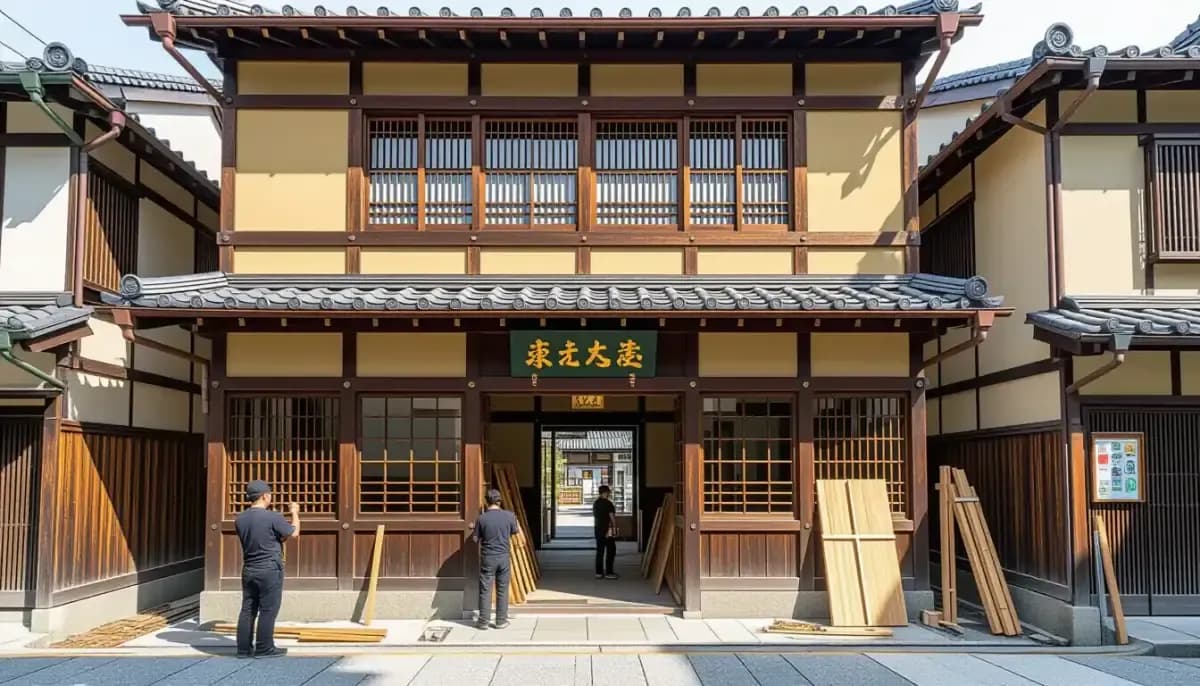
Renovating a Traditional House in Kyoto: Guide for Foreign Owners
Complete guide for foreigners renovating a traditional kyo-machiya townhouse in Kyoto. Covers costs (¥2M–¥20M+), preservation regulations, subsidies, financing, and how to find specialist contractors.
Read more →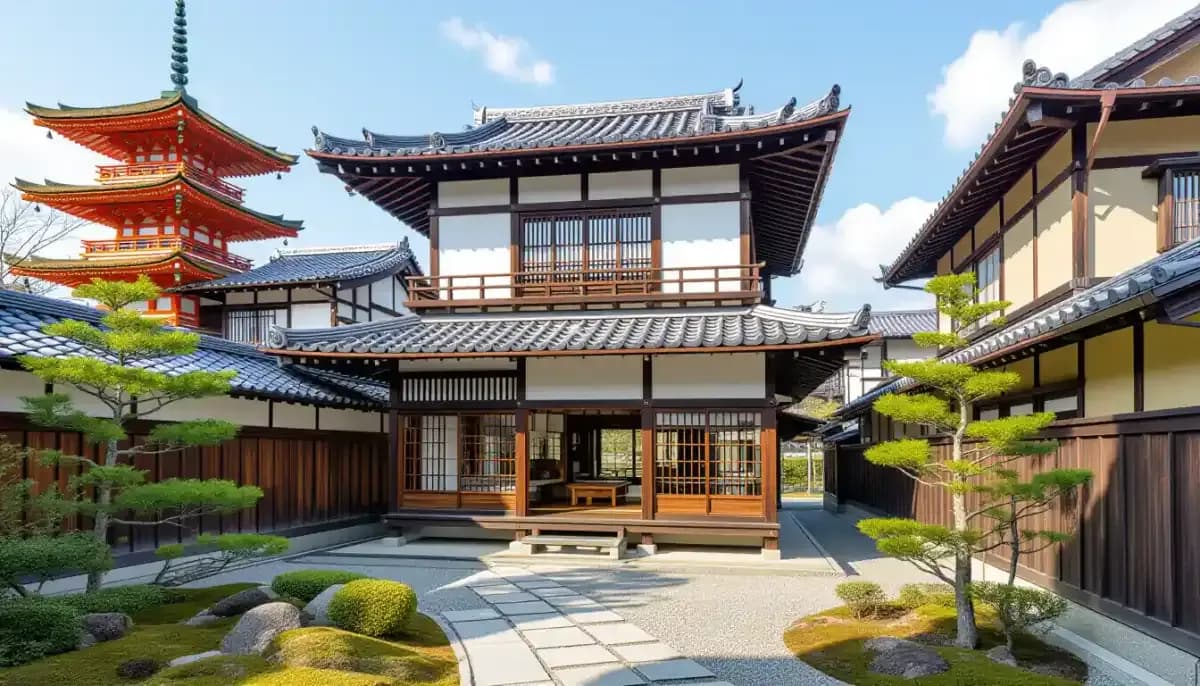
Northern Kyoto: Affordable Property Options for Foreigners
Discover affordable property options in northern Kyoto for foreigners. Kita Ward machiya from ¥20.8M, Sakyo Ward university rentals, akiya properties, and buying tips for expats.
Read more →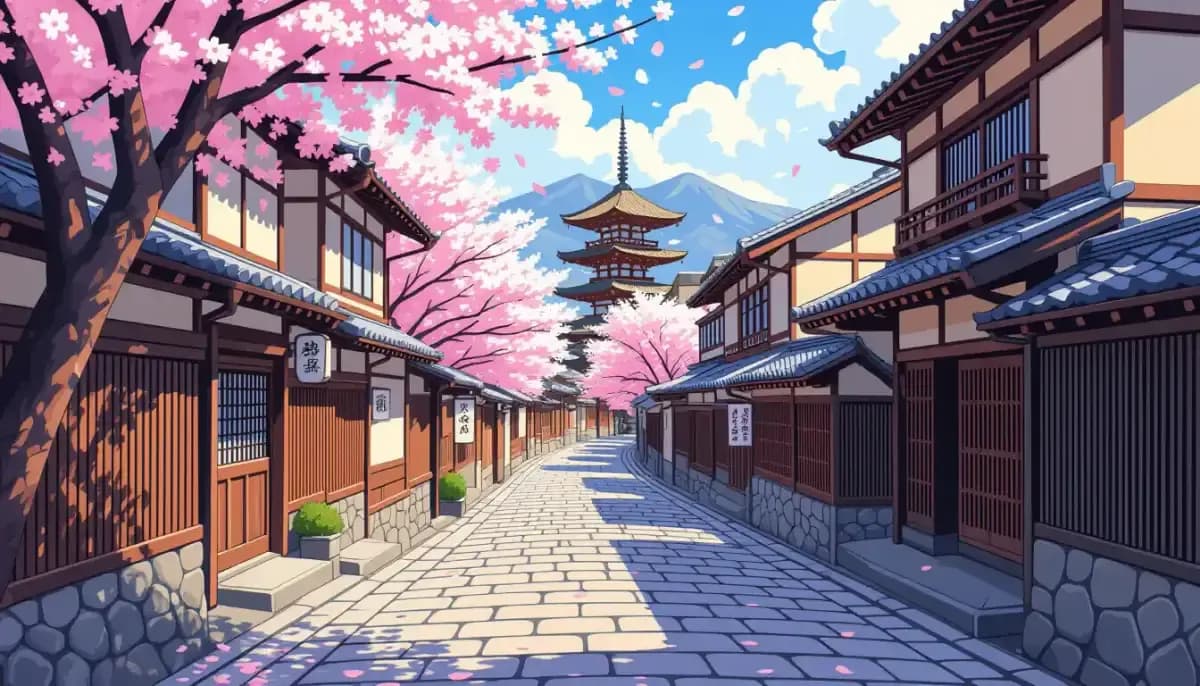
Higashiyama Area Property Guide for Foreign Buyers
Complete guide to buying property in Higashiyama, Kyoto as a foreigner. Covers price ranges (¥12.8M–¥250M+), machiya townhouses, preservation regulations, investment yields, and step-by-step buying process.
Read more →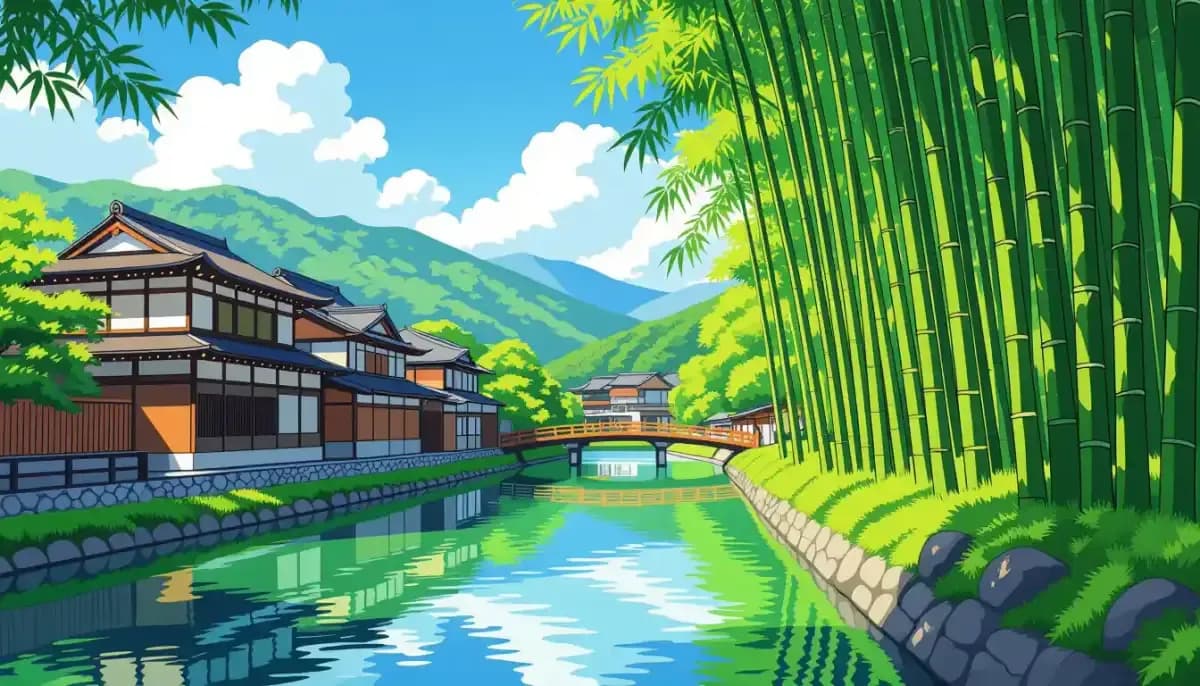
Arashiyama Area Property Guide for Foreign Buyers
Complete guide to buying property in Arashiyama as a foreigner. Covers property prices (¥5M–¥500M+), short-term rental rules, machiya ownership, mortgage access, and the full purchase process in Kyoto's iconic bamboo grove district.
Read more →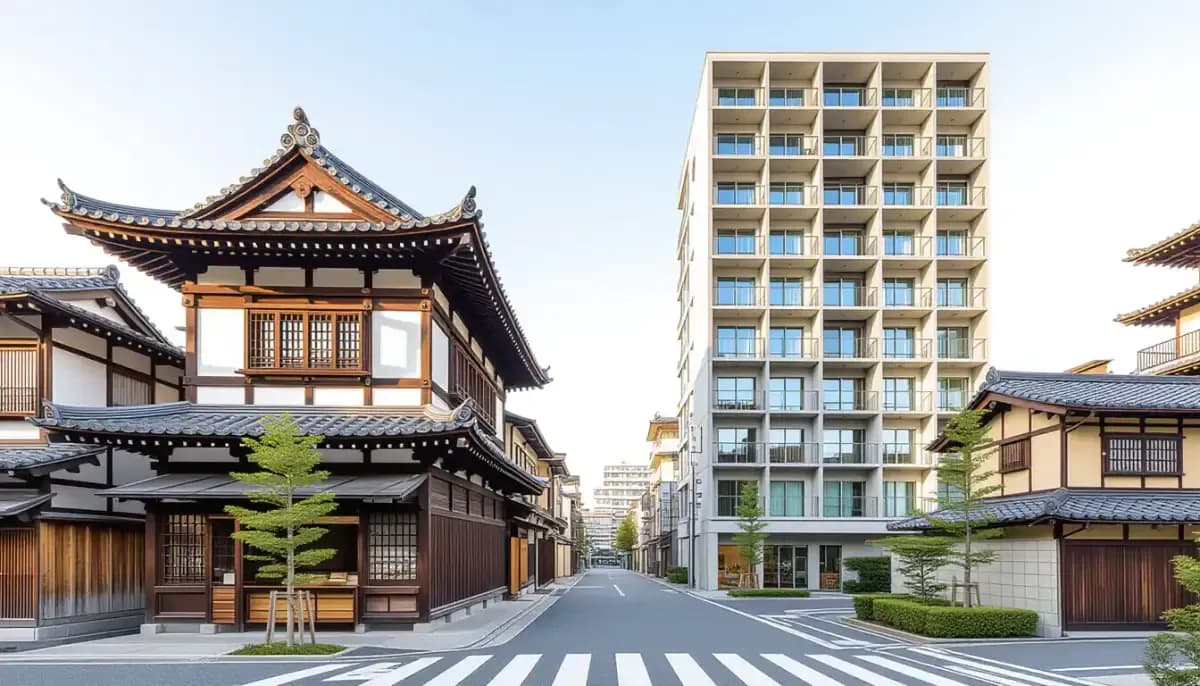
Kyoto vs Osaka Property Investment Comparison
Compare Kyoto and Osaka property investment for foreign buyers. Rental yields (4.26% vs 3-4%), prices, regulations, capital growth, and which city suits your investment goals.
Read more →
Kyoto Student Rental Investment Near Universities
Complete guide to investing in Kyoto student rental properties near universities for foreigners. Covers best areas, rental yields of 4-6%, legal requirements, financing, and management tips.
Read more →