
Kyoto Lodging Tax and Its Impact on Property Investment


Kyoto's lodging tax increases up to 900% from March 2026. Learn how the new accommodation tax affects short-term rental yields and property investment returns in Kyoto for foreign buyers.
Kyoto Lodging Tax and Its Impact on Property Investment
Kyoto has long been one of Japan's most coveted destinations—for tourists and property investors alike. With its UNESCO World Heritage Sites, traditional machiya townhouses, and booming short-term rental market, the ancient capital has attracted a wave of foreign buyers looking for both cultural immersion and investment returns. However, a major policy shift is now reshaping the economics of property ownership in Kyoto: a sweeping overhaul of the city's lodging tax, effective March 1, 2026.
If you own or are planning to buy property in Kyoto with any intention of renting it out—whether through Airbnb, a minpaku license, or a full hotel operation—understanding this tax change is essential. This guide breaks down the new lodging tax structure, explains who must pay, and examines the real-world impact on property investment returns in Kyoto.
What Is Kyoto's Lodging Tax?
Kyoto introduced its accommodation tax in 2018 as a response to the city's overtourism crisis. Visitors staying at hotels, guesthouses, and registered private lodgings pay a per-person, per-night surcharge that is collected by the accommodation operator and remitted to the city.
The original tax was relatively modest—between ¥200 and ¥1,000 per person per night depending on room rate. But as visitor numbers exploded post-COVID and luxury hotel developments proliferated, Kyoto city officials decided the old rates were no longer sufficient to fund the infrastructure and heritage preservation needed to manage the surge.
The revised system, effective from March 1, 2026, replaces the previous three-tier structure with a five-tier progressive system that targets luxury accommodations far more aggressively than before. By April 2025, 13 Japanese municipalities had introduced lodging taxes—but Kyoto's new rates set a national precedent.
New Kyoto Lodging Tax Rates (March 2026)
The new tax applies on a per-person, per-night basis to guests aged 12 and older. School group participants and children under 12 are exempt.
| Accommodation Price Per Night | Previous Rate | New Rate (March 2026) | Change |
|---|---|---|---|
| Under ¥6,000 | ¥200 | ¥200 | No change |
| ¥6,000 – ¥19,999 | ¥200 | ¥400 | +100% |
| ¥20,000 – ¥49,999 | ¥500 | ¥1,000 | +100% |
| ¥50,000 – ¥99,999 | ¥1,000 | ¥4,000 | +300% |
| ¥100,000 and above | ¥1,000 | ¥10,000 | +900% |
The most dramatic change targets luxury properties. A single guest staying one night in a ¥100,000+ room now faces a ¥10,000 lodging tax—ten times the previous rate. To put that in perspective: Kyoto's new maximum rate of ¥10,000 is five times higher than the previous national record of ¥2,000, held by Niseko in Hokkaido.
For a couple staying at a luxury Kyoto property for one week, the accommodation tax alone would reach ¥140,000 (approximately $910 USD)—before the room charges themselves.
Who Must Collect and Remit the Tax
If you own property in Kyoto and operate any form of accommodation business, you are likely responsible for collecting the lodging tax from guests and remitting it to Kyoto City. This applies to:
- Hotels and ryokan operating under the Hotel Business Law
- Private lodgings (minpaku) registered under the Private Lodging Business Act
- Serviced apartments and other accommodation businesses
One nuance worth noting: certain private lodging arrangements not officially registered under the Private Lodging Business Act may fall outside the scope of the tax. However, operating an unregistered accommodation in Japan carries its own legal risks and is generally not advisable. If you are renting out property in Kyoto, you should assume the lodging tax applies and consult a local tax professional.
The tax is collected by you as the accommodation operator at the time of guest payment, then remitted to the city on a quarterly or annual basis depending on revenue scale.
For more detail on property ownership costs and tax obligations in Japan generally, see our guide on Property Taxes and Annual Costs of Owning Property in Japan.
Impact on Kyoto Property Investment Returns
The lodging tax change has real financial implications for investors who purchased Kyoto property to operate as short-term rentals or boutique hotels.
Budget and Mid-Range Properties: Minimal Impact
For properties priced under ¥20,000 per night (roughly budget guesthouses and economy minpaku), the tax increase is modest—from ¥200 to ¥400 per person per night. At this price point, the additional ¥200 per guest is unlikely to materially affect occupancy or returns.
Properties in the ¥20,000–¥49,999 range see the tax double from ¥500 to ¥1,000. Still manageable, but owners should factor this into pricing models.
Luxury and Premium Properties: Significant Cost Pressure
The real disruption is at the top end of the market. Properties priced at ¥50,000–¥99,999 per night see the tax quadruple from ¥1,000 to ¥4,000. At ¥100,000 or more per night, the tax jumps tenfold from ¥1,000 to ¥10,000 per person.
For investors who have purchased or are developing luxury boutique hotels, machiya townhouse conversions, or high-end serviced apartments in Kyoto, this is a meaningful cost that must be passed on to guests—or absorbed into margins. In practice, most operators will pass the tax on to guests as a mandatory surcharge, as the law requires.
The concern raised by some industry observers is that very high nightly tax charges on luxury stays could push affluent travelers to choose alternatives—either Osaka (which has its own but lower accommodation tax), or luxury destinations elsewhere in Asia that actively compete for this segment. Hoteliers argue that Kyoto risks "taxing away" the high-value, low-impact visitor it should be attracting.
Revenue Outlook for Kyoto City
From the city's perspective, the math is compelling. Lodging tax revenue reached a record ¥5.2 billion in 2023. With the new rates, Kyoto projects annual revenue of ¥12.6 billion—more than doubling current collections. This revenue is earmarked specifically for tourism infrastructure improvements, crowd management systems, and cultural heritage preservation.
For investors, there is an indirect upside: better-funded city infrastructure, cleaner public spaces, and enhanced heritage protection all contribute to Kyoto's long-term appeal as a destination—which supports property values over the long run.
Short-Term Rental Market in Kyoto: A Complex Landscape
Beyond the lodging tax, foreign property investors considering Kyoto short-term rentals must navigate a multi-layered regulatory environment.
Japan's national Minpaku Law (Private Lodging Business Act) restricts short-term rental operators to 180 nights per year and requires registration with local authorities. However, Kyoto City has implemented some of the strictest local restrictions in Japan. Notably, Kyoto has prohibited minpaku operations in many residential zones on weekdays (Monday–Thursday), effectively limiting short-term rentals in central areas to weekends only in those zones.
This means that while the lodging tax is a direct cost, the regulatory limits on operating days can have an even larger impact on annual revenue potential. Before purchasing any Kyoto property with short-term rental intentions, it is essential to verify:
- Whether the specific property location permits minpaku operations
- On which days and under what conditions rentals are permitted
- Whether a full hotel or ryokan license might be more appropriate for your intended use
Our full guide to Buying Property in Kyoto as a Foreigner covers the broader regulatory and purchase process considerations.
Comparing Kyoto to Other Japanese Cities
Kyoto is not alone in taxing accommodation, but it is now clearly at the top of the scale. Here's how it compares to other major Japanese cities:
| City | Maximum Lodging Tax (Per Person/Night) |
|---|---|
| Kyoto (from March 2026) | ¥10,000 |
| Niseko, Hokkaido | ¥2,000 |
| Tokyo | ¥200 (below ¥10,000 room rate) to ¥300 (above) |
| Osaka | ¥300 |
| Fukuoka | ¥200 |
| Nagasaki | ¥200 |
This comparison illustrates the dramatically different tax environment in Kyoto versus other Japanese investment destinations. For investors evaluating where to allocate capital across Japan, this is now a material differentiator—particularly in the luxury segment.
For broader context on real estate investment across Japanese cities, see our Japan Real Estate Market Overview and Trends.
Practical Implications for Foreign Investors
Here are the key takeaways for foreign buyers considering Kyoto property investment in light of the new lodging tax:
1. Budget properties remain viable: If you're targeting the budget or mid-range minpaku market (under ¥20,000/night), the tax impact is minimal. This segment also tends to have more stable year-round demand from domestic tourists and younger international visitors.
2. Luxury properties need repricing: If you own or plan to develop luxury accommodations, your nightly rates must account for the new ¥10,000/person lodging tax. Review your proforma projections carefully and model sensitivity to any demand reduction at higher price points.
3. The regulatory burden is cumulative: The lodging tax is one layer on top of the minpaku 180-day cap, Kyoto's weekday restrictions, building permit requirements, and fire safety regulations. Investors should budget for professional legal and accounting support.
4. Long-term residential rental remains a clean alternative: If the short-term rental regulatory environment feels too complex, Kyoto's long-term residential rental market—particularly for high-quality properties near universities and cultural districts—offers a simpler path with no lodging tax obligation and no operating day restrictions.
5. Buy for long-term capital appreciation, not just yield: Kyoto's limited land supply, cultural cachet, and ongoing international appeal make it a strong long-term hold. The lodging tax revenue being reinvested in heritage preservation and infrastructure ultimately supports the city's premium positioning.
For a deeper dive into financing your Kyoto investment, see our guide on Mortgages and Home Loans for Foreigners in Japan.
Resources and Further Reading
Understanding Kyoto's lodging tax is just one piece of the puzzle for foreign property investors in Japan. For comprehensive guidance on the process:
- Living in Nihon – Japan Property and Mortgage Guide: A thorough resource on property purchase procedures and financing for expats and foreign residents in Japan.
- For Work in Japan – Housing and Living Infrastructure Guide: Practical information on housing setup and living costs for foreigners in Japan.
- Gaijin Buy House – Japan Real Estate Investment Guide: In-depth analysis of investment strategies, property types, and the purchase process for foreign buyers.
- Japan Specialist – Kyoto Hotel Tax 900% Increase Explained: Detailed breakdown of the new tax rates and impact on travelers.
- Nippon.com – Kyoto Targets Big Spenders with Lodging Tax Hike: Data and analysis on the revenue projections and rationale behind the tax increase.
- Skift – Kyoto to Hit Visitors With Japan's Highest-Ever Hotel Tax: Industry perspective on how the luxury hospitality sector is responding.
Also see our related article: Hidden Costs and Fees When Buying Property in Japan.
Conclusion
Kyoto's lodging tax overhaul, effective March 2026, is the most significant change to the city's accommodation tax framework since it was introduced in 2018. For property investors, the implications vary sharply by market segment: budget and mid-range operators face modest cost increases, while luxury accommodation owners face a tenfold tax surge on their highest-priced rooms.
The tax does not fundamentally undermine Kyoto's appeal as a property investment destination—the city's cultural status, limited land supply, and strong long-term tourism fundamentals remain intact. But it does demand more rigorous financial modeling, particularly for short-term rental and hospitality-focused investments. Combined with Kyoto's existing minpaku restrictions, the regulatory environment rewards thorough due diligence and a long-term investment horizon.
If you are considering purchasing property in Kyoto, work with a local real estate agent experienced in serving foreign buyers, consult a Japanese tax accountant on lodging tax obligations, and build a realistic operating model that accounts for both the new tax rates and the restrictions on rental days. Done right, Kyoto property investment can still deliver excellent returns—and the satisfaction of owning a piece of one of the world's great cities.

Originally from Vietnam, living in Japan for 16+ years. Graduated from Nagoya University, with 11 years of professional experience at Japanese and international companies. Sharing information about buying property in Japan for foreigners.
View Profile →Related Articles
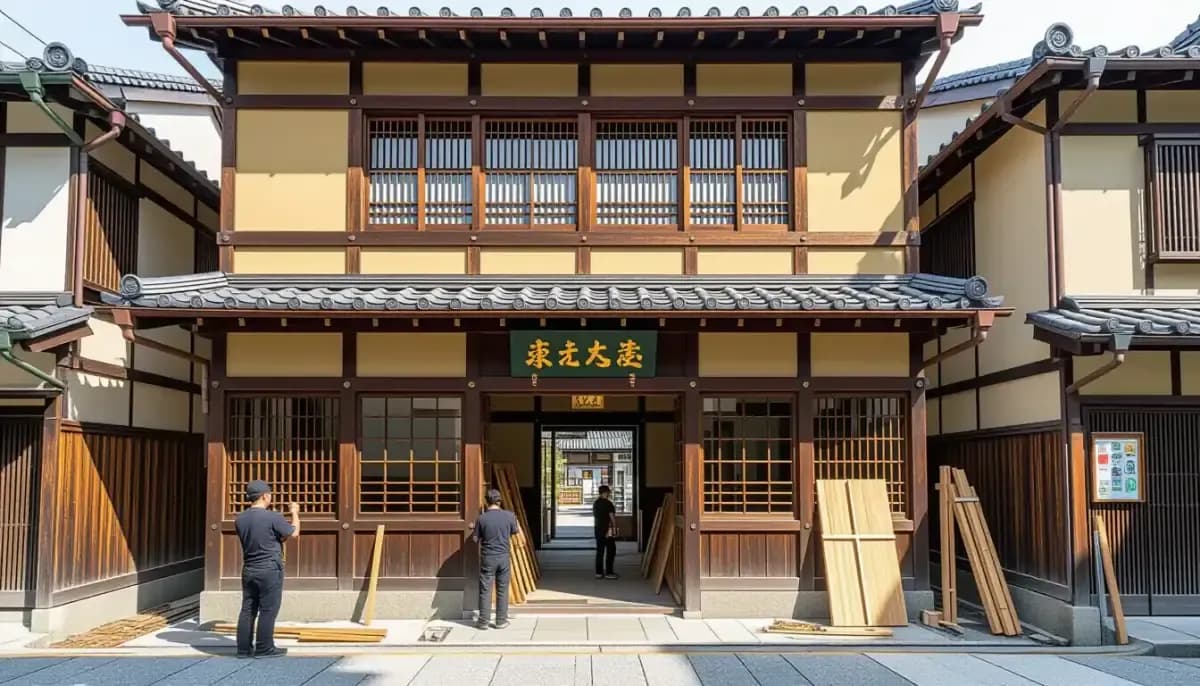
Renovating a Traditional House in Kyoto: Guide for Foreign Owners
Complete guide for foreigners renovating a traditional kyo-machiya townhouse in Kyoto. Covers costs (¥2M–¥20M+), preservation regulations, subsidies, financing, and how to find specialist contractors.
Read more →
Northern Kyoto: Affordable Property Options for Foreigners
Discover affordable property options in northern Kyoto for foreigners. Kita Ward machiya from ¥20.8M, Sakyo Ward university rentals, akiya properties, and buying tips for expats.
Read more →
Higashiyama Area Property Guide for Foreign Buyers
Complete guide to buying property in Higashiyama, Kyoto as a foreigner. Covers price ranges (¥12.8M–¥250M+), machiya townhouses, preservation regulations, investment yields, and step-by-step buying process.
Read more →
Arashiyama Area Property Guide for Foreign Buyers
Complete guide to buying property in Arashiyama as a foreigner. Covers property prices (¥5M–¥500M+), short-term rental rules, machiya ownership, mortgage access, and the full purchase process in Kyoto's iconic bamboo grove district.
Read more →
Kyoto vs Osaka Property Investment Comparison
Compare Kyoto and Osaka property investment for foreign buyers. Rental yields (4.26% vs 3-4%), prices, regulations, capital growth, and which city suits your investment goals.
Read more →
Kyoto Student Rental Investment Near Universities
Complete guide to investing in Kyoto student rental properties near universities for foreigners. Covers best areas, rental yields of 4-6%, legal requirements, financing, and management tips.
Read more →