
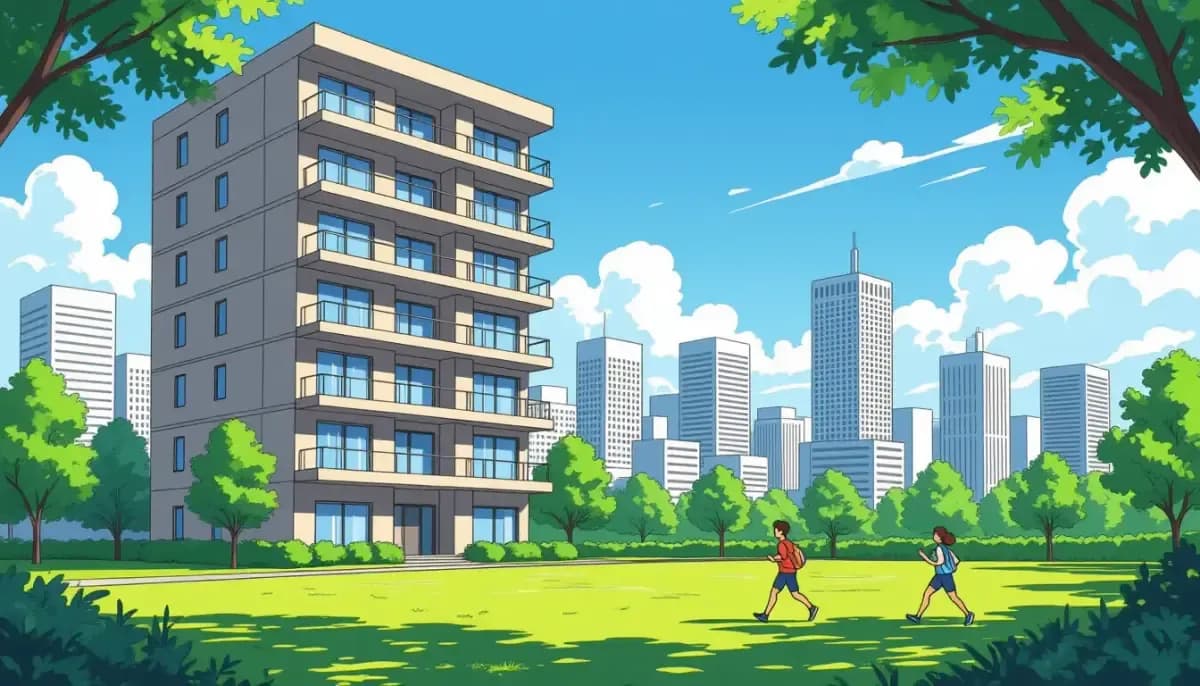
Japan Condo Resale Value: Key Factors That Affect Price
Discover the key factors that affect Japan condo resale value — from station proximity and building age to management quality and market timing. Essential guide for foreign buyers.
Read more →
Complete guide to buying a condominium (manshon) in Japan as a foreigner. Covers legal rights, purchase process, mortgage options, costs, and key tips for expats and overseas buyers in 2025–2026.
Japan's condominium market — known locally as manshon (マンション) — is one of the most appealing real estate options for foreigners. Whether you're drawn to the convenience of urban living, the security features of modern buildings, or the relatively lower entry price compared to detached houses, buying a condo in Japan as a foreigner is entirely possible. This comprehensive guide covers everything you need to know: legal rights, the buying process, financing, costs, and key considerations unique to condominium ownership in Japan.
The short answer is yes — and without any special restrictions. Foreigners have identical property ownership rights as Japanese citizens, regardless of nationality, visa status, or residency. There is no special investor visa or "golden visa" program tied to property purchase, nor are there nationality-based caps or approval requirements for buying a condominium.
This makes Japan stand out among Asian real estate markets, where many countries restrict or complicate foreign ownership. In Japan, whether you hold a work visa, a spouse visa, a student visa, or have no Japanese residency at all, you can legally purchase a condominium.
There are a few important nuances:
For a broader overview of legal rights and ownership structures, see our guide on Can Foreigners Buy Property in Japan?.
In Japan, the term manshon refers specifically to a multi-unit residential building where individual units are sold as private property under the condominium ownership structure. This is different from apāto (アパート), which are typically wood-frame apartment buildings where units are rented rather than sold.
Key features of Japanese condominiums (manshon):
When you buy a manshon, you own your individual unit outright, but you do not own the land beneath the building. Land rights are shared proportionally among all owners. This is an important distinction from buying a detached house (一戸建て / ikkodate), where you would own the land separately.
For a full comparison of property types available to foreigners in Japan, see Types of Properties Available in Japan: A Complete Guide.
Understanding market conditions is essential before making any purchase. Here's what the data shows:
| Metric | Figure |
|---|---|
| Average new condo price, Greater Tokyo (mid-2025) | ¥93.96 million (~$640,000) |
| Average new condo price, Central Tokyo luxury (H1 2025) | ¥130.6 million (~$865,000) |
| Total condo stock in Japan (2023) | 7+ million units |
| New condos released in Greater Tokyo (FY2024 projection) | ~22,239 units (lowest since 1973) |
| Pre-owned condo sales, Greater Tokyo (H1 2025) | 24,659 units (+27.17% YoY) |
| Foreign buyer share of nationwide property transactions | ~27% |
| Foreign buyer share of new apartment sales, Central Tokyo | Up to 40% |
Key market trends for 2025–2026:
For a deeper dive into where to buy, read our Japan Real Estate Market Overview and Trends.
The typical purchase process takes 4–8 weeks for straightforward transactions. Here's how it works:
Start your search through major Japanese real estate portals:
Working with a licensed broker (宅地建物取引士 / takuchi tatemono torihiki-shi) is standard in Japan. Brokers are legally required to provide a Property Disclosure Statement (重要事項説明書 / jūyō jikō setsumei-sho) before any contract is signed.
View the shortlisted properties and submit an offer (申込書 / mōshi-komi-sho) to the seller through the broker. Negotiation on price is possible, especially in the resale market.
Upon accepted offer, you'll sign the Purchase and Sale Agreement (売買契約書 / baibai keiyaku-sho) and pay an earnest money deposit (手付金 / tetsukin) of typically 5–10% of the purchase price in cash.
Important: At this stage, a judicial scrivener (司法書士 / shiho shoshi) or the broker will explain the Property Disclosure Statement. Read it carefully — it covers building inspection history, flood risk, noise issues, and known defects.
If you're financing the purchase, submit your full mortgage application. See our dedicated guide on Mortgages and Home Loans for Foreigners in Japan.
At settlement, you'll pay the remaining balance, and a judicial scrivener will handle the official transfer of ownership at Japan's Legal Affairs Bureau. This typically takes 1–2 weeks after final payment.
For a complete walkthrough of each legal step, see Legal Procedures and Documentation for Japan Property Purchase.
Financing is one of the most important factors for foreign buyers. Your options depend heavily on whether you hold Permanent Residency (PR) status.
PR holders can access virtually all Japanese lenders on the same terms as Japanese citizens:
Without PR, your options are more limited but still viable:
| Lender | Key Requirements |
|---|---|
| Aeon Bank | 3+ years Japan residency, English support available |
| Suruga Bank | 1+ year residency, ¥2M+ annual income |
| Tokyo Star Bank | 3+ years residency, ¥5M+ annual income |
| SMBC Trust Bank PRESTIA | English-language service, targets high-income expats |
| Shinsei Bank | Accepts non-PR applicants, foreign income considered |
Typical requirements without PR:
For comprehensive guidance on navigating the mortgage process, check Gaijin Buy House's detailed guide on foreigner mortgage application documents — one of the most thorough English-language resources available.
Five strategies to improve your mortgage approval odds:
Understanding the true cost of buying a condominium in Japan goes well beyond the listing price. Here's a comprehensive breakdown:
| Cost Item | Amount |
|---|---|
| Brokerage commission | 3% of price + ¥60,000 + consumption tax |
| Registration tax | 2% of assessed value |
| Real estate acquisition tax | 3–4% of assessed value |
| Stamp duty on contract | ¥10,000–¥60,000 |
| Judicial scrivener (lawyer equivalent) fees | ¥100,000–¥150,000 |
| Loan processing/origination fee | ¥30,000–¥50,000 |
| Fire and earthquake insurance (upfront) | ¥50,000–¥200,000 |
| Moving costs | ¥50,000–¥200,000 |
| Total ancillary costs | ~6–10% of property price |
Example: On a ¥50 million condo, expect to pay an additional ¥3–5 million in one-time costs.
| Recurring Cost | Monthly Amount |
|---|---|
| Building management fee (管理費) | ¥10,000–¥30,000 |
| Repair reserve fund (修繕積立金) | ¥5,000–¥20,000 |
| Internet/utilities | ¥10,000–¥25,000 |
| Property and city planning tax (monthly equivalent) | ¥20,000–¥70,000+ |
For a detailed breakdown of all fees and taxes, see Hidden Costs and Fees When Buying Property in Japan and Property Taxes and Annual Costs of Owning Property in Japan.
Also see Living in Nihon's comprehensive property and mortgage guide for foreigners for more detail on tax benefits available to buyers.
Japan has outstanding regional variety. Where you buy will affect price, rental yields, and lifestyle dramatically:
| City/Region | Avg. Condo Price (70㎡) | Key Draw for Foreigners |
|---|---|---|
| Central Tokyo (23 wards) | ¥80M–¥150M+ | Career opportunities, international schools, English services |
| Tokyo suburbs (30–60 min commute) | ¥30M–¥60M | Lower cost, growing communities |
| Osaka (Namba/Shinsaibashi area) | ¥30M–¥60M | Tourism rental yields, vibrant culture |
| Fukuoka | ¥20M–¥45M | Low cost, startup scene, proximity to Korea |
| Sapporo | ¥15M–¥35M | Nature access, affordable, growing international community |
| Nagoya | ¥20M–¥45M | Manufacturing sector jobs, central location |
| Kyoto | ¥25M–¥70M | Lifestyle appeal, tourism, UNESCO sites nearby |
For city-specific guides:
The exact documents required depend on your residency status:
If you live in Japan (with registered address):
If you are a non-resident purchasing from abroad:
Many foreign buyers eventually leave Japan or want to generate rental income. Here's what to plan for:
Renting out your condo:
Selling your condo:
For a detailed analysis of whether renting or selling is better when you leave Japan, see Gaijin Buy House's sell vs. rent guide for foreigners leaving Japan.
Also worth reviewing for expats who may need advice on work conditions while managing a property: For Work in Japan.
For the complete end-to-end process from property search to settlement, read our Step-by-Step Home Buying Process in Japan for Foreigners and the broader Complete Guide to Buying Property in Japan as a Foreigner.
Buying a condominium in Japan as a foreigner is a realistic, achievable goal — but it requires careful preparation, especially around financing, fees, and the ongoing obligations of condominium ownership. With the right research and professional support, a manshon in Japan can be an excellent long-term investment and a comfortable home base in one of the world's most liveable countries.
Discover the key factors that affect Japan condo resale value — from station proximity and building age to management quality and market timing. Essential guide for foreign buyers.
Read more →
Complete guide to buying luxury and branded condominiums in Japan as a foreigner. Covers Aman Residences, Ritz-Carlton, tower mansions, prices, costs, and investment potential in Tokyo and beyond.
Read more →
Complete guide to Japan condominium rental rules for foreigners: lease agreements, deposits (shikikin/reikin), house rules, noise policies, pet restrictions, subletting laws, move-out obligations, and tenant rights explained.
Read more →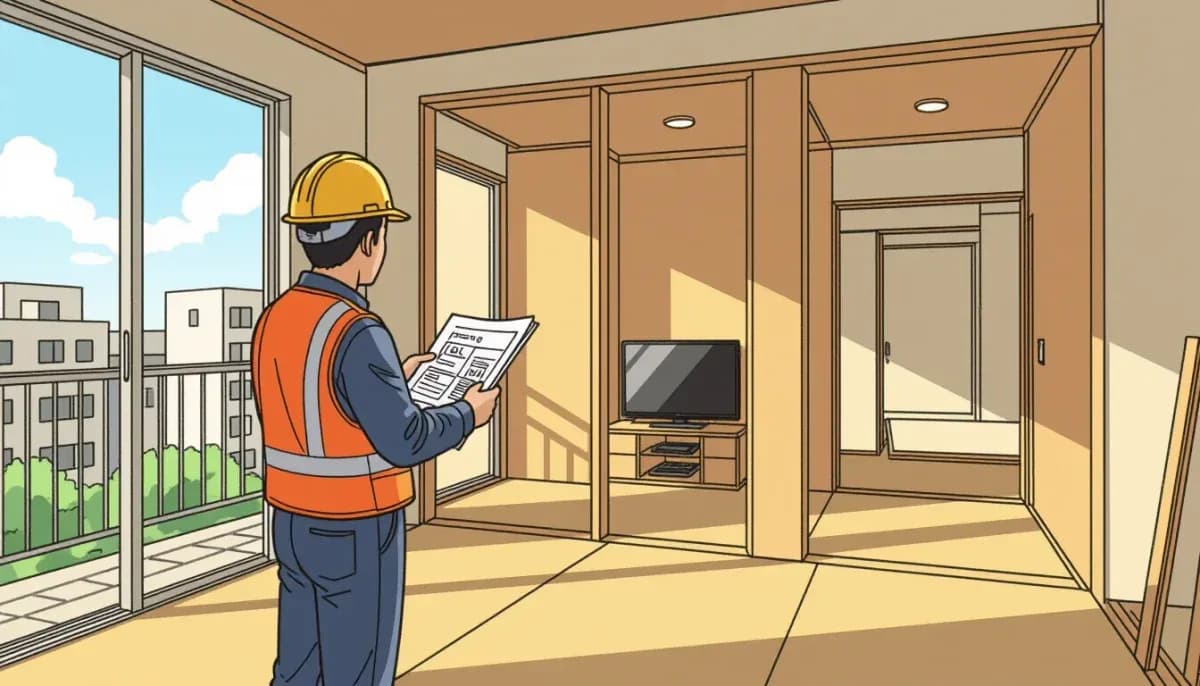
Complete guide to condo building inspections in Japan for foreign buyers. Learn inspection types, costs (¥40,000–¥150,000), seismic standards, and critical documents to review before signing.
Read more →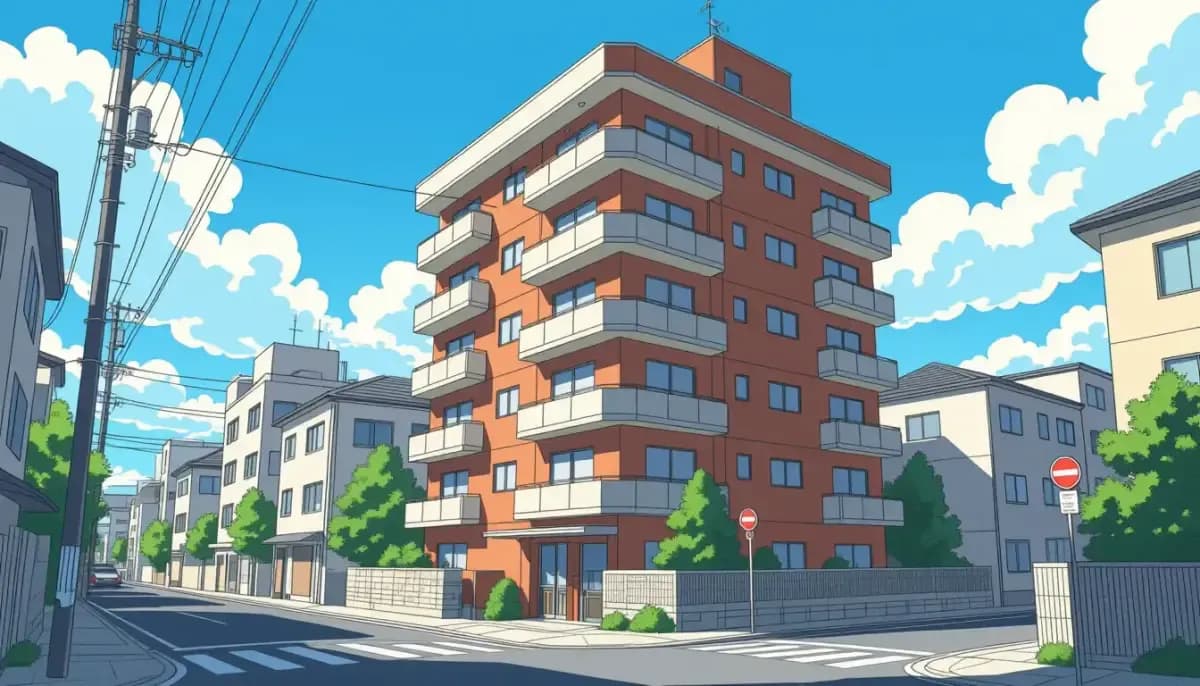
Buying an older condo in Japan? Learn about the critical 1981 seismic code, risks of pre-1981 buildings, retrofitting options, and how to protect yourself as a foreign buyer.
Read more →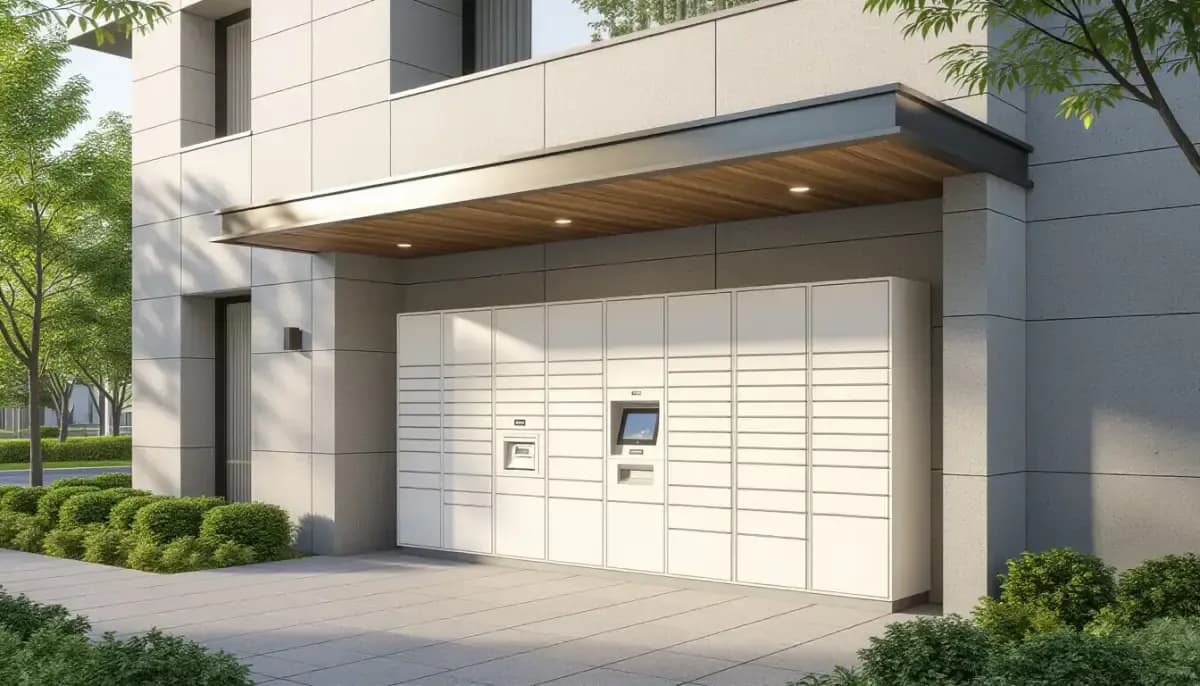
Discover what common facilities to expect in Japanese condominiums — from auto-lock entrances and parcel lockers to gyms and concierge services. Learn about management fees, what to inspect, and what foreign buyers should know before purchasing.
Read more →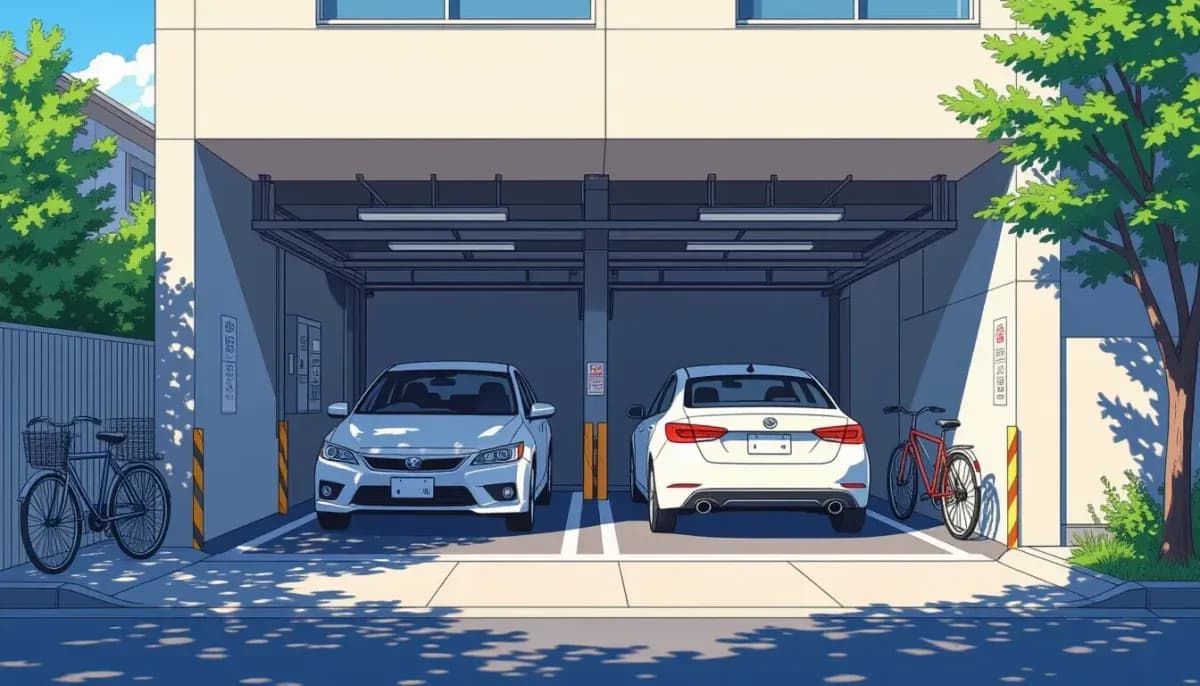
Learn everything about parking and bicycle storage in Japanese condominiums: types, fees, HOA rules, and tips for foreign buyers navigating Japan's condo market.
Read more →
Discover how to find pet-friendly condominiums in Japan as a foreigner. Learn about property categories (ペット可), costs, restrictions, legal requirements, and proven tips for securing a pet-welcoming home in Japan.
Read more →
Complete guide to tower mansions (タワーマンション) in Japan for foreign buyers. Discover pros, cons, pricing, investment potential, and practical tips for buying a high-rise condo in Tokyo or Osaka.
Read more →
Everything foreign buyers need to know about Japan's condo repair reserve fund (shuuzen tsumitatekin): costs, red flags, due diligence tips, and tax treatment explained.
Read more →
Everything foreigners need to know about Japan condo maintenance fees (kanri hi) and repair reserve funds (shuzen tsumitatekin): costs, averages, foreigner challenges, and due diligence tips.
Read more →
Learn how Japan's condo management association (kanri kumiai) works. Covers fees, voting rights, foreign owner tips, and what to check before buying a Japanese condominium.
Read more →
Complete guide to buying a condominium in Japan as a foreigner: legal rights, step-by-step process, mortgage options, costs, taxes, and regional price comparisons for 2025.
Read more →