
Earthquake Safety Concerns in Older Japan Condominiums

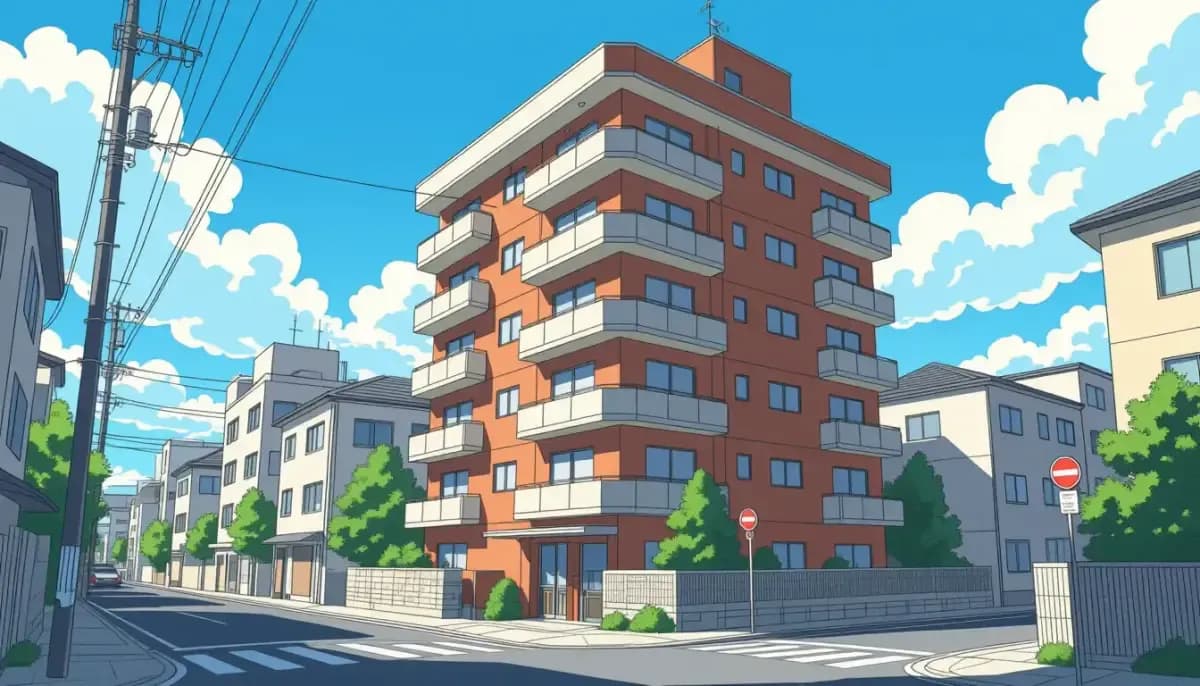
Buying an older condo in Japan? Learn about the critical 1981 seismic code, risks of pre-1981 buildings, retrofitting options, and how to protect yourself as a foreign buyer.
Earthquake Safety Concerns in Older Japan Condominiums: What Buyers Must Know
Buying an older condominium in Japan can be an attractive proposition — the prices are often significantly lower than newer buildings, and many aging properties are located in prime urban areas. But Japan is one of the world's most seismically active countries, and the earthquake safety of older condominiums deserves serious scrutiny before you sign any purchase agreement. This guide breaks down the key risks, the legal framework, and what you can do to protect yourself as a foreign buyer.
Understanding Japan's Seismic Building Codes: The 1981 Watershed
The single most important date in Japanese real estate safety is June 1, 1981. On this date, Japan's Building Standards Law (建築基準法) was amended to introduce the "new seismic standards" (shin-taishin, 新耐震). Buildings certified before this date are known as kyū-taishin (旧耐震) — old seismic standard — and those certified on or after are shin-taishin.
The difference is substantial:
| Standard | Period | Earthquake Resistance Level |
|---|---|---|
| Kyū-taishin (旧耐震) | Pre-June 1981 | Must not collapse in seismic intensity 5 |
| Shin-taishin (新耐震) | Post-June 1981 | Must not collapse in intensity 6–7, minimal damage at intensity 5 |
| 2000 Standards | Post-June 2000 | Enhanced foundation inspections, stricter structural requirements |
The 1995 Great Hanshin earthquake (also known as the Kobe earthquake) provided a devastating real-world test: 97% of buildings that collapsed during that disaster had been built before 1981. This single statistic underscores just how significant the 1981 code change was for structural safety.
The 1981–1983 Grey Zone: A Trap for Buyers
Many buyers assume that any condominium completed after 1981 is safe under the new standards — but this is a common mistake. The key date is the building certification date, not the completion date.
Because large condominium projects take 1 to 1.5 years from certification to completion, a building completed in 1982 or even early 1983 may still have been certified under the old kyū-taishin standards. To verify compliance, you or your agent must request the building certification documents at the relevant municipal office.
Practical rule: If a condominium was completed before 1983, always verify its certification date before proceeding. When in doubt, consult a qualified real estate professional who can review the paperwork.
What Are the Real Risks in Older Condominiums?
Beyond the structural code issue, aging condominiums face a range of earthquake-related and general deterioration risks:
Structural Vulnerability
Older reinforced concrete buildings (RC construction) that predate 1981 were not designed to withstand the higher ground acceleration levels we now know are possible in major Japanese earthquakes. In extreme scenarios, these buildings risk becoming uninhabitable or collapsing entirely during a magnitude 7+ event.
Material Deterioration
Reinforced concrete condominiums over 30–40 years old may suffer:
- Internal concrete cracking
- Rebar corrosion from moisture penetration
- Deterioration of waterproofing membranes
- Aged or failing water supply and drainage pipes
These issues don't just affect comfort — they can compromise a building's ability to absorb seismic shocks effectively.
Location-Based Risk Amplification
The ground beneath a building matters enormously during an earthquake. Buildings in Tokyo's Arakawa, Sumida, and eastern Taito wards sit on soft alluvial plains and lowland valleys that amplify ground motion. Older buildings in these high-risk zones face compounded danger. By contrast, areas like Chiyoda and Minato wards, built on more stable ground, carry lower risk.
Japan's Three Earthquake-Resistant Building Technologies
When evaluating any condominium — old or new — it helps to understand the three main structural approaches used in Japan:
| Technology | Japanese Term | How It Works | Effectiveness |
|---|---|---|---|
| Earthquake resistance | Taishin (耐震) | Reinforced frame absorbs seismic force | Basic standard |
| Vibration control | Seishin (制震) | Dampers reduce building sway | Better than taishin |
| Base isolation | Menshin (免震) | Building floats on isolators above ground | Most effective, most expensive |
Older condominiums built before 1981 typically rely on basic taishin designs that fall below even current minimum standards. Modern high-rise condominiums often use seishin or menshin systems.
Seismic Retrofitting: Can Older Buildings Be Upgraded?
Yes — and this is an important consideration when evaluating pre-1981 condominiums. Seismic retrofitting (耐震補強) involves structural reinforcement work that brings an older building closer to modern safety standards. Local governments in Japan frequently offer financial support for this work:
- Municipal subsidies covering part of the retrofitting cost (varies by ward/city)
- Income tax deductions of up to 10% of construction costs, capped at ¥250,000 per year
- Property tax reductions for properties that have undergone certified retrofitting
However, retrofitting a condominium is far more complex than retrofitting a single-family home. Because condominiums are jointly owned, at least 75% of all unit owners must agree before large-scale structural work can proceed. In practice, this threshold is difficult to meet, meaning many older condominiums never get retrofitted even when individual owners would prefer it.
Before buying an older condo, ask whether the building association has any existing retrofit plans or a history of seismic reinforcement work.
How to Assess Earthquake Safety Before You Buy
Here is a practical checklist for evaluating the seismic safety of any older condominium in Japan:
- Confirm the building certification date — Request this at the relevant municipal office (not just the completion date)
- Check if it meets shin-taishin standards — Certified on or after June 1, 1981
- Ask about 2000-standard compliance — Post-2000 buildings have the strongest protections
- Request a Seismic Resistance Certificate (耐震基準適合証明書) — Confirms the building meets current standards
- Inquire about seismic retrofitting history — Has the building association conducted or voted on any reinforcement work?
- Check the building management reserve fund — Is there adequate budget for maintenance and emergency repairs?
- Review ground condition maps — Check your municipality's hazard maps (ハザードマップ) for liquefaction and amplification risk
- Get earthquake insurance — Essential for older properties; available as an add-on to standard fire insurance in Japan
For more context on the overall buying process, see our guide to the step-by-step home buying process in Japan for foreigners, and review the types of properties available in Japan to compare your options.
Price vs. Safety: The Trade-Off With Older Condominiums
Pre-1981 condominiums are often priced at half or even a third of comparable newer units. For buyers on a tight budget, or those seeking rental income properties, this can be compelling. An older condo in a desirable central Tokyo neighborhood may still generate steady rental returns despite its depreciated book value.
The question is whether the price discount adequately compensates for the risk. Some buyers reasonably decide it does, particularly if:
- The building has undergone certified seismic retrofitting
- The price is substantially discounted
- The property is in a low ground-motion zone
- Earthquake insurance covers the remaining structural risk
Others — especially owner-occupiers — conclude that the additional safety of a post-1981 or post-2000 building is worth the premium. There is no universally right answer; it depends on your risk tolerance, budget, and intended use of the property.
For broader financial planning, read our overview of property taxes and annual costs of owning property in Japan and the hidden costs and fees when buying property in Japan.
Key Resources and Further Reading
For foreigners navigating earthquake safety and disaster preparedness in Japan, the following resources provide valuable guidance:
- Disaster Preparedness & Emergency Response for Foreigners in Japan — Living in Nihon's comprehensive guide to emergency preparation
- Housing and Living Infrastructure Guide for Foreigners — For Work in Japan's overview of housing essentials
- Condominium Purchase Guide for Foreigners — Gaijin Buy House's detailed condominium buying walkthrough
- Earthquake Resistance of Buildings in Japan — Plaza Homes' technical breakdown of seismic standards
- Investing in Newer vs. Older Buildings in Japan — apts.jp's guide to weighing the trade-offs
Summary: What Older Condo Buyers Should Remember
Older condominiums in Japan can represent genuine value — but only if you go in with clear eyes about earthquake safety. The 1981 seismic code change is the defining line: buildings certified before June 1, 1981, face meaningfully higher structural risk in major earthquakes. The 1995 Kobe disaster made that risk impossible to ignore.
Before committing to any older condo purchase, verify the certification date, check for retrofitting, consult the building association's maintenance plans, and get earthquake insurance without fail. With the right due diligence, it is absolutely possible to make a smart, informed purchase — even in an older building. But skipping these steps is a risk that Japan's seismic reality does not forgive.
For a complete foundation on buying property safely in Japan as a foreigner, start with our complete guide to buying property in Japan.

Originally from Vietnam, living in Japan for 16+ years. Graduated from Nagoya University, with 11 years of professional experience at Japanese and international companies. Sharing information about buying property in Japan for foreigners.
View Profile →Related Articles
Japan Condo Resale Value: Key Factors That Affect Price
Discover the key factors that affect Japan condo resale value — from station proximity and building age to management quality and market timing. Essential guide for foreign buyers.
Read more →
Luxury and Branded Condominiums in Japan
Complete guide to buying luxury and branded condominiums in Japan as a foreigner. Covers Aman Residences, Ritz-Carlton, tower mansions, prices, costs, and investment potential in Tokyo and beyond.
Read more →
Rental Rules and Regulations for Japan Condominiums
Complete guide to Japan condominium rental rules for foreigners: lease agreements, deposits (shikikin/reikin), house rules, noise policies, pet restrictions, subletting laws, move-out obligations, and tenant rights explained.
Read more →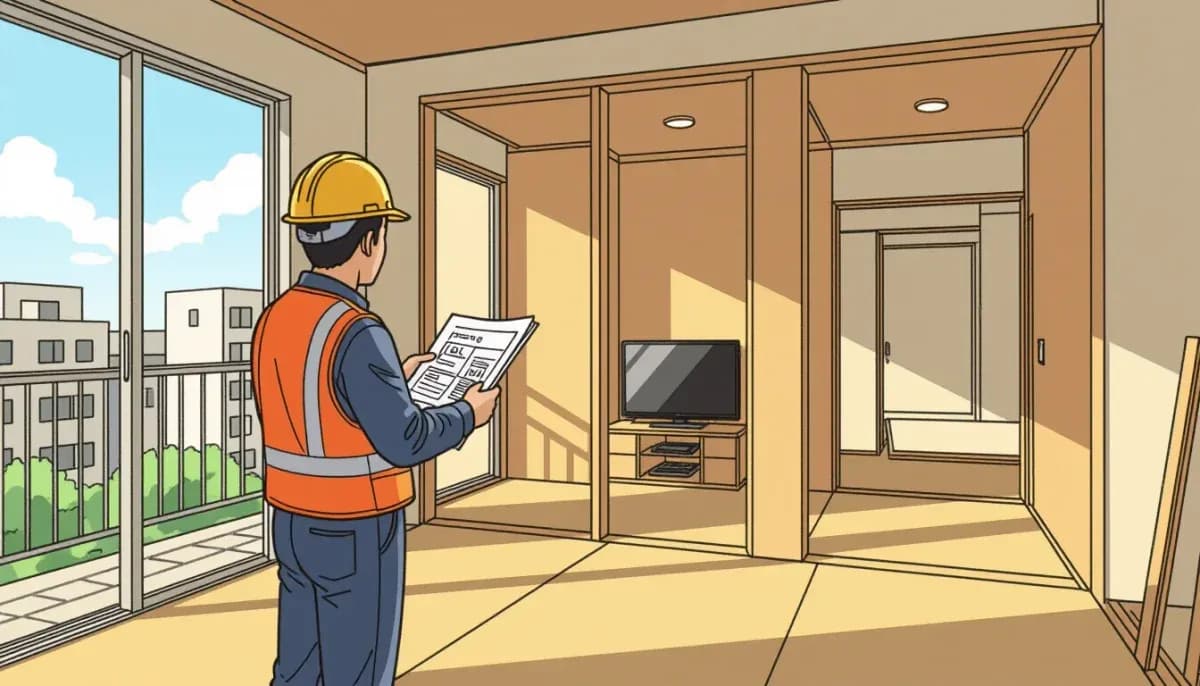
Japan Condo Building Inspection: What to Check Before Buying
Complete guide to condo building inspections in Japan for foreign buyers. Learn inspection types, costs (¥40,000–¥150,000), seismic standards, and critical documents to review before signing.
Read more →
Japan Condo Common Facilities and Amenities Guide
Discover what common facilities to expect in Japanese condominiums — from auto-lock entrances and parcel lockers to gyms and concierge services. Learn about management fees, what to inspect, and what foreign buyers should know before purchasing.
Read more →
Parking and Bicycle Storage in Japan Condominiums
Learn everything about parking and bicycle storage in Japanese condominiums: types, fees, HOA rules, and tips for foreign buyers navigating Japan's condo market.
Read more →