
Luxury and Branded Condominiums in Japan

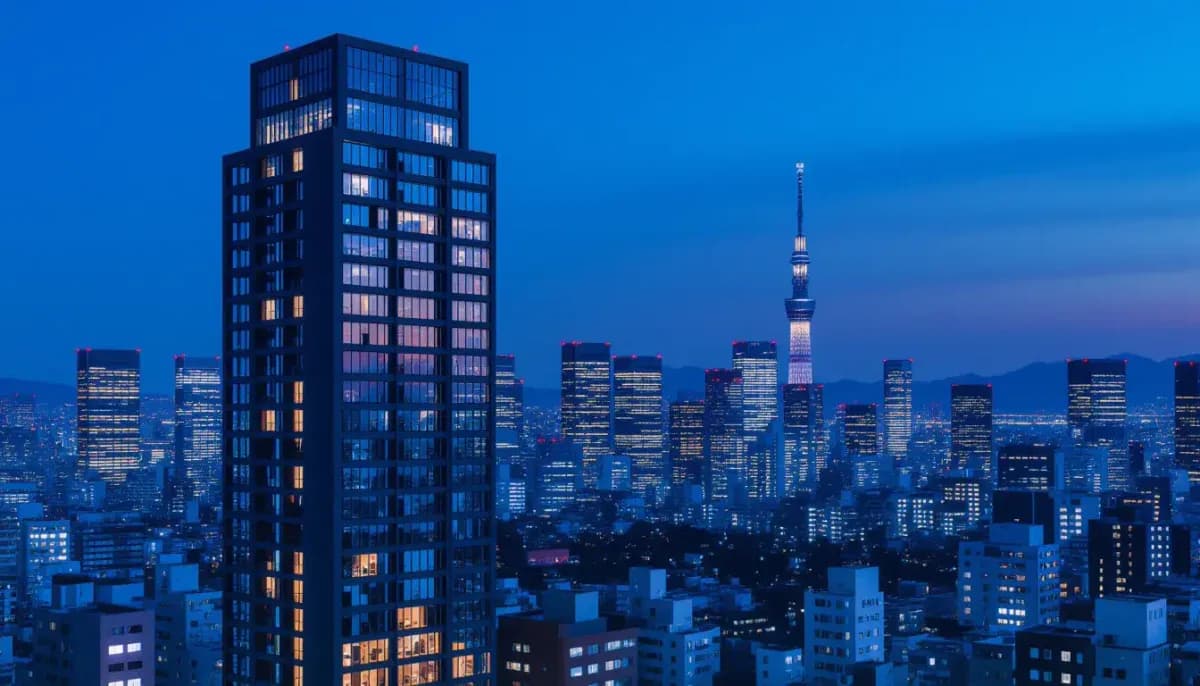
Complete guide to buying luxury and branded condominiums in Japan as a foreigner. Covers Aman Residences, Ritz-Carlton, tower mansions, prices, costs, and investment potential in Tokyo and beyond.
Luxury and Branded Condominiums in Japan: The Ultimate Guide for Foreign Buyers
Japan's luxury condominium market has transformed dramatically in recent years, attracting high-net-worth buyers from around the world. From hotel-branded residences in Azabudai Hills to ultra-exclusive tower mansions in Tokyo's most coveted neighborhoods, the options for premium living in Japan are more impressive — and more accessible to foreigners — than ever before. This guide covers everything you need to know about buying luxury and branded condominiums in Japan as a foreign buyer.
What Are Luxury and Branded Condominiums in Japan?
In Japan's real estate market, luxury condominiums generally fall into several distinct categories:
Tower Mansions (タワーマンション / Tawā Manshon): High-rise condominiums typically 20 floors or taller, offering panoramic city views, premium amenities, and concierge services. These buildings dominate Tokyo's skyline and command some of the highest prices in the market. Learn more about tower mansions in our dedicated guide.
Branded Residences: Condominiums developed in partnership with internationally recognized luxury hotel brands such as Aman, Ritz-Carlton, Four Seasons, Waldorf Astoria, and Park Hyatt. These properties offer residents access to five-star hotel services and amenities while providing the privacy and ownership benefits of a private residence.
Ultra-Luxury Boutique Buildings: Small-scale, exclusive condominium buildings with fewer than 50 units, featuring bespoke interiors, premium materials, and highly personalized services. Properties like Marq Omotesando One and Park Mansion Hinokicho Koen fall into this category.
The Tokyo luxury market has seen remarkable growth. The average price of new condominiums in Tokyo's 23 wards hit ¥153.13 million in 2024 — the second highest ever recorded, representing an 18.3% year-on-year increase. Units priced above ¥100 million surged 72% versus the prior year, while new supply fell approximately 17% — the lowest level since 1973. This supply-demand imbalance continues to push luxury prices upward.
For an introduction to the broader condominium buying process, see our complete Japan condominium buying guide for foreigners.
Top Luxury and Branded Residences in Japan
Japan's premium residential landscape spans Tokyo, Osaka, Kyoto, and resort destinations like Hokkaido and Okinawa. Here are the most notable properties:
Tokyo Branded Residences
Aman Residences, Tokyo is arguably the most coveted address in Japan. Located on floors 54 through 64 of the 330-meter Azabudai Hills Mori JP Tower in Minato Ward, this Aman-branded property features Yabu Pushelberg-designed interiors, a 1,400 m² Aman Spa, a 25-meter private pool, library, bar, and private dining. Units range from 2 to 6 bedrooms and are priced between ¥1.5 billion and ¥2 billion (approximately $10.9M–$14.5M).
Toranomon Hills Residential Tower offers 547 units across 54 stories, priced from ¥200 million to ¥10 billion ($1.5M–$75M). Residents enjoy a Sky Salon, full spa, restaurant, on-site medical clinic, and valet parking. The adjacent Andaz Tokyo provides additional hospitality services.
The Park Residences at The Ritz-Carlton, Tokyo at Tokyo Midtown in Akasaka has been setting the standard for branded luxury living in Japan since 2007, with on-site concierge, chef access, and the full Ritz-Carlton amenities at residents' disposal.
Waldorf Astoria Tokyo Nihonbashi Residences is scheduled to open in 2026, marking Hilton's debut of its most prestigious brand in Japan. This highly anticipated development is expected to set new pricing benchmarks.
Ultra-Exclusive Boutique Properties
Marq Omotesando One is among the most expensive condominiums ever offered in Japan. Its 14 units are priced between ¥999 million and ¥2.02 billion, with its penthouse rumored to exceed ¥5 billion (approximately $36.3M). The building features 2.8-meter ceiling heights and terraces up to 4 meters deep in one of Tokyo's most prestigious shopping districts.
Park Mansion Hinokicho Koen in Akasaka offers just 46 units across 7 floors, with units starting at ¥720 million ($5.3M) and a penthouse priced at ¥5.5 billion ($40.3M). Round-the-clock concierge service and a tranquil park-facing setting distinguish this boutique property.
Resort Branded Residences
Aman Niseko (Hokkaido) is set to open in 2026 with 31 residences, each featuring private onsen baths, in Japan's most famous ski resort destination.
Four Seasons Resort and Private Residences Okinawa is scheduled for 2027 in Onna Village, offering 124 condominium units across a 130,000+ sqm beachfront site.
AMANEM in Mie Prefecture (Ise-Shima National Park) represents the first Aman resort residences in Japan, blending natural hot springs with the Aman philosophy of understated luxury.
For a deeper understanding of the premium amenities available in Japanese condominium buildings, see our guide to Japan condo common facilities and amenities.
Price Comparison: Japan's Most Exclusive Condominiums
| Property | Location | Price Range | Unit Size | Key Features |
|---|---|---|---|---|
| Aman Residences Tokyo | Azabudai Hills, Minato | ¥1.5B–¥2B+ | 2–6 bedrooms | Aman Spa, pool, 25m tower |
| Marq Omotesando One | Omotesando, Shibuya | ¥999M–¥2.02B+ | 237–251 m² | 14 units only, terrace |
| Toranomon Hills Residential Tower | Toranomon, Minato | ¥200M–¥10B | 56–226 m² | 547 units, medical clinic |
| Park Mansion Hinokicho Koen | Akasaka, Minato | ¥720M–¥5.5B | 143–580 m² | 46 units, 24/7 concierge |
| The Park Residences at Ritz-Carlton | Tokyo Midtown, Akasaka | ¥200M+ | Various | Ritz-Carlton amenities |
| Azabudai Hills Residence A | Azabudai, Minato | ¥100M–¥500M+ | Various | Janu Tokyo wellness |
| Aman Niseko | Niseko, Hokkaido | ¥200M+ | Various | Private onsen, ski resort (2026) |
| Garden Passage Hiroo | Hiroo, Minato | ¥685M–¥719M | 227–248 m² | 7 units, fireplaces, pet-friendly |
All prices are approximate and subject to change. Exchange rates: ¥100M ≈ $670,000–$720,000 depending on current rates.
Can Foreigners Buy Luxury Condominiums in Japan?
The short answer is yes — and with fewer restrictions than most countries. Japan imposes no restrictions on foreign ownership of real estate, regardless of nationality, residency status, or visa type. You do not need to be a Japanese citizen, permanent resident, or even a visa holder to purchase property in Japan. Understand your full legal rights as a foreign property buyer.
However, several practical considerations are specific to foreign buyers in the luxury market:
Financing: Obtaining a Japanese mortgage without permanent residency is challenging. Most foreign buyers in the ultra-luxury segment purchase with cash. Some Japanese banks will lend to non-permanent residents, particularly those with stable Japanese income, but approval is not guaranteed. Learn more about Japan mortgage requirements for foreigners.
Documentation: Overseas buyers typically need a notarized affidavit of address and signature certified by their home country embassy or notary public, translated into Japanese. Major real estate agencies that specialize in luxury properties (Mori Building, Hulic, Sumitomo Realty) have international teams experienced in handling foreign buyer documentation.
Tax Registration: All property owners must register with Japanese tax authorities and pay fixed asset tax (koteishisanzei) annually. For luxury properties, this can represent several million yen per year.
Building Rules: Some older condominium buildings have informal restrictions on selling to non-Japanese buyers ("gaijin bans"), though this is increasingly uncommon in the luxury segment, where international buyers are actively courted. Always have your real estate agent confirm there are no such restrictions before proceeding. For detailed guidance on the buying process, see our guide to finding a real estate agent in Japan as a foreigner.
For comprehensive guidance on property ownership rights, visit Living in Nihon's Japan property buying guide.
Costs and Fees for Luxury Condo Ownership in Japan
Understanding the total cost of ownership is essential before purchasing. Beyond the purchase price, expect:
Purchase Transaction Costs:
- Real estate agent commission: approximately 3% + ¥60,000 + consumption tax (for properties over ¥4M)
- Registration and license tax (toroku menkyozei): 0.4–2%
- Stamp duty: ¥10,000–¥600,000 depending on price
- Judicial scrivener fees: ¥100,000–¥300,000
- Total purchase-side costs: approximately 3–6% for new condominiums, 6–9% for resale properties
For details on agent fees, see our guide to real estate agent commission in Japan.
Monthly Ownership Costs:
- Building management fees (kanri-hi): ¥10,000–¥30,000 for standard condominiums; for luxury buildings, ¥50,000–¥200,000+
- Repair reserve fund (shuuzen tsumitate): ¥5,000–¥20,000 standard; ¥30,000–¥100,000+ for luxury
- Fixed asset tax: approximately 1.4% of assessed value annually
- City planning tax: 0.3% of assessed value in designated urban areas
For a comprehensive breakdown of monthly fees, read our articles on condo maintenance fees (kanri-hi) in Japan and the repair reserve fund (shuuzen tsumitate).
For excellent insights on condo investment potential, check Gaijin Buy House's condo guide for foreigners.
Investment Potential of Japan's Luxury Condominiums
Japan's luxury condominium market has delivered strong returns in recent years, driven by a combination of factors that are expected to persist:
Currency Advantage: The weak yen has made Japanese luxury real estate significantly more attractive to dollar, euro, and pound-denominated buyers. A property that costs $5 million today would have cost $7–8 million in 2012 based on exchange rates alone.
Foreign Investment Surge: In 2024, foreign investment in Japanese real estate exceeded $10 billion — a 45% jump in the first half of the year. Residential property investment by overseas buyers reached ¥740 billion (up 18% YoY). In Chiyoda, Shibuya, and Minato wards, foreign buyers now account for 20–40% of new apartment purchases.
Supply Constraints: New luxury supply is limited by land availability and construction costs, particularly in central Tokyo. This scarcity supports long-term price appreciation.
Rental Income: Luxury condominiums in prime Tokyo locations can command substantial rental income. Garden Passage Hiroo in Hiroo commands ¥1.4M–¥1.85M per month in rental income — roughly $9,400–$12,400/month. Branded residences in tourist destinations like Kyoto and Niseko also benefit from premium short-term rental potential, though local regulations vary.
Resale Values: Tokyo's prime-area prices rose 8.1% in 2025 — triple the national average. Minato Ward's Akasaka district saw land prices rise 10.3% year-on-year. Understand the key factors that affect condo resale value in Japan.
For professional buying services targeted at foreign buyers, For Work in Japan offers resources for those relocating to Japan.
What to Check Before Buying a Luxury Condo in Japan
Even ultra-luxury properties require due diligence. Key items to investigate:
Earthquake Safety Standards: Japan enforces strict seismic building codes. Properties built before 1981 use the old standards (kyuu taishin) while those built after 1981 comply with the new standards (shin taishin). Luxury tower mansions built since 2000 generally incorporate base isolation (menshin) or seismic damping (seishin) systems for superior earthquake performance. See our article on earthquake safety in older Japan condominiums for more.
Building Management: The quality of the management association (kanjiinkai / kanri kumiai) dramatically affects your ownership experience and property value over time. Learn how Japan's condo management associations work.
Building Inspection: Before finalizing a purchase of any resale condominium, conduct a thorough building inspection. Our condo building inspection guide outlines exactly what to check.
Rental Restrictions: If you intend to rent out the property — particularly as a short-term vacation rental — verify the building's rental rules in advance. Many condominiums in Japan restrict or prohibit short-term rentals (minpaku). Read our guide to rental rules and regulations in Japan condominiums.
Parking: In luxury urban condominiums, parking spaces are often sold separately and can cost ¥5M–¥20M in prime Tokyo locations. Confirm availability and costs in advance. Our guide to parking and bicycle storage in Japan condominiums has more details.
For more resources on buying luxury property in Tokyo, see the Tokyo Portfolio luxury condo guide and Housing Japan's market data. For comprehensive analysis of branded residences, the Plaza Homes branded residence guide provides detailed overviews of each development.
Key Takeaways
Japan's luxury and branded condominium market offers foreign buyers a rare combination: world-class properties managed to the highest international standards, in one of the world's safest and most livable cities, at prices that — despite recent appreciation — remain competitive with comparable luxury properties in London, New York, or Hong Kong.
The market's fundamentals are strong: limited supply, growing international demand, currency tailwinds, and a stable legal environment that fully protects foreign ownership rights. For long-term investors and lifestyle buyers alike, Japan's luxury condominium sector deserves serious consideration.
To get started, explore the complete guide to buying property in Japan as a foreigner and understand how Japan's property registration system works.

Originally from Vietnam, living in Japan for 16+ years. Graduated from Nagoya University, with 11 years of professional experience at Japanese and international companies. Sharing information about buying property in Japan for foreigners.
View Profile →Related Articles
Japan Condo Resale Value: Key Factors That Affect Price
Discover the key factors that affect Japan condo resale value — from station proximity and building age to management quality and market timing. Essential guide for foreign buyers.
Read more →
Rental Rules and Regulations for Japan Condominiums
Complete guide to Japan condominium rental rules for foreigners: lease agreements, deposits (shikikin/reikin), house rules, noise policies, pet restrictions, subletting laws, move-out obligations, and tenant rights explained.
Read more →
Japan Condo Building Inspection: What to Check Before Buying
Complete guide to condo building inspections in Japan for foreign buyers. Learn inspection types, costs (¥40,000–¥150,000), seismic standards, and critical documents to review before signing.
Read more →
Earthquake Safety Concerns in Older Japan Condominiums
Buying an older condo in Japan? Learn about the critical 1981 seismic code, risks of pre-1981 buildings, retrofitting options, and how to protect yourself as a foreign buyer.
Read more →
Japan Condo Common Facilities and Amenities Guide
Discover what common facilities to expect in Japanese condominiums — from auto-lock entrances and parcel lockers to gyms and concierge services. Learn about management fees, what to inspect, and what foreign buyers should know before purchasing.
Read more →
Parking and Bicycle Storage in Japan Condominiums
Learn everything about parking and bicycle storage in Japanese condominiums: types, fees, HOA rules, and tips for foreign buyers navigating Japan's condo market.
Read more →