
Japan Condo Building Inspection: What to Check Before Buying

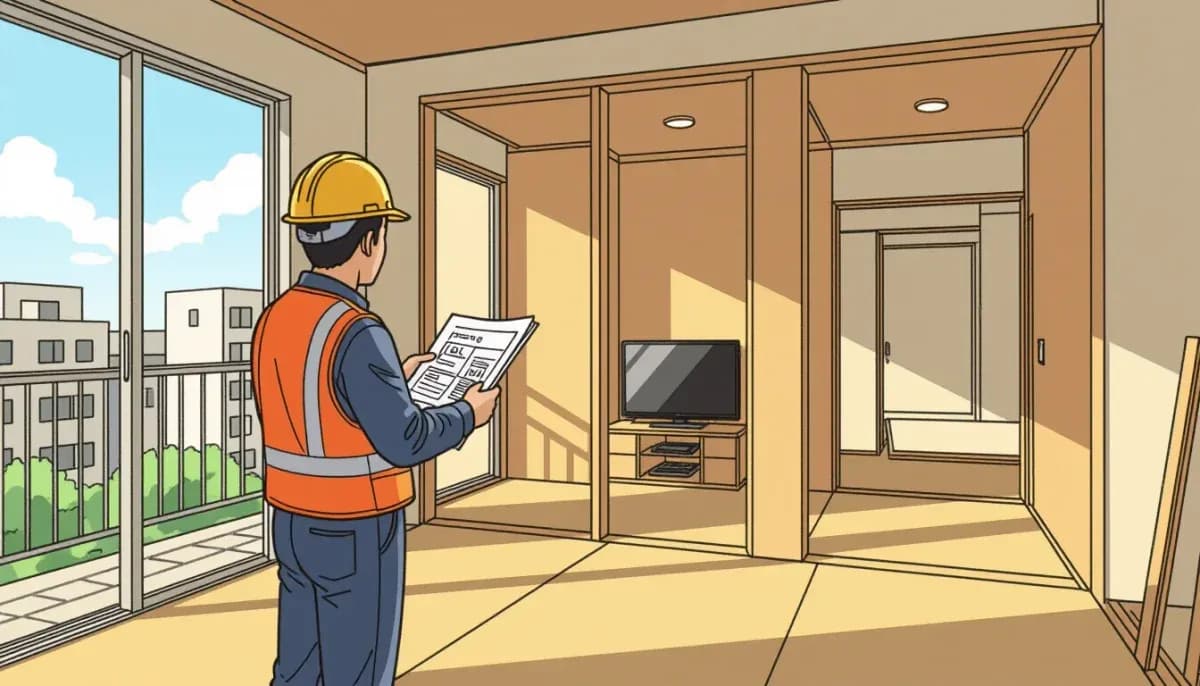
Complete guide to condo building inspections in Japan for foreign buyers. Learn inspection types, costs (¥40,000–¥150,000), seismic standards, and critical documents to review before signing.
Japan Condo Building Inspection: What to Check Before Buying
Buying a condominium (mansion) in Japan is a significant financial commitment — and unlike many Western countries, Japan does not require a home inspection before completing a sale. That means the responsibility falls on you as the buyer to understand what to look for, what questions to ask, and when to bring in a professional inspector. For foreign buyers especially, navigating the inspection process can be confusing without the right guidance.
This guide covers everything you need to know about condo building inspections in Japan: what they cover, how much they cost, what to check on your own during viewings, and how to interpret the critical seismic safety data that affects every property built before 2000.
Why Condo Inspections Matter in Japan
Japan is one of the world's most seismically active countries. Every building stands on ground that will almost certainly experience a significant earthquake during your ownership. Beyond seismic risk, Japanese condominiums — especially older ones — face issues like aging water pipes, underfunded repair reserves, and deteriorating common areas that can turn your dream home into a money pit.
Home inspection is NOT mandatory when buying property in Japan. However, a 2018 revision to the Real Estate Brokerage Act now requires real estate agents to explain the option of a building condition survey (建物状況調査 / tatemono jokyo chosa) to both buyer and seller when signing the brokerage contract. Agents must also disclose whether a prior inspection exists and share the results if available.
Japan's Ministry of Land, Infrastructure, Transport and Tourism (MLIT) actively promotes pre-purchase inspections to build consumer confidence in the pre-owned housing market. Despite this, many buyers — especially foreigners unfamiliar with the system — skip this crucial step. Don't be one of them.
For a broader overview of buying a condo in Japan, see our Japan Condominium Buying Guide for Foreign Buyers.
Types of Inspections Available in Japan
Understanding your options is the first step. Japan offers several distinct types of property inspections, each with a different scope and cost.
Building Condition Survey (建物状況調査 / Tatemono Jokyo Chosa)
This is the MLIT-standardized inspection conducted by a registered technical expert (a licensed architect). It covers:
- Foundation and structural framing
- Exterior walls and waterproofing
- Balconies and common-area structural elements
- Roof and rainwater prevention systems
- Visible signs of damage, cracks, or deterioration
Note: Water and drainage pipelines are typically excluded from the standard survey but can be added for an extra fee. The inspection is visual only — inspectors do not open walls, remove flooring, or access concealed areas.
Standard Visual Inspection (インスペクション / Inspection)
A general, non-invasive visual inspection by a certified inspector. Similar in scope to the building condition survey but not necessarily following the exact MLIT standard format. Still valuable for identifying obvious defects.
Seismic Diagnosis (耐震診断 / Taishin Shindan)
A separate structural safety evaluation specifically focused on earthquake resistance. This is strongly recommended — and sometimes required for mortgage tax deductions — for any building constructed before June 1, 1981.
Earthquake Resistance Conformance Certificate (耐震基準適合証明書)
Issued after passing a seismic diagnosis, this certificate confirms the building meets at least the post-1981 new seismic standards. It is often required to qualify for certain mortgage loan tax deductions (住宅ローン控除) when purchasing older properties.
| Inspection Type | What It Covers | Typical Cost |
|---|---|---|
| Building Condition Survey (建物状況調査) | Structure, exterior, foundation, roof | ¥40,000–¥60,000 |
| Standard Visual Inspection | General visual check of accessible areas | ¥40,000–¥60,000 |
| Detailed Inspection (with pipe/equipment checks) | Above + water pipes, drainage, equipment | ¥80,000–¥150,000 |
| Seismic Diagnosis (耐震診断) | Earthquake structural safety | ¥50,000–¥100,000 |
| Full Package (structure + seismic) | Comprehensive pre-purchase due diligence | ¥100,000–¥200,000 |
Prices vary by property size, age, and location. Tokyo and Osaka properties generally cost more to inspect than regional cities.
Japan's Seismic Standards: The Most Important Numbers to Know
The single most important factor in evaluating a Japanese condo is its relationship to Japan's seismic construction standards. Two dates define the legal landscape:
June 1, 1981 — The dividing line between the old seismic standards (旧耐震 / Kyu-Taishin) and new seismic standards (新耐震 / Shin-Taishin). Buildings permitted before this date were only required to withstand a moderate earthquake (shindo 5) without major damage. Post-1981 buildings must withstand a severe earthquake (shindo 6–7) without collapsing.
June 1, 2000 — A further enhancement to standards, adding stricter foundation requirements, mandatory metal connectors for wooden structures, and higher structural safety margins.
The data from real earthquakes shows why these dates matter enormously:
| Building Era | Seismic Standard | Collapse Rate (2016 Kumamoto Earthquakes) |
|---|---|---|
| Pre-June 1981 | Old Standards (旧耐震) | ~28% of wooden buildings collapsed |
| June 1981 – May 2000 | New Standards (新耐震) | ~8.7% of wooden buildings collapsed |
| Post-June 2000 | Enhanced Standards (2000年基準) | ~2.2% of wooden buildings collapsed |
| All eras (RC buildings) | — | Zero post-1981 RC buildings collapsed |
For reinforced concrete (RC) condominiums specifically, every RC building that collapsed in the 2016 Kumamoto earthquakes was a pre-1981 structure. Zero post-1981 RC condominiums collapsed. This is a powerful data point: a post-1981 concrete mansion carries substantially lower seismic risk than the headlines might suggest.
However, you should still check the specific building's construction year against both the 1981 and 2000 thresholds. You can find this in the building's inspection certificate (確認済証 / kakunin-zumi-sho) or the registered property description.
For a deeper dive into seismic risk in older Japanese condos, read our guide on Earthquake Safety Concerns in Older Japan Condominiums.
What to Check During the Property Viewing (内見 / Naiken)
Before commissioning a formal inspection, conduct your own systematic check during the property viewing. Bring a flashlight, use your smartphone's level app, and take photos of everything.
Inside the Unit
Floors and Foundation:
- Walk slowly across the entire floor. Any springiness, bounce, or creaking can indicate subfloor issues.
- Use a level app or bring a marble — roll it in each room. A visible tilt of more than 3/1000 (3mm over 1 meter) indicates significant foundation settlement requiring investigation.
- Look for gaps between wall base molding and the floor (sign of settlement or movement).
Walls and Ceilings:
- Inspect every wall surface for cracks, especially diagonal cracks running from window corners (structural stress indicators).
- Fine hairline cracks in plaster are common and usually cosmetic. Wide (3mm+), irregular, or step-pattern cracks are serious.
- Look for water stains, discoloration, or peeling — these indicate current or past leaks.
- Check the ceiling for brown water stain rings, especially near windows and in bathrooms.
Windows and Balcony:
- Open and close all windows. Difficulty operating windows can indicate frame distortion from building movement.
- Check balcony drainage — make sure the drain is clear and the floor slopes correctly toward it.
- Look for rust or corrosion on balcony railings and metal elements.
Kitchen and Bathrooms:
- Turn on all faucets simultaneously and flush the toilet. Check water pressure and drainage speed.
- Look under kitchen and bathroom sink cabinets for moisture, mold, or discoloration.
- Check grout lines in tiled areas for gaps, cracks, or missing sections (water infiltration risk).
Ventilation:
- Japan requires all new residential construction (post-2003) to have 24-hour mechanical ventilation (第三種換気). Check that ventilation equipment is present and functioning.
- Insufficient ventilation causes mold, a persistent problem in Japanese apartments.
Common Areas (共用部分 / Kyoyo Buhin)
The condition of common areas tells you everything about how the building is managed:
- Entrance hall and mailboxes: Overflowing mailboxes at unused units are a warning sign of high vacancy rates — a red flag for the repair reserve fund.
- Elevator: Note the age and maintenance records (should be posted inside). Elevator replacement costs ¥5–15 million per unit.
- Hallways and stairwells: Stains, peeling paint, or damage left unrepaired indicates poor management.
- Trash room: Clean, organized, with clear rules — or chaotic? This reflects resident quality and management standards.
- Parking and bicycle storage: Check for adequate space and condition.
For a full overview of parking and bicycle storage in condos, see our Parking and Bicycle Storage in Japan Condominiums guide.
Critical Documents to Request Before Buying
Beyond the physical inspection, there are key documents every buyer should review. Ask your real estate agent to provide all of the following before signing any contract.
Long-Term Repair Plan (長期修繕計画 / Choki Shuuzen Keikaku)
This 30-year forward-looking plan details every major repair and replacement scheduled for the building: roof waterproofing, exterior wall repainting, elevator replacement, water pipe replacement, etc. It is your financial roadmap for the building's future. A building without an up-to-date long-term repair plan is a serious red flag.
Repair Reserve Fund Balance (修繕積立金 / Shuuzen Tsumitate-kin)
This is the fund built from monthly fees paid by all unit owners to cover future major repairs. An underfunded reserve fund is one of the most significant financial risks in Japanese condo ownership — it means a special assessment (一時金) could be levied on all owners when a major repair is needed.
Ask for:
- Current balance and per-unit monthly contribution amount
- Whether the fund is "on track" according to the long-term repair plan
- History of any past special assessments
For more detail, read our dedicated guide on the Repair Reserve Fund in Japan Condos.
Management Meeting Minutes (管理組合議事録 / Kanri Kumiai Gijiroku)
The last 2–3 years of management association meeting minutes reveal complaints, disputes, upcoming repairs, and the general health of the building community. Look for repeated issues (water leaks, noise complaints, parking disputes) and any planned special assessments.
Building Inspection Certificate (確認済証 / Kakunin-zumi-sho) and Completion Inspection Record (検査済証 / Kensa-zumi-sho)
These confirm the building was built according to its approved plans and passed final inspection. Missing completion inspection records (surprisingly common in older buildings) can complicate resale or renovation.
For more on the management association's role and documentation, see our Condo Management Association (Kumiai) in Japan Explained guide.
Hiring a Professional Inspector: What to Expect
Inspector Qualifications
In Japan, building inspectors must be:
- A licensed architect (一級建築士 / first-class architect, or 二級建築士 / second-class architect)
- Or certified under MLIT guidelines for building condition surveys
The Japan Inspection Organization (JIO) and similar professional bodies offer inspection services. For English-language inspection services, ask your bilingual real estate agent for recommendations — some inspection companies have English-speaking staff or can provide bilingual reports.
The Inspection Process
- Schedule timing: Arrange the inspection before signing the Purchase Agreement (売買契約 / baibai keiyaku). This is your only leverage point — once you have signed, discovering a defect gives you limited recourse.
- Management association consent: For condominiums, the management association (管理組合) must grant consent before the inspector can access shared or common areas. Your real estate agent should handle this.
- Attend in person: You are entitled to be present during the inspection. Bring a notepad and ask questions freely.
- Request a written report: All findings should be documented in writing with photos.
For detailed tips on property viewings and evaluations, see Property Viewing and Evaluation Tips for Japan at Living in Nihon.
For a comprehensive property viewing checklist specifically for foreigners, Gaijin Buy House's Property Viewing Checklist is an excellent resource with condo-specific advice.
The 2026 Condo Redevelopment Law: What Buyers of Older Buildings Must Know
In May 2025, Japan enacted an amendment to the Act on Building Unit Ownership (区分所有法) that takes effect on April 1, 2026. This law significantly lowers the threshold required for condo owners to vote to demolish and rebuild an aging or seismically deficient building:
- Before the amendment: 80% owner approval required for redevelopment
- After the amendment: 75% approval required for seismically deficient or aging buildings; two-thirds for earthquake-damaged buildings
Why does this matter to buyers? If you purchase a unit in an older condo, you could face a forced redevelopment vote where 75% of owners can vote to demolish the building and rebuild. Minority owners who vote against redevelopment may be legally compelled to sell their units at assessed value.
This is particularly relevant for pre-1981 buildings in urban areas like Tokyo, Osaka, and Nagoya, where land values make redevelopment economically attractive. Before buying an older condo, assess both the seismic condition and the demographic composition of the building — a building with many elderly long-term owners may be more likely to pursue redevelopment in the coming decade.
For employment and lifestyle context when relocating to Japan, For Work in Japan provides practical guides on working and living in Japan as a foreigner.
Quick Reference: Pre-Purchase Inspection Checklist
Use this checklist at every condo viewing:
| Check Item | What to Look For | Red Flag |
|---|---|---|
| Building construction date | Compare to June 1, 1981 and June 1, 2000 | Pre-1981 without seismic certificate |
| Floor level | Test with level app or marble | Tilt > 3mm/m |
| Wall cracks | Size, pattern, location | Wide diagonal cracks, step cracks |
| Water stains | Walls, ceilings, under sinks | Active or multiple stain areas |
| Common areas | Maintenance, cleanliness | Unrepaired damage, debris |
| Mailboxes | Occupancy indicator | Many overflowing = high vacancy |
| Repair reserve fund | Check balance vs. plan | Severely underfunded |
| Long-term repair plan | Current and realistic | Missing or outdated |
| Management minutes | Last 2–3 years | Repeated unresolved issues |
| Completion inspection record | Present in building records | Missing record |
Final Thoughts
A thorough condo inspection in Japan is one of the best investments you can make in the buying process. The cost of a professional inspection (¥40,000–¥150,000) is a rounding error compared to the purchase price — but discovering a problem before you sign can save you millions of yen and years of regret.
For foreign buyers, the biggest advantage you have is the ability to ask questions that Japanese buyers sometimes avoid for social reasons. Be direct, ask for documentation, and commission a professional inspection on any property you are seriously considering.
Combine a professional building condition survey with a thorough review of the financial documents — especially the repair reserve fund and long-term repair plan — and you will have a clear picture of exactly what you are buying.
For in-depth reading on home inspection laws, costs, and services in Japan, MailMate's Home Inspection Guide and PLAZA HOMES' Inspection Guide are excellent English-language resources.
To understand ongoing maintenance costs after you buy, see our guide to Understanding Condo Maintenance Fees (Kanri Hi) in Japan.

Originally from Vietnam, living in Japan for 16+ years. Graduated from Nagoya University, with 11 years of professional experience at Japanese and international companies. Sharing information about buying property in Japan for foreigners.
View Profile →Related Articles
Japan Condo Resale Value: Key Factors That Affect Price
Discover the key factors that affect Japan condo resale value — from station proximity and building age to management quality and market timing. Essential guide for foreign buyers.
Read more →
Luxury and Branded Condominiums in Japan
Complete guide to buying luxury and branded condominiums in Japan as a foreigner. Covers Aman Residences, Ritz-Carlton, tower mansions, prices, costs, and investment potential in Tokyo and beyond.
Read more →
Rental Rules and Regulations for Japan Condominiums
Complete guide to Japan condominium rental rules for foreigners: lease agreements, deposits (shikikin/reikin), house rules, noise policies, pet restrictions, subletting laws, move-out obligations, and tenant rights explained.
Read more →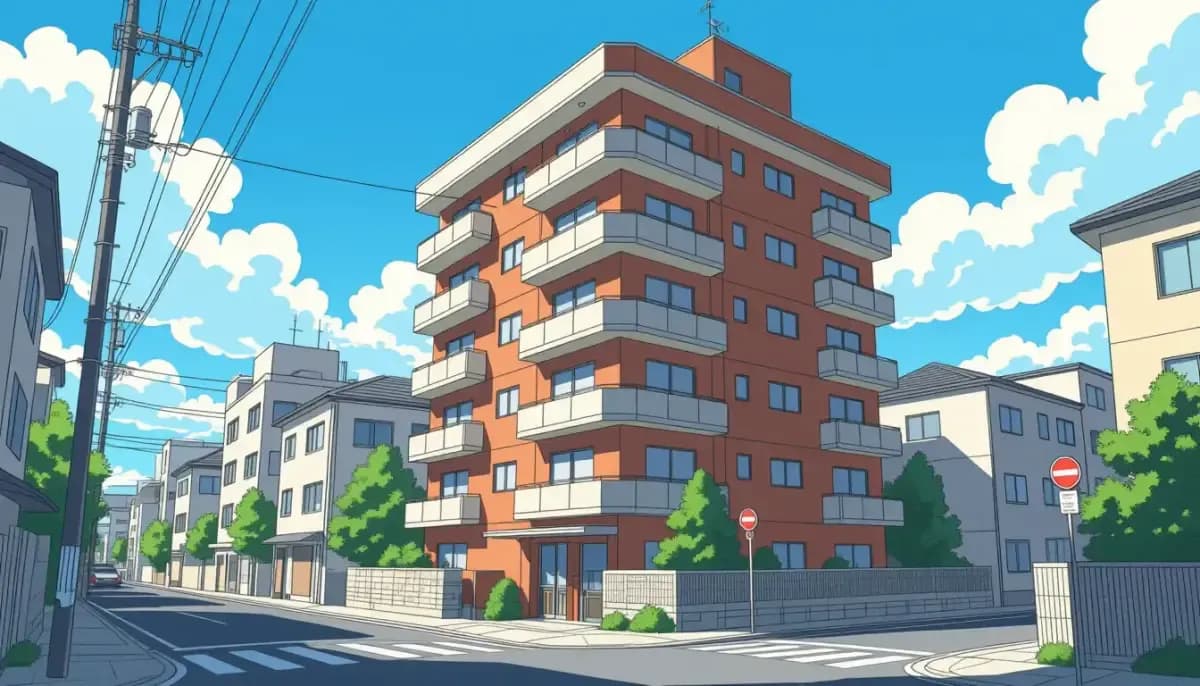
Earthquake Safety Concerns in Older Japan Condominiums
Buying an older condo in Japan? Learn about the critical 1981 seismic code, risks of pre-1981 buildings, retrofitting options, and how to protect yourself as a foreign buyer.
Read more →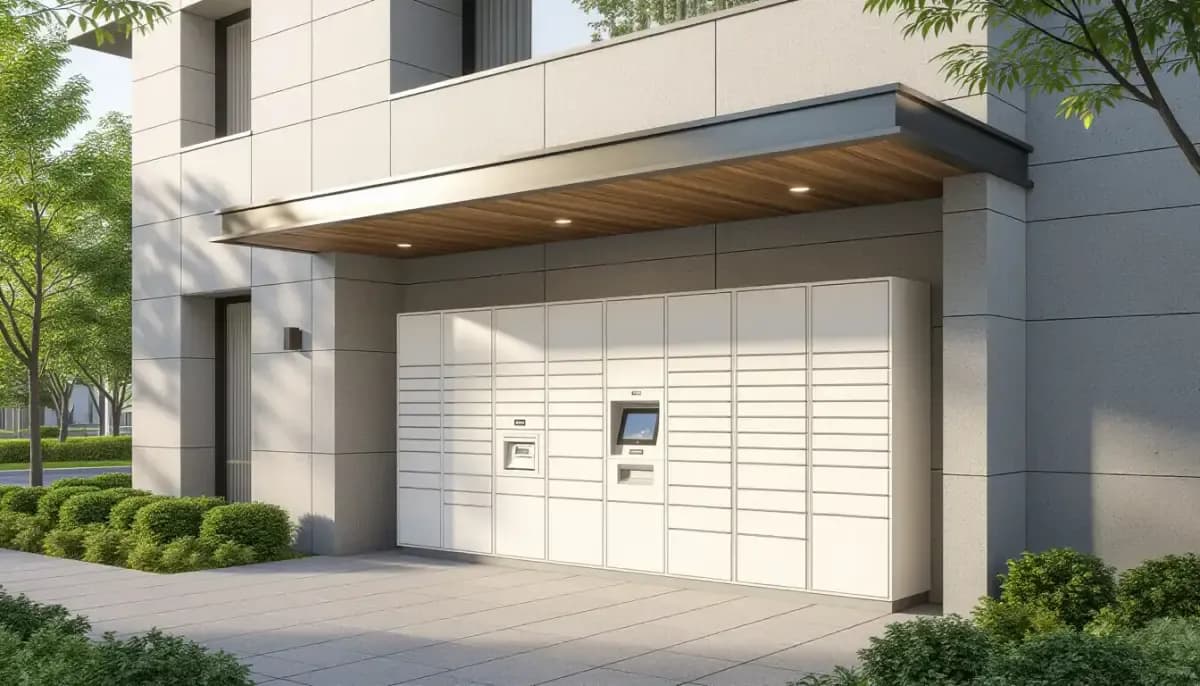
Japan Condo Common Facilities and Amenities Guide
Discover what common facilities to expect in Japanese condominiums — from auto-lock entrances and parcel lockers to gyms and concierge services. Learn about management fees, what to inspect, and what foreign buyers should know before purchasing.
Read more →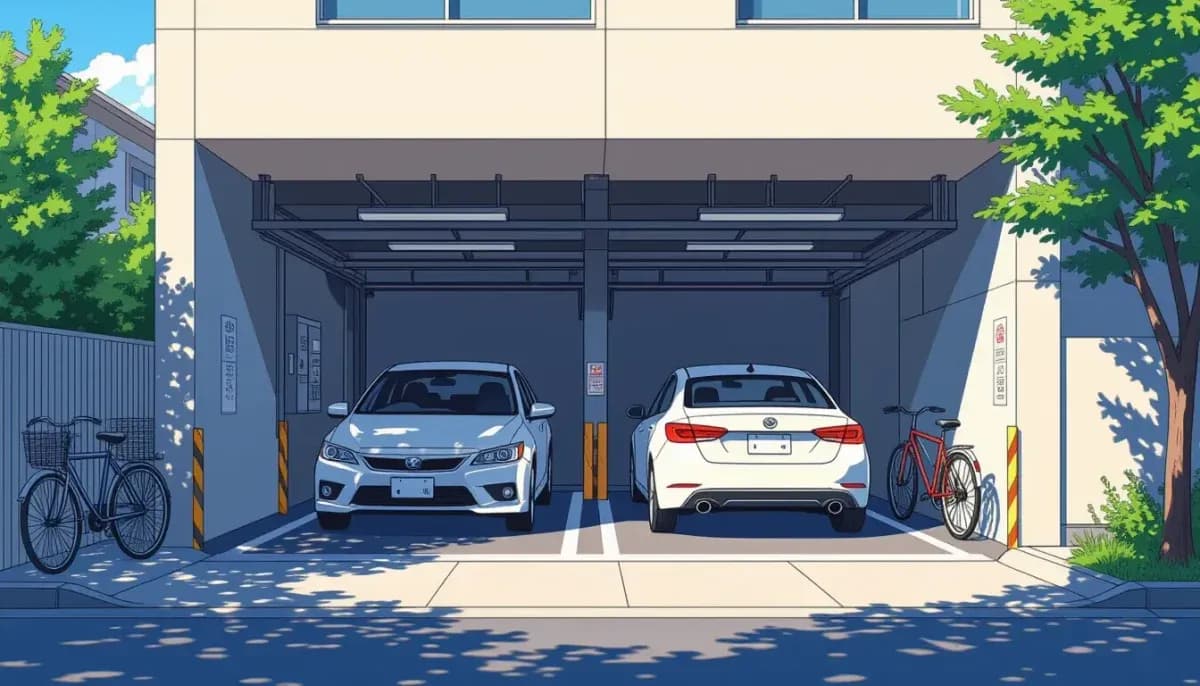
Parking and Bicycle Storage in Japan Condominiums
Learn everything about parking and bicycle storage in Japanese condominiums: types, fees, HOA rules, and tips for foreign buyers navigating Japan's condo market.
Read more →