
Japan Condo Resale Value: Key Factors That Affect Price

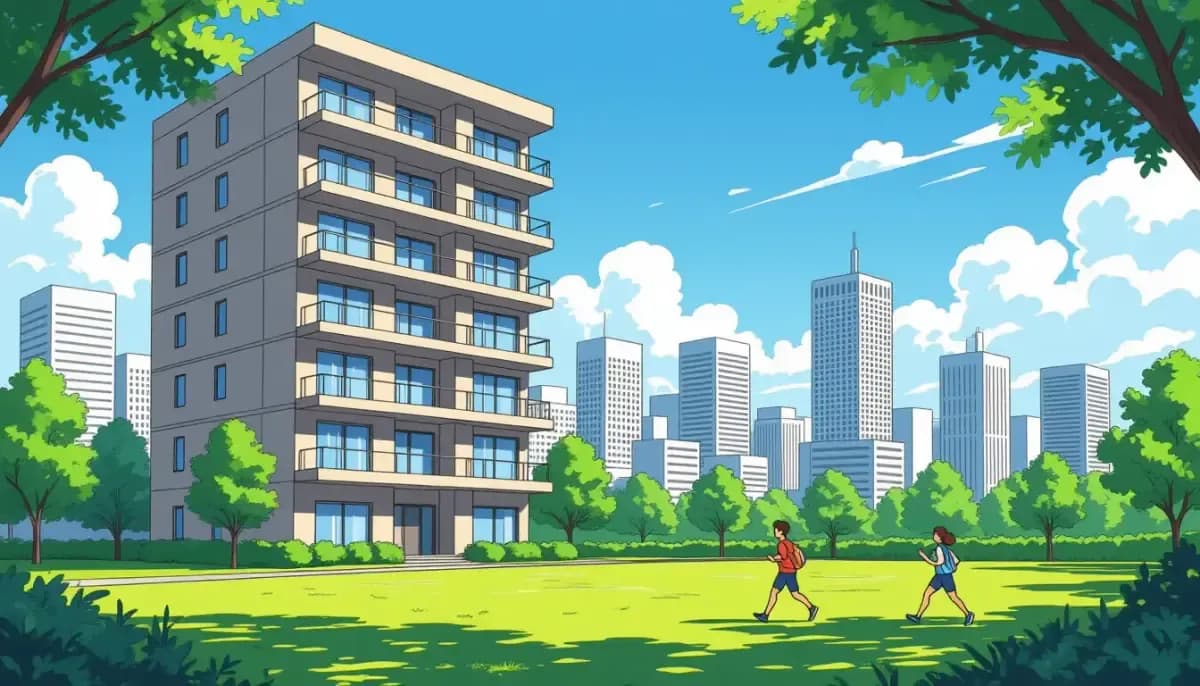
Discover the key factors that affect Japan condo resale value — from station proximity and building age to management quality and market timing. Essential guide for foreign buyers.
Japan Condo Resale Value: Key Factors That Affect Price
Buying a condominium (mansion) in Japan is one of the most significant financial decisions a foreigner can make. But smart buyers think beyond the purchase price — they think about resale value from day one. Whether you plan to sell in five years or twenty, understanding what drives Japan condo resale value can mean the difference between a profitable investment and a costly mistake.
This guide covers the key factors that determine how well a Japanese condo holds or grows in value over time, backed by real market data and practical advice for foreign buyers.
1. Location: The Single Most Important Factor
In Japanese real estate, there is a saying: eki chika (駅近) properties — those within a 10-minute walk of a train station — consistently hold or grow in value. Location is the most powerful driver of resale value in Japan, and this applies especially to condominiums.
What makes a good location for resale?
- Walking distance to major train stations — Ideally within 5–10 minutes on foot. Properties beyond 15 minutes tend to see steeper price drops over time.
- Proximity to central wards — In Tokyo, wards like Chiyoda, Minato, Shibuya, Shinjuku, and Chuo command the highest per-square-meter prices and tend to hold value best.
- Convenience infrastructure — Access to supermarkets, schools, hospitals, and parks increases desirability for both buyers and renters.
- Future development plans — Areas slated for redevelopment or new infrastructure (like new train lines) often see price appreciation.
Tokyo's 23 wards experienced approximately 60% growth in resale condominium prices between 2015 and 2025, with prime central wards outperforming peripheral areas significantly. When evaluating a condo purchase, always consider how the location will appeal to future buyers — not just to you.
For a comprehensive overview of the buying process, see our Japan Condominium Buying Guide for Foreign Buyers.
2. Building Age and Construction Standards
Building age affects resale value in Japan, but not always in the way you might expect. Unlike wooden detached houses (which can depreciate to near zero within 22–30 years), reinforced concrete (RC) condominiums are built to last 60–70 years under Japanese tax rules, and well-maintained buildings in prime locations can exceed this.
Key age-related factors:
- 1981 Building Code Revision (New Earthquake Standards / 新耐震基準) — Buildings constructed after June 1981 meet modern earthquake resistance standards. Pre-1981 buildings are harder to sell and finance.
- 2000 Building Standards Update — A further revision improved earthquake resilience. Buildings meeting the 2000 standard command a small premium.
- Building condition vs. calendar age — A 20-year-old building that has been meticulously maintained (regular inspections, timely repairs) can outperform a 10-year-old building with deferred maintenance.
Understanding earthquake safety concerns in older condominiums is critical before buying a resale property. Buyers increasingly demand proof of long-term repair planning and structural soundness.
3. Management Quality and Repair Reserve Fund
This is the factor most overlooked by foreign buyers — and one of the most important for resale value.
A Japanese condo building is jointly owned by all unit holders through a management association (管理組合, kaniai). The quality of this association — and the health of the repair reserve fund (修繕積立金, shuuzen tsumitate) — directly affects how well the building is maintained and, consequently, how well individual units retain value.
Signs of good management:
- A well-funded repair reserve fund with regular contributions
- A long-term repair plan (長期修繕計画) that has been updated recently
- Professional building management company with good track record
- Clean, well-maintained common areas and facilities
- Minutes from management association meetings (shows active governance)
Red flags for resale:
- Reserve fund is underfunded or has had special assessments (一時金) in the past
- No long-term repair plan, or the plan hasn't been revised in years
- High vacancy rates in the building
- Disputes among unit owners
Learn more about condo management associations and repair reserve funds in Japan condos to understand what to look for before buying.
4. Floor, View, and Unit Orientation
Within the same building, individual unit characteristics significantly affect resale value. Japanese buyers pay close attention to these details.
Floor level: Higher floors generally command higher prices, both at purchase and resale. In tower mansions (タワーマンション), the premium for upper floors can be substantial — sometimes 20–30% above lower-floor equivalents in the same building.
Orientation (向き, muki):
- South-facing (南向き) — Most desirable in Japan; maximum sunlight throughout the day
- East or west-facing — Acceptable; slightly lower premium
- North-facing (北向き) — Least desirable; can be 5–15% cheaper to buy and harder to resell
View: Unobstructed views (especially of green spaces, water, or cityscapes) add meaningful value. Be aware that in dense urban areas, new construction could block an existing view.
Room layout: The popular "2LDK" or "3LDK" layouts for families tend to have broader buyer appeal than unusual configurations. Standard layouts with separate living and sleeping spaces are easiest to resell.
For buyers considering premium buildings, see our guide on tower mansions in Japan.
5. Market Timing and Supply-Demand Dynamics
The broader market context matters enormously for resale timing and pricing.
Current supply shortage: New apartment releases in the Greater Tokyo area have been declining, projected to reach their lowest level since 1973 in recent years. This supply scarcity has pushed both new-build and resale prices upward. New-build units in Tokyo's 23 wards now average approximately ¥104.85 million (+37.5% year-over-year), while resale units average around ¥85 million — making resale properties increasingly attractive to buyers seeking value.
Price per square meter: The price per square meter for Tokyo condos rose approximately 1.8× from ¥399,600 (2013) to ¥719,000 (2023), a powerful demonstration of long-term appreciation.
Yen exchange rates: The weak yen has made Japanese real estate comparatively attractive to foreign investors. As of 2025, foreign investors account for over 27% of Japan's property purchases, up from 21% five years earlier. This international demand provides a price floor in key urban markets.
Interest rate risk: The Bank of Japan's gradual shift away from ultra-low interest rates introduces some uncertainty. Rising mortgage rates could dampen demand and put pressure on prices in secondary locations.
For the latest market forecasts, GaijinBuyHouse's Japan Real Estate Market Trends provides regularly updated analysis for foreign buyers.
6. Building Facilities and Amenities
The quality and relevance of common facilities affects both desirability and monthly costs — both of which feed into resale value.
Facilities that add resale value:
- Secure parking (increasingly valuable in urban areas)
- Concierge or security staff
- Fitness center or pool (for high-end buildings)
- Package delivery lockers (essential in modern Japan)
- Well-designed entrance lobby
Facilities that can hurt resale:
- Facilities that are rarely used but drive up management fees
- Aging equipment that needs expensive replacement
- Parking lots in areas with low car ownership (unused spaces become a liability)
The condo maintenance fees (kanri hi) and common facilities guide explain how to evaluate whether a building's amenities justify its ongoing costs.
7. Renovation and Condition of the Unit Interior
Unlike building age (which you cannot change), the interior condition of a unit is something sellers can control. Strategic renovation before resale can deliver strong returns.
High-ROI renovations in Japan:
- Kitchen and bathroom updates (most Japanese buyers scrutinize these closely)
- Flooring replacement (clean, modern flooring makes a strong impression)
- Electrical and plumbing updates (reassures buyers about hidden costs)
- Energy efficiency upgrades (solar, insulation, smart systems add value post-2025)
What to avoid:
- Over-renovating beyond what the building/location supports
- Removing original storage (Japanese buyers value storage space highly)
- Non-standard room configurations that reduce flexibility
A clean, neutral, well-maintained interior is often more valuable than an over-customized one. Japanese buyers tend to be risk-averse and prefer move-in-ready properties.
Resale Value Factor Comparison Table
| Factor | Impact on Resale Value | Buyer Control |
|---|---|---|
| Station proximity (eki chika) | Very High | No (fixed at purchase) |
| Central ward location | Very High | No (fixed at purchase) |
| Post-1981 earthquake standard | High | No (check before buying) |
| Management quality / reserve fund | High | Partial (via association participation) |
| Floor level & orientation | Medium–High | No (fixed at purchase) |
| Unit interior condition | Medium | Yes (renovation possible) |
| Building facilities | Medium | Partial |
| Market timing | Variable | Yes (choose when to sell) |
| Yen exchange rate | Variable (for foreign buyers) | No |
Tips for Foreign Buyers Focused on Resale Value
- Buy near major stations. A 5-minute walk to a large station beats a 15-minute walk to a small one every time.
- Check the repair reserve fund before signing. Ask your agent for the 長期修繕計画 (long-term repair plan) and the current reserve fund balance.
- Prioritize post-1981 buildings — ideally post-2000 — unless you are buying for the land value in a prime location.
- Consider resale liquidity. Tower mansions and branded residences in prime locations tend to sell faster and at better prices.
- Think about your buyer profile. Who will buy from you in 10 years? Young families, foreign investors, or retirees? Choose a property with broad appeal.
- Understand the full cost structure. High management fees and special assessments reduce net returns on resale.
For guidance on what to check before committing to a purchase, our Japan condo building inspection guide is essential reading.
Further Reading and Resources
To deepen your understanding of Japan's property market, these resources are highly recommended:
- Living in Nihon: Buying Property & Mortgage Guide for Foreigners — Comprehensive guide covering legal rights, mortgage options, and purchasing steps for foreign residents.
- For Work in Japan: Housing & Living Infrastructure Guide — Practical housing guidance for foreign workers navigating Japan's rental and purchase markets.
- GaijinBuyHouse: Japan Real Estate Market Trends — Up-to-date analysis of price trends, regional markets, and forecasts for foreign investors.
- Realestate.co.jp: Thinking About Resale Value When Buying in Japan — Expert advice from one of Japan's leading property portals.
- Tokyo Condominium Resale Value Trends — Detailed data on Tokyo's resale market performance from 2015 to 2025.
Conclusion
Japan condo resale value is shaped by a combination of factors — some fixed at purchase (location, building age, floor level), others manageable over time (interior condition, active participation in building management). For foreign buyers, understanding these dynamics is especially important because you may face additional hurdles when financing or selling down the line.
The fundamentals remain strong in major urban markets: supply constraints, foreign investor demand, and Japan's concentrated urban economy all support condo values in prime locations. But not all properties are created equal. Do your due diligence, choose a well-managed building in a walkable location, and your Japan condo can be both a comfortable home and a sound long-term investment.
Explore our complete guide to buying a condominium in Japan as a foreigner for a step-by-step overview of the entire purchase process.

Originally from Vietnam, living in Japan for 16+ years. Graduated from Nagoya University, with 11 years of professional experience at Japanese and international companies. Sharing information about buying property in Japan for foreigners.
View Profile →Related Articles
Luxury and Branded Condominiums in Japan
Complete guide to buying luxury and branded condominiums in Japan as a foreigner. Covers Aman Residences, Ritz-Carlton, tower mansions, prices, costs, and investment potential in Tokyo and beyond.
Read more →
Rental Rules and Regulations for Japan Condominiums
Complete guide to Japan condominium rental rules for foreigners: lease agreements, deposits (shikikin/reikin), house rules, noise policies, pet restrictions, subletting laws, move-out obligations, and tenant rights explained.
Read more →
Japan Condo Building Inspection: What to Check Before Buying
Complete guide to condo building inspections in Japan for foreign buyers. Learn inspection types, costs (¥40,000–¥150,000), seismic standards, and critical documents to review before signing.
Read more →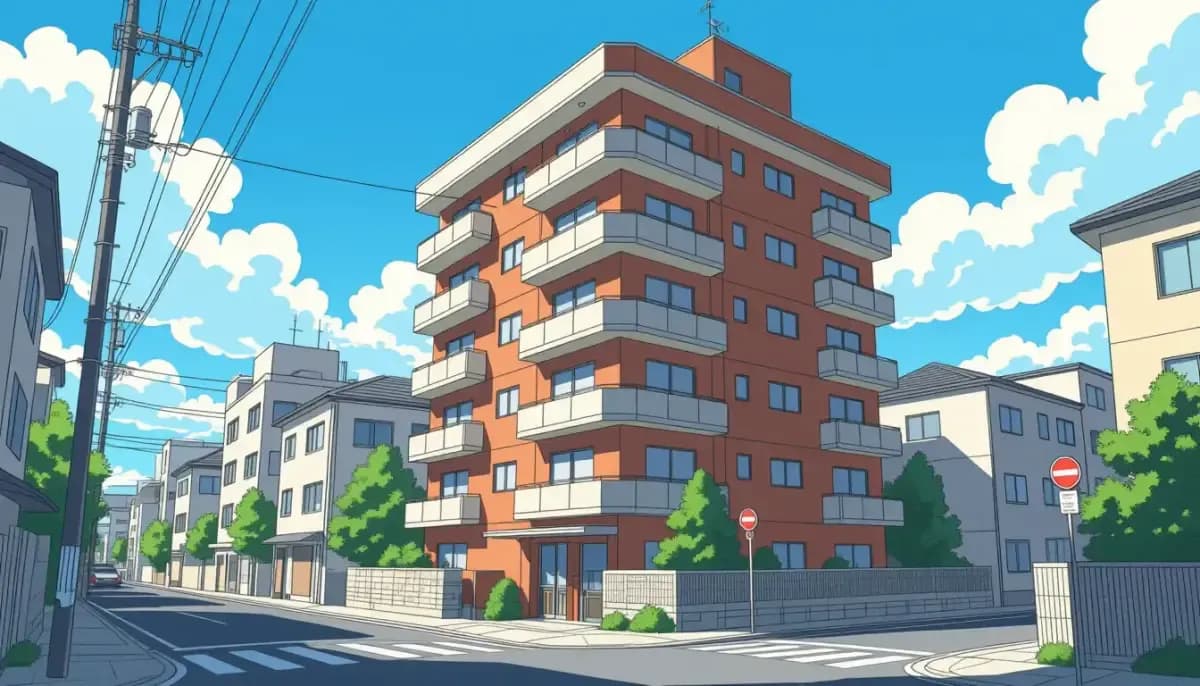
Earthquake Safety Concerns in Older Japan Condominiums
Buying an older condo in Japan? Learn about the critical 1981 seismic code, risks of pre-1981 buildings, retrofitting options, and how to protect yourself as a foreign buyer.
Read more →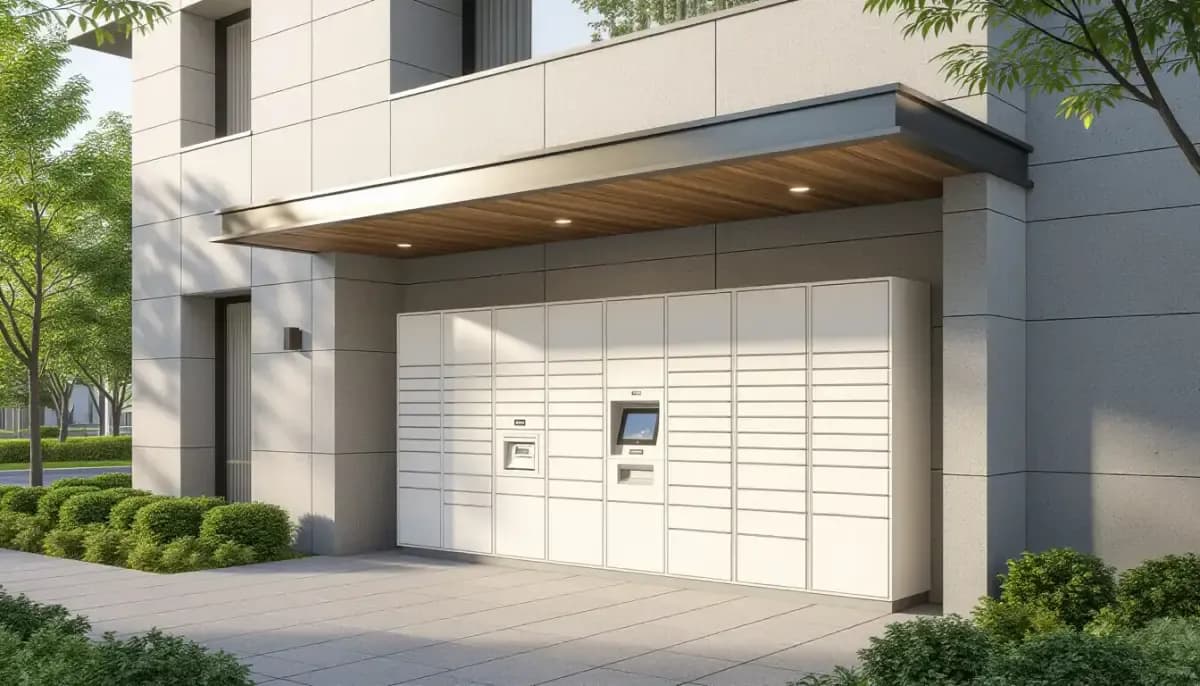
Japan Condo Common Facilities and Amenities Guide
Discover what common facilities to expect in Japanese condominiums — from auto-lock entrances and parcel lockers to gyms and concierge services. Learn about management fees, what to inspect, and what foreign buyers should know before purchasing.
Read more →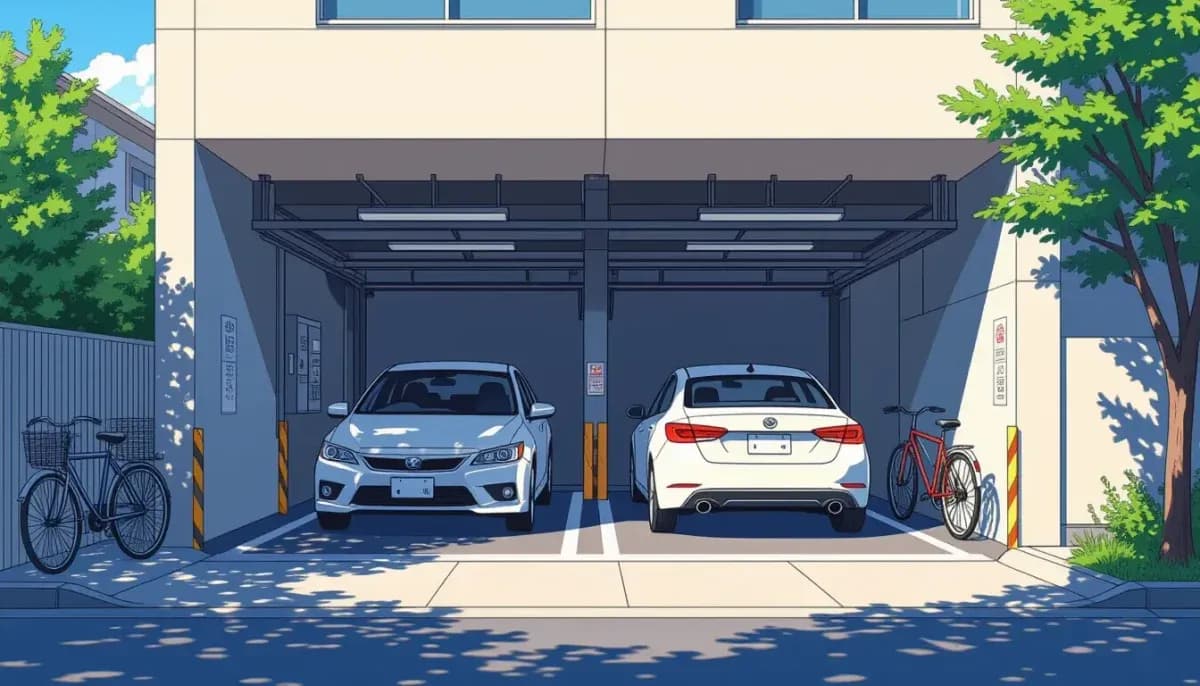
Parking and Bicycle Storage in Japan Condominiums
Learn everything about parking and bicycle storage in Japanese condominiums: types, fees, HOA rules, and tips for foreign buyers navigating Japan's condo market.
Read more →