
Japan Condominium Buying Guide for Foreign Buyers

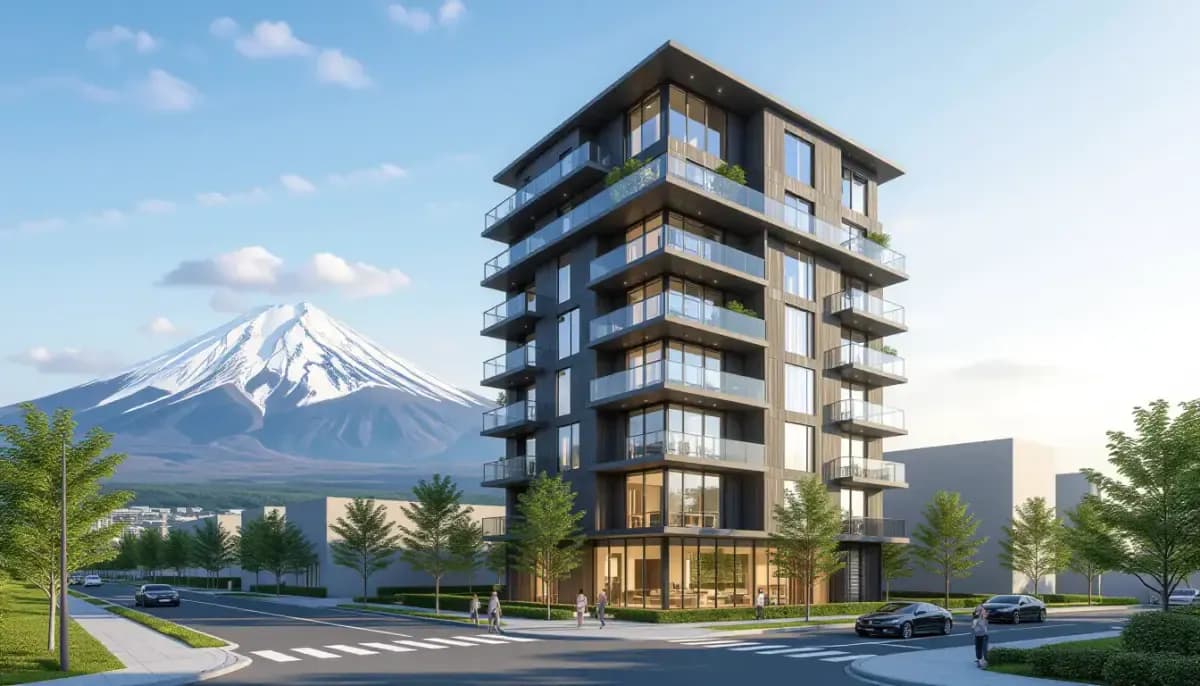
Complete guide to buying a condominium in Japan as a foreigner: legal rights, step-by-step process, mortgage options, costs, taxes, and regional price comparisons for 2025.
Japan Condominium Buying Guide for Foreign Buyers
Buying a condominium in Japan as a foreigner is not only legally possible — it can be a rewarding investment and lifestyle decision. Japan's real estate market is one of the most transparent and foreigner-friendly in Asia, and condominiums (known as mansions or マンション in Japanese) represent the most popular property type for international buyers. This comprehensive guide walks you through everything you need to know: legal rights, the step-by-step purchase process, financing options, ongoing costs, and regional price comparisons.
Whether you're purchasing for personal residence, investment, or both, this guide will give you a clear picture of what to expect when buying a condo in Japan.
Can Foreigners Buy Condominiums in Japan?
Yes — and with virtually no restrictions. Foreigners can purchase condominiums in Japan with the same legal rights as Japanese citizens. There is no nationality-based quota, no ownership cap, and no requirement to hold a Japanese visa or residency status to buy property. Land ownership, resale, and inheritance are all fully permitted regardless of your nationality.
As of July 2025, large land transactions above a certain threshold require disclosure of the buyer's nationality under the National Land Use Planning Law, but standard residential condominium purchases are largely unaffected by this rule.
One important caveat: some condominium buildings have internal management rules ("gaijin bans" in informal parlance) that restrict sales to non-Japanese residents. This is enforced at the building level, not by national law. Always verify a building's management bylaws (管理規約) before submitting an offer.
Additionally, non-resident buyers must report the property purchase to the Bank of Japan (Ministry of Finance) within 20 days of contract signing under the Foreign Exchange and Foreign Trade Act. Your real estate agent or judicial scrivener will typically handle this formality.
For a deep dive into your legal rights, see our guide on Can Foreigners Buy Property in Japan? Legal Rights Explained.
Japan Condominium Market Overview: 2025 Prices and Trends
The Tokyo condo market in particular has seen extraordinary price growth, partly fueled by a weakened yen attracting overseas buyers, historically low interest rates, and reduced new supply.
| Region | Average Price (70 sqm unit) | Gross Rental Yield |
|---|---|---|
| Tokyo 23 Wards | ¥70M – ¥150M | ~3.4% |
| Yokohama / Kawasaki | ¥40M – ¥70M | ~3.8% |
| Osaka | ¥35M – ¥60M | ~4.5% |
| Kyoto | ¥30M – ¥55M | ~4.0% |
| Fukuoka | ¥25M – ¥45M | ~4.2% |
| Sapporo | ¥20M – ¥35M | ~4.5% |
| Nagoya | ¥28M – ¥50M | ~4.1% |
According to Housing Japan, the average new condominium price in Greater Tokyo reached 104.85 million yen (~$700,000 USD) in early 2025 — a staggering 37.5% year-on-year increase. In Tokyo's 23 wards, new condo averages exceeded 116 million yen. New supply is forecast to drop to only ~23,000 units in Greater Tokyo for 2026, the lowest level in over 50 years, sustaining upward price pressure.
Foreign buyer activity is significant: In high-demand wards like Chiyoda, Shibuya, and Minato, an estimated 20–40% of new apartment units are sold to foreign buyers (Mitsubishi UFJ Trust & Banking survey, March 2025). Foreign real estate investment in Japan exceeded $10 billion in H1 2025, up 45% year-over-year.
For buyers outside of Tokyo, Osaka and Fukuoka offer better value-for-money and stronger rental yields, making them increasingly popular with international investors. Explore options in our Buying Property in Osaka as a Foreigner guide and Buying Property in Fukuoka guide.
Step-by-Step: How to Buy a Condominium in Japan
The typical purchase process takes 60–90 days from initial offer to final settlement. Here is the complete 7-step process:
Step 1: Set Your Budget and Get Pre-Qualified
Before searching, establish your budget including the property price plus transaction costs (6–10% on top of the purchase price). If you intend to use a Japanese mortgage, get a conditional pre-approval letter from a lender before viewing properties.
Step 2: Property Search and Viewing
Use portals such as SUUMO, at-home, and REINS-based listings through agents. For English-language service, use agencies like Housing Japan, Ken Corporation, or Plaza Homes. Visit multiple properties and review the building's management documents (管理規約, 重要事項調査報告書) carefully.
Step 3: Submit an Offer (Purchase Application)
When you find a property, submit a purchase application (買付申込書) stating your intended price and conditions. This is not a binding contract. Negotiation occurs at this stage.
Step 4: Mortgage Pre-Approval
If financing, apply formally to your chosen lender. Approval typically takes 1–2 weeks. See the section below on mortgage options for foreigners.
Step 5: Important Matters Explanation Meeting (重要事項説明)
This is a legally mandatory meeting where a licensed real estate agent explains all material facts about the property — building age, management fees, legal encumbrances, etc. You must attend or have a certified proxy. The explanation is in Japanese; request an English interpreter if needed.
Step 6: Sign Contract and Pay Deposit
Once satisfied, you sign the sales contract (売買契約書) and pay a deposit of 5–10% of the purchase price. This is binding — pulling out forfeits your deposit; if the seller cancels, they must return double the deposit.
Step 7: Settlement and Registration
At settlement, you pay the remaining balance. Your judicial scrivener (司法書士) files the ownership transfer at the Legal Affairs Bureau (法務局). Legal ownership is only confirmed upon registration — signing the contract alone does not transfer title.
For a complete walkthrough with checklists, see our Step-by-Step Home Buying Process in Japan guide.
Mortgage Financing for Foreign Buyers
Obtaining a Japanese bank mortgage is the most significant practical challenge for foreign buyers. Without permanent residency (PR), loan approval is difficult but not impossible.
Foreign-Friendly Lenders
| Lender | Key Requirements | Notes |
|---|---|---|
| SMBC Trust Bank PRESTIA | Stable income, any visa | English service available |
| Shinsei Bank | 1+ year Japan employment | Competitive rates |
| SBJ Bank | PR preferred, but flexible | Korean-Japanese bank |
| Suruga Bank | Flexible underwriting | Higher rates |
| Flat 35 (JHFA) | Property must meet standards | Fixed 35-year rate available |
Typical conditions without PR:
- Japanese or PR-holding spouse as co-borrower, OR
- 3+ years of documented employment in Japan
- Minimum 20–30% down payment
- Current variable rate: ~0.7%; 35-year fixed: ~1.9%
If you cannot obtain Japanese bank financing, alternatives include:
- Overseas mortgage against a property you own in your home country
- All-cash purchase — common among foreign investors using yen converted from overseas funds
- Developer financing for new construction projects
Non-resident buyers paying with overseas funds should plan for 2–3 week international transfer processing times and anti-money laundering checks. Transfers exceeding ¥30 million require mandatory bank-filed reports within 10 days under FEFTA.
Our comprehensive Mortgages and Home Loans for Foreigners in Japan guide covers every lender option in detail.
Complete Cost Breakdown: What You'll Really Pay
Purchase Transaction Costs (One-Time)
| Cost Item | Typical Amount |
|---|---|
| Real estate broker commission | ~3% + ¥60,000 + consumption tax |
| Judicial scrivener fees | ¥100,000 – ¥150,000 |
| Registration & license tax | ~2% of assessed value |
| Real estate acquisition tax | 3–4% of assessed value (paid 3–6 months after purchase) |
| Stamp duty | ¥10,000 – ¥480,000 (based on contract value) |
| Fire & earthquake insurance (first year) | ¥30,000 – ¥100,000 |
| Total transaction costs | Approximately 6–10% of purchase price |
Annual Ongoing Costs
- Fixed asset tax: 1.4% of assessed value
- City planning tax: 0.3% of assessed value
- Monthly management fee (管理費): ¥10,000 – ¥30,000
- Monthly repair reserve fund (修繕積立金): ¥5,000 – ¥20,000
- Parking (if applicable): ¥10,000 – ¥50,000/month
Tax on Sale (Capital Gains)
- Short-term (held 5 years or less): 39.63% total (15% national + 5% local + 19.63% special income tax)
- Long-term (held more than 5 years): 20.315% total
- ¥30 million special deduction may apply if the property is your primary residence
Non-resident owners must appoint a Japanese tax representative (納税管理人) to handle local tax filings. For a full breakdown, see our Property Taxes and Annual Costs guide and Hidden Costs and Fees guide.
New vs. Used Condominiums: Which Is Better for Foreigners?
| Factor | New Condominium (新築マンション) | Used Condominium (中古マンション) |
|---|---|---|
| Price | Higher (premium for "new") | 20–40% lower for equivalent location |
| Inspection burden | Lower (builder warranty applies) | Requires independent inspection |
| Availability | Limited (23,000 units forecast in Tokyo 2026) | Dominates market (~90% of transactions) |
| Renovation needs | None immediately | Possible (but manageable) |
| Community documentation | Less history | More data on management, repair history |
| Negotiation room | Limited | More flexible |
For most foreign buyers, used condominiums offer better value and are the practical majority of available inventory. Always request the building's long-term repair plan (長期修繕計画) and management records before purchasing used.
Short-Term Rental Considerations (Airbnb)
Many foreign buyers purchase condominiums with rental income in mind. Be aware of these key rules:
- Minpaku Law: Short-term rentals are capped at 180 days per year nationally
- Building management rules: Many condominium buildings explicitly prohibit short-term rentals in their bylaws — violation can result in fines or forced sale
- Always verify the building's 管理規約 (management regulations) before purchasing with rental income in mind
- For long-term rental, no special restrictions apply — a standard lease with a real estate agent is straightforward
Recommended Resources
For more detailed guidance on buying condominiums in Japan as a foreigner, these resources are highly recommended:
- Living in Nihon: Buying Property & Mortgage Guide for Foreigners — comprehensive coverage of the legal, mortgage, and documentation process
- Gaijin Buy House: Buying Apartment/Condo in Japan Guide — dedicated guide to condominium purchases for foreigners with region-specific advice
- For Work in Japan: Expat Resources — expat living and working resources for those building their life in Japan
- Bamboo Routes: 17 Tips for Foreigners Buying Property in Japan 2025 — practical tips from experienced Japan real estate buyers
- Tokyo Portfolio: Can Foreigners Buy a Home in Japan? — detailed analysis of legal rights and mortgage challenges
Key Takeaways
Buying a condominium in Japan as a foreigner is fully legal, transparent, and increasingly common. The main challenges are:
- Mortgage access — without PR, securing a Japanese mortgage requires meeting strict criteria or working with foreigner-friendly lenders
- Transaction costs — budget 6–10% above the purchase price for all fees and taxes
- Language barrier — partner with an English-speaking agent and judicial scrivener
- Building rules — verify that the specific building permits foreign ownership and any intended rental use
With the right preparation, Japan's condominium market offers genuine opportunities — from affordable regional cities like Fukuoka to Tokyo's high-demand central wards. Start your search with a clear budget, a trusted bilingual agent, and a solid understanding of the process outlined in this guide.
For the complete overview of buying any type of property in Japan, visit our Complete Guide to Buying Property in Japan as a Foreigner.

Originally from Vietnam, living in Japan for 16+ years. Graduated from Nagoya University, with 11 years of professional experience at Japanese and international companies. Sharing information about buying property in Japan for foreigners.
View Profile →Related Articles
Japan Condo Resale Value: Key Factors That Affect Price
Discover the key factors that affect Japan condo resale value — from station proximity and building age to management quality and market timing. Essential guide for foreign buyers.
Read more →
Luxury and Branded Condominiums in Japan
Complete guide to buying luxury and branded condominiums in Japan as a foreigner. Covers Aman Residences, Ritz-Carlton, tower mansions, prices, costs, and investment potential in Tokyo and beyond.
Read more →
Rental Rules and Regulations for Japan Condominiums
Complete guide to Japan condominium rental rules for foreigners: lease agreements, deposits (shikikin/reikin), house rules, noise policies, pet restrictions, subletting laws, move-out obligations, and tenant rights explained.
Read more →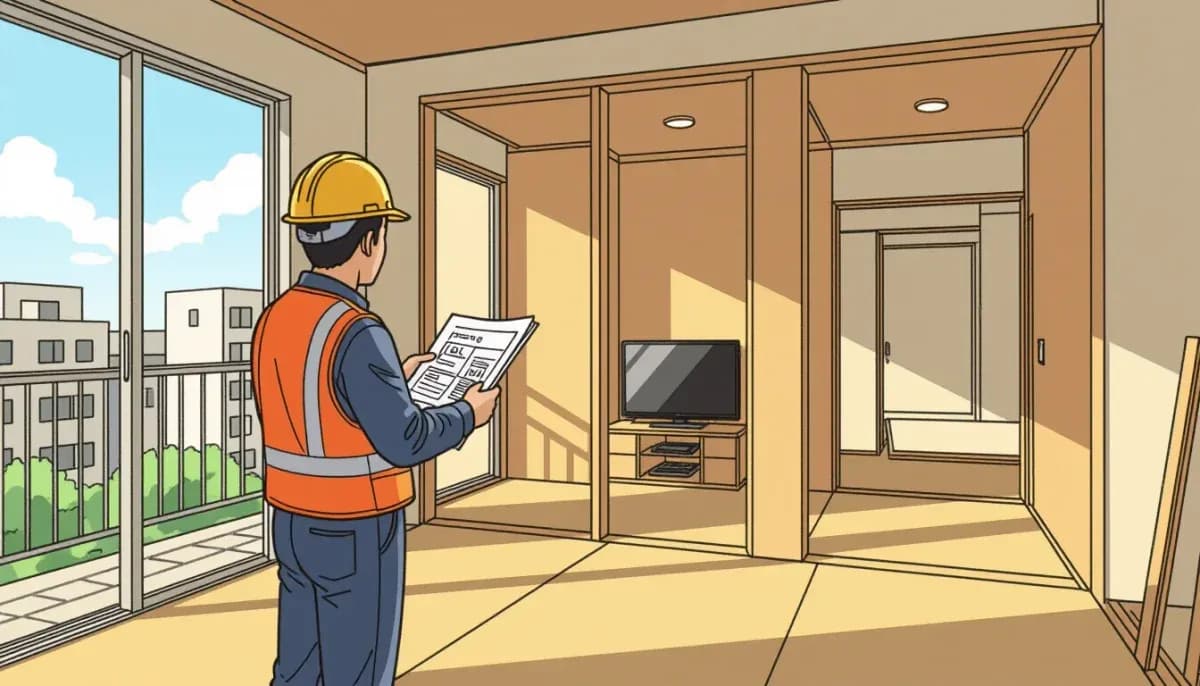
Japan Condo Building Inspection: What to Check Before Buying
Complete guide to condo building inspections in Japan for foreign buyers. Learn inspection types, costs (¥40,000–¥150,000), seismic standards, and critical documents to review before signing.
Read more →
Earthquake Safety Concerns in Older Japan Condominiums
Buying an older condo in Japan? Learn about the critical 1981 seismic code, risks of pre-1981 buildings, retrofitting options, and how to protect yourself as a foreign buyer.
Read more →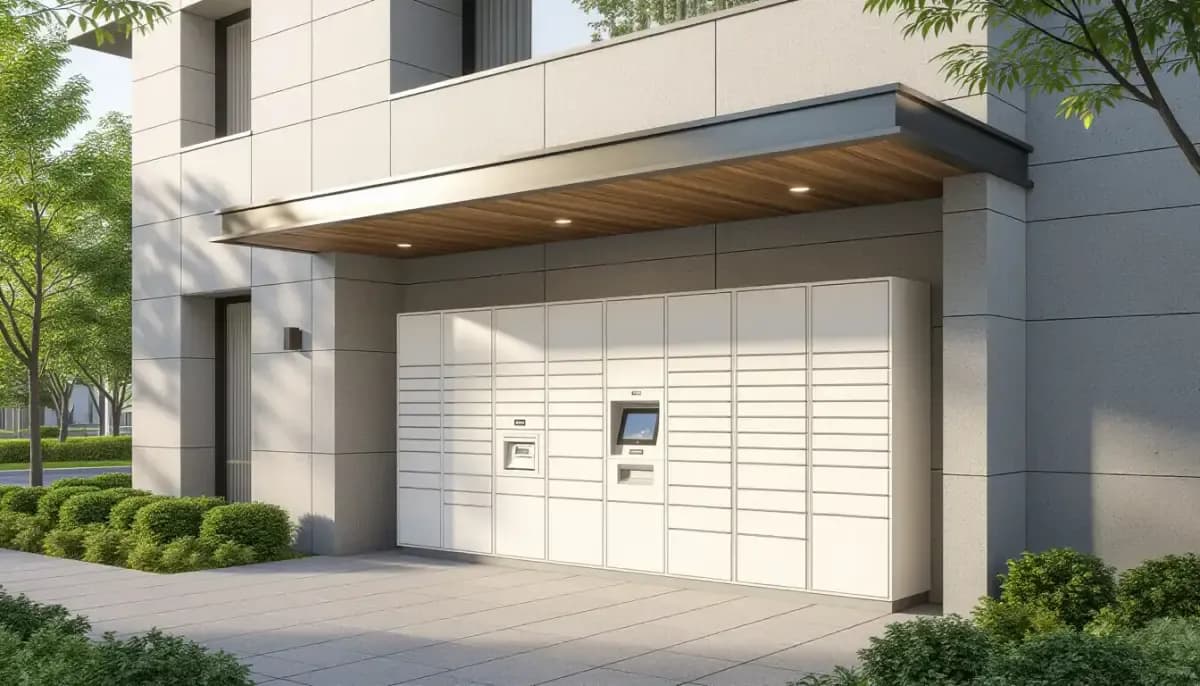
Japan Condo Common Facilities and Amenities Guide
Discover what common facilities to expect in Japanese condominiums — from auto-lock entrances and parcel lockers to gyms and concierge services. Learn about management fees, what to inspect, and what foreign buyers should know before purchasing.
Read more →