
Condo Management Association (Kumiai) in Japan Explained


Learn how Japan's condo management association (kanri kumiai) works. Covers fees, voting rights, foreign owner tips, and what to check before buying a Japanese condominium.
Condo Management Association (Kumiai) in Japan Explained
When you buy a condominium in Japan, you don't just purchase a unit — you automatically join a governing body that runs the entire building. This body is called the 管理組合 (kanri kumiai), or condo management association, and understanding how it works is essential for any foreign buyer navigating Japanese property ownership.
From monthly fees to voting rights, from annual meetings to language barriers, this guide covers everything foreigners need to know about the kanri kumiai — and how to participate effectively even from overseas.
What Is the Kanri Kumiai (管理組合)?
The kanri kumiai (管理組合) is a mandatory owners' association formed by all unit owners in a condominium building. Under Japan's Condominium Unit Ownership Act (区分所有法), every person who purchases a condo unit becomes an automatic member of the association. Membership is not optional — you cannot opt out as long as you own the property.
The kanri kumiai is distinct from the management company (管理会社, kanri gaisha), which is a separate commercial entity hired to handle day-to-day operations. About 98% of Japanese condominium buildings employ a management company, while only 2% are self-managed. The association retains full authority; the management company simply executes tasks on the association's behalf.
Think of the kanri kumiai as the board of a homeowners' association — it sets the rules, approves the budget, and makes all major decisions about the building. The management company is more like a property management firm hired to do the actual work.
For more context on the property buying process in Japan, see our Complete Guide to Buying Property in Japan as a Foreigner.
Structure and Governance of the Association
The kanri kumiai operates through a democratic structure with two main bodies:
General Assembly (総会, Sokai)
The general assembly is the highest decision-making authority and must be held at least once per year, as required by Japanese Condominium Law. All unit owners are entitled to attend and vote. Each unit typically carries one vote, regardless of unit size — though owners of multiple units receive one vote per unit.
Owners who cannot attend in person may:
- Send a proxy (代理人, dairi-nin)
- Submit a written ballot (書面決議, shomen ketsugi)
- Grant power of attorney to the board chairperson
Board of Directors (理事会, Rijikai)
The board of directors handles day-to-day management between general assemblies. It typically includes:
- Chairperson (理事長, rijicho) — the public representative of the association
- Vice-chairperson (副理事長) — assists the chairperson
- Directors (理事, riji) — covering areas like repairs, accounting, and disaster preparedness
- Auditor (監事, kanji) — oversees financial management independently
Board members are elected by unit owners at the general assembly and typically serve one or two-year terms.
Management Fees and the Repair Reserve Fund
Owning a condo in Japan means paying two mandatory monthly fees on top of your mortgage (if applicable):
| Fee Type | Japanese Term | Average Monthly Amount | Purpose |
|---|---|---|---|
| Management fee | 管理費 (kanrihi) | ¥15,000–¥30,000 | Daily operations, cleaning, utilities, staff |
| Repair reserve fund | 修繕積立金 (shuzen tsumitatekin) | ¥10,000–¥20,000 | Large-scale renovations every 12–15 years |
| Total average | — | ¥25,000–¥50,000/month | — |
According to Japan's Ministry of Land, Infrastructure, Transport and Tourism survey data, the national average management fee is ¥217 per square meter per month (up from ¥201/sqm in 2020). For a typical apartment:
- 70 sqm unit: approximately ¥15,190/month
- 80 sqm unit: approximately ¥17,360/month
The repair reserve fund accumulates over time and is used for major works such as exterior repainting, roof waterproofing, elevator replacement, and plumbing overhauls. These large renovation cycles typically occur every 12 to 18 years. Before buying a condo, always check the current balance of the repair reserve fund — a low balance may signal upcoming special assessments.
For a detailed breakdown of all ownership costs, see Property Taxes and Annual Costs of Owning Property in Japan.
Voting Requirements: What Decisions Require What Threshold?
The kanri kumiai operates by majority rule, but different decisions require different voting thresholds:
| Decision Type | Required Approval |
|---|---|
| Routine operations (budget, annual plan) | Simple majority (50%+) |
| Changes to management regulations | 75% supermajority |
| Major property decisions (large renovations) | 75% supermajority |
| Building demolition or reconstruction | 80% supermajority |
This tiered system means that once management regulations are in place, they are very difficult to change — requiring three-quarters of all owners to agree. This is why it's critical to read and understand the management regulations before purchasing a unit, not after.
Pay special attention to rules about:
- Short-term rentals (most buildings ban Airbnb-style usage)
- Pet ownership restrictions
- Renovation and remodeling limitations
- Subletting conditions and notice requirements
Foreign Owners: Rights, Challenges, and Solutions
Good news for foreign buyers: foreigner status is legally irrelevant to your membership rights. Under Japan's Sectional Ownership Law, you are a full voting member of the kanri kumiai with the same rights and obligations as any Japanese owner. You can run for the board, vote on all resolutions, and participate in shaping the building's future.
That said, foreign owners face practical challenges that are worth planning for:
Language Barrier
All meetings, documents, and communications are typically conducted in Japanese. Management regulations, meeting minutes, and financial reports will be in Japanese. Solutions include:
- Requesting English-language support from the management company (some larger companies offer this)
- Using professional translation services for key documents
- Bringing a Japanese-speaking companion to meetings
- Contacting the Ministry of Land, Infrastructure, Transport and Tourism, which offers multilingual condo management guides in English, Chinese, and Korean
Overseas Ownership
If you own a Japanese condo but live abroad, the 2024 reforms to Japan's condominium laws now formally recommend that overseas owners appoint a domestic representative agent (国内管理者). This agent can:
- Receive legal documents and meeting notices on your behalf
- Submit proxy votes and written ballots
- Handle monthly fee payments via Japanese bank account
You can appoint a family member, trusted friend, or a professional property management firm as your domestic agent. This is particularly important because missed meeting notices or unpaid fees can lead to complications with the association.
For proxy voting, the most common approach (chosen by the vast majority of overseas owners) is to grant power of attorney to the board chairperson, who then votes on their behalf according to established resolutions.
Fee Payment from Abroad
Monthly management fees and repair reserve contributions must be paid on time. The simplest solution is to maintain a Japanese bank account with automatic deductions (口座振替, koza furikae). This ensures payments continue seamlessly regardless of your location.
For broader guidance on property ownership from overseas, see Visa and Residency Considerations for Property Buyers in Japan.
What the Management Company Actually Does
While the kanri kumiai holds authority, the management company (kanri gaisha) handles most of the actual work. Services typically include:
- Daily cleaning of common areas (lobby, hallways, stairwells, elevators)
- Equipment maintenance (elevator inspections, water tank cleaning, fire safety checks)
- Financial management (collecting fees, maintaining accounts, preparing financial reports)
- Administrative support (organizing meetings, preparing minutes, managing correspondence)
- Emergency response (24/7 contact for building issues)
- Repair coordination (obtaining quotes, managing renovation contractors)
The management company reports to the kanri kumiai and can, in theory, be replaced by a majority vote of the owners. About 98% of condos use management companies because the alternative — self-management — requires significant volunteer time and expertise from owners.
When evaluating a condo to purchase, assessing the quality of both the kanri kumiai (financial health, participation rates) and the management company (reputation, responsiveness) is just as important as the unit itself.
Key Things to Check Before Buying
Before signing a purchase contract for a Japanese condo, investigate these association-related factors:
Financial Health
- Current balance of the repair reserve fund
- History of special assessments (臨時徴収, rinji choshu)
- Any delinquent fee payers in the building
Management Quality
- Meeting attendance rates (higher is better)
- Age of the current long-term repair plan (大規模修繕計画)
- Whether a 10-year renovation schedule exists and is funded
Rules and Restrictions
- Short-term rental (minpaku) policy
- Pet ownership rules
- Renovation approval procedures
- Subletting and lease conditions
Association Activity
- Frequency of board meetings
- Transparency of financial reporting
- Any ongoing disputes or litigation
A well-managed kanri kumiai with strong reserves and active participation is a positive indicator of building quality and protects your property value over the long term.
For comprehensive due diligence guidance, see Hidden Costs and Fees When Buying Property in Japan and Legal Procedures and Documentation for Japan Property Purchase.
Summary: Key Takeaways for Foreign Buyers
The kanri kumiai is one of the most important institutions in Japanese condo ownership, yet it's one that many foreign buyers overlook until they're already owners. Here's what to remember:
- Membership is automatic and mandatory — you join when you buy and leave when you sell
- You have full voting rights — foreigner status doesn't reduce your standing
- Budget ¥25,000–¥50,000/month beyond your mortgage for management and reserve fees
- Read the regulations before buying — they're very hard to change later
- Set up a Japanese bank account for automatic fee payments
- Consider appointing a domestic agent if you'll be overseas
For foreigners buying their first Japanese condo, building fluency with the kanri kumiai system early will save significant stress later. The more you engage with the process — attending meetings, understanding the finances, knowing your rights — the better positioned you'll be as a property owner in Japan.
Further Resources:
- Condo Management Association Fees Guide — Living in Nihon
- How to Join a Condo Management Association in Japan — Gaijin Buy House
- How Foreigners Rent an Apartment in Japan — For Work in Japan
- Management Association of Condominiums — International Interface
- Building Management Associations: What Condo Owners Need to Know — Real Estate Japan
- Homeowners Association in Japan: A Guide for Property Owners — MailMate

Originally from Vietnam, living in Japan for 16+ years. Graduated from Nagoya University, with 11 years of professional experience at Japanese and international companies. Sharing information about buying property in Japan for foreigners.
View Profile →Related Articles
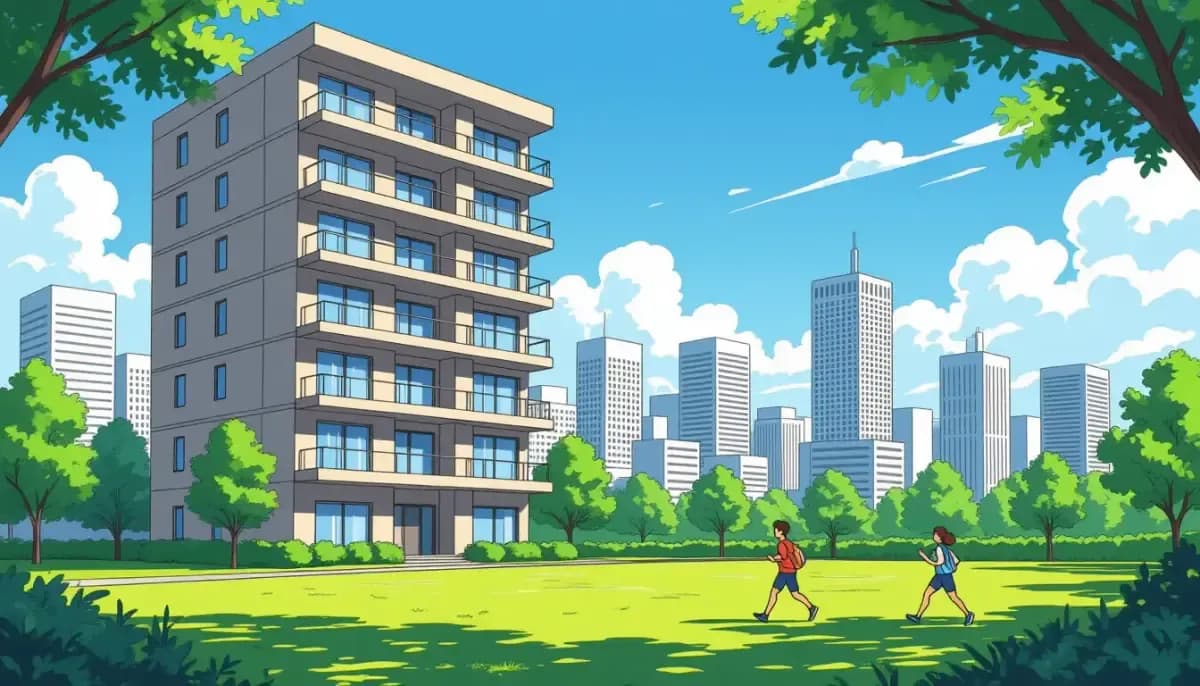
Japan Condo Resale Value: Key Factors That Affect Price
Discover the key factors that affect Japan condo resale value — from station proximity and building age to management quality and market timing. Essential guide for foreign buyers.
Read more →
Luxury and Branded Condominiums in Japan
Complete guide to buying luxury and branded condominiums in Japan as a foreigner. Covers Aman Residences, Ritz-Carlton, tower mansions, prices, costs, and investment potential in Tokyo and beyond.
Read more →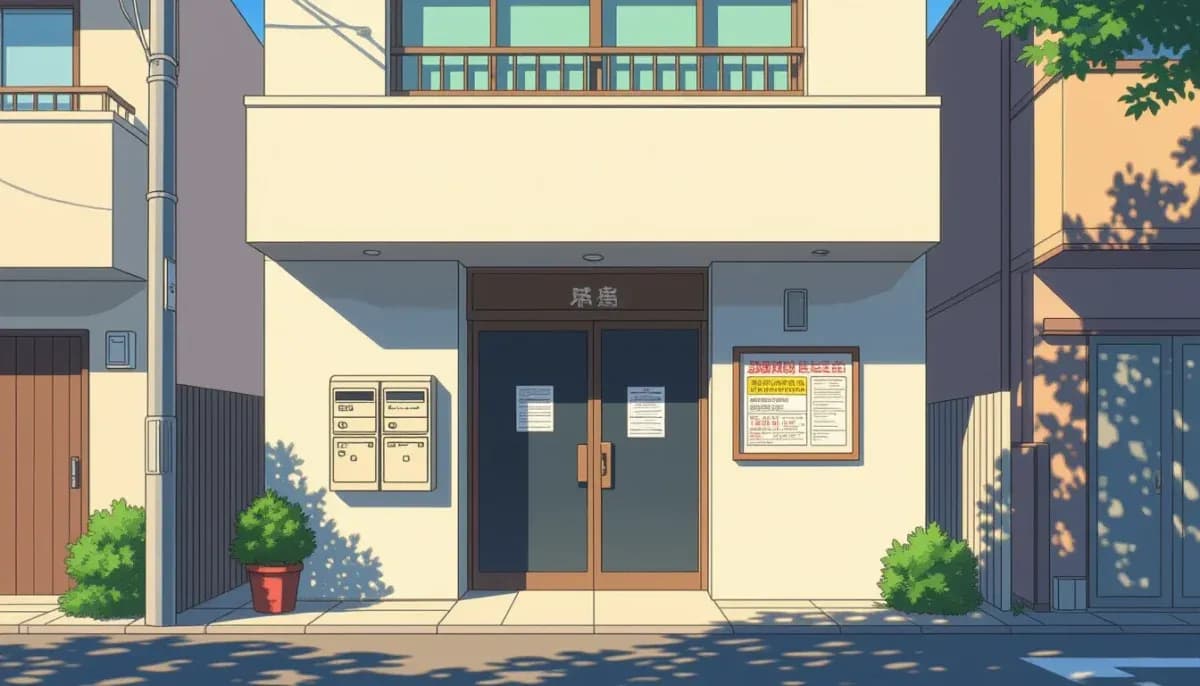
Rental Rules and Regulations for Japan Condominiums
Complete guide to Japan condominium rental rules for foreigners: lease agreements, deposits (shikikin/reikin), house rules, noise policies, pet restrictions, subletting laws, move-out obligations, and tenant rights explained.
Read more →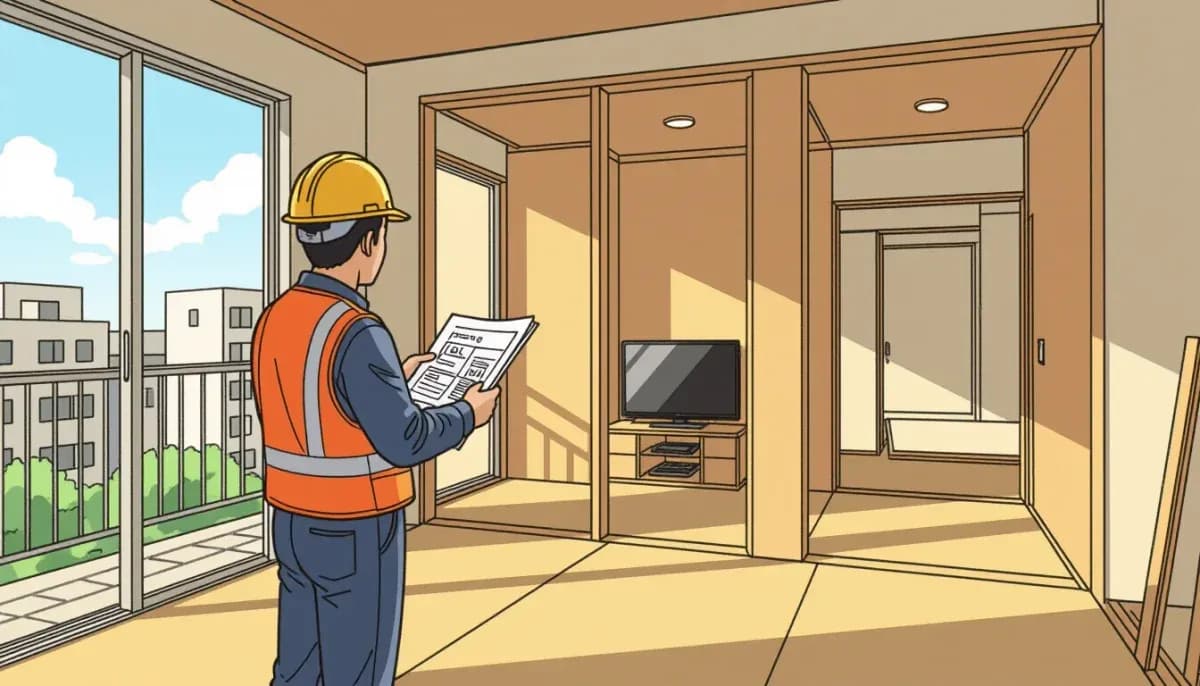
Japan Condo Building Inspection: What to Check Before Buying
Complete guide to condo building inspections in Japan for foreign buyers. Learn inspection types, costs (¥40,000–¥150,000), seismic standards, and critical documents to review before signing.
Read more →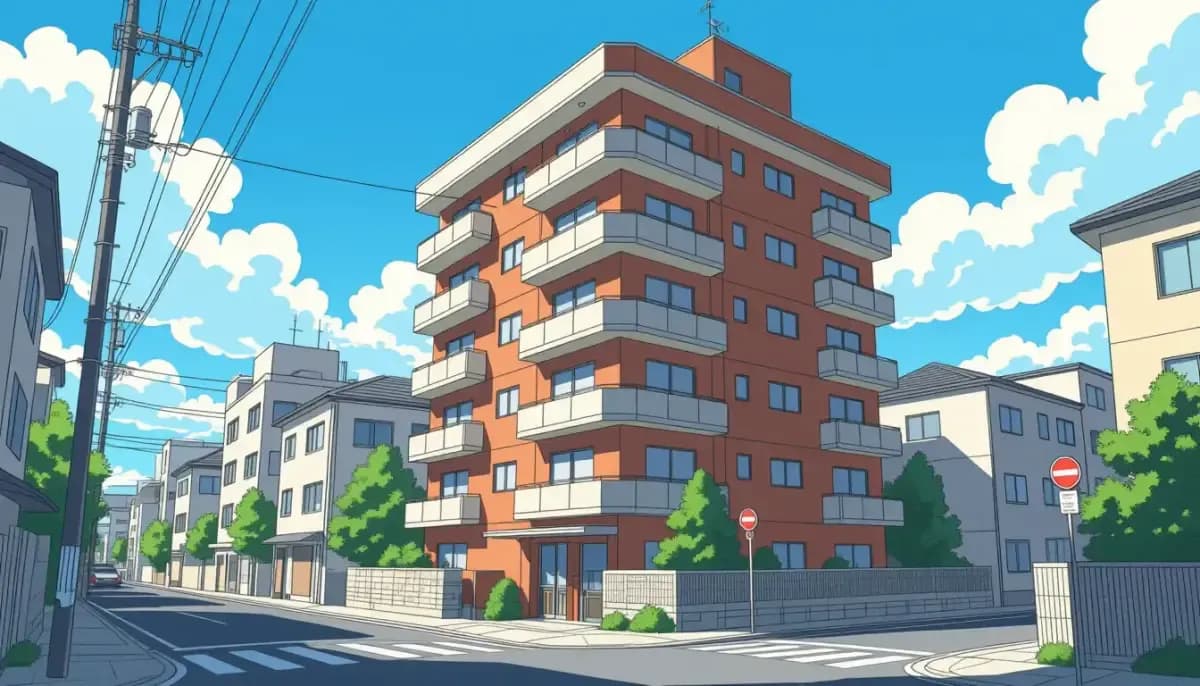
Earthquake Safety Concerns in Older Japan Condominiums
Buying an older condo in Japan? Learn about the critical 1981 seismic code, risks of pre-1981 buildings, retrofitting options, and how to protect yourself as a foreign buyer.
Read more →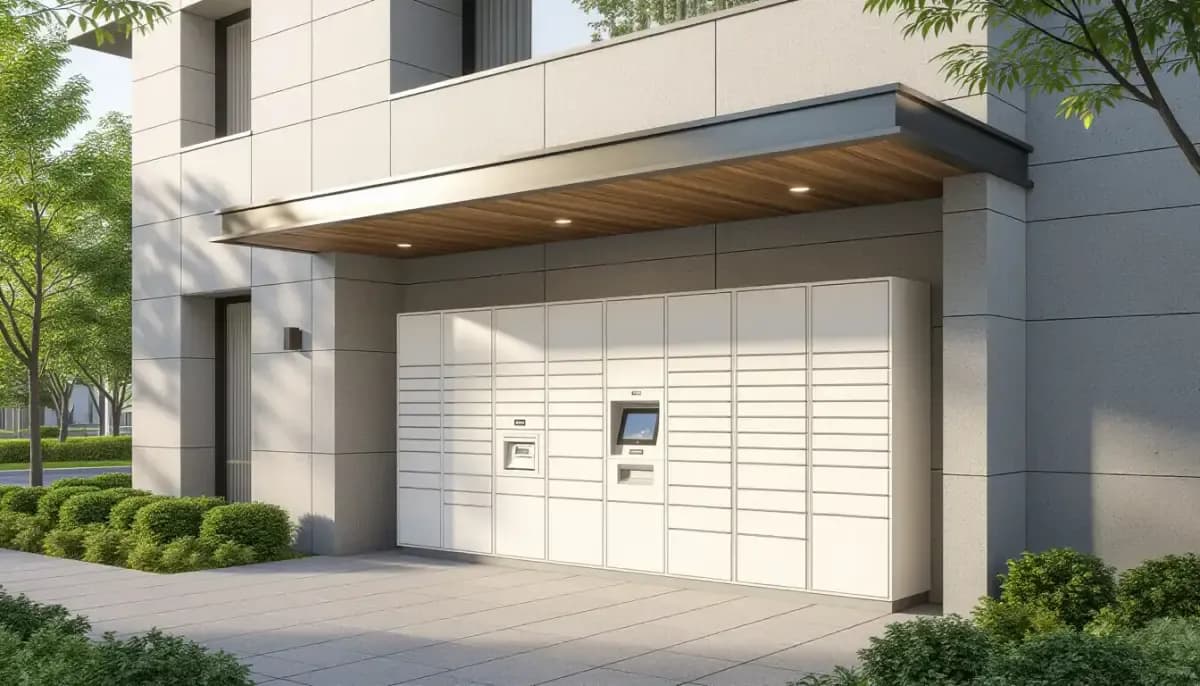
Japan Condo Common Facilities and Amenities Guide
Discover what common facilities to expect in Japanese condominiums — from auto-lock entrances and parcel lockers to gyms and concierge services. Learn about management fees, what to inspect, and what foreign buyers should know before purchasing.
Read more →