
Kominka (Traditional Farmhouse) Akiya: Buying and Renovating

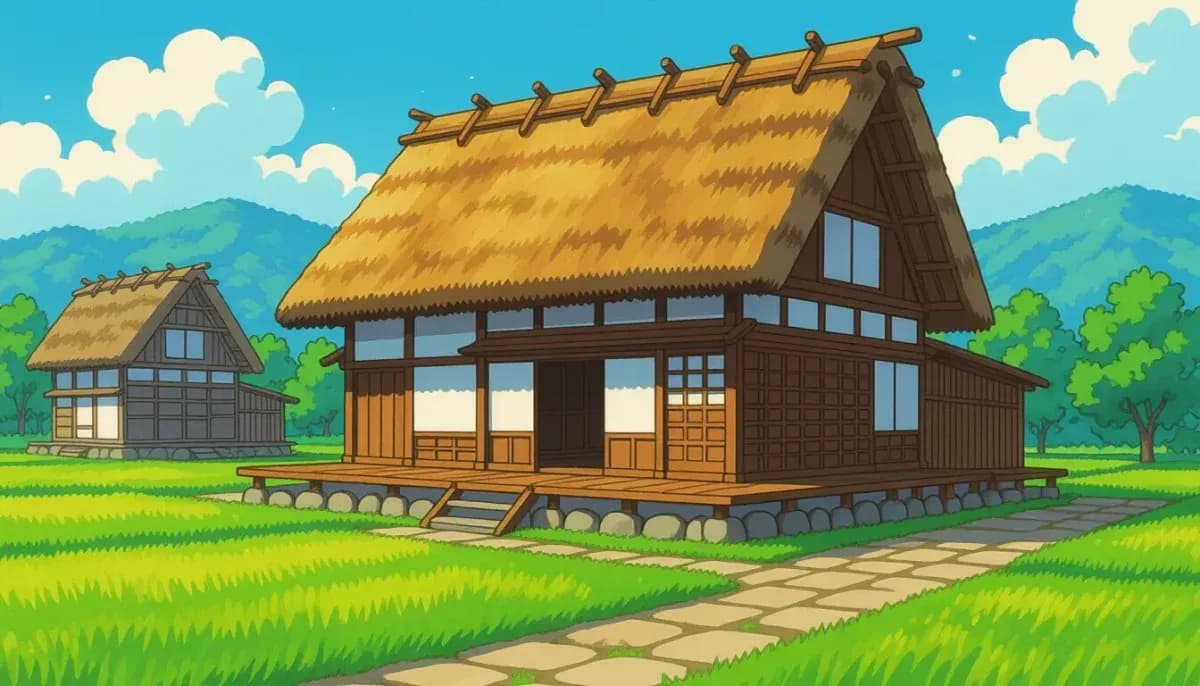
Complete guide to buying and renovating a kominka (traditional Japanese farmhouse) as a foreigner. Covers costs, subsidies, finding properties, renovation tips, and the buying process.
Kominka (Traditional Farmhouse) Akiya: Buying and Renovating in Japan
Japan's countryside hides thousands of abandoned traditional farmhouses — kominka (古民家) — many available at surprisingly low prices or even for free through akiya (vacant house) programs. For foreign buyers seeking an authentic slice of rural Japan, these storied properties offer a unique opportunity: thick wooden beams, earthen floors, thatched or tiled roofs, and deep connection to centuries of Japanese history. But the path from discovery to dream home is rarely simple. This guide walks you through everything you need to know about buying and renovating a kominka in Japan as a foreigner.
What Is a Kominka?
The word kominka (古民家) literally means "old folk dwelling." These are traditional Japanese farmhouses, typically constructed between the Edo period (1600s) and the early Showa era (mid-20th century), using techniques passed down through generations of master carpenters.
!What Is a Kominka? - illustration for Kominka (Traditional Farmhouse) Akiya: Buying and Renovating
Key architectural features of a kominka include:
- Massive wooden post-and-beam construction (木組み) — often using zelkova (keyaki), cedar (sugi), or pine beams that grow stronger with age
- Earthen floors (doma, 土間) — a transitional indoor-outdoor workspace typical of farming households
- Irori (囲炉裏) — a traditional sunken hearth used for heating and cooking, often preserved as a centerpiece
- Thatched (kayabuki) or heavy clay-tiled roofs — both requiring skilled, expensive maintenance
- Fusuma sliding doors, shoji screens, and engawa verandas — defining the organic flow of Japanese spatial design
Most kominka sit in rural and semi-rural areas: mountain villages, farming communities, and coastal hamlets across prefectures like Hyogo, Nara, Okayama, Kyoto (outside the city), Nagano, and Shimane. Their owners have often moved to cities or passed away, leaving the properties in the akiya (vacant house) system that local governments use to redistribute underused rural real estate.
Why Foreigners Are Buying Kominka
The global interest in kominka has surged over the past decade. Here's what's driving foreign buyers toward these properties:
Affordability: A kominka can cost as little as ¥1–5 million (approximately $7,000–$35,000 USD) — sometimes less than the price of a used car in Tokyo. Some municipalities even give them away for free in exchange for renovation commitments.
Authenticity and lifestyle: Many buyers — especially remote workers, creatives, and lifestyle migrants — are drawn to the slow-living ethos of rural Japan. A kominka offers land, space, fresh air, and a genuinely Japanese aesthetic that modern construction cannot replicate.
Cultural preservation: Renovating a kominka is an act of cultural stewardship. The Japanese government and many prefectures actively encourage this, offering subsidies and support programs specifically for kominka restoration.
Investment potential: Renovated kominka are increasingly popular as guesthouses (minpaku), cafés, and short-term rentals. A well-restored property in a scenic area can generate meaningful income. See our guide on short-term rentals and minpaku in Japan for more details.
Cost Reality: What Does It Actually Cost to Buy and Renovate a Kominka?
This is where many first-time buyers get a reality check. The purchase price of a kominka is almost never the dominant cost — renovation is.
Purchase Price
| Property Type | Typical Price Range |
|---|---|
| Free kominka (gift conditions apply) | ¥0 (renovation commitment required) |
| Basic rural kominka (needs full work) | ¥500,000 – ¥3,000,000 |
| Mid-condition kominka (partial renovation) | ¥3,000,000 – ¥8,000,000 |
| Well-maintained / partially restored kominka | ¥8,000,000 – ¥20,000,000 |
| Premium restored kominka (move-in ready) | ¥20,000,000+ |
Renovation Costs
Renovation costs depend heavily on the property's size, condition, and how much you want to modernize. Based on industry benchmarks:
- Full gut renovation of a 100–200 m² kominka: ¥10–30 million is common, sometimes more
- Water systems overhaul (replacing old pipes, installing modern plumbing): ¥2–5 million
- Seismic reinforcement (essential for pre-1981 buildings): ¥1–3 million
- Roof repair or rethatching: ¥3–10 million depending on roof type
- Contents removal and waste disposal: ¥100,000–800,000+
- Septic tank installation (rural areas often lack public sewage): ¥1.5–2.5 million
- Electrical rewiring to modern standards: ¥500,000–2,000,000
Budget reality: Even minor repairs on an abandoned property run a minimum of ¥1–2 million. Full-scale kominka restoration often reaches ¥15–30 million. Budget a 20–40% contingency buffer for unexpected findings.
For a deeper dive into renovation costs and financing, see Home Renovation and Remodeling in Japan for Foreign Owners.
Finding a Kominka to Buy
Akiya Banks (空き家バンク)
Japan's akiya banks — vacant house registries operated by municipal governments — are the most structured way to find kominka. Over 800 municipalities operate akiya banks, listing properties with photos, prices, and contact details. Many are on the national platform athome or municipal websites.
Key resources:
- Akiya & Inaka — English-language database aggregating rural properties across Japan
- SMout and TURNS — Japanese platforms connecting urban dwellers with rural relocation opportunities
- Municipal relocation portals — Many towns and villages with active depopulation programs list kominka with subsidy information
Real Estate Agents Specializing in Kominka
Not all real estate agents handle kominka, and many traditional agents will steer you toward conventional properties. Look for agencies that advertise kominka or akiya specialization. In tourist-heavy areas like Kyoto's outskirts or Nara, boutique agencies now cater specifically to foreign buyers.
Working with Japanese-speaking support is valuable — see Working with Japanese Real Estate Agents as a Foreigner for practical advice.
Can Foreigners Buy a Kominka?
Yes. Foreigners have the legal right to purchase real estate in Japan, including kominka and rural land, with the same ownership rights as Japanese nationals. There are no nationality restrictions on property ownership. As of July 2025, large land transactions require disclosure of nationality for national security purposes, but this does not restrict buying rights.
For mortgage financing, conditions are stricter without permanent residency:
- With Permanent Residency (PR): Access to nearly all lenders, similar to Japanese citizens
- Without PR: Many lenders require 3+ years of continuous Japanese employment, a Japanese spouse, and often a 30%+ down payment
Many kominka buyers pay in cash, especially given the low purchase prices — though renovation financing is a separate matter.
For more on financing, read our guide on Mortgages and Home Loans for Foreigners in Japan.
The Buying Process: Step by Step
Buying a kominka follows Japan's standard real estate purchase process, but with a few unique considerations:
- Find the property via akiya bank, agent, or direct contact with the municipality
- Conduct a thorough physical inspection — hire a licensed home inspector (¥50,000–100,000); check for structural damage, termites, roof condition, moisture, and electrical/plumbing status
- Verify seismic compliance — properties built before June 1981 follow old earthquake standards and often need reinforcement; this must be factored into your budget
- Confirm land ownership — kominka sometimes have unclear land titles (especially in rural areas where inheritance records are complex); verify with a judicial scrivener (shiho shoshi)
- Sign the purchase agreement — after negotiation and required disclosures
- Complete registration — transfer of ownership registered at the Legal Affairs Bureau
- Apply for subsidies — immediately after purchase, apply for any available renovation subsidies from the municipality
Total timeline from property search to key handover: typically 6–12 months, with property search taking 1–3 months and inspection/purchase taking 2–3 months. See our step-by-step home buying process guide for full details.
Government Subsidies for Kominka Renovation
This is one of the best-kept secrets of kominka buying: Japan's depopulating municipalities are often desperate to get people into vacant properties, and many offer substantial subsidies.
Typical subsidy programs include:
- Renovation subsidies: Municipalities may cover 10–80% of renovation costs, sometimes up to ¥3–5 million
- Moving-in bonuses: Some towns pay newcomers ¥1–3 million simply for relocating
- Free or near-free kominka: In exchange for a 5–10 year residency commitment and renovation obligation
- Young family bonuses: Additional support for families with children
- Seismic reinforcement grants: National and prefectural programs specifically for earthquake-proofing older structures
- Insulation and energy efficiency grants: For improving thermal performance of traditional buildings
Check the municipality's official website or the Regional Revitalization Bureau (地方創生推進室) portal for up-to-date programs. Programs change frequently, so always verify current availability directly with local governments.
Key Challenges to Prepare For
Buying a kominka is deeply rewarding but comes with real challenges that first-time buyers underestimate:
Language barrier: Most kominka transactions, contractor negotiations, and subsidy applications are conducted entirely in Japanese. Budget for professional translation and support, or partner with a bilingual real estate agent.
Finding skilled artisans: Traditional kominka renovation requires miyadaiku (宮大工) — master carpenters trained in traditional wooden architecture. These specialists are rare and often booked years in advance. Standard contractors may lack the skills to handle traditional joinery or thatched roofs properly.
Structural surprises: Behind beautiful old walls are often termite damage, rotted beams, and outdated wiring. Always conduct thorough inspections and budget generously for the unexpected. Cracks exceeding 0.3mm in exterior walls may indicate serious structural issues.
Rural infrastructure: Many kominka lack public sewage connections, reliable high-speed internet, or easy access to supermarkets. Research local infrastructure before committing.
Long-term maintenance: Thatched roofs require rethatching every 20–30 years at considerable cost. Even tiled kominka roofs need regular maintenance.
For broader advice on rural living in Japan, see Rural and Countryside Properties in Japan for Foreign Buyers.
Helpful External Resources
Navigating kominka purchase and renovation is much easier with the right information. Several English-language platforms provide excellent guidance:
- Living in Nihon: Complete Guide to Buying Property in Japan as a Foreigner — comprehensive overview of the Japanese property purchase process, costs, and legal framework for foreign buyers
- For Work in Japan: Housing and Living Infrastructure Guide — practical housing tips for foreigners settling in Japan, including regional considerations
- Gaijin Buy House: Used Property and Renovation Guide — detailed breakdown of renovation costs, financing strategies, and practical tips for buying and renovating older Japanese properties
Is Buying a Kominka Right for You?
A kominka is not a beginner purchase. It demands patience, financial flexibility, a high tolerance for complexity, and ideally some Japanese language ability (or trusted support). But for the right buyer, there is nothing quite like it.
Ask yourself:
- Can I commit to living in a rural area for at least 5 years?
- Do I have ¥10–30 million available for renovation beyond the purchase price?
- Am I prepared for a 1–2 year renovation process?
- Do I have or can I build a network of Japanese-speaking support and trusted contractors?
If yes to these questions, kominka ownership is one of the most remarkable property experiences available to foreigners in Japan — a living piece of history that you can call home.
For next steps, explore our full guide to traditional Japanese houses including machiya townhouses, or read about common mistakes and scams to avoid when buying property in Japan.

Originally from Vietnam, living in Japan for 16+ years. Graduated from Nagoya University, with 11 years of professional experience at Japanese and international companies. Sharing information about buying property in Japan for foreigners.
View Profile →Related Articles
Akiya Near Tokyo: Accessible Vacant Houses for Commuters
Find affordable akiya (vacant houses) within commuting distance of Tokyo. Covers best rail corridors in Saitama, Chiba, Kanagawa, Ibaraki, government subsidies, and tips for foreign buyers.
Read more →
Can You Turn an Akiya into a Rental Property in Japan?
Foreigners can convert akiya (vacant Japanese homes) into rental properties. Learn the legal requirements, rental models, renovation costs, and tax rules for akiya rental investment in Japan.
Read more →
Akiya Success Stories: Foreigners Who Bought Vacant Houses in Japan
Real success stories of foreigners who successfully bought akiya (vacant houses) in Japan. Learn what they paid, how they did it, and how to replicate their success with practical tips and lessons learned.
Read more →
Foreign Buyer Akiya Purchase Process Step by Step
Complete step-by-step guide to buying an akiya (vacant house) in Japan as a foreign buyer. Covers property search, due diligence, contracts, payment, title registration, and mandatory reporting requirements.
Read more →
Akiya Legal Issues and Title Problems to Watch Out For
Discover the critical akiya legal issues and title problems foreign buyers face in Japan: unregistered ownership, multiple heirs, zoning problems, and new 2024-2025 laws. Essential due diligence guide.
Read more →
Japan Akiya Subsidy and Grant Programs for Buyers
Complete guide to Japan akiya subsidy and grant programs for foreign buyers in 2025. Learn renovation grants up to 2 million yen, relocation incentives, eligibility requirements for foreigners, and how to apply before renovations begin.
Read more →