
Akiya Success Stories: Foreigners Who Bought Vacant Houses in Japan

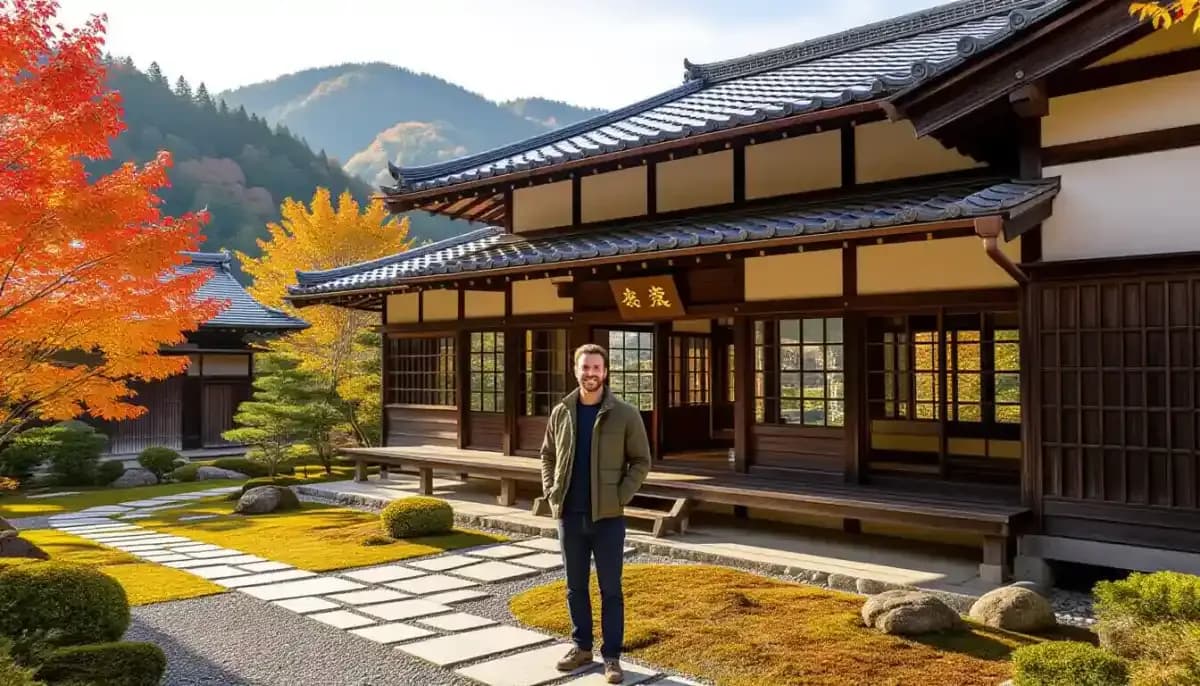
Real success stories of foreigners who successfully bought akiya (vacant houses) in Japan. Learn what they paid, how they did it, and how to replicate their success with practical tips and lessons learned.
Akiya Success Stories: Foreigners Who Bought Vacant Houses in Japan
Japan's akiya phenomenon — the millions of vacant, often centuries-old homes scattered across the country — has captivated foreign buyers for years. With prices that seem impossibly low by Western standards and a government actively encouraging purchase, it's no surprise that a growing number of expats and overseas investors have taken the plunge. But what does it actually look like when a foreigner successfully buys an akiya? In this article, we share real success stories, key lessons, and practical advice drawn from the experiences of foreigners who made it happen.
For a broader overview of buying property in Japan as a foreigner, see our Complete Guide to Buying Property in Japan.
Why Foreigners Are Succeeding with Akiya Purchases
Japan has approximately 9 million akiya as of 2024 — around 13.8% of all residential properties. This dramatic oversupply, driven by rural depopulation and an aging population, has created a buyer's market unlike anything seen in other developed nations. Rural akiya can sell for as little as ¥2 million to ¥6 million (roughly $13,000–$40,000 USD), making Japan one of the few developed countries where a livable home under $100,000 is still possible.
Critically, there are no legal barriers for foreigners. Japan allows full freehold property ownership regardless of nationality or citizenship status. You don't need a visa to buy property, though long-term residency requires the appropriate status. Since April 2024, non-resident foreign buyers must designate a Japanese "contact person" for official property communications — a minor administrative requirement that specialist agents can help arrange.
The combination of low prices, zero ownership restrictions, and government incentives has created real success stories across all buyer profiles: retirees seeking a lifestyle change, remote workers dreaming of a rural base, and investors targeting rental yields in tourist areas.
For more on your legal rights as a foreign buyer, see Can Foreigners Buy Property in Japan? Legal Rights and Restrictions.
Real Success Stories: Foreigners Who Bought Akiya in Japan
Here are four real examples that illustrate the range of outcomes foreign buyers are achieving:
Jason – Military Veteran, Kanagawa Prefecture
Jason, an American with a military background, was familiar with Japan through earlier postings. After leaving the military, he decided to buy rather than rent. He found a fully renovated akiya in Kanagawa Prefecture — walking distance from a train station, offering easy access to Tokyo — for approximately $150,000 USD. The property was move-in ready with modern plumbing and electrical, and Jason was able to secure the deal entirely in English through a bilingual real estate agent. His key advice: "Get a buyer's agent who has done akiya deals with foreigners before. It makes everything faster."
Leigh and James – San Francisco Family, Saitama / West Tokyo Area
This couple from San Francisco spent years following Japan's housing market before finally committing. They purchased a spacious 4-bedroom home with a sunroom and backyard, located west of central Tokyo, for ¥13.5 million (approximately $95,000 USD). The home needed only about $5,000 in minor cosmetic repairs — unusual for akiya, but proof that genuinely livable properties exist among the listings. They now use the home as a second home and base for extended stays in Japan while continuing to work remotely.
Peter – Hong Kong Investor, Lake Kawaguchi Area
Peter, an investor based in Hong Kong, targeted the greater Mount Fuji tourism zone for short-term rental potential. He found a renovated property near Lake Kawaguchi with direct Mount Fuji views, situated on an 11,000 square foot lot. After negotiating, he paid ¥12 million (approximately $88,000 USD). The property now operates as a vacation rental during peak seasons, with Peter managing it remotely through a local property management company. He cites the combination of low entry cost and strong tourist demand as the key investment thesis.
Daniele – Italian Investor, Saitama City
Daniele, originally from Italy, relocated to Japan and took a calculated investment approach. He purchased a 3-story, 5-room house in Saitama City (built in 1991, 85 square meters) for ¥9.2 million (approximately $75,000 USD), then invested a further ¥2 million in renovations. He projects rental income of ¥115,000 per month — a gross yield of approximately 10% annually. This case illustrates that urban-adjacent akiya, not just rural properties, can deliver strong returns when acquired below market value.
Key Lessons from Successful Buyers
The success stories above share several common factors. Understanding these patterns can help you replicate their outcomes:
| Lesson | What Successful Buyers Did |
|---|---|
| Used specialist agents | Worked with bilingual agents experienced in foreigner akiya purchases |
| Conducted physical inspections | Visited properties in person or hired local inspection services |
| Budgeted for renovation realistically | Planned for ¥2M–¥5M renovation even on "move-in ready" listings |
| Chose locations strategically | Prioritized transport links, tourist demand, or English-friendly communities |
| Paid in cash | Most non-resident buyers financed through personal savings or overseas loans |
| Hired a Japanese tax agent | Set up proper representation for non-resident tax obligations |
| Researched local government incentives | Checked prefecture/city programs offering renovation subsidies |
Cash purchases are the most common approach, as securing a Japanese mortgage as a non-resident is difficult. However, some permanent residents and long-term visa holders have successfully obtained financing. See our guide to Mortgages and Home Loans for Foreigners in Japan for details.
Best Locations for Foreigners Buying Akiya in 2025
Location choice is arguably the most important decision in an akiya purchase. The best towns for foreign buyers balance affordability, livability, and (for investors) rental demand.
Top picks for 2025:
- Karuizawa (Nagano) — Long-established resort town with Shinkansen access to Tokyo in 70 minutes. Popular with wealthy Japanese and increasingly with foreign second-home buyers. Higher prices, but strong rental market.
- Onomichi (Hiroshima) — A scenic port city with an active akiya revitalization program that has attracted artists, boutique guesthouse owners, and expats. The city actively supports foreign buyers.
- Kanazawa (Ishikawa) — Often called "Japan's little Kyoto," with a growing international profile and excellent quality of life. Good for cultural lifestyle buyers.
- Okinawa Islands — Tropical climate, American military community, English infrastructure, and strong tourism. Prices are higher than mainland rural areas but lower than Tokyo.
- Fukuoka — Japan's fastest-growing major city with a startup visa program, international airport, and active expat community. Urban akiya are available in surrounding suburban areas.
- Matsumoto (Nagano) — Mountain city with strong domestic tourism, an international arts scene, and good Shinkansen connections.
- Kagawa Coastal Towns — The Seto Inland Sea region, anchored by the Setouchi art islands, has become a magnet for creative foreigners and boutique hospitality operators.
For detailed area-by-area guides, see Rural and Countryside Properties in Japan for Foreigners.
Renovation Reality: What to Actually Expect
The internet is full of stories about "free" akiya — and while some municipalities do offer zero-cost transfers, these are the exception and typically involve properties with major issues. Successful buyers are realistic about renovation:
Common renovation costs in akiya purchases:
- Tatami replacement: ¥100,000–¥200,000 per room ($650–$1,300)
- Roof repairs: Can exceed ¥1.5 million ($10,000) for significant issues
- Kitchen and bathroom modernization: ¥500,000–¥2 million per room ($3,300–$13,000)
- Full modernization of a large kominka: ¥5 million–¥15 million+ ($33,000–$100,000+)
- Structural inspection: ¥50,000–¥150,000 ($330–$1,000)
Buyers who succeed treat renovation budgeting as non-negotiable. The $95,000 San Francisco couple's deal worked because they factored in potential repair costs upfront — and were pleasantly surprised when actual repairs were minimal. Peter in Kawaguchi targeted an already-renovated property specifically to avoid renovation risk.
Some prefectures and municipalities offer renovation subsidies of up to ¥1–2 million for buyers who commit to long-term residency or local business creation. Always research local government incentive programs before finalizing your location.
For a full breakdown of all costs involved in Japanese property purchases, see Hidden Costs and Fees When Buying Property in Japan.
How to Replicate These Success Stories: A Practical Roadmap
Based on patterns from successful foreign akiya buyers, here is a practical framework:
Step 1: Define your goal Are you buying a lifestyle home, a rental investment, or a future retirement base? Your goal determines location type, property type, and acceptable renovation scope.
Step 2: Research locations Use national akiya databases, prefectural akiya banks, and English-language platforms like AkiyaHub and MailMate's akiya guide to identify target areas. Old Houses Japan offers curated listings specifically for foreign buyers.
Step 3: Build your local team You need a bilingual real estate agent, a licensed building inspector, a judicial scrivener (for registration), and a tax accountant familiar with non-resident property ownership.
Step 4: Visit in person All successful buyers in this article visited their properties before committing. Remote purchases without inspection carry significant risk given the quality variation in akiya stock.
Step 5: Understand the full cost Budget purchase price + 10% for transaction costs (agent fees, registration, stamp duty, taxes) + renovation contingency. See our guide to Property Taxes and Annual Costs of Owning Property in Japan.
Step 6: Complete legal and tax setup Designate a Japanese contact person if purchasing as a non-resident, register your acquisition with the local municipality, and set up tax agent representation if you won't be resident in Japan.
For a step-by-step walkthrough of the entire process, see Step-by-Step Home Buying Process in Japan for Foreigners.
The akiya opportunity is real — the success stories above are not outliers. Japan's vacant home crisis creates genuine bargains for buyers who approach the process with the right information, the right local team, and realistic expectations. Whether you're a lifestyle seeker, a remote worker, or an investor, the path to owning a piece of Japan has never been more accessible.
For more resources on living in Japan as a foreigner, visit Living in Nihon, For Work in Japan, and Gaijin Buy House for additional perspectives and practical guides.
Also see our dedicated pillar guide on Akiya (Vacant and Abandoned Houses) in Japan for Foreign Buyers for the complete overview of the akiya purchasing process.

Originally from Vietnam, living in Japan for 16+ years. Graduated from Nagoya University, with 11 years of professional experience at Japanese and international companies. Sharing information about buying property in Japan for foreigners.
View Profile →Related Articles

Akiya Near Tokyo: Accessible Vacant Houses for Commuters
Find affordable akiya (vacant houses) within commuting distance of Tokyo. Covers best rail corridors in Saitama, Chiba, Kanagawa, Ibaraki, government subsidies, and tips for foreign buyers.
Read more →
Can You Turn an Akiya into a Rental Property in Japan?
Foreigners can convert akiya (vacant Japanese homes) into rental properties. Learn the legal requirements, rental models, renovation costs, and tax rules for akiya rental investment in Japan.
Read more →
Kominka (Traditional Farmhouse) Akiya: Buying and Renovating
Complete guide to buying and renovating a kominka (traditional Japanese farmhouse) as a foreigner. Covers costs, subsidies, finding properties, renovation tips, and the buying process.
Read more →
Foreign Buyer Akiya Purchase Process Step by Step
Complete step-by-step guide to buying an akiya (vacant house) in Japan as a foreign buyer. Covers property search, due diligence, contracts, payment, title registration, and mandatory reporting requirements.
Read more →
Akiya Legal Issues and Title Problems to Watch Out For
Discover the critical akiya legal issues and title problems foreign buyers face in Japan: unregistered ownership, multiple heirs, zoning problems, and new 2024-2025 laws. Essential due diligence guide.
Read more →
Japan Akiya Subsidy and Grant Programs for Buyers
Complete guide to Japan akiya subsidy and grant programs for foreign buyers in 2025. Learn renovation grants up to 2 million yen, relocation incentives, eligibility requirements for foreigners, and how to apply before renovations begin.
Read more →