
Akiya Legal Issues and Title Problems to Watch Out For

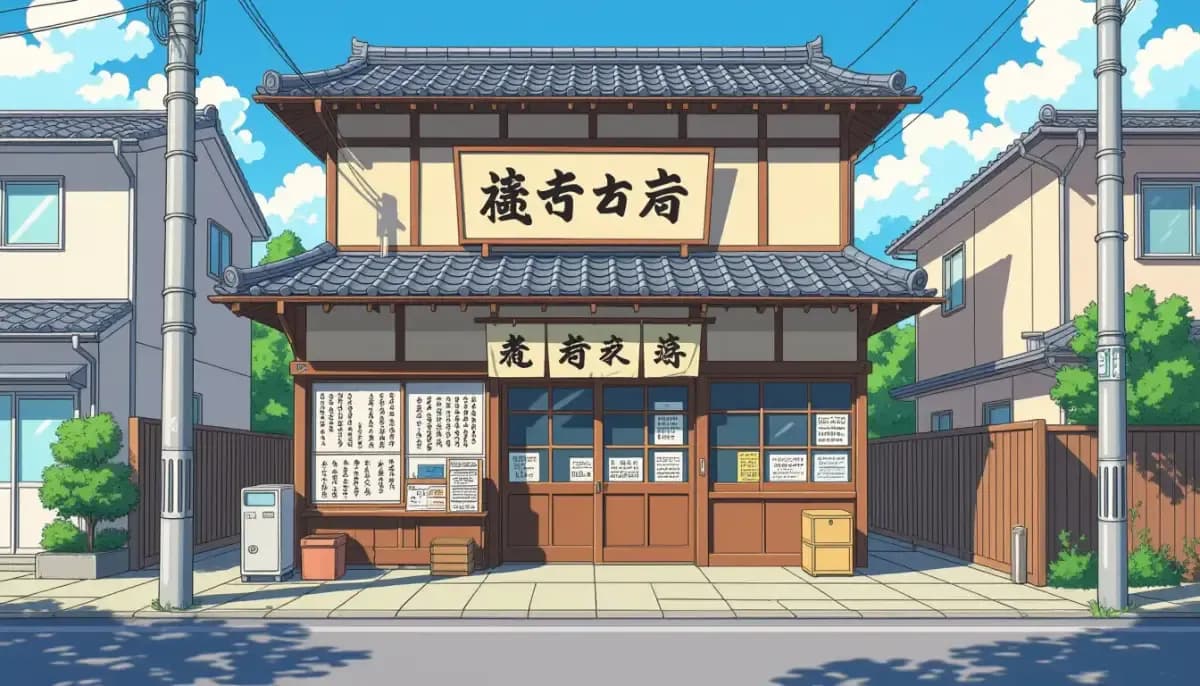
Discover the critical akiya legal issues and title problems foreign buyers face in Japan: unregistered ownership, multiple heirs, zoning problems, and new 2024-2025 laws. Essential due diligence guide.
Akiya Legal Issues and Title Problems to Watch Out For
Japan's akiya (空き家) phenomenon — millions of vacant and abandoned houses scattered across the country — represents one of the most distinctive real estate opportunities for foreign buyers. With approximately 9 million vacant dwellings (13.8% of all housing stock as of 2023), the appeal is undeniable: rural properties often listed for under ¥1 million or even given away for free. But beneath the bargain prices lies a web of legal complications that catch many foreign buyers off guard. This guide covers the most critical akiya legal issues and title problems you must investigate before signing anything.
Why Akiya Properties Have So Many Legal Problems
Understanding why akiya properties carry legal risks helps you identify them more effectively. The root cause is Japan's historically lax approach to property registration combined with an aging population and a cultural reluctance to deal with inherited assets.
Approximately 60% of akiya became abandoned following the owner's death. When elderly owners passed away, heirs — often scattered across Japan or living abroad — frequently failed to formally register the inheritance. Under the old system, there was no legal obligation to do so, and registration costs money. Why spend ¥150,000 on a lawyer to register a dilapidated rural house worth ¥300,000?
This created a compounding problem over decades. Properties passed through two, three, or even four generations of inheritance without ever being officially re-registered. Today, an akiya that looks like it might belong to one elderly seller may legally have 20 co-owners spread across Japan and overseas, each holding a small fractional share — and every single one must consent to any sale.
As of 2023, approximately 4.2 million properties in Japan have unknown or unclear ownership. The total area of "land with unknown owners" already exceeds the land area of Kyushu and is projected to reach Hokkaido-sized proportions if trends continue.
For more context on Japan's foreign property ownership rules, see our guide on Can Foreigners Buy Property in Japan?
The Mandatory Registration Law: What Changed in April 2024
Japan has recently taken aggressive steps to address the ownership crisis. Effective April 1, 2024, Japan introduced its first-ever mandatory inheritance property registration law — a landmark change to the Real Property Registration Act.
Under the new rules:
- Heirs who acquire ownership of real property must register the transfer within 3 years of learning they are the owner
- Properties inherited before April 1, 2024 have a grace period — they must be registered by March 31, 2027
- Failure to comply carries a penalty of up to ¥100,000
This is a significant shift, but it does not instantly resolve the existing backlog of unregistered properties. It also introduces new complexity for foreign buyers: if you purchase an akiya and later inherit it yourself, you now have a legal obligation to register that inheritance — even if you live outside Japan.
For foreign heirs specifically, the process is considerably more complex. Japanese courts and the Legal Affairs Bureau require apostilled documents from your home country, and professional fees (judicial scrivener / 司法書士) typically run ¥200,000–500,000 for cross-border inheritance cases. Living in Nihon has an excellent breakdown of how international inheritance works under Japanese law and what paperwork foreign nationals need in their guide on international succession in Japan.
Common Akiya Title Problems That Block Sales
Before you can legally purchase an akiya, the seller must hold clear, marketable title. Here are the title problems most frequently encountered:
1. Multiple Unlocated Heirs
A single property may have dozens of legal co-owners if several generations of inheritance went unregistered. Each co-owner — including those who may never have visited the property — must agree to the sale. Finding them, getting them to respond, and obtaining their signatures (with proper notarization/apostille for those overseas) can take years and cost as much as the property itself.
2. Unregistered Buildings
Many akiya include buildings that were never officially registered with the Legal Affairs Bureau. Three main causes:
- The building was constructed without permits (illegal construction)
- The building was added or significantly modified without permits
- The original owner never completed post-construction registration
An unregistered building is a serious problem. Banks will not offer mortgages on properties with unregistered structures. Insurance is difficult to obtain. Any future buyer you might want to sell to will face the same issues. Resolving unregistered building status requires a judicial scrivener to file a "preservation registration" (保存登記), which requires cooperation of all interested parties.
3. Agricultural Land Classification
Some akiya — particularly those with attached farmland — sit on land classified as "agricultural land" (農地 / nochi). You cannot simply buy agricultural land in Japan the way you would residential land. Transfers require approval from the local Agricultural Committee (農業委員会), and foreigners face particularly strict scrutiny. Unauthorized use of agricultural land for non-agricultural purposes can result in fines and forced restoration orders.
4. Non-Conforming Zoning
Japan's zoning laws changed significantly over the decades. Many akiya in rural areas were built under zoning categories that no longer permit residential construction, or in areas now classified for different uses. A property might be on land zoned as "urbanization control area" (市街化調整区域), where rebuilding after demolition may be prohibited — meaning if the old structure falls down or is torn down, you cannot legally replace it.
5. Road Access and Setback Issues
Japanese building law requires that properties have at least 2 meters of frontage on a road that is at least 4 meters wide (the "接道義務" / setback requirement). Many older akiya, particularly in narrow alley neighborhoods, do not meet this requirement. Properties that fail this test cannot receive permits for new construction or major renovation — severely limiting what you can do with the property.
For a broader look at renovation rules, see our article on Home Renovation and Remodeling in Japan.
How to Check Akiya Title Status: The Tools You Need
| Tool | What It Shows | Where to Get It | Cost |
|---|---|---|---|
| 土地登記簿謄本 (Land Registry Certificate) | Current registered owner, mortgages, liens, easements | Legal Affairs Bureau (法務局) or online | ¥300–600 per record |
| 公図 (Cadastral Map) | Official land boundaries and plot numbers | Legal Affairs Bureau | ¥300–600 |
| 固定資産税評価証明書 (Tax Valuation Certificate) | Assessed value for tax purposes | Municipal tax office | ¥300–400 |
| 建物登記簿謄本 (Building Registry Certificate) | Building ownership, size, registration status | Legal Affairs Bureau | ¥300–600 |
| 都市計画図 (City Planning Map) | Zoning classification, development restrictions | Municipal planning department | Free or ¥300 |
| 公的地図 (Aerial/Satellite Survey) | Actual vs. registered land boundaries | Land survey firms | ¥300,000–500,000 for full survey |
The most important document is the 土地登記簿謄本 (tokibo tohon). Order one immediately for any property you are considering. It shows the current registered owner and all encumbrances. If the registered owner is deceased and no inheritance registration has been filed, that is a red flag requiring immediate legal consultation.
For guidance on all the documents you'll need, see Documents Needed to Buy Property in Japan.
Liens, Easements, and Other Encumbrances
Even when title appears clear, the land registry may reveal encumbrances that significantly affect your ability to use or sell the property:
Mortgages (抵当権): Some abandoned properties still carry mortgage liens from decades ago, even if no loan payments have been made in years. These must be formally extinguished before transfer. If the original lender no longer exists (many regional banks and credit unions merged or failed), resolving the lien requires a court process that can take months.
Easements (地役権): Rights of way allowing neighbors to cross the land, or drainage easements, may be registered. These generally run with the land and pass to any new owner.
Superficies (地上権): A third party may hold a registered right to use the surface of the land (e.g., to operate a road or utility line). This right persists through ownership changes.
Agricultural use rights (農業利用権): In some cases, neighboring farmers hold registered rights to cultivate land. You cannot simply evict them upon purchase.
The Old Houses Japan blog has detailed guides on how to identify unregistered ownership issues and the hidden challenges of unregistered buildings that are worth reading before making any offer.
The 2025 Building Law Changes Affecting Akiya
Japan's Building Standards Law underwent significant changes effective April 2025 that directly affect akiya buyers planning renovations:
- All two-story wooden buildings now require a building permit for construction or major renovation, regardless of floor area (previously small structures were exempt)
- Renovations affecting more than 50% of principal structural components must comply with current earthquake resistance standards and energy efficiency requirements (Thermal Insulation Grade 4, Primary Energy Grade 4)
- Pre-1981 structures are grandfathered but only as long as no "significant construction work" is performed
This creates a practical dilemma: many akiya are pre-1981 structures in poor condition. Doing the renovation work necessary to make them livable may trigger compliance requirements for earthquake retrofitting that cost ¥1–3 million or more — in some cases exceeding the purchase price of the property.
Read the full details in the Japan 2025 renovation laws guide.
New Regulations Affecting Foreign Buyers Specifically
Foreign buyers of akiya face a new layer of regulatory scrutiny beginning in 2026. According to analysis by Gaijin Buy House, from fiscal 2026 all real estate purchasers must declare nationality during property registration. Since July 2025, large land transactions (200+ m²) already require nationality disclosure to prefectural governors.
Additionally, properties near government or military installations fall under the Important Land Survey Act (enacted 2022), which restricts foreign acquisition in designated sensitive zones. This is currently rare for typical akiya but could affect properties in Hokkaido, Okinawa, and areas near Self-Defense Force bases.
For those considering joint purchases with a Japanese spouse or partner, see the Gaijin Buy House guide on joint property ownership for foreigners — co-ownership (共有名義) creates its own complications, including the requirement that all co-owners consent to any future sale.
Stigmatized Properties: A Special Category
One legal issue unique to Japanese real estate is the concept of jiko bukken (事故物件) — "accident properties" or stigmatized properties. These are properties where a death occurred (suicide, homicide, or in some cases natural death where the body went undiscovered for a long period).
Japanese real estate law requires sellers and agents to disclose jiko bukken status. Sellers must disclose deaths that occurred within approximately 3 years for rental properties and 10 years for sales properties (guidelines vary by municipality). Stigmatized properties typically sell at 20–50% discounts below market value — which can make them appear even more attractively priced on akiya bank listings.
For foreign buyers, the main concern is understanding what you are buying. Always ask directly whether any death occurred on the property and review the important matters explanation document (重要事項説明書) carefully. An experienced real estate agent can help you identify and evaluate these properties. See our guide on Working with Japanese Real Estate Agents as a Foreigner.
Your Legal Due Diligence Checklist
Before making an offer on any akiya, complete this due diligence checklist:
- Order the land and building registry certificates — verify the registered owner is alive, can be contacted, and has no co-heirs
- Confirm the property has road frontage — at least 2 meters on a 4-meter or wider road
- Check zoning — verify residential construction is permitted
- Confirm land classification — agricultural land requires special approval
- Search for all liens and encumbrances — have a judicial scrivener review the registry
- Verify building registration — confirm the building (if any) is registered
- Check for asbestos — pre-1975 buildings may contain asbestos
- Ask about stigma — confirm no undisclosed deaths on the property
- Boundary survey — if unclear, commission a formal survey (¥300,000–500,000)
- Engage a judicial scrivener — for any property with complex title, engage a professional
Total transaction costs (agent fees, registration taxes, judicial scrivener fees, stamp taxes) typically add 6–10% on top of the purchase price. For a full breakdown, see our Hidden Costs and Fees When Buying Property in Japan.
Also review the comprehensive guide at Akiya Heaven on legal mistakes to avoid and the broader Akiya complete guide on our site for the full picture of the purchase process.
Conclusion
Akiya properties can be extraordinary opportunities for foreign buyers willing to do their homework. The legal risks are real but manageable — with the right professional team and thorough due diligence. The key is to approach every akiya with skepticism about the title until proven otherwise: order the registry certificates before falling in love with the property, engage a qualified judicial scrivener early, and budget for resolution costs that may exceed the purchase price on heavily encumbered properties.
Japan's new mandatory registration law (2024) and the 2025 building permit changes are making the market more transparent over time. If you're planning to work remotely from Japan while managing your akiya project, For Work in Japan offers useful resources on visa and lifestyle considerations for foreign residents. But for the next several years, the backlog of unregistered properties means title problems will remain common in the akiya market. Informed buyers who understand these issues will be positioned to negotiate better prices and avoid costly surprises.
For the next steps in your akiya journey, explore our complete guides on Legal Procedures and Documentation for Japan Property Purchase and Common Mistakes and Scams to Avoid When Buying Property in Japan.

Originally from Vietnam, living in Japan for 16+ years. Graduated from Nagoya University, with 11 years of professional experience at Japanese and international companies. Sharing information about buying property in Japan for foreigners.
View Profile →Related Articles
Akiya Near Tokyo: Accessible Vacant Houses for Commuters
Find affordable akiya (vacant houses) within commuting distance of Tokyo. Covers best rail corridors in Saitama, Chiba, Kanagawa, Ibaraki, government subsidies, and tips for foreign buyers.
Read more →
Can You Turn an Akiya into a Rental Property in Japan?
Foreigners can convert akiya (vacant Japanese homes) into rental properties. Learn the legal requirements, rental models, renovation costs, and tax rules for akiya rental investment in Japan.
Read more →
Kominka (Traditional Farmhouse) Akiya: Buying and Renovating
Complete guide to buying and renovating a kominka (traditional Japanese farmhouse) as a foreigner. Covers costs, subsidies, finding properties, renovation tips, and the buying process.
Read more →
Akiya Success Stories: Foreigners Who Bought Vacant Houses in Japan
Real success stories of foreigners who successfully bought akiya (vacant houses) in Japan. Learn what they paid, how they did it, and how to replicate their success with practical tips and lessons learned.
Read more →
Foreign Buyer Akiya Purchase Process Step by Step
Complete step-by-step guide to buying an akiya (vacant house) in Japan as a foreign buyer. Covers property search, due diligence, contracts, payment, title registration, and mandatory reporting requirements.
Read more →
Japan Akiya Subsidy and Grant Programs for Buyers
Complete guide to Japan akiya subsidy and grant programs for foreign buyers in 2025. Learn renovation grants up to 2 million yen, relocation incentives, eligibility requirements for foreigners, and how to apply before renovations begin.
Read more →