
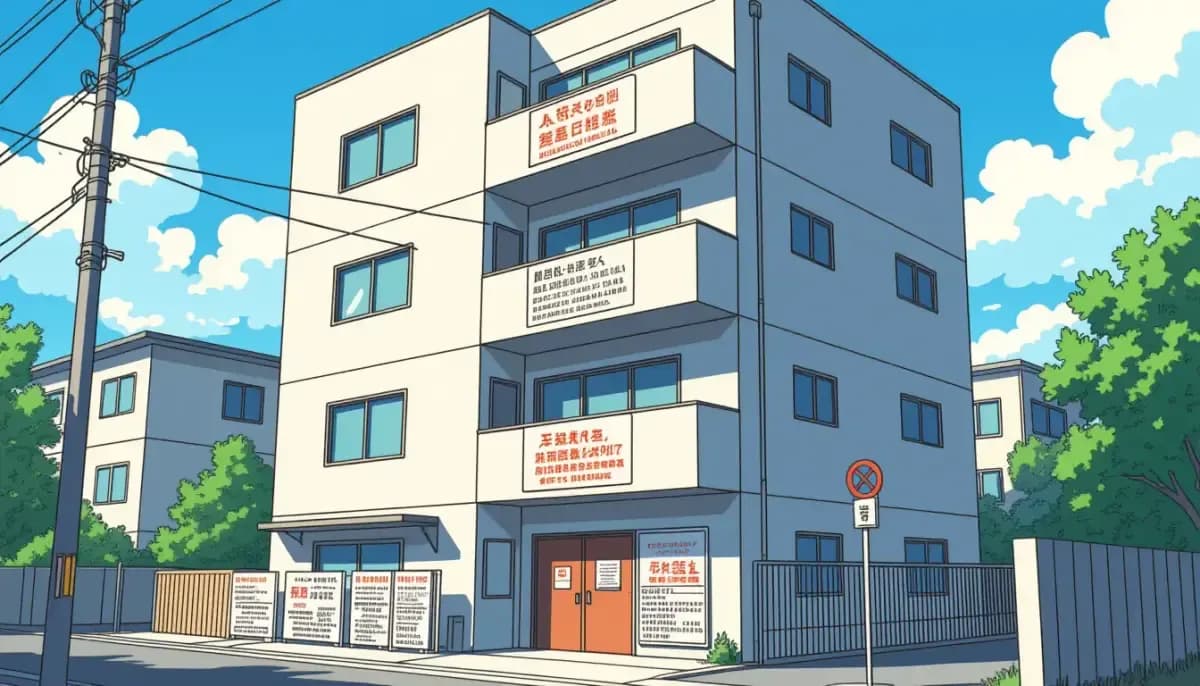
Minpaku Penalties and Non-Compliance Risks in Japan
Learn about minpaku penalties in Japan including fines up to ¥1,000,000, real enforcement cases, and how to avoid non-compliance risks as a foreign property owner.
Read more →
Everything foreign property owners need to know about Japan minpaku: licensing, 180-day cap, city rules, management companies, taxes, and how to invest profitably in Japan short-term rentals.
Japan's short-term rental market has emerged as one of the most compelling investment opportunities for foreign property owners. With record-breaking inbound tourism, a historically weak yen, and an enthusiastic global appetite for authentic Japanese experiences, platforms like Airbnb have transformed how travelers explore this country. But running a short-term rental here — known locally as minpaku (民泊) — is not as simple as listing your apartment and waiting for bookings. Japan has built one of the world's most structured short-term rental regulatory frameworks, and foreign owners need to understand it thoroughly before investing.
This comprehensive guide explains everything foreign property owners need to know about Japan's minpaku system: the legal framework, licensing options, city-by-city rules, practical compliance steps, and how to operate profitably from abroad.
The word minpaku (民泊) literally means "staying at a private home." Today, it broadly refers to any short-term residential rental — apartment, house, or room — offered through platforms like Airbnb, Booking.com, or Vrbo.
Japan's minpaku industry took off during the 2010s as millions of tourists flooded the country for events like the Rugby World Cup and in anticipation of the (later postponed) 2020 Olympics. Demand for affordable, local-feeling accommodation far outpaced hotel supply. Thousands of homeowners — including many foreigners — jumped in without proper licenses, creating a Wild West era of unregistered rentals.
The government responded with the Private Lodging Business Act (住宅宿泊事業法), which came into force on June 15, 2018. This landmark law created a formal registration system for short-term rentals and handed significant regulatory power to local municipalities. Since then, the rules have only tightened — and as of 2026, Japan's tourism authorities have shifted from onboarding new operators to actively auditing and enforcing compliance against existing ones.
For foreign owners, understanding this framework is not optional. It is the foundation of any viable investment.
Japan does not have a single "short-term rental license." Instead, there are three distinct legal routes to operating accommodation commercially, each with different requirements, limitations, and revenue potential.
| Pathway | Annual Operating Days | Key Authority | Best For |
|---|---|---|---|
| Minpaku (Private Lodging Business Act) | Up to 180 days | Local Health Department | Residential property owners |
| Hotel Business Act (Simple Accommodation) | 365 days | Fire Dept, City, Tourism Dept | Full-time rental operators |
| Special Zone Homestay (Tokku Minpaku) | 365 days (6-night min stay) | Local Government | National Strategic Special Zones |
This is the most common pathway for residential property owners. Under the Private Lodging Business Act, you can rent your property for up to 180 days per calendar year. Registration is mandatory and must be completed with the local government before accepting any guests.
This route is relatively accessible but comes with the significant constraint of the 180-day cap. In practice, many operators fill that cap quickly in high-demand tourist cities, making it an excellent fit for properties in Tokyo, Osaka, or Kyoto's most visited neighborhoods.
Operating under this license allows year-round rentals with no 180-day cap. However, the requirements are substantially more demanding — including full fire department inspections, structural compliance, and signage requirements similar to a commercial hotel. This route suits investors who want to operate a property as a dedicated accommodation business rather than an occasional rental.
Certain designated areas — including parts of Tokyo, Osaka, Chiba, and other cities — fall under Japan's National Strategic Special Zones. Within these zones, special minpaku rules apply. Rentals can operate year-round but must have a minimum stay of six consecutive nights. This minimum-stay requirement is both a limitation (blocking casual weekend tourists) and a benefit (attracting longer-staying guests who generate more stable revenue).
For more context on how property types affect your investment options, see our guide on types of properties available in Japan.
Foreigners face essentially no legal barriers to property ownership in Japan, meaning you can purchase a property for minpaku purposes regardless of your nationality or visa status. This is one of Japan's most foreigner-friendly aspects of real estate law — a sharp contrast to countries that restrict foreign real estate investment.
However, operational requirements differ based on whether you live in Japan or not:
If you live in Japan (resident owner): You can register and manage the minpaku yourself. You will handle guest communications, check-ins, cleaning, and government reporting personally or through hired help.
If you live outside Japan (non-resident owner): You are required by law to appoint a registered Minpaku Administrator (住宅宿泊管理業者). This is a licensed management company that assumes legal responsibility for the property's compliance, guest management, and reporting. You cannot legally operate a minpaku as an absentee foreign owner without one.
This management company requirement is actually a practical asset for overseas investors: a good minpaku management firm handles everything from listing optimization to cleaning coordination to dealing with neighbor complaints — for a fee typically ranging from 15% to 25% of rental revenue.
For broader context on property rights for non-residents, read our article on can foreigners buy property in Japan.
One of the most critical lessons for any minpaku investor is that Japan's national law sets the ceiling, but local governments set the actual rules. The 180-day national cap is a maximum — your city or ward may impose far stricter limits.
Tokyo's 23 wards have wildly varying approaches to minpaku:
Before purchasing in any Tokyo ward, verify the exact zoning classification of the specific property and its eligibility for short-term rental operation. Our buying property in Tokyo guide provides a ward-by-ward breakdown useful for narrowing your search.
Osaka has historically been the most minpaku-friendly major city in Japan. The city is part of a National Strategic Special Zone and once had very permissive rules. However, following complaints from residents and neighborhood associations, Osaka now enforces stricter standards and conducts regular compliance checks. The city remains a strong market due to Dotonbori-area tourism demand and strong inbound visitor numbers. See our Osaka property buying guide for neighborhood-level insights.
Kyoto applies some of Japan's most restrictive short-term rental rules. Certain areas limit rentals to off-peak tourist seasons — meaning you cannot rent during Japan's most lucrative travel periods (cherry blossom season in spring, autumn foliage season). Despite these restrictions, Kyoto properties in eligible zones command some of the highest nightly rates in Japan due to irreplaceable cultural appeal. Read more in our Kyoto property guide.
Getting registered is a multi-step process that requires careful preparation. Many foreign investors hire a scrivener (行政書士, gyoseishoshi) — a Japanese administrative attorney — to navigate the paperwork.
Step 1: Verify Zoning Eligibility Before anything else, confirm that your specific property and address are in a zone where minpaku is permitted. This requires checking with the local municipal government office or a licensed real estate professional familiar with short-term rental law.
Step 2: Prepare Safety Compliance Your property must meet fire safety standards. Required measures include:
Step 3: Prepare Required Documentation Documents typically needed include:
Step 4: Submit Notification to Local Government Under the standard minpaku route, this is a notification (届出) rather than an approval application — meaning you notify the government of your intent to operate, rather than waiting for approval. You receive a minpaku notification number, which must be displayed on your listing page.
Step 5: Set Up Guest Management Systems You must maintain a guestbook recording all guests' names, addresses, and nationalities. For non-Japanese guests, you must record passport numbers. This data must be submitted to local government every two months.
Step 6: List on Platforms Your Airbnb or Booking.com listing must display your notification number. Platforms operating in Japan are required to verify this number.
For a detailed walkthrough of property purchase procedures, see our guide on legal procedures and documentation for Japan property purchases.
Japan's minpaku market has seen significant financial shifts in recent years. Hotel average daily rates (ADR) increased 22% since 2022, reflecting the surge in post-pandemic inbound tourism and a weak yen that makes Japan affordable for most foreign visitors. This favorable environment has lifted minpaku rates proportionally.
Typical Revenue Factors:
Typical Expenses:
| Cost Category | Typical Range |
|---|---|
| Management company fee | 15–25% of revenue |
| Cleaning per turnover | ¥5,000–¥15,000 |
| Supplies (linens, toiletries) | ¥2,000–¥5,000/month |
| Property taxes | ¥80,000–¥300,000/year |
| Platform fees (Airbnb) | 3% host fee |
| Insurance | ¥30,000–¥80,000/year |
| Maintenance | Variable |
For tools to model these numbers, professional investors use platforms like PriceLabs or AirDNA to analyze average daily rates and occupancy patterns for specific neighborhoods before purchasing.
For comprehensive coverage of ongoing property costs, see our property taxes and annual costs guide and our hidden costs and fees guide.
Japan's minpaku enforcement environment has changed dramatically. As of 2026, the Japan Tourism Agency (JTA) and local governments have shifted from simply onboarding new operators to actively auditing, inspecting, and penalizing non-compliant operations.
What triggers enforcement action:
Penalties for non-compliance:
Tokyo's most complaint-prone wards now operate "Nuisance Minpaku Eradication Teams" that conduct on-site inspections in response to resident reports. A single verified complaint can trigger an inspection and potentially end your operation.
The practical implication for foreign investors: properties with legitimate licensing, professional management companies, and strong neighbor relations are increasingly valuable — both because they operate legally and because their scarcity gives them a competitive premium in the market.
For comprehensive regulatory guidance, Navigating Japan's Short-Term Rental Market from Uchi Japan offers an excellent foreign investor roadmap, and All About Minpaku from Nippon Tradings provides detailed operational guidance.
For non-resident foreign owners, the management company relationship is everything. Choose poorly and you face compliance failures, guest experience problems, and potential legal liability. Choose well and you have a largely passive income stream.
What to look for in a minpaku management company:
Questions to ask before signing:
Management fees typically range from 15–25% of gross revenue. While this seems high, a reputable management company dramatically reduces your compliance risk and often increases revenue through professional listing management and pricing optimization.
For a broader view of rental and minpaku business strategies as a foreigner in Japan, Gaijin Buy House offers a dedicated guide covering the full scope of running a rental business in Japan.
Income from minpaku operations in Japan is taxable in Japan, regardless of whether you are a resident or non-resident. Foreign owners who earn rental income from Japanese properties must:
Withholding tax of 20.42% is typically applied to rental income paid to non-residents. Your management company may handle this withholding on your behalf.
Additional regulatory and compliance information is available from Japan Remotely's minpaku guide and MailMate's minpaku licensing guide.
For general housing context relevant to the Japanese rental market, Living in Nihon's housing guide provides useful background on how rental housing works in Japan for foreigners.
For those managing investment income while working in Japan, For Work in Japan offers guidance on work visas and employment considerations that may affect your tax situation as a property investor.
Japan's minpaku market in 2026 is simultaneously more regulated and more lucrative than it has ever been. For foreign owners who take the time to understand the rules, select the right property, and build a reliable local management team, minpaku can deliver meaningful returns from one of the world's most in-demand tourist destinations.
The key mindset shift: treat your minpaku not as a casual side income but as a boutique hospitality business that happens to be located in Japan. That means professional photography, responsive guest communication, meticulous safety compliance, and a genuine commitment to the guest experience. Operators who approach it this way consistently outperform those who treat it as passive income.
The regulatory environment will continue to evolve — that much is certain. But compliant, professionally managed properties will benefit from the increasingly high barriers to entry, as fewer operators can meet the required standards. That scarcity supports stronger pricing power and more stable occupancy for those who do it right.
If you are considering purchasing a property for minpaku purposes, start with our complete guide to buying property in Japan as a foreigner and our overview of visa and residency considerations for property buyers to understand the full picture of what owning and operating real estate in Japan requires.
Learn about minpaku penalties in Japan including fines up to ¥1,000,000, real enforcement cases, and how to avoid non-compliance risks as a foreign property owner.
Read more →
Essential insurance and liability guide for minpaku operators in Japan. Covers fire insurance, earthquake coverage, personal liability, Airbnb Host Insurance, and compliance requirements under Japan's minpaku law.
Read more →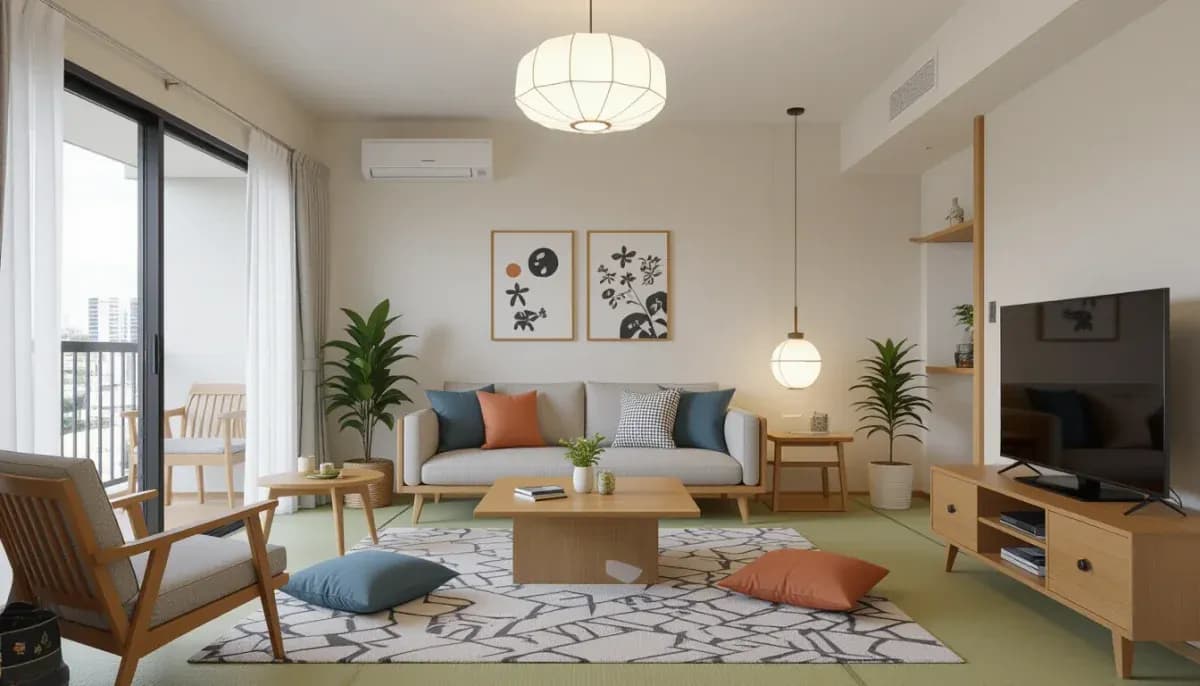
Complete guide to setting up and furnishing a minpaku short-term rental property in Japan. Covers legal requirements, mandatory furnishings, city restrictions, registration steps, and financial realities for foreign owners.
Read more →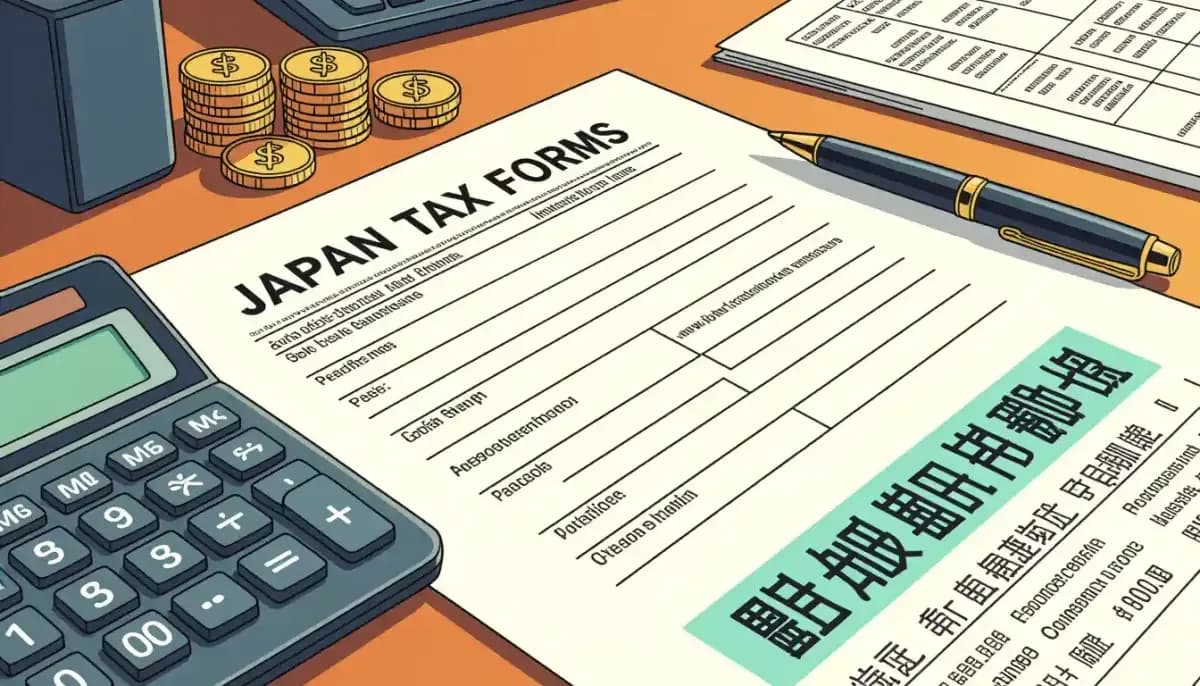
Complete guide to tax obligations for minpaku (short-term rental) operators in Japan. Covers income tax rates, deductible expenses, non-resident rules, local taxes, and filing requirements for foreign property owners.
Read more →
Learn how Special Zone Minpaku (Tokku Minpaku) works in Japan. Covers eligible zones, certification process, stay rules, and whether foreign owners can operate year-round Airbnb properties.
Read more →
How much can you earn from Airbnb in Japan? Detailed revenue analysis by city: Tokyo earns ¥6.3M/year, Osaka ¥4.4M/year. Income projections, cost breakdowns, and ROI data for foreign owners.
Read more →
Compare Japan's Ryokan/Hotel Business License and Minpaku Law for short-term rentals. Learn requirements, costs, operating day limits, and which license suits foreign property investors.
Read more →
Discover the best locations for Airbnb investment in Japan — from Osaka's special zone to Hakone and Hakuba resorts. Compare yields, daily rates, occupancy data, and regulations for foreign investors.
Read more →
Learn how to hire a licensed minpaku management company in Japan. Covers legal requirements for foreign owners, services, fees, city regulations, and how to choose the right partner for your short-term rental property.
Read more →
Understand Japan's 180-day minpaku rule: how it works, local restrictions that cut it further, legal workarounds like hotel licenses and special zones, and what it means for your investment returns.
Read more →
Complete step-by-step guide to the minpaku registration process in Japan for foreigners. Documents needed, fire safety, neighbor notification, costs, and ongoing compliance explained.
Read more →
A complete guide to starting an Airbnb (minpaku) business in Japan as a foreigner. Learn the license types, registration steps, costs, income potential, and how non-residents can legally operate short-term rentals in Japan.
Read more →
Understand Japan's Minpaku Law (Private Lodging Business Act): 180-day rule, registration requirements, foreign owner rules, condominium restrictions, and penalties. Updated 2025.
Read more →