
Japan Akiya Subsidy and Grant Programs for Buyers

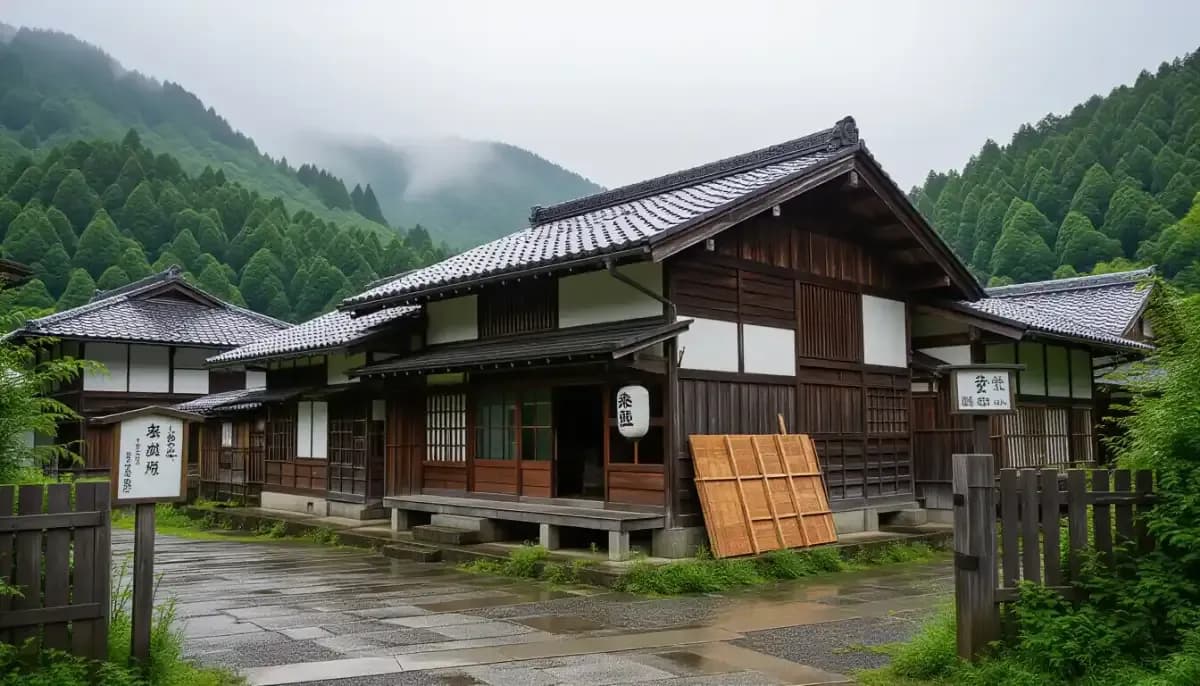
Complete guide to Japan akiya subsidy and grant programs for foreign buyers in 2025. Learn renovation grants up to 2 million yen, relocation incentives, eligibility requirements for foreigners, and how to apply before renovations begin.
Japan Akiya Subsidy and Grant Programs for Buyers: Complete 2025 Guide
Japan's countryside is dotted with millions of empty, aging homes known as akiya (空き家). As of October 2023, Japan recorded 9.375 million vacant dwellings — a record-breaking 13.8% of all housing stock — and projections suggest that figure could climb to 30% by 2033. To slow this trend, national and local governments have introduced a growing range of subsidies, grants, and incentive programs designed to attract buyers, especially those willing to relocate to depopulating rural areas.
For foreigners interested in purchasing property in Japan, these programs represent a remarkable opportunity. Prices are low, support is available, and eligibility is broader than many assume. This guide explains what subsidies exist, who qualifies, how to apply, and what to watch out for.
What Is the Akiya Crisis and Why Do Subsidies Exist?
Japan's postwar baby boom produced a massive wave of new housing construction that has far outlasted demand. As younger generations migrate to Tokyo, Osaka, and other urban centers, smaller towns and rural prefectures are left with aging populations and empty homes. Many of these properties are structurally sound but cosmetically dated — and the owners, often elderly or deceased, have no one to pass them on to.
The Japanese government at both the national and municipal level has recognized that vacant homes lead to:
- Neighborhood decay and reduced land values
- Safety hazards from deteriorating structures
- Reduced tax revenue for local governments
- Loss of community vitality in rural areas
Subsidies exist because governments want buyers — they are paying you to take on a home they cannot sell, maintain, or demolish at scale. For the right buyer, this creates genuine economic opportunity.
For more background on akiya properties and how to find them, see our full guide: Akiya: Vacant and Abandoned Houses in Japan for Foreigners.
Types of Akiya Subsidies and Grants Available
1. Renovation and Repair Subsidies
The most common type of akiya incentive is a renovation subsidy — a direct cash grant to help offset the cost of repairing or upgrading a vacant property. These are administered at the municipal level and vary widely by location.
| Subsidy Type | Typical Range | Notes |
|---|---|---|
| General renovation grant | ¥500,000 – ¥1,000,000 | For structural, interior, or safety repairs |
| Earthquake retrofitting subsidy | ¥1,000,000 – ¥3,000,000 | Up to 50% of eligible costs |
| Akiya bank renovation support | ¥500,000 – ¥2,000,000 | For properties listed through official akiya banks |
| Eco/energy-efficiency renovation | ¥300,000 – ¥800,000 | Solar panels, insulation, heat pumps |
| Cultural preservation grants | Varies | Primarily for kominka and machiya in historic areas |
Municipalities with particularly strong programs include:
- Wakayama (Kumano Kodo area) — up to ¥2,000,000 for akiya revival, including guesthouse conversions
- Yusuhara, Kochi — up to ¥1,000,000 for eco-architecture renovations
- Otari, Nagano — ¥500,000+ for rural revitalization
- Ureshino, Saga — up to ¥1,000,000 for renovation and community integration
- Kyoto — cultural preservation grants for traditional machiya townhouses
See Grants and Subsidies for Renovating Old Homes in Japan (2025) for a detailed breakdown by region.
2. Relocation Incentive Payments
Several national and prefectural programs offer direct cash payments to individuals and families who relocate from urban areas to rural municipalities. These are not limited to akiya buyers — but akiya purchases are a common qualifying pathway.
Tokyo Metropolitan Area Relocation Grant:
- Individuals relocating from the Tokyo 23 Wards or Greater Tokyo Metro Area: up to ¥600,000
- Families: up to ¥1,000,000
- Additional ¥2,000,000 startup bonus for those launching a business in the destination municipality
- Foreign residents are explicitly eligible if they meet all other conditions
Regional Prefectural Programs: Many prefectures layer additional incentives on top of national grants. Shimane, Tottori, Kochi, and Akita — among Japan's most depopulated prefectures — are known for especially generous relocation packages.
Learn more at Subsidies to Move from Tokyo to the Japanese Countryside.
3. Land Purchase Support and Discounted Sales
Some municipalities offer deeply discounted land or property prices through their local akiya banks, rather than cash grants. Homes may be listed for as little as ¥100,000–¥500,000, with municipal support for registration fees and legal costs. A small number of municipalities have even offered free land to families who commit to building and residing there for a set period.
4. Business Conversion Grants
Foreigners who purchase akiya with the intent to convert them into guesthouses (minpaku), cafes, offices, or community spaces may qualify for commercial conversion grants in many municipalities. This can be especially valuable in tourist corridors such as the Kumano Kodo region, Kyushu's rural onsen towns, and parts of Shikoku.
Who Is Eligible? Foreigners and Akiya Subsidies
One of the most common questions from foreign buyers is: Can foreigners actually receive these subsidies?
The answer is yes, in most cases — with conditions.
General Eligibility Requirements
- Valid long-term visa or permanent residency — Tourist visas and short-stay statuses do not qualify. Most programs require a resident card and an established juuminhyo (resident record).
- Registered juuminhyo at the property address — You must actually move in and register your address at the akiya you purchased. Rental or investment-only purchases typically do not qualify.
- Japanese citizenship is NOT required — Nationality is not a standard criterion. Programs focus on residency status and the commitment to live in the community.
- Commitment to full-time residency — Many municipalities require you to live there for a minimum period (commonly 5–10 years). Selling within this window may require repayment of the grant.
- Application filed BEFORE renovation begins — This is the most commonly missed rule. Retroactive subsidy applications are almost never accepted. You must apply and receive approval before any work starts.
For more on visa and residency requirements in the context of property ownership, see: Visa and Residency Considerations for Property Buyers in Japan.
How to Find and Apply for Akiya Subsidies
Step 1: Identify Your Target Municipality
Subsidies are local — there is no single national database. Your first task is to decide which region or prefecture you want to live in. Once you have a shortlist, contact the local municipal office (yakuba) or search their official website for akiya renovation support programs.
The Akiya Banks for Foreigners guide on MailMate is a useful starting point for identifying municipalities with active programs.
Step 2: Register Through the Akiya Bank
Most subsidized properties are listed through an official akiya bank — a registry maintained by the local government. Registering as a buyer with the akiya bank is often a prerequisite for accessing subsidies. This process is typically free. Some municipalities offer bilingual assistance for foreigners.
Step 3: Find a Qualifying Property
Not all akiya properties qualify for all subsidies. The municipal office or akiya bank coordinator will clarify which listed properties are eligible. In some cases, you must also use municipal-approved contractors for renovation work.
Step 4: Submit Your Application Before Work Begins
Applications typically require:
- Proof of purchase (or intent to purchase)
- Renovation plan and cost estimate from a licensed contractor
- Proof of residency registration or intent
- Tax certificate showing no outstanding obligations
- Passport and residence card copy (for foreign applicants)
Applications are usually processed in 4–8 weeks. Approval letters must be in hand before any renovation begins.
Step 5: Complete Renovation and Submit Final Documentation
Once renovation is complete, you submit the final invoice and inspection report. Subsidy payments are disbursed after verification, typically as a lump sum.
Key Challenges for Foreign Buyers
While subsidies are accessible to foreigners, several practical barriers remain:
Language: The vast majority of subsidy programs operate entirely in Japanese. Applications, contractor agreements, and municipal communications are almost always Japanese-only. A bilingual real estate agent or administrative support service is strongly recommended.
Bureaucratic complexity: Multiple subsidies (national + prefectural + municipal) may overlap but require separate applications with different deadlines and documentation requirements.
Contractor restrictions: Some municipalities require you to use local, registered contractors for subsidized work. This can limit flexibility and increase costs in areas with few qualified workers.
Residency commitment: If you plan to use the property only part-time or as a vacation home, most direct cash grants will not apply to you. Investment buyers without residency are generally ineligible.
For a broader look at the costs and challenges of akiya ownership, see: Home Renovation and Remodeling in Japan for Foreign Owners.
Akiya vs. Standard Property: Cost Comparison
Akiya properties with grant support offer a fundamentally different value equation compared to standard real estate. Here is how they compare:
| Factor | Standard Used Property | Subsidized Akiya |
|---|---|---|
| Purchase price | Market rate | Below market, sometimes near zero |
| Renovation cost | Buyer pays 100% | Subsidized 30–50% or more |
| Location | Urban and suburban available | Primarily rural and semi-rural |
| Availability | Competitive market | Less competition, more choice |
| Language barrier | Moderate | High — municipal process is Japanese |
| Residency requirement | None | Usually required for subsidies |
| Long-term hold requirement | None | Often 5–10 years for grant recipients |
| Foreign buyer eligibility | High | High, with valid residency status |
For a full comparison of property types in Japan, see: New Construction vs. Used Properties in Japan.
Resources for Akiya Buyers
These resources can help you navigate subsidy research and akiya purchases:
- Living in Nihon — Guides for foreigners living and owning property in Japan: livinginnihon.com
- For Work in Japan — Information for expats navigating Japanese employment and residency: forworkinjapan.com
- Gaijin Buy House — English-language resource specifically for foreigners buying property in Japan: gaijinbuyhouse.com
- Old Houses Japan — Specialist guide for rural and traditional property renovation: Old Houses Japan
- AkiyaHub — Statistics and trends on Japan's vacant home crisis: AkiyaHub
Final Thoughts
Japan's akiya subsidy ecosystem is genuinely one of the world's most accessible government-backed property incentive programs for foreign buyers. The combination of low purchase prices, renovation grants, relocation payments, and long-term residency support means that the total cost of acquiring and restoring a rural Japanese home can be significantly offset by public funding.
The key to success is doing your homework before you buy — identifying the right municipality, confirming eligibility before purchase, and always applying for subsidies before renovation work begins. With the right preparation, a foreigner on a long-term visa can access the same programs as a Japanese citizen.
If you are just starting your Japan property journey, begin with our foundational guide: Complete Guide to Buying Property in Japan as a Foreigner.

Originally from Vietnam, living in Japan for 16+ years. Graduated from Nagoya University, with 11 years of professional experience at Japanese and international companies. Sharing information about buying property in Japan for foreigners.
View Profile →Related Articles

Akiya Near Tokyo: Accessible Vacant Houses for Commuters
Find affordable akiya (vacant houses) within commuting distance of Tokyo. Covers best rail corridors in Saitama, Chiba, Kanagawa, Ibaraki, government subsidies, and tips for foreign buyers.
Read more →
Can You Turn an Akiya into a Rental Property in Japan?
Foreigners can convert akiya (vacant Japanese homes) into rental properties. Learn the legal requirements, rental models, renovation costs, and tax rules for akiya rental investment in Japan.
Read more →
Kominka (Traditional Farmhouse) Akiya: Buying and Renovating
Complete guide to buying and renovating a kominka (traditional Japanese farmhouse) as a foreigner. Covers costs, subsidies, finding properties, renovation tips, and the buying process.
Read more →
Akiya Success Stories: Foreigners Who Bought Vacant Houses in Japan
Real success stories of foreigners who successfully bought akiya (vacant houses) in Japan. Learn what they paid, how they did it, and how to replicate their success with practical tips and lessons learned.
Read more →
Foreign Buyer Akiya Purchase Process Step by Step
Complete step-by-step guide to buying an akiya (vacant house) in Japan as a foreign buyer. Covers property search, due diligence, contracts, payment, title registration, and mandatory reporting requirements.
Read more →
Akiya Legal Issues and Title Problems to Watch Out For
Discover the critical akiya legal issues and title problems foreign buyers face in Japan: unregistered ownership, multiple heirs, zoning problems, and new 2024-2025 laws. Essential due diligence guide.
Read more →