Insurance for Property Owners in Japan: Complete Guide
Owning property in Japan comes with significant responsibilities — and one of the most important is securing the right insurance coverage. Japan is one of the most disaster-prone countries in the world, regularly facing earthquakes, typhoons, tsunamis, and flooding. Without adequate insurance, a single natural disaster could result in devastating financial losses for property owners, especially foreigners who may be less familiar with Japan's insurance system.
This complete guide explains every type of insurance property owners in Japan need, how coverage works, what it costs, and how foreigners can navigate the application process — even from overseas.
Why Property Insurance Is Essential in Japan
Japan experiences approximately 20% of the world's major earthquakes despite covering less than 1% of the Earth's surface. The country also sits in the Pacific typhoon belt, with severe storms causing billions of yen in property damage each year. In 2024 alone, the Noto Peninsula earthquake caused approximately $2 billion in insured losses, and a Hyogo Prefecture hailstorm added another $935 million.
Despite these risks, only around 35% of Japanese households carry earthquake insurance — a sobering statistic that leaves the majority of property owners financially exposed. For foreign investors and residents, understanding Japan's insurance landscape is critical before completing any property purchase.
While property insurance is not legally mandatory in Japan, it is:
- Required by most mortgage lenders (fire insurance is a loan condition)
- Strongly recommended given Japan's high natural disaster frequency
- Relatively affordable compared to the potential losses from an uninsured disaster
For anyone buying property in Japan as a foreigner, insurance should be factored into your total ownership cost from day one.
Types of Property Insurance in Japan
Japan's property insurance system is modular — there is no single "all-in-one" policy. Instead, property owners combine different coverage types based on their needs and risk profile.
Fire Insurance (火災保険 / Kasai Hoken)
Despite its name, fire insurance (kasai hoken) covers far more than just fire damage. It is the foundational property insurance in Japan and typically covers:
- Fire and explosions
- Lightning strikes
- Typhoon and windstorm damage
- Flooding and water damage (with water disaster rider)
- Snow and ice damage
- Water leaks from pipes or neighboring units
- Theft and break-ins
- Accidental damage
Fire insurance also provides two coverage categories: building coverage (the physical structure) and household contents coverage (your belongings inside). You can purchase these together or separately.
What fire insurance does NOT cover:
- Earthquake damage (this is a critical exclusion)
- Tsunami damage
- Volcanic eruption damage
- Landslides and mudslides (unless a rider is purchased)
Earthquake Insurance (地震保険 / Jishin Hoken)
Earthquake insurance is the most important add-on for property owners in Japan, yet it is frequently overlooked. Key facts:
- Cannot be purchased independently — it must be added to a fire insurance policy
- Covers earthquakes, tsunamis, and volcanic eruptions
- Coverage cap: You can insure 30–50% of your fire insurance coverage amount
- Up to ¥50 million for the building - Up to ¥10 million for household contents
- Government-backed: Japan's earthquake insurance is a public-private partnership with the government guaranteeing payouts beyond insurer capacity
Earthquake insurance claims are assessed in four tiers:
- Total Loss: 100% payout
- Major Half Loss: 60% payout
- Half Loss: 30% payout
- Partial Loss: 5% payout
Household Contents Insurance
Separate from building coverage, contents insurance protects your personal belongings — furniture, electronics, clothing, artwork, and more. This is particularly important for property owners who rent out furnished units or have valuable possessions.
Liability Insurance
Liability coverage protects you if you accidentally cause damage to neighbors or third parties. This is especially relevant for:
- Landlords with rental properties
- Condo owners whose water leaks damage lower-floor neighbors
- Property owners with aging infrastructure
For more on the ongoing costs of property ownership, see our guide to property taxes and annual costs in Japan.
How Much Does Property Insurance Cost in Japan?
Insurance premiums in Japan vary significantly based on property type, location, building structure, and coverage level. Costs have been rising sharply — fire insurance premiums were forecast to increase 30–35% in 2025 following a surge in natural disaster claims and rising construction/repair costs.
Annual Premium Cost Table
| Coverage Type | Property Type | Annual Cost (Approx.) |
|---|
| Fire Insurance | 60m² concrete apartment (Tokyo) | ¥20,000–¥30,000 |
| Fire Insurance | 100m² wooden house (rural) | ¥35,000–¥55,000 |
| Fire Insurance | 120m² concrete house (urban) | ¥30,000–¥48,000 |
| Earthquake Add-on | Low-risk zone | ¥7,300–¥15,000 |
| Earthquake Add-on | High-risk zone (Tokyo, etc.) | ¥20,000–¥32,600 |
| Contents Insurance | Standard apartment | From ¥2,500 |
| Full Coverage Bundle | Typical home | ¥20,000–¥50,000 |
Note: Ministry of Finance data shows minimum earthquake insurance costs around ¥6,500/year and maximum around ¥32,600/year depending on prefecture and building type.
Building Structure Classification
Japan's insurers classify buildings into three categories that directly affect your premiums:
- M-Structure (マンション構造): Condominiums and reinforced concrete buildings — lowest premiums
- T-Structure (耐火構造): Fire-resistant homes (steel frame, etc.) — moderate premiums
- H-Structure (木造): Wooden frame houses — highest premiums (can be 2–3x more than M-structure)
This classification makes wooden traditional homes (including akiya vacant houses) significantly more expensive to insure than modern condos. If you are buying rural or countryside property in Japan, factor this into your budget.
How to Apply for Property Insurance in Japan as a Foreigner
Foreigners can absolutely purchase property insurance in Japan, but the process has some unique requirements and challenges.
Requirements for Foreign Applicants
- Valid Residence Card (在留カード): Required for residents applying directly
- Japanese bank account: For premium payments
- Japanese address: Insurance policies must be linked to the insured property
- Japanese phone number: Required by most insurers
- Domestic emergency contact: Some insurers require a local contact
For non-residents (overseas investors), options include:
- Hiring a legally authorized representative (代理人) to manage enrollment and claims
- Using a bilingual property management company that handles insurance on your behalf
- Selecting English-supporting insurers such as Tokio Marine, Sompo Japan, or AIG Japan
Processing typically takes 1–3 weeks from application to policy activation.
Major Insurance Providers with English Support
Several major Japanese insurers offer English-language services:
- Tokio Marine & Nichido: Widely available, English support available
- Sompo Japan: English-language documentation and customer service
- AIG Japan: International coverage options, English support
- MS&AD Insurance Group: Multi-policy options
For a detailed walkthrough of the entire home-buying process, see Step-by-Step Home Buying Process in Japan for Foreigners.
Special Considerations for Different Property Types
Condominiums (Maisons/Mansions)
Condo owners have two layers of insurance to consider:
- Building insurance — typically managed by the condo association (管理組合) for the common areas and building structure
- Unit owner's insurance — your responsibility for your individual unit's interior and contents
When buying a condo, always ask the management association what building-level insurance is already in place. You may still need to purchase separate insurance for your unit's interior fittings and belongings.
Older Properties and Akiya Houses
Older wooden structures (especially pre-1981 earthquake code properties) face higher premiums and sometimes rejection from standard insurers. For akiya (vacant homes) and traditional properties:
- Seek specialized insurers who cover older structures
- An existing home warranty inspection (既存住宅売買瑕疵保険) can make the property more insurable
- New homes include a 10-year defect warranty (瑕疵担保責任); used homes can extend protection with warranty insurance for up to 5 years
Investment Properties and Rentals
Landlords need additional coverage beyond standard fire insurance:
- Liability coverage for tenant injuries on the property
- Rent loss insurance if the property becomes uninhabitable after a disaster
- Some policies cover legal expenses if disputes arise with tenants
For a complete picture of hidden costs and fees when buying property in Japan, insurance premiums should always be included in your financial planning.
Understanding Coverage Limitations
Japan's property insurance system has several important limitations that every owner should understand:
The Earthquake Insurance Cap Problem
Because earthquake insurance is capped at 30–50% of your fire insurance value, you will never receive full replacement value from an earthquake claim. This means:
- A ¥30 million home with ¥15 million in fire coverage → maximum earthquake coverage of ¥7.5 million
- Always factor in your ability to cover remaining repair/rebuild costs out of pocket or through savings
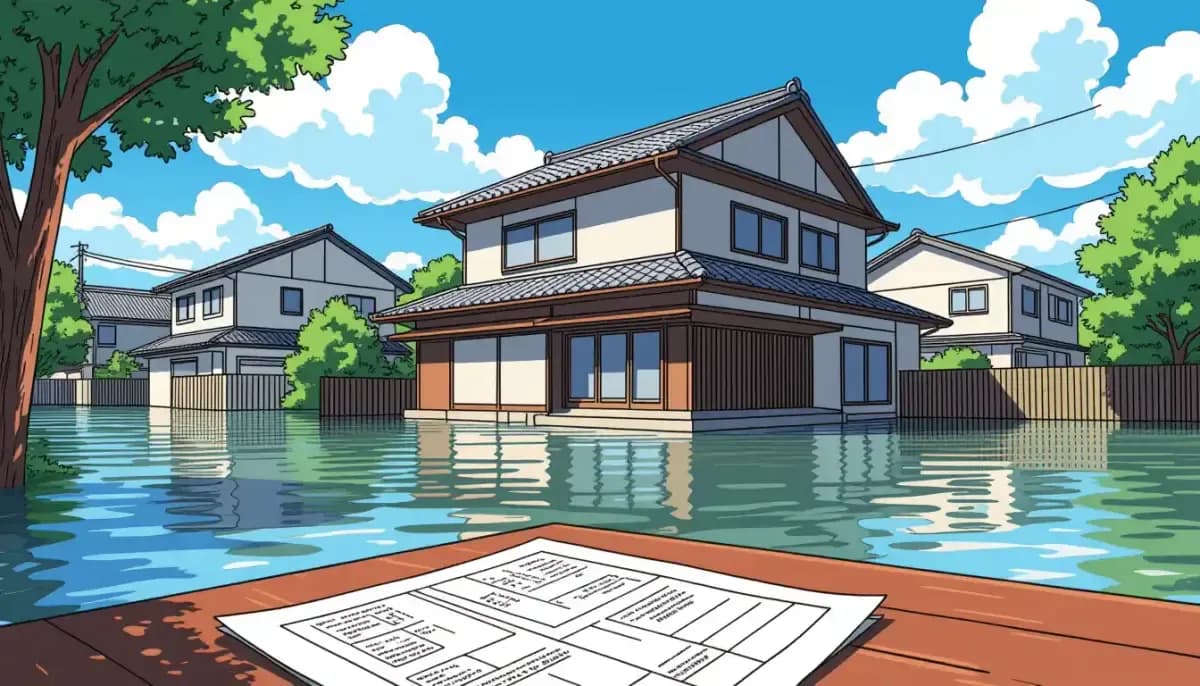
Flood Coverage Thresholds
For flood damage payouts, most insurers require:
- Flooding at least 45 centimeters above ground or floor level
- Property/contents damage of at least 30% of replacement value
Minor flooding that doesn't meet these thresholds may not trigger a payout.
Review Your Policy Term
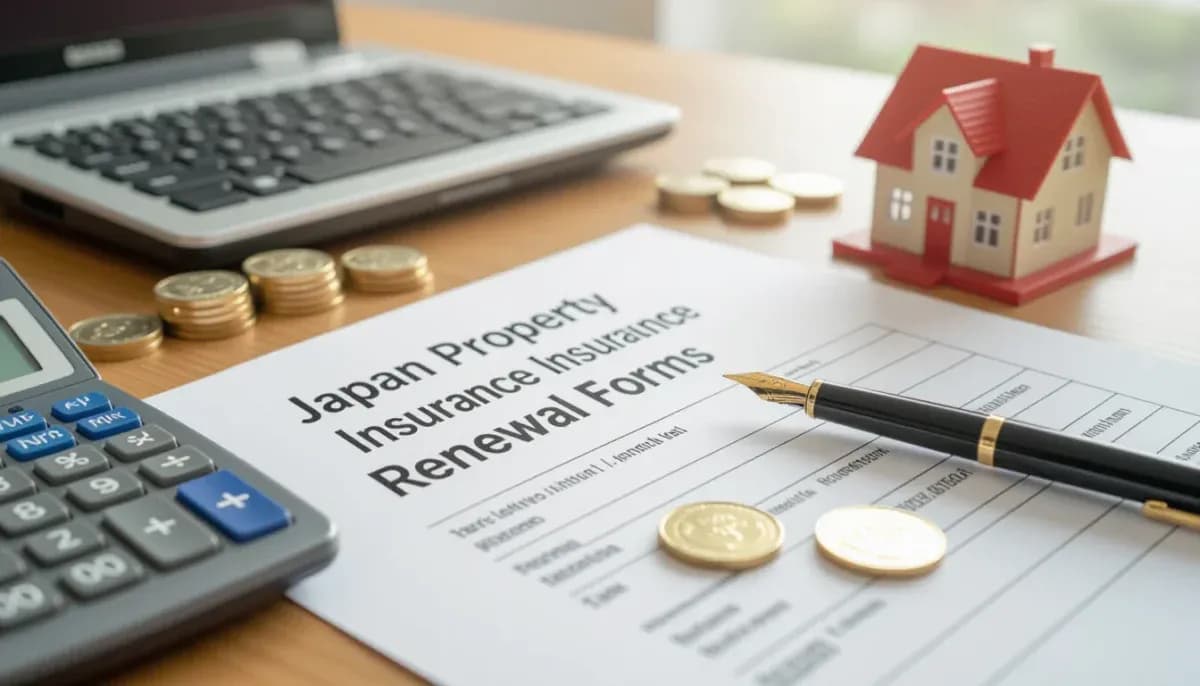
Starting September 2025, new earthquake insurance policies must match the fire insurance policy term exactly — the old auto-renewal option has been eliminated. Always review your policy terms at renewal and compare market rates, especially given the rapid premium increases in recent years.
Tips for Getting the Best Property Insurance Coverage
- Bundle fire + earthquake insurance from the same provider for simplicity and potential discounts
- Don't over-insure — insure for replacement value, not market value (land cannot burn)
- Match your coverage to your property type — wooden houses need more comprehensive coverage
- Consider regional risks — Tokyo, Osaka, and coastal areas need stronger earthquake and flood coverage
- Ask about multi-year discounts — paying for multiple years upfront can reduce total premiums
- Get bilingual help — Gaijin Buy House has a detailed guide on the home insurance and warranty system for foreigners
- Document your belongings — keep a digital inventory with photos for contents insurance claims
- Review annually — premiums are rising; shop around at each renewal
For more on financing your Japanese property purchase, including the interplay between mortgage requirements and insurance, see our complete mortgage guide for foreigners in Japan.
Additional Resources for Property Owners
Navigating Japan's insurance landscape is complex, particularly for non-Japanese speakers. Here are some excellent resources:
Conclusion
Property insurance in Japan is not a one-size-fits-all product — it requires careful consideration of your property type, location, risk exposure, and budget. The most critical takeaway for any property owner in Japan is this: fire insurance alone is not enough. Given Japan's seismic activity, earthquake insurance is essential, even though it only covers a fraction of your property's value.
For foreign property owners, the good news is that Japan's insurance system is accessible with the right preparation. English-language support is available, and professional bilingual representatives can manage the entire process on your behalf.
As you plan your property purchase, make sure insurance costs are included in your budget from day one. Combined annual premiums of ¥20,000–¥50,000 for a typical home are a small price to pay for the financial security that comes with comprehensive coverage in one of the world's most disaster-prone countries.
For more essential guidance on owning property in Japan, explore our complete guide: Complete Guide to Buying Property in Japan as a Foreigner.