
Akiya Property Inspection Checklist: What to Look For

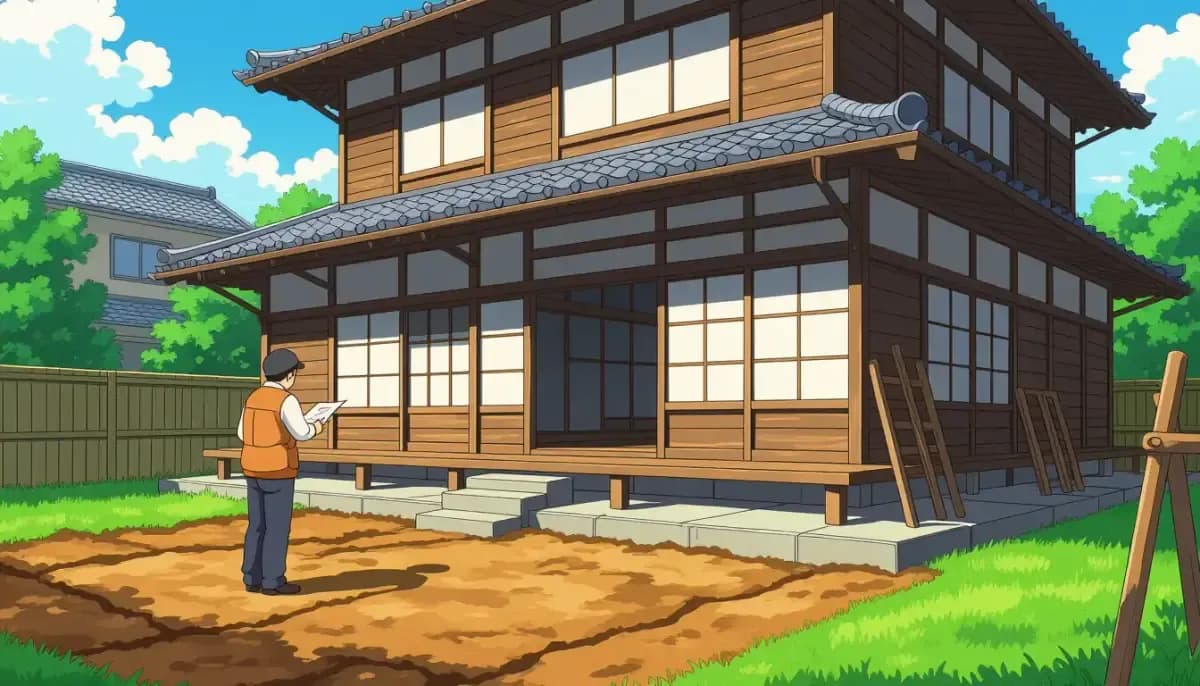
Your complete akiya property inspection checklist for buying vacant and abandoned houses in Japan. Learn what structural issues, pests, and hidden costs to check before making an offer.
Akiya Property Inspection Checklist: What to Look For
Buying an akiya — Japan's millions of vacant and abandoned houses — can be one of the most rewarding real estate decisions you make. Prices can be astonishingly low, sometimes even free, and the opportunity to own a traditional Japanese home in the countryside or a quiet provincial town is genuinely unique. But the low price tag often reflects decades of neglect, deferred maintenance, and hidden structural problems that can turn a dream purchase into a costly nightmare.
This akiya property inspection checklist is your practical guide to evaluating a vacant Japanese house before you commit. Whether you are doing a preliminary walkthrough yourself or preparing for a professional inspection, knowing what to look for gives you negotiating power, helps you avoid costly surprises, and ensures you make an informed decision. Use this guide alongside guidance from professionals and resources like the Gaijin Buy House property viewing checklist for a thorough assessment.
Why Akiya Inspections Are Different from Standard Property Checks
An akiya is not just a "used house." It is typically a property that has sat unoccupied for months, years, or even decades. Vacancy accelerates deterioration in ways that regular habitation would prevent. Moisture builds up without ventilation, pests establish colonies undisturbed, wooden structures rot, and plumbing corrodes. In Japan's climate — humid summers, cold winters, frequent earthquakes — an uninhabited house ages fast.
Standard property checks in Japan assess a functioning home. An akiya inspection must go further, looking for the compounding damage caused by abandonment. You should budget accordingly: a professional home inspection (住宅診断, jutaku shindan) in Japan typically costs ¥500,000–¥1 million, but this is money well spent as protection against repair costs that could reach tens of millions of yen.
For a broader overview of what buying akiya involves, see our full guide on akiya and vacant houses in Japan for foreigners.
Step 1: Foundation and Structural Frame (基礎・構造)
The foundation is the most critical element. Structural repairs are the most expensive and sometimes impossible without full demolition and rebuild.
What to check:
- Foundation cracks: Look for cracks wider than 0.3mm on the concrete foundation. Hairline cracks are normal; wide, diagonal, or offset cracks indicate settling or subsidence.
- Foundation type: Older akiya may have a simple stone or rubble foundation (布基礎) rather than a reinforced concrete slab. This requires careful seismic assessment.
- Post and beam frame: Japanese traditional homes use a post-and-beam (軸組) system. Check every visible wooden post for rot, insect damage, and lean. Press a screwdriver firmly into the base of posts — if it sinks easily, the wood is rotten.
- Floor levelness: Place a marble or use a smartphone level app. A floor that slopes more than 3/1000 (3mm per meter) suggests structural movement.
- Crawl space (床下): Many Japanese houses have accessible crawl spaces beneath the floor. If you can access it safely, look for moisture damage, rot, pest evidence, and foundation condition.
Earthquake resistance (耐震性):
- Properties built before June 1981 were constructed under the old seismic code (旧耐震基準). These may not survive a major earthquake without seismic retrofitting.
- Properties built after June 1981 meet the "new earthquake standards" (新耐震基準), which require structures to withstand a magnitude 7 earthquake.
- Seismic retrofitting costs ¥1–3 million for a standard house, but can be much higher for heavily deteriorated structures.
Step 2: Roof and Exterior Envelope (屋根・外壁)
The roof is your primary defense against water infiltration. Water is the single greatest enemy of a wooden Japanese house.
Roof inspection:
- Roof material: Traditional Japanese roofs use clay tiles (瓦, kawara). Check for cracked, missing, or shifted tiles, especially along ridges. Look for moss and vegetation growth, which indicates moisture retention.
- Metal roofing: Some older homes use corrugated metal sheets. Check for rust, holes, and poor seams.
- Roof shape and drainage: Complex roof shapes with many valleys collect leaves and debris, leading to blocked gutters and water penetration. Inspect gutters for integrity and proper slope.
- Fascia boards and eaves: Rot here usually indicates chronic moisture issues beneath the roof.
Exterior walls:
- Look for cracks in plaster or mortar, particularly diagonal cracks near corners and window frames, which indicate structural movement.
- Wooden cladding (下見板) should be solid, not soft or discolored with rot.
- Check the junction between the wall and foundation for gaps or moisture staining.
- Moss or dark staining on walls indicates water is not draining properly.
Step 3: Interior Inspection (室内)
Once inside, work systematically from room to room, checking walls, ceilings, floors, and built-in features.
Walls and ceilings:
- Water stains (yellowish-brown rings or streaks) on ceilings indicate past or ongoing roof leaks.
- Check plaster walls for delamination — press lightly and listen for a hollow sound.
- Mold (black or green spots) in corners or behind furniture positions indicates chronic humidity problems.
Floors:
- Walk every floor area carefully. Soft, springy spots (特にキッチン・浴室周辺) around kitchens and bathrooms indicate subfloor rot.
- Traditional tatami rooms: Lift a corner of the tatami mat to inspect the subfloor for moisture and pests.
- Check the junction between floor and wall for gaps caused by structural movement.
Doors and windows:
- Open every door and window. If they stick badly or won't close, this can indicate foundation settling or structural racking from earthquakes.
- Check window frames (especially older aluminum frames) for condensation damage on surrounding walls and floors.
For a comprehensive guide on assessing used properties and renovation needs, see this resource on used property and renovation in Japan.
Step 4: Water, Plumbing, and Drainage (給排水・排水)
Water systems in long-vacant properties are particularly vulnerable. Pipes corrode, seals dry out, and drainage systems can collapse.
Water supply:
- Turn on every tap and check water pressure. Low pressure across all taps may indicate a supply line problem.
- In rural areas, determine whether the property is connected to city water (水道) or uses a private well (井戸). Well water requires testing for potability.
- Check the water meter location and confirm service is active or can be reconnected.
- Inspect the water heater (給湯器). Units more than 10 years old typically need replacement. A new gas water heater costs ¥100,000–¥300,000 installed.
Drainage and sewage:
- Run water in every drain and check that it flows away freely. Blocked drains can indicate collapsed pipes underground.
- Determine whether the property connects to public sewage (下水道) or uses a septic tank (浄化槽). Many rural akiya rely on septic systems that may be aged or non-functional.
- Installing a new septic system costs ¥1.5–2.5 million — a significant hidden cost for rural properties.
- Check for sewer smell inside the house, which indicates drain traps have dried out or broken.
Bathroom and kitchen:
- Test toilet flushing and check for leaks at the base.
- Check the bathtub unit (unit bath / ユニットバス). Japanese unit baths have sealed floors; look for grout cracking or sealant failure that allows water penetration.
Step 5: Electrical Systems (電気設備)
Older Japanese homes, particularly akiya built before the 1970s, may have severely outdated electrical systems that pose fire hazards.
What to check:
- Breaker panel (分電盤): Locate and inspect the distribution panel. Old properties may have a 30A or 40A service, insufficient for modern appliances. Upgrading to 60A or 100A service is common in renovations.
- Wiring: Pre-1960s homes may still have knob-and-tube or rubberized wiring that is a fire risk. Any rewiring is typically required before occupancy.
- Outlets and switches: Check for cracked, discolored, or charred outlets, which indicate overloading or arcing.
- Air conditioning: Note whether air conditioning units are present and their age. Units over 10 years old usually need replacement. Check that outdoor units are not blocked or damaged.
- Lighting fixtures: Old fixtures may use non-standard bulb types or have corroded sockets.
A full electrical system upgrade in a Japanese house typically costs ¥500,000–¥1.5 million depending on house size.
Step 6: Pest Inspection — Termites and Rodents (害虫・害獣)
Japan has two major wood-destroying termite species: the Japanese subterranean termite (ヤマトシロアリ) and the Formosan subterranean termite (イエシロアリ). Both are common in wooden Japanese houses, especially in humid, vacant structures.
Signs of termite damage:
- Mud tubes (蟻道) on foundation walls, posts, or beams — narrow tunnels of soil that termites build as protected pathways.
- Hollow-sounding wood when tapped.
- Frass (termite droppings): small pellets near wood surfaces.
- Sagging floors or ceilings without obvious water damage can indicate termites consuming the structural wood.
Signs of rodent infestation:
- Gnaw marks on wood, wiring, and insulation.
- Droppings along walls and in crawl spaces.
- Nesting material (shredded paper, fabric) in walls or ceiling voids.
A professional termite inspection costs ¥20,000–¥50,000. Fumigation treatment for a whole house runs ¥300,000–¥800,000. For severe structural termite damage, repair costs can easily exceed the property purchase price.
Step 7: Debris, Belongings, and Disposal Costs (残置物・廃棄物)
One of the most overlooked costs in akiya purchases is the removal of items left behind by previous owners — furniture, appliances, clothing, personal items, and sometimes decades of accumulated household goods.
Key considerations:
- Clarify in writing during negotiations exactly what the seller will remove before settlement.
- If you inherit a full household of belongings, professional clearance (不用品回収) can cost ¥100,000–¥8 million depending on volume.
- Structural demolition waste (from renovation) is subject to strict Japanese regulations. Debris disposal from renovation costs ¥1–8 million due to regulated sorting and disposal of construction materials.
- Check for oil tanks, chemical drums, or agricultural chemicals on agricultural properties — these require specialized disposal.
For detailed information on all the additional costs involved in property purchases, see our guide on hidden costs and fees when buying property in Japan.
Akiya Inspection Cost Summary Table
| Inspection / Item | Estimated Cost | Notes |
|---|---|---|
| Professional home inspection (jutaku shindan) | ¥500,000–¥1,000,000 | Strongly recommended |
| Termite inspection | ¥20,000–¥50,000 | Separate specialist |
| Termite fumigation treatment | ¥300,000–¥800,000 | If infestation found |
| Seismic assessment | ¥100,000–¥300,000 | Pre-1981 buildings critical |
| Seismic retrofitting | ¥1,000,000–¥3,000,000+ | If upgrade needed |
| Septic system replacement (rural) | ¥1,500,000–¥2,500,000 | If no city sewage |
| Electrical system upgrade | ¥500,000–¥1,500,000 | Full rewiring |
| Debris/belongings disposal | ¥100,000–¥8,000,000 | Varies enormously |
| Renovation (full house) | ¥1,000,000–¥2,200,000 per m² | Detached house |
Essential Tools to Bring to an Akiya Inspection
You don't need specialized equipment for a preliminary inspection, but a few basic tools will help enormously:
- Smartphone: Camera, compass app, flashlight, and level app all in one
- Measuring tape (3m+): Check room dimensions and ceiling heights
- Flashlight: Inspect dark crawl spaces, attics, and under sinks
- Screwdriver: Probe wooden posts and beams for rot
- Marble or small ball: Roll on floors to check for slope
- Notebook: Record all observations with photos
When to Walk Away
Not every akiya is worth renovating. Be prepared to walk away if you find:
- Severe structural collapse: Sagging rooflines, leaning walls, or collapsed floor sections
- Extensive termite damage to major structural members: If load-bearing posts and beams are heavily damaged, the structure may be non-salvageable economically
- Asbestos-containing materials: Common in buildings from the 1960s–1980s. Asbestos removal requires specialist contractors and costs ¥500,000–¥2 million+
- Contaminated land: Check land use history, especially for former industrial or agricultural chemical storage
- Legal complications: Unclear title, multiple heirs, encumbrances, or structures that violate building codes and cannot be legalized
Our guide on common mistakes and scams to avoid when buying property in Japan covers additional red flags to watch for during the acquisition process.
Working with Professional Inspectors in Japan
For foreigners navigating the Japanese property market, a professional home inspector (ホームインスペクター) is invaluable. The Japan Association of Home Inspectors (日本ホームインスペクターズ協会) certifies qualified inspectors across Japan.
When hiring an inspector:
- Confirm they have experience with pre-1981 wooden buildings (older akiya)
- Ask if they can provide a written report in English or with English summary
- Request that the inspection covers the crawl space and roof space, not just the interior
For comprehensive guidance on working with real estate professionals in Japan, visit Living in Nihon's property buying guide and the For Work in Japan housing guide for additional context on property acquisition.
See also our guides on traditional Japanese houses (kominka and machiya) and home renovation and remodeling in Japan for what comes after a successful inspection.
Final Checklist Summary
Before making an offer on any akiya, confirm you have checked:
- [ ] Foundation condition and earthquake resistance rating
- [ ] Roof integrity and evidence of water infiltration
- [ ] Structural frame for rot, termite damage, and lean
- [ ] Floor levelness and subfloor condition
- [ ] Plumbing pressure, drainage, and sewage system type
- [ ] Electrical panel capacity and wiring age
- [ ] Signs of termite activity and rodent infestation
- [ ] Water staining and mold throughout interior
- [ ] Asbestos risk (pre-1980s buildings)
- [ ] Debris and belongings removal costs agreed in contract
- [ ] Professional inspection completed or scheduled
An akiya purchase done right is one of Japan's best real estate opportunities. Going in informed, with a thorough inspection and a realistic budget for renovation, is the key to turning an abandoned property into a genuine home.

Originally from Vietnam, living in Japan for 16+ years. Graduated from Nagoya University, with 11 years of professional experience at Japanese and international companies. Sharing information about buying property in Japan for foreigners.
View Profile →Related Articles
Akiya Near Tokyo: Accessible Vacant Houses for Commuters
Find affordable akiya (vacant houses) within commuting distance of Tokyo. Covers best rail corridors in Saitama, Chiba, Kanagawa, Ibaraki, government subsidies, and tips for foreign buyers.
Read more →
Can You Turn an Akiya into a Rental Property in Japan?
Foreigners can convert akiya (vacant Japanese homes) into rental properties. Learn the legal requirements, rental models, renovation costs, and tax rules for akiya rental investment in Japan.
Read more →
Kominka (Traditional Farmhouse) Akiya: Buying and Renovating
Complete guide to buying and renovating a kominka (traditional Japanese farmhouse) as a foreigner. Covers costs, subsidies, finding properties, renovation tips, and the buying process.
Read more →
Akiya Success Stories: Foreigners Who Bought Vacant Houses in Japan
Real success stories of foreigners who successfully bought akiya (vacant houses) in Japan. Learn what they paid, how they did it, and how to replicate their success with practical tips and lessons learned.
Read more →
Foreign Buyer Akiya Purchase Process Step by Step
Complete step-by-step guide to buying an akiya (vacant house) in Japan as a foreign buyer. Covers property search, due diligence, contracts, payment, title registration, and mandatory reporting requirements.
Read more →
Akiya Legal Issues and Title Problems to Watch Out For
Discover the critical akiya legal issues and title problems foreign buyers face in Japan: unregistered ownership, multiple heirs, zoning problems, and new 2024-2025 laws. Essential due diligence guide.
Read more →