
Buying an Akiya in Japan: Risks and Benefits for Foreigners

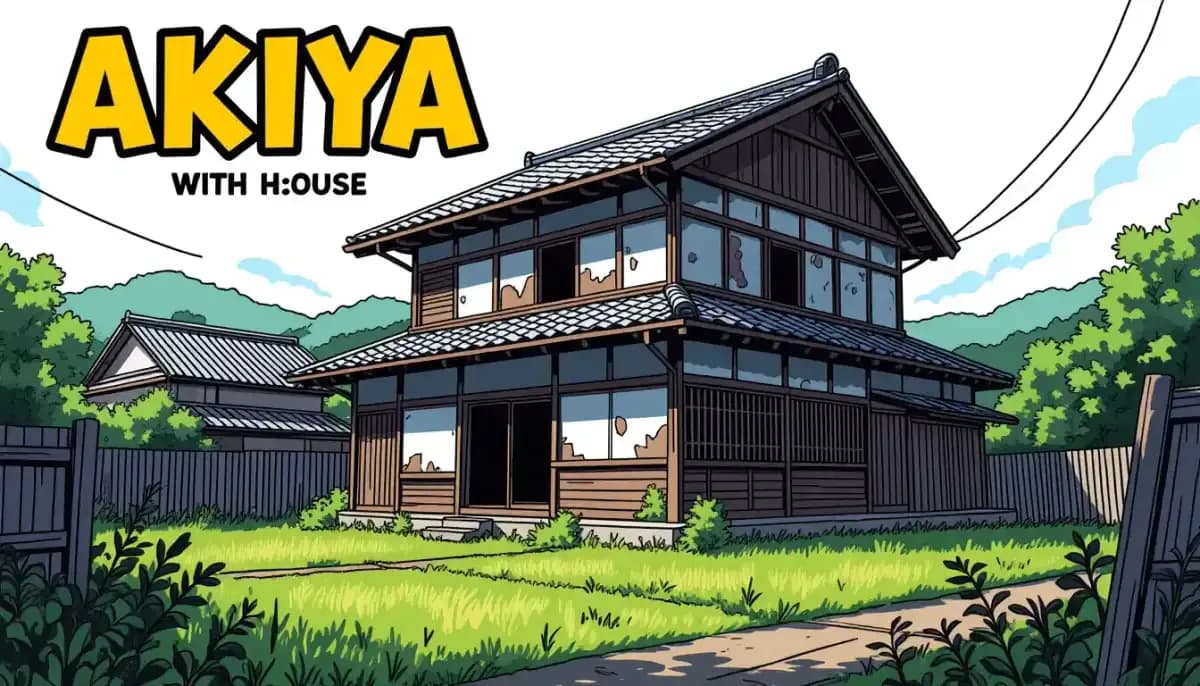
Thinking about buying an akiya in Japan? Discover the real risks and benefits for foreign buyers, including renovation costs, ownership issues, earthquake safety, and how to find the right property.
Buying an Akiya in Japan: Risks and Benefits for Foreigners
Japan's so-called "akiya" phenomenon has captured global attention: a country with over 9 million vacant homes offering properties at shockingly low prices — sometimes even listed for free. For foreigners dreaming of owning a traditional Japanese house in the countryside, the appeal is obvious. But behind those headline-grabbing price tags lies a far more complex reality. This guide breaks down the genuine risks and benefits of buying an akiya in Japan as a foreigner, so you can make an informed decision before taking the plunge.
What Is an Akiya and Why Does Japan Have So Many?
An akiya (空き家) literally means "empty house." These are residential properties that have been abandoned, left vacant for years, or simply sit unoccupied on the market. Japan currently has approximately 9 million akiya, representing around 13.8% of all residential properties in the country — double the number from 1993.
The root causes are deeply structural: Japan's aging population, decades of low birth rates, and rapid urbanization have created a massive imbalance between housing supply and demand in rural areas. When elderly homeowners pass away, their adult children — who have moved to cities for work — often have little interest in inheriting a deteriorating rural property. The result: entire villages with more abandoned houses than active residents.
The Nomura Research Institute projects that akiya could account for over 30% of all Japanese homes within the next decade, making this a problem that is only going to grow. For foreign buyers willing to navigate the challenges, this creates a window of opportunity.
For context on the broader property market in Japan, see our Complete Guide to Buying Property in Japan as a Foreigner.
The Benefits of Buying an Akiya in Japan
1. Dramatically Lower Purchase Prices
The most obvious appeal is price. Rural akiya typically list for ¥2 million to ¥6 million (roughly $13,000 to $40,000 USD). Some municipalities offer properties for ¥1 or even free to buyers who commit to renovating and living in the area. Even mid-range renovated akiya with modern amenities often come in well under $150,000 — a fraction of comparable properties in North America, Australia, or Western Europe.
For buyers priced out of their home markets, akiya offer a rare entry point into property ownership.
2. No Legal Restrictions for Foreigners
Foreigners can legally purchase akiya in Japan regardless of nationality or visa status. Japan imposes no special restrictions on foreign property ownership — you receive the same ownership rights as Japanese citizens. You do not need permanent residency or a special permit to buy.
This is a significant advantage compared to many countries that restrict foreign land ownership. Our article on Can Foreigners Buy Property in Japan? Legal Rights and Restrictions covers this in detail.
3. Cultural and Lifestyle Appeal
For many foreign buyers, the draw isn't purely financial. Traditional Japanese architecture — exposed timber beams, tatami rooms, engawa (veranda), and clay tile roofs — offers a living experience impossible to find elsewhere. Rural life in Japan comes with fresh air, access to nature, tight-knit communities, and a pace of life that stands in sharp contrast to urban environments.
Akiya buyers use their properties as weekend retreats, artist studios, remote work bases, guesthouses, or retirement homes. The cultural richness of living in an old Japanese farmhouse (minka) or a Showa-era townhouse can be deeply rewarding.
4. Government Subsidies and Revitalization Support
Many municipal governments actively want buyers for their akiya. To attract them, local governments offer renovation subsidies to buyers who commit to residing in the area. These subsidies are often available to foreigners as long as you have a registered address (juminhyo) in Japan. Some municipalities offer grants of ¥500,000 to ¥2 million or more to offset renovation costs.
Japan's national government has also set up akiya banks (空き家バンク) — online databases listing properties available for sale or rent — to streamline the process.
The Risks You Cannot Ignore
Hidden Renovation Costs
This is the single most important factor to understand. An akiya listed for ¥1 million is almost never truly a ¥1 million purchase. Many vacant homes have sat empty for 10, 20, or even 30 years. During that time, roofs leak, termites move in, plumbing deteriorates, and structural elements weaken.
Typical renovation costs include:
| Item | Estimated Cost (JPY) |
|---|---|
| Roof repair/replacement | ¥1M – ¥5M+ |
| Termite treatment | ¥200K – ¥800K |
| Earthquake retrofitting (pre-1981 homes) | ¥1M – ¥3M+ |
| Plumbing/electrical overhaul | ¥500K – ¥2M |
| Tatami replacement (per room) | ¥100K – ¥200K |
| Full interior renovation | ¥3M – ¥10M+ |
| Full modernization | ¥10M – ¥20M+ |
A home listed at ¥500,000 can realistically require ¥8–¥15 million in renovation work before it is comfortably livable by Western standards. Always conduct a thorough inspection and get contractor quotes before signing any purchase agreement.
Unclear Ownership and Title Problems
Unclear ownership is the most common deal-breaker for akiya purchases. In Japan, property inheritance is registered voluntarily (though new laws are changing this). When a homeowner dies, heirs may simply not bother to update the title registry. You may be buying from an estate with multiple heirs — scattered across Japan or even overseas — who all must legally agree to the sale.
Resolving title disputes requires a judicial scrivener (shiho shoshi) and can take months. In the worst cases, a property may be legally untransferable due to missing heirs or contested ownership. Always hire a licensed real estate agent and a judicial scrivener before proceeding.
Earthquake Safety Concerns
Japan is one of the most seismically active countries on earth. Homes built before 1981 were constructed under older, weaker earthquake resistance standards (the "Old Seismic Standards" or kyutateyou). Many akiya fall into this category.
Retrofitting a pre-1981 home to modern seismic standards (shintateyou) can cost ¥1 million to ¥3 million or more. Before purchasing any akiya, confirm the construction date and budget for seismic reinforcement if necessary. This is not a cost you can afford to skip in Japan.
Location and Rural Isolation
Most affordably priced akiya are located in rural areas with limited public transport, aging infrastructure, and dwindling services. The nearest supermarket may be a 30-minute drive. Hospitals may be far away. Schools for children may be consolidated or closing.
For foreigners who don't drive or who need regular access to international airports, major cities, or English-language services, remote akiya locations can become genuinely isolating. Research the specific municipality carefully — access to the nearest city, local amenities, and internet connectivity all matter enormously for daily quality of life.
Financing Challenges
Getting a Japanese mortgage as a foreigner is difficult, and for akiya specifically, it is even harder. Many Japanese banks refuse to lend on properties they deem structurally unsound or of uncertain value. Rural properties often appraise for less than the renovation costs required. Most successful akiya purchases by foreigners are made with cash or through personal savings.
See our guide on Mortgages and Home Loans for Foreigners in Japan for a full breakdown of financing options.
Is Buying an Akiya Right for You?
Buying an akiya is most likely to succeed when you approach it as a lifestyle investment rather than a financial one. If your goal is rental income, capital appreciation, or a quick flip, the risks almost always outweigh the rewards. Rural Japanese properties depreciate, not appreciate, and renovation costs routinely exceed resale value.
However, if you are committed to living in Japan long-term, have cash savings to cover purchase plus renovation, are genuinely interested in rural Japanese life, and have the patience to navigate the bureaucratic and linguistic challenges — an akiya can be one of the most rewarding property investments available anywhere in the world.
For more on rural property options in Japan, see our article on Rural and Countryside Properties in Japan for Foreign Buyers.
How to Find and Buy an Akiya as a Foreigner
- Search akiya banks: Visit Akiya & Inaka and regional municipal akiya bank websites to browse available properties.
- Visit in person: Never buy a Japanese property sight-unseen. Always visit and arrange a professional structural inspection.
- Hire professionals: Work with a licensed real estate agent (fudosan) who has experience with foreign buyers, and engage a judicial scrivener to verify title.
- Check for subsidies: Contact the local municipal office (yakuba) to ask about renovation grants and residency incentives for new buyers.
- Budget conservatively: Assume renovation costs will be 2–3x the purchase price unless you have a detailed contractor quote in hand.
For comprehensive guidance on the full purchase process, read the Step-by-Step Home Buying Process in Japan for Foreigners.
External Resources for Akiya Buyers
For deeper reading, these resources are excellent starting points:
- Living in Nihon — Buying Property in Japan Guide covers mortgages, legal steps, and property purchase in detail for foreign residents.
- For Work in Japan — Housing Guide for Foreigners provides practical housing infrastructure information for expats.
- Gaijin Buy House — Complete Foreigner Property Guide is a comprehensive resource specifically for foreigners buying property in Japan.
- Akiya Hub — Foreign Buyer's Guide offers detailed guidance on navigating akiya purchases.
- Belong in Japan — Akiya Buying Guide is a practical step-by-step guide for foreign akiya buyers.
Final Thoughts
Buying an akiya in Japan as a foreigner is genuinely possible, and for the right person it can be life-changing. Japan's 9 million vacant homes represent an extraordinary opportunity — but only if you go in with realistic expectations, sufficient capital, and a long-term commitment. Understand the renovation costs, verify the title, assess the earthquake risk, and be honest about whether rural Japanese life truly fits your lifestyle.
With the right approach, an akiya can offer not just a home, but a genuine connection to Japan's rural heritage and communities. For a complete understanding of your legal rights and the full purchase process, explore our Complete Guide to Buying Property in Japan as a Foreigner and Hidden Costs and Fees When Buying Property in Japan.

Originally from Vietnam, living in Japan for 16+ years. Graduated from Nagoya University, with 11 years of professional experience at Japanese and international companies. Sharing information about buying property in Japan for foreigners.
View Profile →Related Articles
Akiya Near Tokyo: Accessible Vacant Houses for Commuters
Find affordable akiya (vacant houses) within commuting distance of Tokyo. Covers best rail corridors in Saitama, Chiba, Kanagawa, Ibaraki, government subsidies, and tips for foreign buyers.
Read more →
Can You Turn an Akiya into a Rental Property in Japan?
Foreigners can convert akiya (vacant Japanese homes) into rental properties. Learn the legal requirements, rental models, renovation costs, and tax rules for akiya rental investment in Japan.
Read more →
Kominka (Traditional Farmhouse) Akiya: Buying and Renovating
Complete guide to buying and renovating a kominka (traditional Japanese farmhouse) as a foreigner. Covers costs, subsidies, finding properties, renovation tips, and the buying process.
Read more →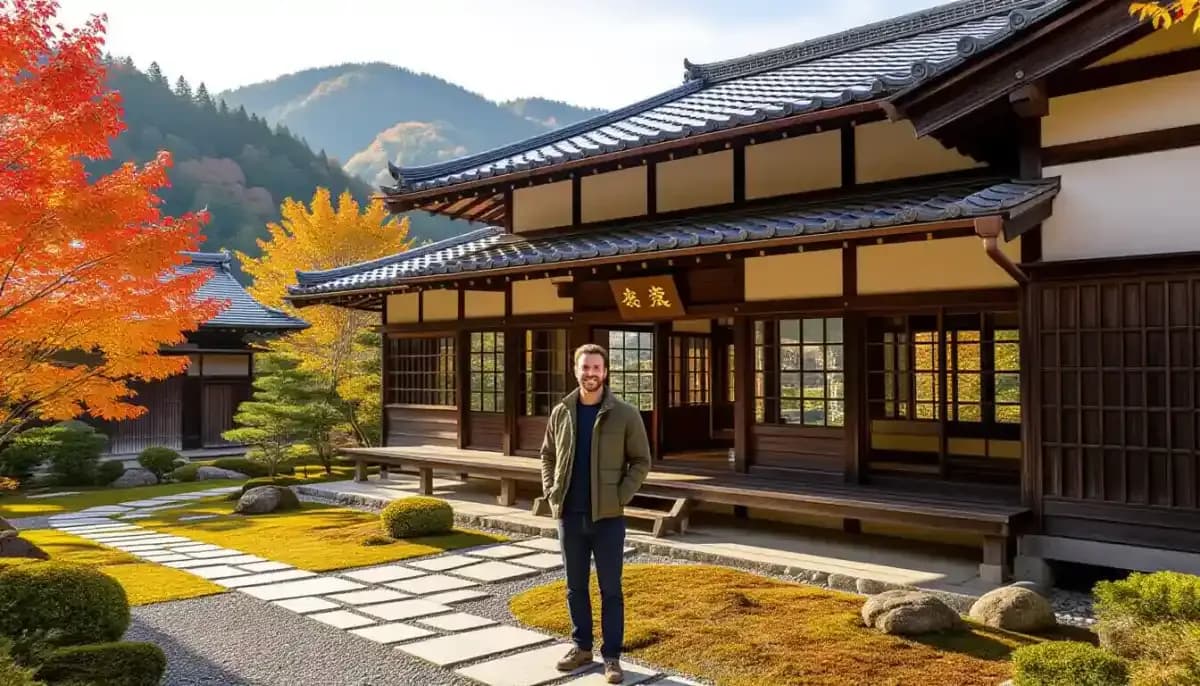
Akiya Success Stories: Foreigners Who Bought Vacant Houses in Japan
Real success stories of foreigners who successfully bought akiya (vacant houses) in Japan. Learn what they paid, how they did it, and how to replicate their success with practical tips and lessons learned.
Read more →
Foreign Buyer Akiya Purchase Process Step by Step
Complete step-by-step guide to buying an akiya (vacant house) in Japan as a foreign buyer. Covers property search, due diligence, contracts, payment, title registration, and mandatory reporting requirements.
Read more →
Akiya Legal Issues and Title Problems to Watch Out For
Discover the critical akiya legal issues and title problems foreign buyers face in Japan: unregistered ownership, multiple heirs, zoning problems, and new 2024-2025 laws. Essential due diligence guide.
Read more →