Natural Disaster Preparedness for Homeowners in Japan
Complete guide to natural disaster preparedness for homeowners in Japan. Learn about earthquake building standards, emergency kits, hazard maps, insurance, and alert systems for foreign property owners.
13 articles
Natural Disaster Preparedness for Homeowners in Japan
Japan sits at the intersection of four tectonic plates, making it one of the most seismically active countries on Earth. For foreign homeowners in Japan, understanding and preparing for natural disasters is not optional — it is an essential part of responsible property ownership. From earthquakes and tsunamis to typhoons and volcanic eruptions, Japan faces a wide range of natural hazards each year. This comprehensive guide walks you through everything you need to know to protect your home, your family, and yourself.
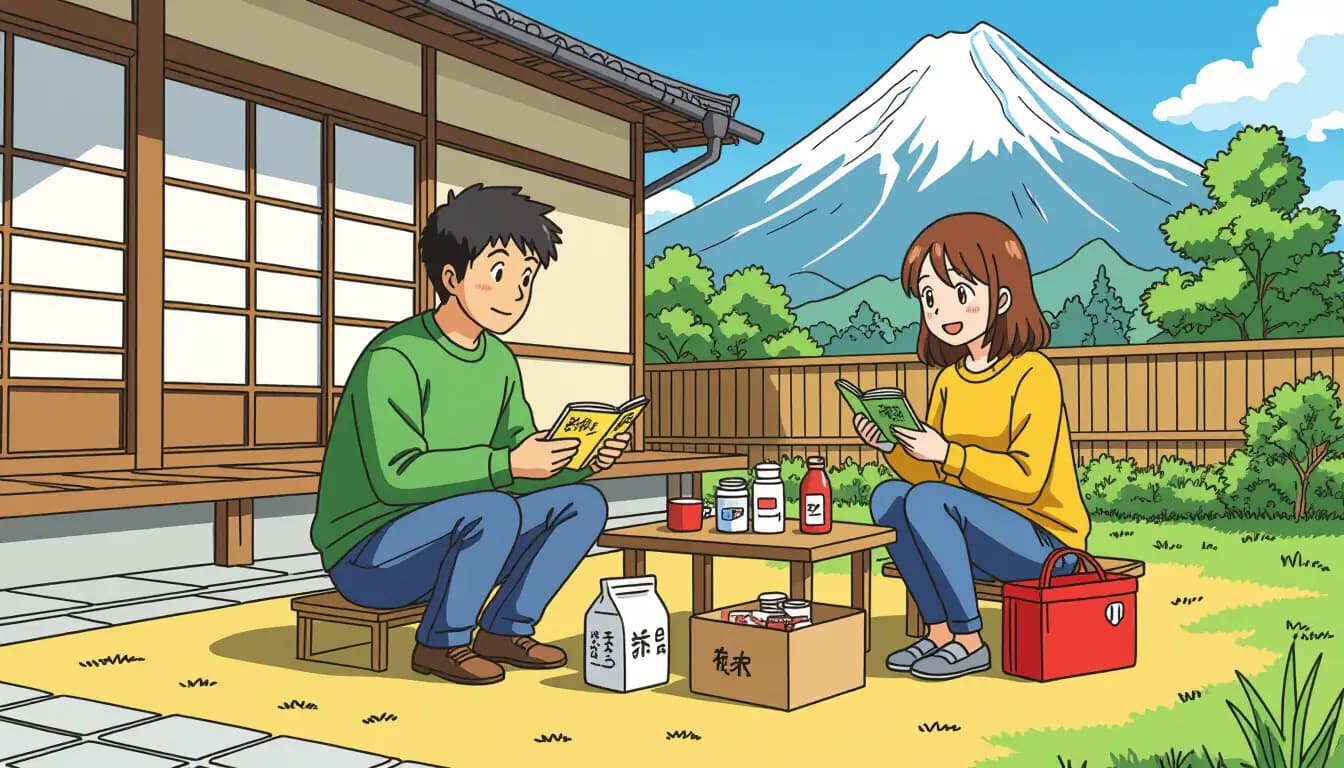
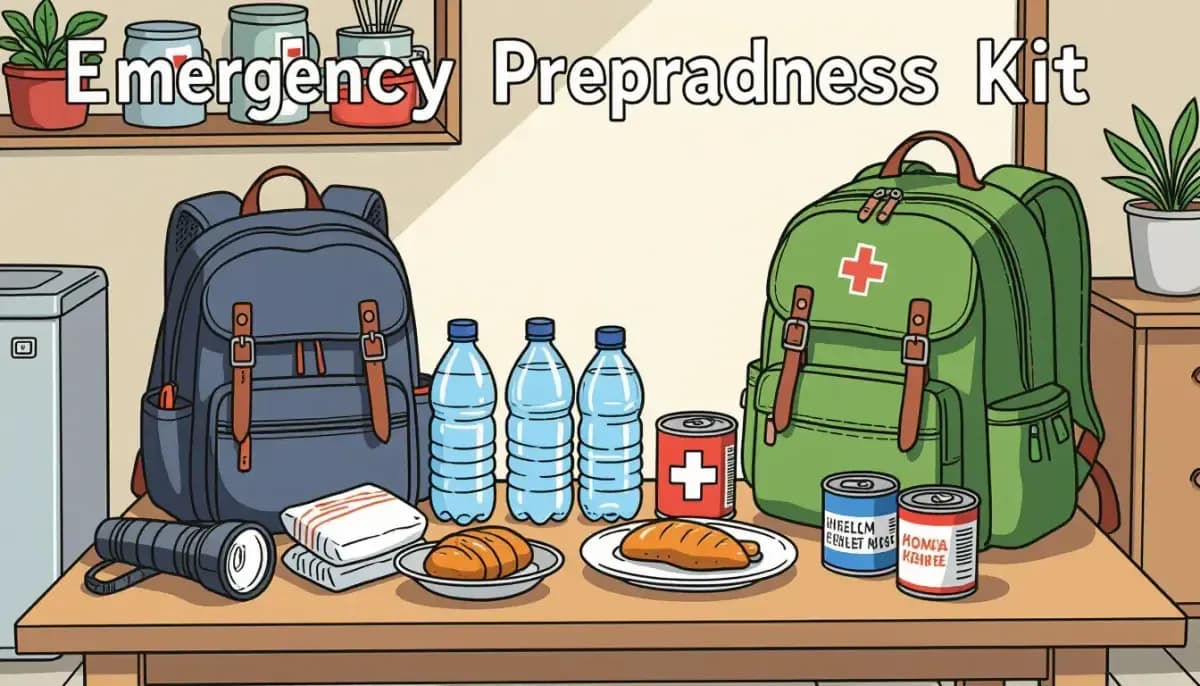
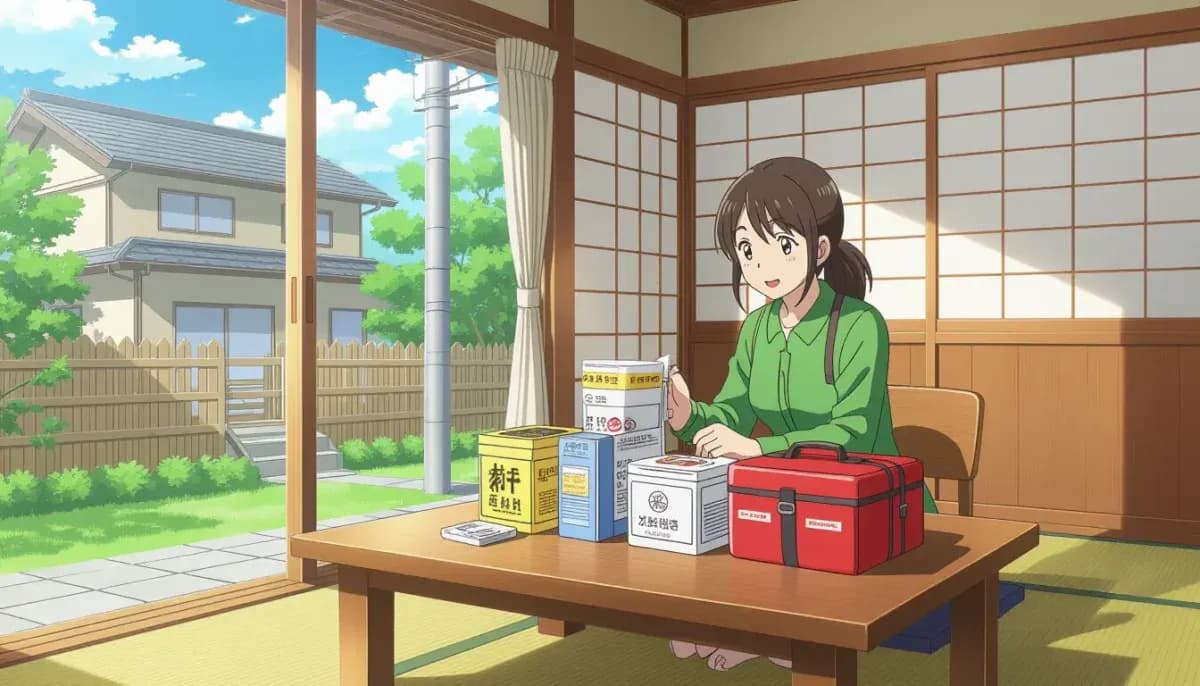
Natural disaster preparedness kit for homeowners in Japan
Why Natural Disaster Preparedness Matters for Homeowners in Japan
Japan accounts for approximately 18.5% of global earthquakes of magnitude 6 or more and contributes to 17.5% of global economic losses from natural disasters. The country experiences regular typhoons, flooding, landslides, volcanic eruptions, and tsunamis in addition to earthquakes.
The numbers among Japanese homeowners themselves reveal a troubling gap between awareness and action, according to a Nippon.com homeowner survey:
60.9% believe a major earthquake will occur in their local area in the near future
66.2% expect their home would sustain damage in such an earthquake
Yet only 45.8% have stockpiled food and water, and an alarming 30.4% have taken no disaster preparations at all
The 2024 Noto Peninsula earthquake on January 1 resulted in 245 deaths and 76,144 damaged housing units, with total estimated damage of ¥1.1–2.6 trillion (approximately US$7.4–17.6 billion). This was a stark reminder that disasters in Japan are not hypothetical — they are inevitable.
For foreign homeowners, the challenge is compounded by language barriers, unfamiliarity with local evacuation procedures, and the need to navigate Japanese bureaucracy after a disaster. Preparation before an emergency is the most powerful tool you have.
Understanding Japan's Seismic Building Standards
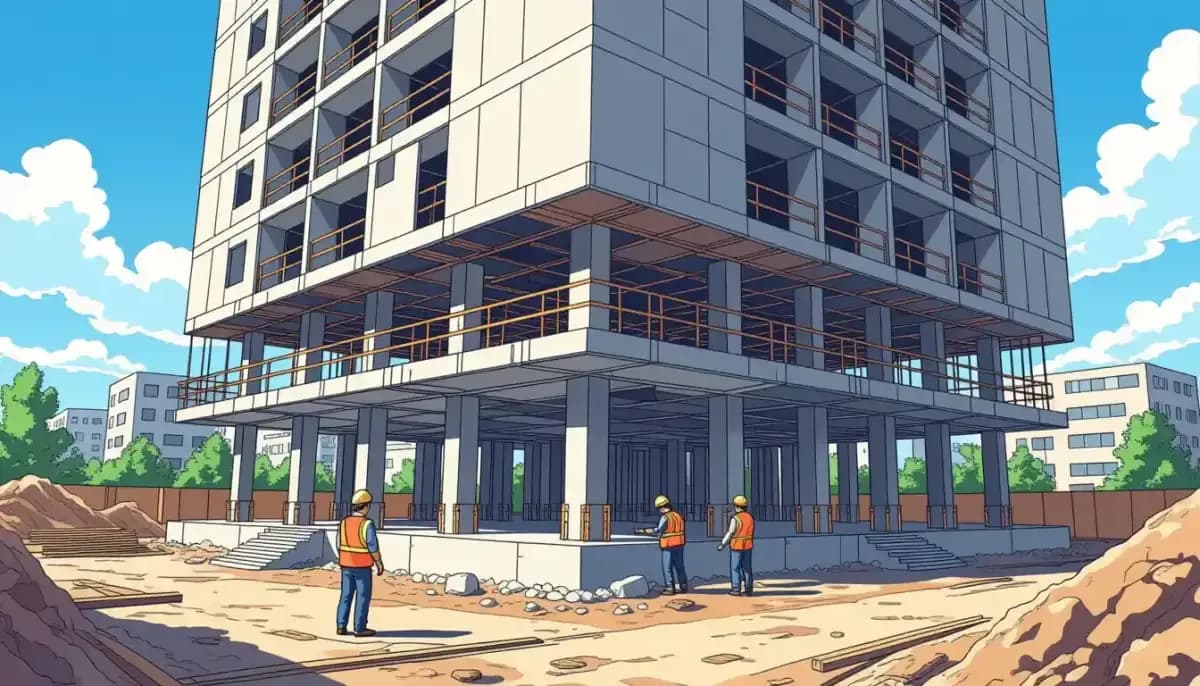
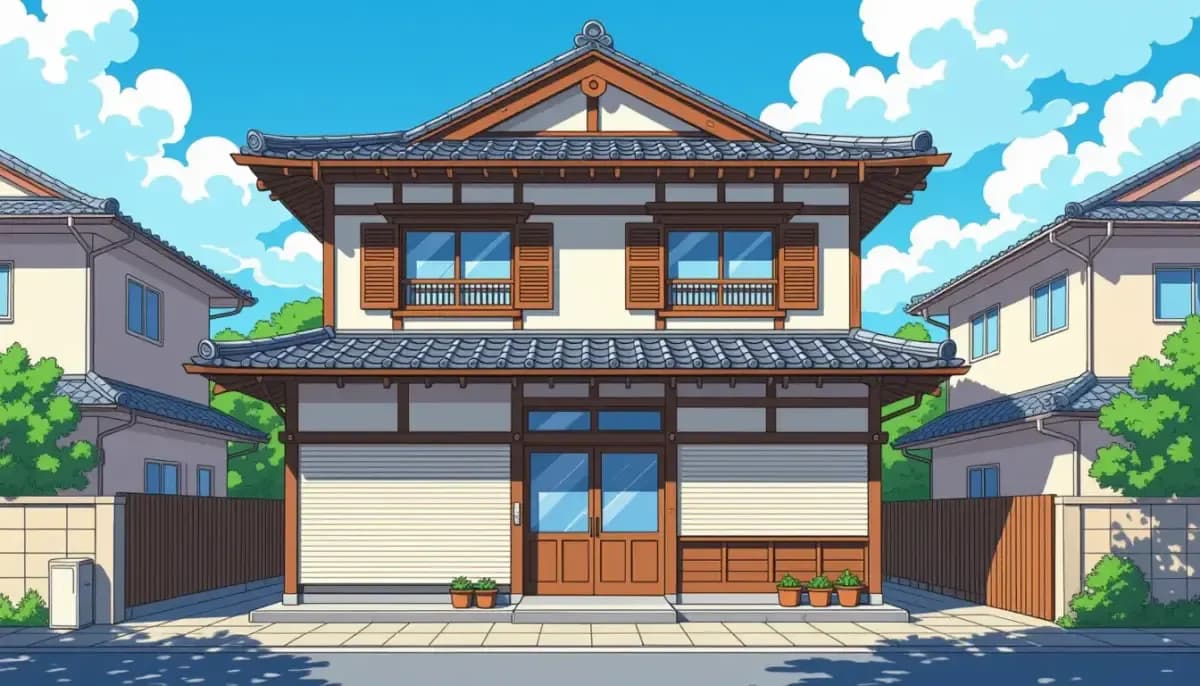
Before you can prepare your home, you need to understand what kind of structure you own or are purchasing. Japan has some of the world's most stringent earthquake building codes, but these standards have evolved significantly over the decades.
The 1981 New Anti-Seismic Standard (Shin Taishin Kijun)
Japan's Building Standard Act was dramatically revised in June 1981 following a series of devastating earthquakes. Buildings with construction permits dated after June 1, 1981 must:
Sustain minimal damage from seismic intensity 5+ earthquakes
Not collapse during intensity 6–7 earthquakes
Buildings constructed before this date operate under the old standard, which only required they not collapse during intensity 5 earthquakes — a significantly lower bar.
The 2000 Revision
After the catastrophic 1995 Great Hanshin Earthquake (Kobe earthquake), Japan introduced further revisions in 2000 under the Housing Quality Assurance Act, establishing a formal seismic performance grading system:
Seismic Grade
Resistance Level
Typical Use
Grade 1
Base Building Standard Act requirement
Standard homes
Grade 2
1.25x standard resistance
Schools, evacuation centers
Grade 3
1.5x standard resistance
Hospitals, fire stations
Key Warning for Older Properties
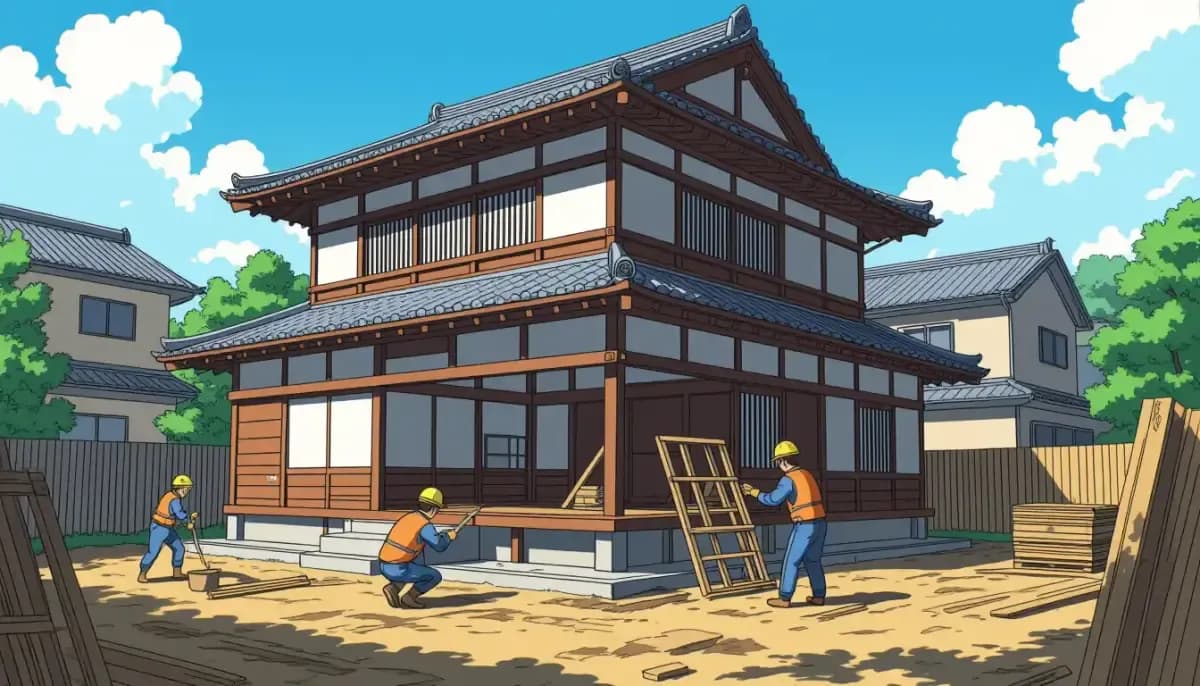
Approximately 80% of wooden houses built between 1981 and 2000 do not fully meet the latest seismic criteria and could be at risk of collapse in a severe quake. If you are buying or own an older property, consider commissioning a seismic assessment (耐震診断, taishin shindan) to understand your home's vulnerability.
Advanced construction technologies are also available for retrofits:
Damping structures (制振構造): Reduce seismic intensity by 70–80%
Seismic isolation structures (免震構造): Reduce earthquake forces to one-third to one-fifth of traditional construction methods
For more on evaluating and purchasing properties with strong structural credentials, see our guide on buying a detached house in Japan.
Checking Your Home's Disaster Risk: The Hazard Map
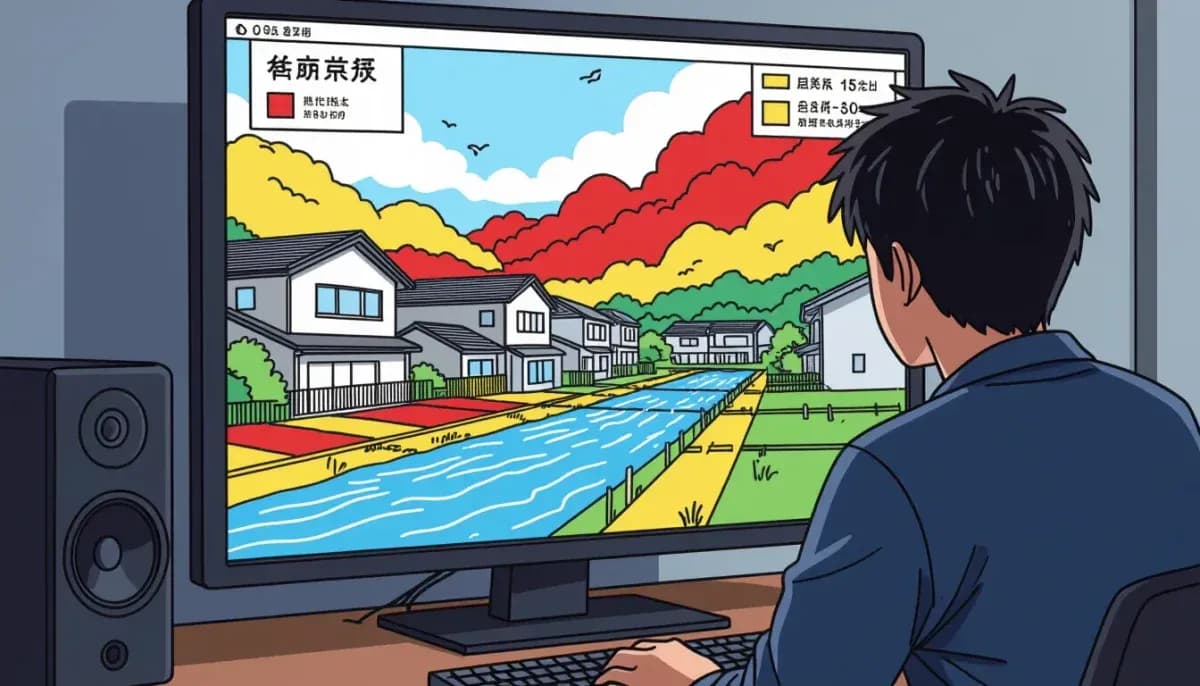
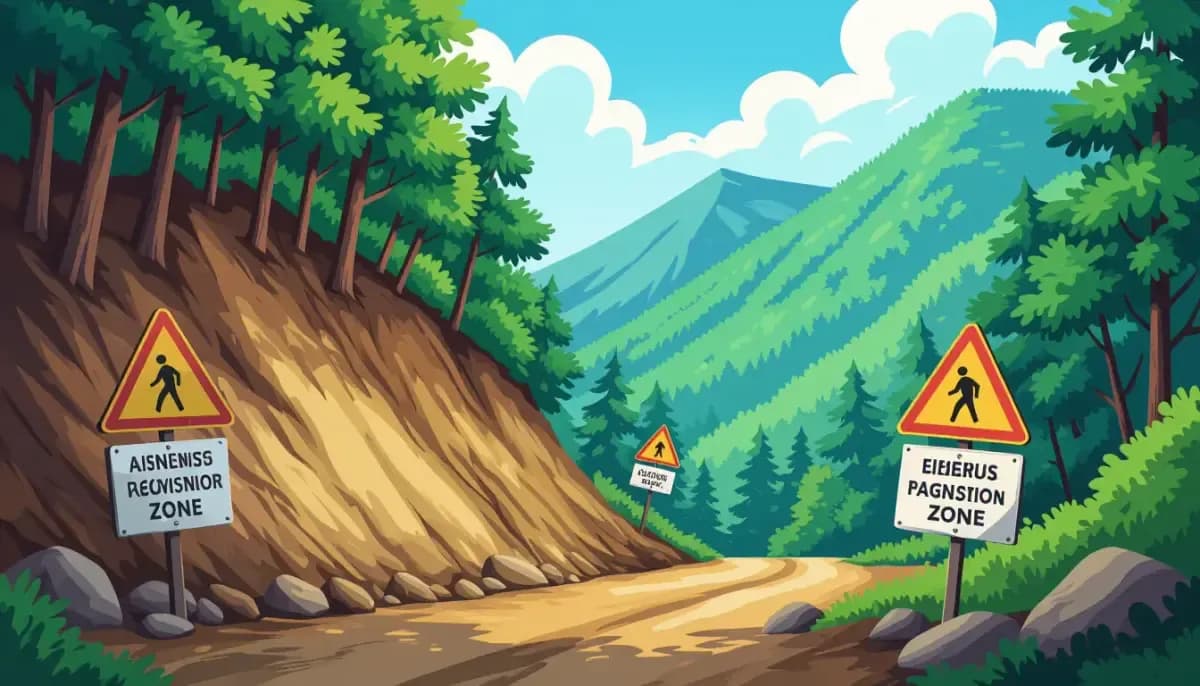
One of the most important tools available to Japanese homeowners is the Hazard Map (ハザードマップ, Hazado Mappu). These are issued by municipal governments and identify zones at high risk for specific types of disasters, including:
Earthquake liquefaction zones
Tsunami inundation areas
Landslide and slope collapse zones
River flooding areas
Storm surge zones
Under Japanese law, real estate agents are legally required to explain relevant hazard map risks during the property transaction process. If you are purchasing property, make sure you receive and review this disclosure carefully.
You can access hazard maps directly through the National Land Information Division's portal (国土交通省 ハザードマップポータルサイト). Simply enter your address to see overlapping disaster risk layers for any property in Japan.
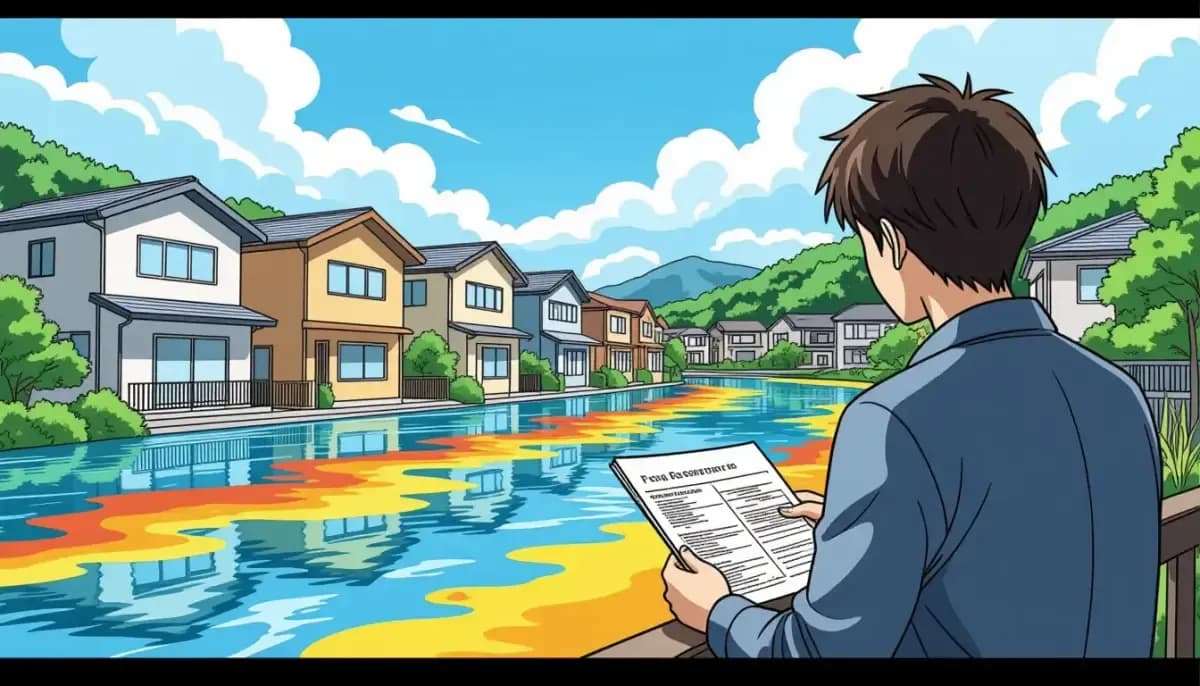
Japanese hazard map showing flood and earthquake risk zones
Building Your Emergency Kit (非常用持ち出し袋)
Every household in Japan — especially those with foreign residents who may face language barriers in an emergency — should maintain a well-stocked emergency kit. Disaster preparedness experts recommend preparing two categories of supplies:
Level 1: Grab-and-Go Bag (非常用持ち出し袋)
This is a pre-packed backpack you can grab within seconds of an emergency evacuation order.
Recommended Contents:
Water: At least 1 gallon (approximately 4 liters) per person
Documents: Waterproof copies of passport, residence card (在留カード), health insurance card, My Number Card
Cash: ¥10,000–¥50,000 in small bills (ATMs may be down after a disaster)
Communication: Fully charged portable battery, hand-crank or battery-powered radio
Light: LED flashlight and headlamp for each family member (no candles)
First Aid: Bandages, disinfectant, prescription medications (several days' supply), masks
Tools: Work gloves, whistle, multitool, duct tape
Sanitation: Toilet paper, hand sanitizer, antibacterial wipes, portable toilet if space allows
Clothing: Sturdy shoes that can be worn during/after an earthquake, change of clothes
Level 2: Home Stockpile (備蓄品)
A larger store of supplies for sheltering in place for up to 7 days.
Water: 2 liters per person per day × 7 days
Food: Minimum 7-day supply
Portable gas stove and fuel canisters
Disposable emergency toilet kits (usable without water or electricity)
Spare batteries and solar charging devices
Extra medications and hygiene supplies
For families with children, include toys and books. Pet owners should pack food, water, leashes, and vaccination records for their animals. For a detailed emergency bag checklist, see the Japan Living Guide Emergency Bag Guide.
Physical home preparedness can dramatically reduce injury and property damage during an earthquake.
Furniture and Appliance Safety
Secure tall and heavy furniture (bookshelves, wardrobes, refrigerators, water heaters) to walls using L-shaped brackets or furniture anchoring straps
Install cabinet latches to prevent doors from flying open and contents spilling out
Move heavy items to lower shelves to lower the center of gravity
Place non-slip mats under TVs, desktop computers, and other electronics
Position beds and sleeping areas away from heavy furniture, windows, and objects that could fall
Fire Prevention After Earthquakes
Fires following earthquakes are a leading cause of death and property destruction in Japan. The 1995 Kobe earthquake triggered over 200 fires.
Keep automatic gas shutoff valves (マイコンメーター) properly maintained — modern gas meters in Japan automatically cut off gas when they detect strong shaking
Install smoke detectors in all rooms (legally required for homes in Japan since 2011)
Store flammable materials safely and keep fire extinguishers accessible
Know where your main gas valve is located and how to turn it off manually
Clear Escape Routes
Keep hallways, stairways, and doorways clear of furniture and boxes
Identify at least two exit routes from each room
Designate a meeting point outside your home and communicate it to all household members
Understanding Japan's Alert Systems
Japan has sophisticated early warning systems that provide critical seconds or minutes of advance notice before disaster strikes.
Earthquake Early Warning (緊急地震速報)
Japan's earthquake early warning system, introduced in 2007, detects the initial P-waves (faster, less destructive waves) of an earthquake and sends alerts to smartphones and public broadcast systems seconds before the stronger shaking arrives. This is enough time to:
Take cover under a sturdy table or desk
Move away from windows and tall furniture
Turn off gas if cooking
All smartphones in Japan receive these alerts automatically through the J-Alert nationwide warning system.
Tsunami Warnings
If you live in a coastal area:
Know your tsunami evacuation route and the nearest elevated ground
If you feel a strong or prolonged earthquake near the coast, evacuate immediately — do not wait for an official warning
Tsunami waves can arrive within minutes of an earthquake
Typhoon Preparedness
Typhoons (台風) typically strike Japan between June and October.
Monitor Japan Meteorological Agency (JMA) forecasts
Stock up on water and supplies before a typhoon makes landfall
Secure or bring inside any outdoor furniture, potted plants, and loose items
Tape or board up large windows if necessary
Know your local evacuation shelter and its address
Disaster Insurance for Homeowners in Japan
This is a critical and often overlooked area. More than half of Japanese homeowners remain uninsured against earthquake damage — a significant financial vulnerability given Japan's seismic risk profile.
Standard Japanese home insurance (火災保険, kasai hoken) typically covers fire, flood, and wind damage but does NOT cover earthquake damage. For that, you need a separate earthquake insurance policy (地震保険, jishin hoken).
Key points about earthquake insurance in Japan:
Earthquake insurance is sold as an add-on to fire insurance policies
Maximum coverage is 30–50% of your fire insurance amount (not full replacement value)
Premiums vary significantly by region — high-seismic-risk areas like Tokyo pay more
Government backing means premiums are standardized nationwide by building type and location
Coverage includes not just earthquake damage but also tsunami and volcanic eruption damage resulting from seismic events
For a comprehensive breakdown of all insurance options available to property owners in Japan, see our detailed article on insurance for property owners in Japan.
Registering with Your Local Municipality
As a foreign resident homeowner in Japan, registering with your local municipal office (市区町村役場) provides several disaster-related benefits:
Automatic enrollment in local disaster alert messaging systems
Access to designated evacuation shelters (避難所, hinanjo) with your address registered
Eligibility for disaster relief and reconstruction assistance after a declared disaster
Receipt of local disaster prevention information (often available in English in larger cities)
Safety Tips (セーフティチップス) — provides alerts in English for earthquakes, tsunamis, volcanic eruptions, and other emergencies
NHK World — English-language news including disaster coverage
Yahoo! Japan Disaster Prevention (Yahoo!防災速報) — Japanese but very comprehensive
For a broader overview of living as a foreign homeowner in Japan, visit Living in Nihon for practical guides on daily life.
Disaster Preparedness for Foreign Homeowners: Special Considerations
As a foreigner, you face unique challenges in a disaster that Japanese residents may not:
Language Barriers
Learn key disaster-related Japanese phrases and vocabulary (地震 = earthquake, 避難 = evacuation, 危険 = danger)
Download translation apps that work offline
Post emergency contact numbers and evacuation route information in English at home
Legal and Documentation Issues
Your Residence Card (在留カード) is critical after a disaster — it proves your legal status and eligibility for government assistance. Keep photocopies in your emergency bag and store digital copies in the cloud.
Contacting Your Home Country
Register with your country's embassy or consulate in Japan and sign up for emergency alerts. Many embassies (including the U.S. Embassy) provide dedicated emergency preparedness guidance for citizens living in Japan.
Evacuation Shelter Policies
Some older evacuation shelters in Japan had historical policies that were less accommodating of foreign residents or pets. Contact your local municipality to confirm current policies and identify the nearest designated shelter for foreign residents.
For practical guidance on navigating Japanese bureaucracy as a foreign homeowner, see For Work in Japan and Gaijin Buy House for real estate and living resources.
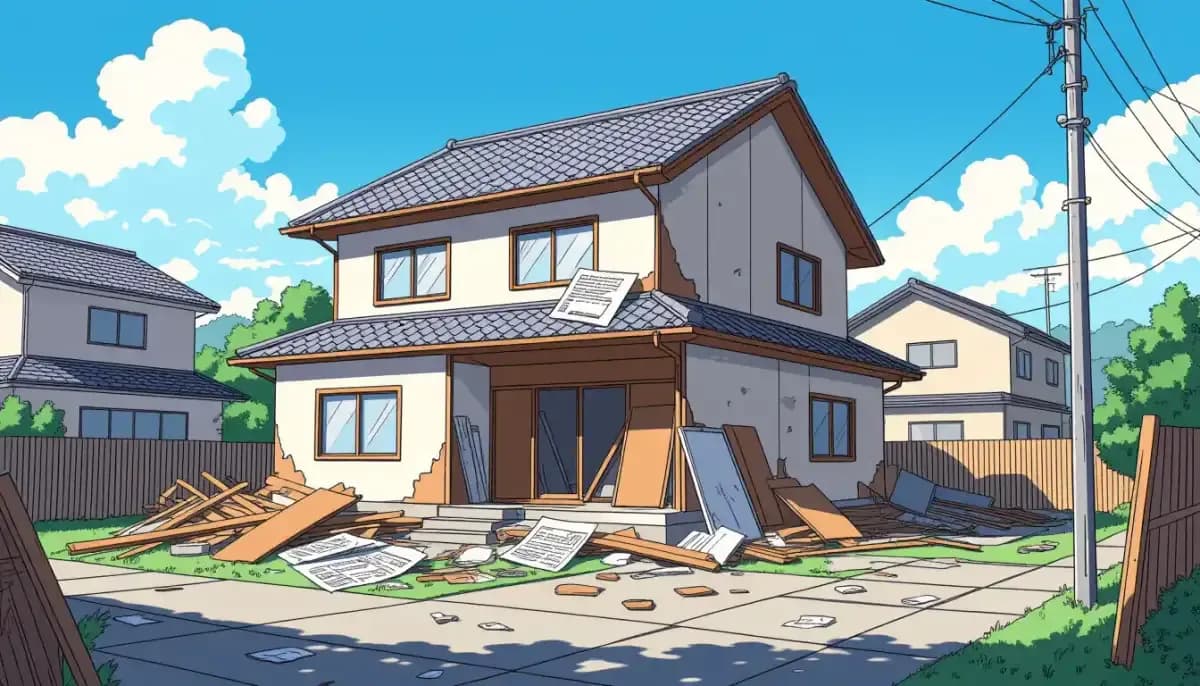
Post-Disaster Steps for Homeowners
If your home sustains damage in a natural disaster:
Ensure immediate safety — check for gas leaks, structural damage, and fire risk before re-entering
Document damage thoroughly — photograph everything before cleanup for insurance claims
Contact your insurance company — report damage as soon as possible to begin the claims process
Register with your municipality — damaged homes can be officially assessed (罹災証明書, risai shōmeisho / disaster damage certificate) which is required for government assistance
Check reconstruction support programs — Japan has various national and local government programs to assist homeowners with reconstruction costs after major declared disasters
Natural disaster preparedness is one of the most important responsibilities of homeownership in Japan. The country's exceptional early warning systems, strict building codes, and community emergency infrastructure are world-leading — but they only protect you if you take the individual steps to be ready. As a foreign homeowner, your preparation today could save lives tomorrow.
Sources: Nippon.com Homeowner Survey, Plaza Homes Earthquake Resistance Guide, Japan Living Guide Emergency Preparedness, Japan Remotely Disaster Planning Resource, World Economic Forum Japan Disaster Preparedness Report 2025, National Geographic Japan Seismic Resilience.