
Japan Earthquake-Resistant Building Standards Explained

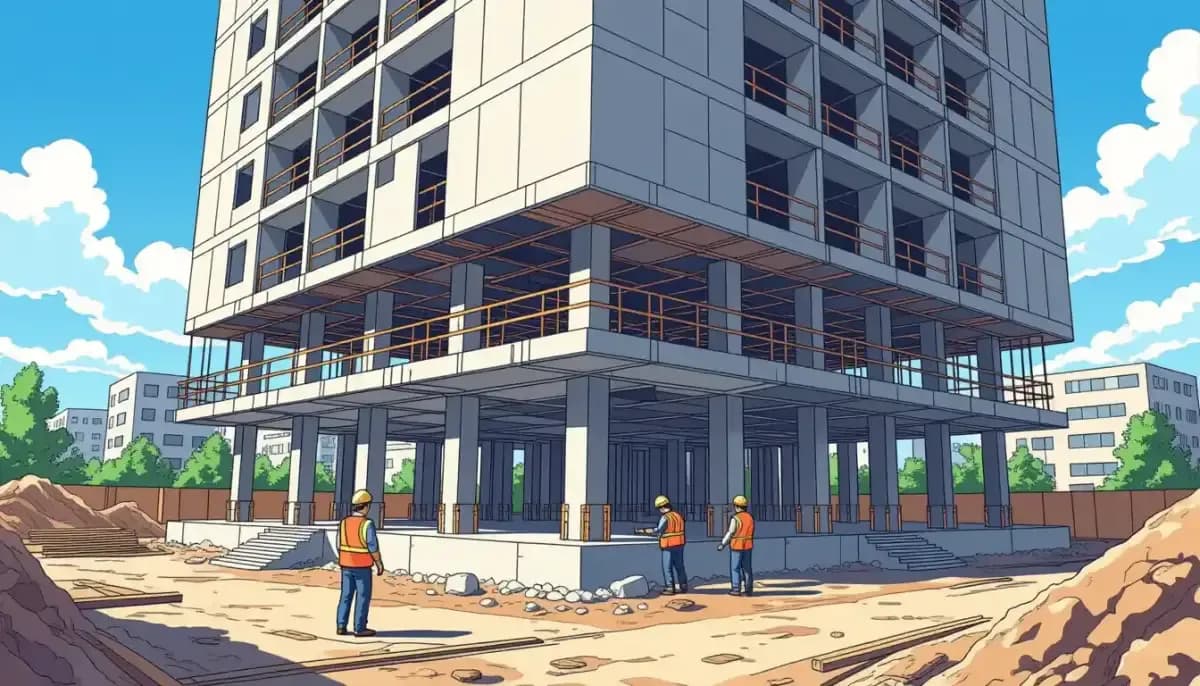
Understand Japan's earthquake-resistant building standards (Shin-Taishin, 1981, 2000 codes), taishin/seishin/menshin systems, seismic grades, and how to verify compliance when buying property in Japan.
Japan Earthquake-Resistant Building Standards Explained
Japan sits on the Pacific Ring of Fire, making it one of the most seismically active countries in the world. With thousands of earthquakes occurring every year — most too small to feel, but some devastatingly powerful — the Japanese government has invested heavily in developing world-class earthquake-resistant building standards. For foreigners buying or renting property in Japan, understanding these standards is not just academically interesting; it can be a matter of life and safety.
This guide explains Japan's earthquake-resistant building standards in plain English, covering the history, the technical systems, what to look for when buying property, and how to verify a building's seismic compliance.
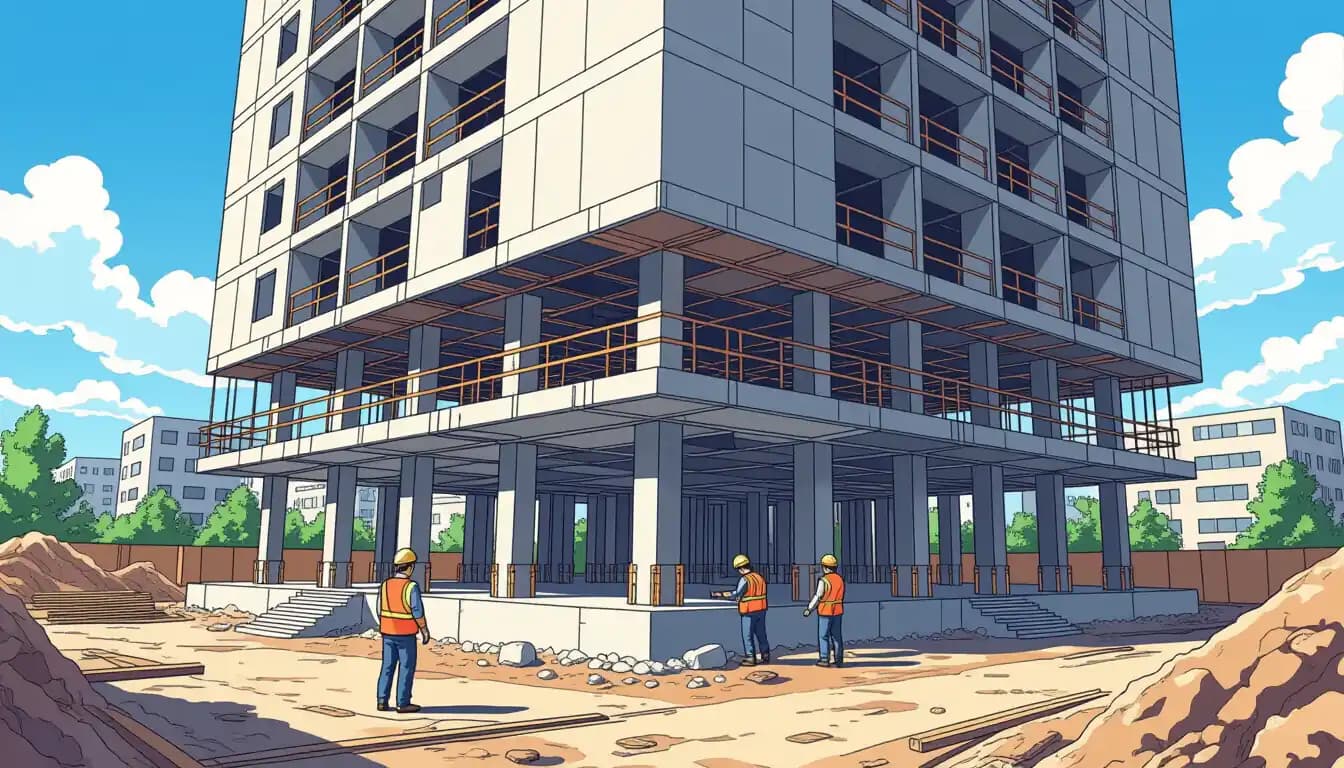
A Brief History of Japan's Seismic Building Codes
Japan's approach to earthquake-resistant construction has evolved dramatically over the past century, shaped by successive disasters that exposed weaknesses in existing standards.
The Foundation: Building Standards Act (1950)
Japan's Building Standards Act (建築基準法) was enacted in 1950 as the foundational framework for construction safety nationwide. It established minimum requirements for structural integrity, fire safety, and environmental standards for all buildings.
The 1971 Amendment: Reinforced Concrete Improvements
Following the 1968 Tokachi-oki Earthquake (M7.9), engineers discovered that reinforced concrete columns were failing due to insufficient reinforcing bars. The 1971 amendment reduced the maximum spacing between reinforcing bars in columns from 30 cm to 10–15 cm, dramatically improving the toughness of concrete structures.
The 1981 Amendment: The Most Important Revision
The 1981 amendment is the single most significant milestone in Japan's seismic building history. Triggered by the devastating 1978 Miyagi Earthquake (M7.8), this revision introduced what is now called the "new earthquake resistance standards" (新耐震基準, Shin-Taishin).
Buildings constructed before June 1, 1981 are classified as "old standard" (旧耐震, Kyu-Taishin) buildings. Those built on or after that date fall under Shin-Taishin, which is far more stringent.
The 1995 Great Hanshin-Awaji Earthquake (M6.8) served as a dramatic real-world test: Shin-Taishin buildings survived in far greater numbers compared to Kyu-Taishin structures. This earthquake killed over 6,400 people, and the vast majority of casualties were in pre-1981 buildings.
The 2000 Amendment: Wooden House Improvements
Even after 1981, wooden residential buildings remained vulnerable. The 2000 revision (effective June 2000) addressed this by mandating:
- Continuous concrete strip foundations (instead of independent pillar foundations)
- Stricter requirements for diagonal bracing and wall placement
- Better anchoring of posts to foundations
Critically, research has found that 86.2% of all wooden residences built between 1981 and May 2000 do not fully comply with the post-2000 standards. If you're buying a wooden house built in this window, a professional seismic inspection is strongly recommended.
Old vs. New Standards: What's the Difference?
Understanding the difference between Kyu-Taishin and Shin-Taishin is essential when evaluating any property in Japan.
| Standard | Period | Intensity Survived | Notes |
|---|---|---|---|
| Kyu-Taishin (旧耐震) | Before June 1, 1981 | Shindo 5 (no collapse) | Based on 1950 Act with 1971 revisions |
| Shin-Taishin (新耐震) | After June 1, 1981 | Shindo 6–7 (no collapse) | Major overhaul after 1978 Miyagi EQ |
| Post-2000 Wooden (木造2000年基準) | After June 1, 2000 | Shindo 6–7 + better foundations | Added after 1995 Hanshin EQ lessons |
Shindo Scale Reference:
- Shindo 5: Strong shaking, objects fall, difficult to stand
- Shindo 6: Severe shaking, walls crack, difficult to stay upright
- Shindo 7: Violent shaking, most buildings damaged without Shin-Taishin protection
For any property purchase, avoid Kyu-Taishin buildings unless they have been retrofitted (seismic reinforcement work). If you are considering a pre-1981 property, request the seismic diagnosis certificate (耐震診断書) and the seismic reinforcement certificate (耐震改修証明書) to confirm upgrades have been done.
For more details on what to check when buying older Japanese homes, see our guide on Seismic Retrofitting Options for Older Homes in Japan.
The Three Earthquake-Resistant Technologies: Taishin, Seishin, and Menshin
Beyond the basic legal standards, Japanese buildings may incorporate one of three distinct structural approaches to earthquake resistance. These are not interchangeable — they represent different philosophies and cost levels.
1. Taishin (耐震) — Basic Earthquake Resistance
Taishin is the most common and the minimum required by law. It works by strengthening the building's structure itself — reinforcing walls, columns, and beams so the building is rigid enough to resist seismic forces.
- How it works: The building absorbs seismic energy through its structural mass
- Result: The building may sustain damage in a major quake, but should not collapse
- Cost: Lowest of the three technologies
- Best for: Typical residential homes and smaller buildings
Most standard Japanese homes and apartments meet the Taishin standard. While effective at preventing collapse, Taishin buildings will sway significantly and interior damage (broken walls, fallen furniture) is likely in Shindo 6–7 events.
2. Seishin (制震) — Vibration Control
Seishin systems add dampening devices inside the building structure — similar to shock absorbers in a car — to absorb and dissipate the kinetic energy from seismic waves.
- How it works: Dampers (often steel or rubber-based) installed in walls or between floors absorb vibrations
- Result: Less structural damage and interior disruption during a quake
- Cost: Moderate (significantly more than Taishin)
- Best for: Mid-rise residential buildings, condominiums
Seishin buildings move with the earthquake rather than rigidly resisting it. This often results in less damage to interior finishes and contents compared to pure Taishin structures.
3. Menshin (免震) — Base Isolation
Menshin is the most advanced and expensive approach. A base isolation layer — typically consisting of rubber bearings, lead dampers, or sliding systems — is installed between the building's foundation and the ground.
- How it works: The isolation layer allows the ground to move separately from the building
- Result: Buildings with Menshin systems shake up to two-thirds less than Taishin buildings
- Cost: Highest (primarily used in high-rises, hospitals, government buildings)
- Best for: High-rise towers, critical infrastructure, luxury condominiums
You can often identify Menshin buildings by a visible gap or flexible joint at the base of the structure, and they are typically prominently advertised in real estate listings as a selling point.

Seismic Grades: Japan's Housing Performance Rating System
In 2000, Japan introduced the Housing Performance Indication System (住宅性能表示制度) under the Act on Promotion of Quality Assurance of Housing. As part of this system, buildings can receive a Seismic Grade (耐震等級) — a standardized rating of earthquake resistance.
| Grade | Resistance Level | Typical Use |
|---|---|---|
| Grade 1 (耐震等級1) | Meets Shin-Taishin (1981) minimum | Standard residential buildings |
| Grade 2 (耐震等級2) | 1.25× Grade 1 | Recommended for most buyers |
| Grade 3 (耐震等級3) | 1.50× Grade 1 | Fire stations, police stations, hospitals |
Grade 2 or higher is strongly recommended for residential buyers. Grade 3 buildings are designed to remain structurally operational even after a major earthquake — the same standard required for emergency service buildings.
When purchasing a property, you can request the Housing Performance Evaluation Certificate (住宅性能評価書) from the builder or property management company. Not all buildings have been formally evaluated, but new construction increasingly comes with this documentation.
For more context on property evaluation and what documents to request, visit For Work in Japan's housing guide or consult with a qualified Japanese real estate agent.
How to Check a Building's Seismic Compliance
When evaluating a property in Japan, here are the key checks and documents to request:
Step 1: Confirm the Construction Confirmation Certificate Date
The Construction Confirmation Certificate (確認済証) shows when the building's design was officially approved. The date determines which standards apply:
- Pre-June 1, 1981 → Kyu-Taishin (old standards)
- June 1, 1981 or later → Shin-Taishin (new standards)
- June 1, 2000 or later (wooden) → Post-2000 wooden standards
You can verify this at the local municipal office, or ask your real estate agent to provide a copy.
Step 2: Request the Seismic Diagnosis Certificate
For older buildings (especially pre-1981), ask for the Seismic Diagnosis Certificate (耐震診断書). This document, prepared by a certified structural engineer, assesses the building's actual current seismic performance.
Step 3: Check for Seismic Retrofitting
If a pre-1981 building has been upgraded, request the Seismic Reinforcement Report (耐震改修工事報告書) and the Seismic Improvement Certificate (耐震改修証明書).
Step 4: Request the Housing Performance Evaluation
For newer buildings, ask for the Housing Performance Evaluation Certificate (住宅性能評価書), which will include the Seismic Grade (1, 2, or 3).
Step 5: Consider an Independent Seismic Inspection
For high-value purchases or older properties, consider hiring an independent certified home inspector (ホームインスペクター) who specializes in seismic assessment. This typically costs ¥50,000–¥100,000 but can identify structural weaknesses invisible to untrained buyers.
For more guidance on navigating property documentation in Japan, see our Step-by-Step Home Buying Process in Japan for Foreigners guide.
Practical Tips for Foreign Property Buyers
Understanding the standards is one thing; applying them as a foreign buyer adds another layer of complexity. Here are practical tips:
Always prioritize post-1981 construction. Make Shin-Taishin compliance your minimum baseline. In many urban areas, you can find excellent post-2000 properties at reasonable prices — there is rarely a good reason to accept Kyu-Taishin unless you plan to retrofit.
Be especially cautious with wooden houses built 1981–2000. As noted, 86.2% of these do not meet 2000 standards. Always request a professional inspection and check foundation type. Continuous concrete strip foundations (布基礎) are significantly better than independent foundations (独立基礎).
Look for Seismic Grade 2 or higher in new builds. Most developers advertise this prominently if achieved. If the listing doesn't mention it, ask.
Mansions (condominiums) in high-rises often have Menshin. Many post-2000 high-rise residential towers in major cities use base isolation systems, offering excellent protection. Look for the term 免震構造 (menshin kōzō) in listings.
Don't overlook hazard maps. Seismic resistance of the building is only part of the picture. Land stability, liquefaction risk, and proximity to fault lines matter too. Japan's national hazard map portal (ハザードマップポータルサイト) is a valuable free resource. Learn more about this in our Flood Risk and Hazard Maps for Japan Property Buyers guide.
For more comprehensive guidance on evaluating property safety in Japan, check out Living in Nihon's property buying guide for foreigners and Gaijin Buy House for practical advice from expats who have gone through the process.
Additional research resources:
- Earthquake Building Codes and Technology in Japan – Real Estate Japan
- Understanding Earthquake Resistance Standards – Nippon Tradings
- Earthquake Resistance of Buildings – Plaza Homes
Summary: Key Takeaways for Buyers
| Topic | Key Point |
|---|---|
| Minimum Standard | Shin-Taishin (post-June 1, 1981) |
| Best Standard | Post-2000 + Seismic Grade 2 or 3 |
| Technology Levels | Taishin → Seishin → Menshin (increasing protection) |
| Most Vulnerable | Wooden homes built 1981–2000 (86.2% non-compliant with 2000 standards) |
| Documents to Request | Construction Confirmation Certificate, Seismic Diagnosis, Housing Performance Evaluation |
| Free Resource | Japan Hazard Map Portal for land risk assessment |
Japan's building standards are among the most rigorous in the world, shaped by hard lessons from some of history's most powerful earthquakes. As a foreigner buying property here, you have access to excellent regulatory protections — but only if you know what to ask for. Use the frameworks in this guide to evaluate any property with confidence.
For a deeper dive into protecting your home from all Japan's natural hazards, explore our full Earthquake Preparedness Guide for Japan Homeowners.

Originally from Vietnam, living in Japan for 16+ years. Graduated from Nagoya University, with 11 years of professional experience at Japanese and international companies. Sharing information about buying property in Japan for foreigners.
View Profile →Related Articles

Climate Change Impact on Japan Property Risk Assessment
Learn how climate change affects Japan property risk—flood zones, earthquake hazards, typhoon exposure—and how foreign buyers can assess risk using Japan's hazard maps and mandatory disclosure rules.
Read more →
Disaster Rebuilding and Insurance Claims Process in Japan
Learn how Japan's earthquake insurance and disaster rebuilding process works for foreign homeowners. Covers claims steps, payout tiers, premiums, and practical tips for expats.
Read more →
How to Read and Use Japan Hazard Maps for Property Purchase
Learn how to read and use Japan's official hazard maps before buying property. Understand flood, earthquake, and tsunami risk zones with this step-by-step guide for foreign buyers.
Read more →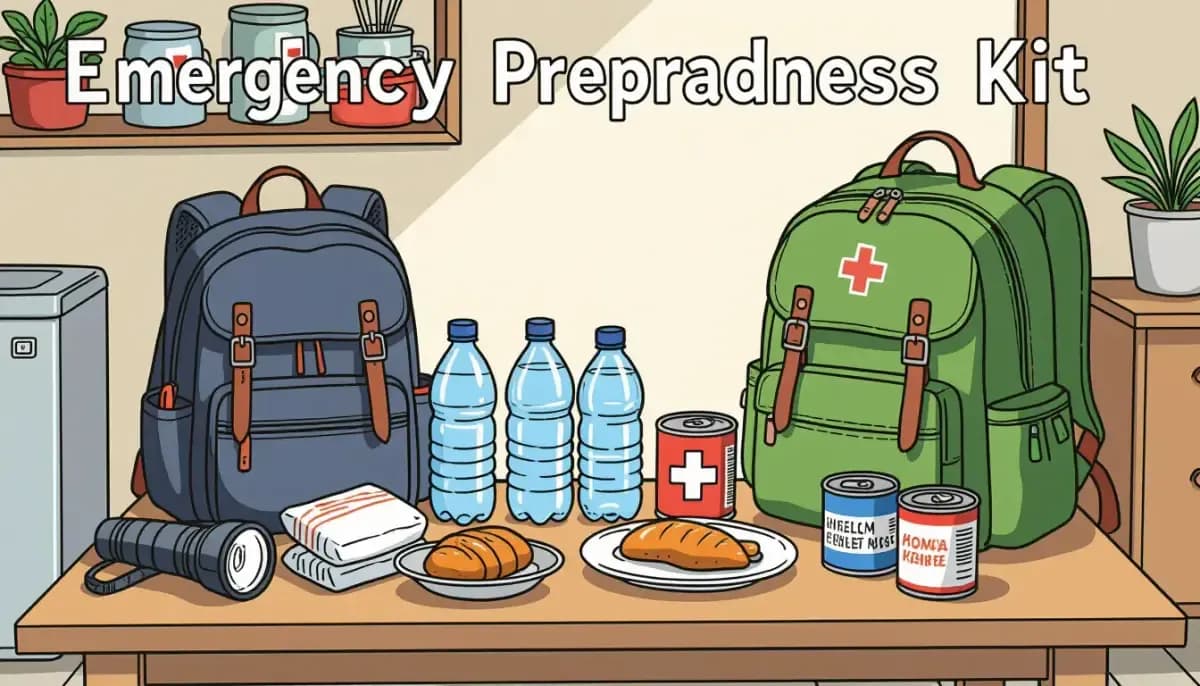
Emergency Supplies and Kit Guide for Japan Homeowners
Build the perfect emergency kit for your Japan home. Essential bosai bag checklist, where to buy supplies, and special tips for foreign homeowners in earthquake-prone Japan.
Read more →
Creating a Disaster Evacuation Plan for Your Japan Home
Learn how to create a disaster evacuation plan for your Japan home as a foreign homeowner. Covers Japan's alert systems, hazard maps, emergency kits, shelter locations, and post-disaster rights for foreigners.
Read more →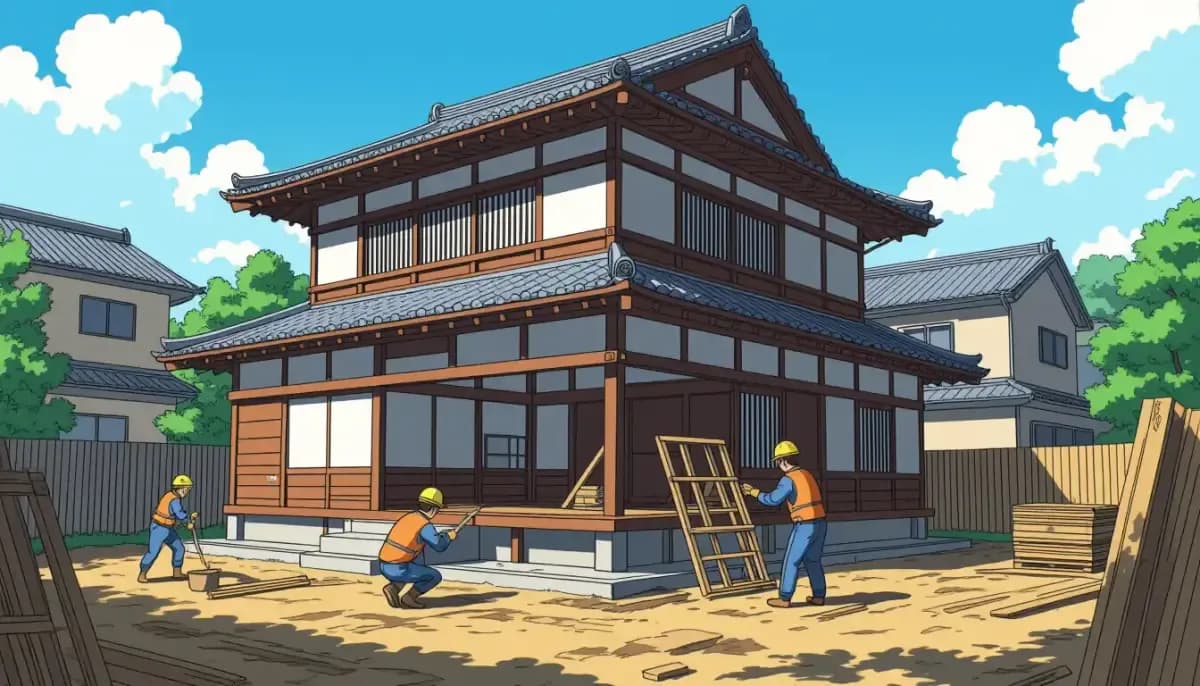
Seismic Retrofitting Options for Older Homes in Japan
Learn about seismic retrofitting options for older homes in Japan: costs, government subsidies up to ¥3M, tax incentives, and step-by-step process for foreign buyers.
Read more →