
Volcanic Activity and Property Risk in Japan

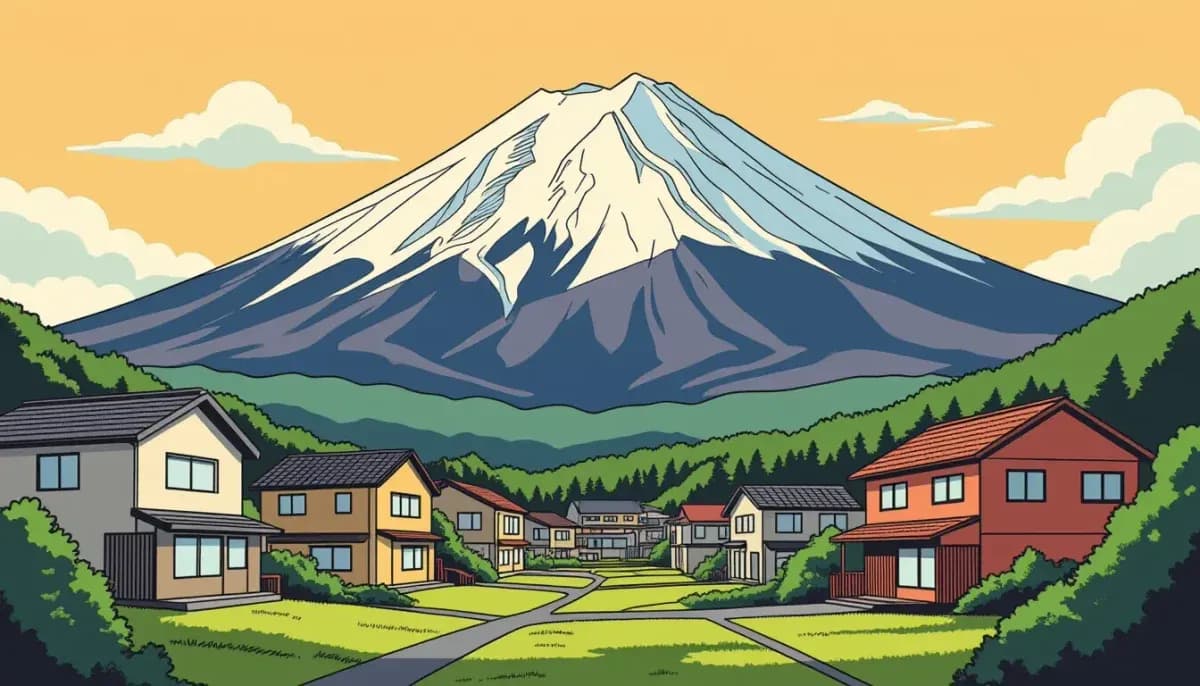
Japan has 111 active volcanoes — 10% of the world's total. Learn which areas carry the highest volcanic property risk, how to use hazard maps, and what insurance you need as a foreign buyer in Japan.
Volcanic Activity and Property Risk in Japan: What Every Foreign Buyer Needs to Know
Japan is one of the most volcanically active countries on Earth. With 111 active volcanoes — roughly 10% of all active volcanoes worldwide — the archipelago sits squarely on the "Ring of Fire," where tectonic plates collide and magma rises to the surface with regularity. For foreigners looking to buy property in Japan, understanding volcanic risk is not optional. It is an essential part of due diligence.
This guide explains which areas face the highest volcanic hazard, how Japan monitors and manages volcanic risk, what it means for property values and insurance, and how to make smart buying decisions as a foreign investor or resident.
Japan's Volcanic Landscape: The Big Picture
Japan's volcanic activity is a direct result of its tectonic setting. The country sits at the convergence of four major tectonic plates — the Pacific, Philippine Sea, Eurasian, and North American plates. This geological reality creates extraordinary seismic and volcanic energy.
According to historical records, 38 volcanoes across Japan have produced 130 significant eruptions over the past 1,300 years, resulting in over 4,900 deaths. More recently, the 1991 eruption of Mount Unzen (Unzendake) in Nagasaki Prefecture produced pyroclastic flows traveling at over 100 km/h, killing 43 people and destroying or flooding 579 homes. The 2014 eruption of Mount Ontake killed 63 hikers — the deadliest volcanic event in Japan since the postwar era.
The Japan Meteorological Agency (JMA) currently monitors 50 volcanoes on a continuous basis and classifies activity using a five-tier alert level system:
| Alert Level | Meaning | Action Required |
|---|---|---|
| Level 1 | Active (no immediate danger) | Normal activity; awareness advised |
| Level 2 | Restricted area near crater | No entry near crater |
| Level 3 | Restricted area expanded | No entry in surrounding mountain area |
| Level 4 | Prepare to evacuate | Residents near volcano must prepare |
| Level 5 | Evacuate | Immediate evacuation required |
As of 2025, no volcano is at Level 4 or 5. Three volcanoes are at Level 3 and five are at Level 2, indicating ongoing heightened activity in several areas.
High-Risk Volcanic Areas for Property Buyers
Not all of Japan faces equal volcanic risk. Some regions are significantly more exposed than others. Foreign buyers should understand the geographic distribution of risk before committing to a purchase.
Kyushu: The Most Volcanically Active Region
Kyushu is Japan's most volcanically active island and requires special attention from property buyers.
Sakurajima (Kagoshima Prefecture): One of the world's most active volcanoes, Sakurajima erupts hundreds of times per year. It sits directly across Kinko Bay from Kagoshima city, which has lived alongside its volcanic neighbor for centuries. Ash fall is a daily reality for many Kagoshima residents. Property near the volcano carries elevated risk from ash accumulation, lahars (volcanic mudflows), and potential lava flows during major eruptions. Despite this, Kagoshima remains a popular and livable city — but buyers should factor volcanic conditions into property decisions.
Mount Aso (Kumamoto Prefecture): Mount Aso contains one of the world's largest calderas, measuring roughly 25 km east-west and 18 km north-south. Entire towns and villages exist within the caldera. While this creates stunning scenery, it also places residents in a geologically active zone. Aso regularly emits sulfurous gases and occasional ash. Properties within or immediately surrounding the caldera may face challenges with insurance and resale.
Kirishima Volcanic Group (Kagoshima/Miyazaki): This cluster of overlapping volcanoes has shown significant activity in recent years, including eruptions in 2011 and 2018. The Kirishima area is popular for tourism and hot spring resorts, but buyers of rural or resort properties should check current alert levels carefully.
Unzen (Nagasaki Prefecture): The site of the deadly 1991 eruption, Mount Unzen remains active. Properties in the Shimabara Peninsula area should be evaluated against volcanic hazard maps.
Hokkaido: Northern Volcanic Risk
Hokkaido has several significant volcanic centers that affect property risk:
- Mount Usu (near Lake Toya): Known for eruptions roughly every 20–50 years, with the most recent in 2000. The Toya-Usu area is a popular tourist and resort destination, but real estate near the volcano carries tangible risk.
- Hokkaido-Komagatake: An active stratovolcano with eruption potential. Areas around the volcano require careful hazard assessment.
- Tokachidake: Located in central Hokkaido, this volcano has caused damage in historical eruptions and is actively monitored.
The Niseko area — extremely popular with foreign ski property buyers — is relatively lower risk volcanically compared to areas near Usu, but buyers in Hokkaido broadly should review JMA hazard maps for their specific target areas.
Central Honshu and the Shadow of Mount Fuji
Mount Fuji is Japan's most iconic volcano and last erupted in 1707 (the Hoei eruption). While it has not erupted in over 300 years, it is classified as an active volcano by the JMA and is monitored continuously. Tokyo and the surrounding Kanto region fall within the potential ashfall zone of a Fuji eruption.
The Tokyo Metropolitan Government has published detailed volcanic ash preparedness plans acknowledging that a major Fuji eruption could deposit significant ash across Tokyo and the surrounding prefectures, severely disrupting infrastructure, water supplies, and daily life. More than 110 million people in Japan live in zones where a major eruption could deposit more than 20 cm of tephra.
For property buyers in Tokyo and the Kanto region, the volcanic risk from Fuji is not zero, but it is considered low probability over any short-to-medium investment horizon. The more immediate concern for Tokyo buyers is earthquake risk rather than volcanic hazard.
How Volcanic Risk Affects Property Values and Insurance
Property Values Near Active Volcanoes
Properties in high-volcanic-risk zones often trade at discounts relative to comparable properties in safer areas. In places like Kagoshima near Sakurajima, the volcanic context is well-known and priced into the market. Buyers can sometimes find attractive prices precisely because of the perceived (and real) risk.
However, the discount does not always compensate for the true risk and costs involved, including:
- Higher insurance premiums
- Potential difficulty reselling to certain buyers
- Ongoing maintenance costs from ash accumulation
- Risk of future evacuation orders affecting rentability
- Potential infrastructure damage during eruption events
Earthquake Insurance and Volcanic Coverage
Japan's earthquake insurance system (jishin hoken) is an important backstop for property owners across all natural disaster risks. Critically, earthquake insurance in Japan covers not just earthquakes but also volcanic eruptions and tsunamis triggered by these events.
Earthquake insurance is sold as a rider to standard fire insurance (kasai hoken). It is not mandatory, but it is strongly recommended — particularly for properties in high-risk zones. Coverage typically pays out at three tiers:
| Damage Level | Payout |
|---|---|
| Total loss (zensonshu) | 100% of insured value |
| Major damage (daishunshu) | 60% of insured value |
| Partial damage (ichisonshu) | 30% of insured value |
For properties in recognized volcanic hazard zones, insurance companies may charge higher premiums or impose coverage limitations. Always confirm coverage terms with an insurer before purchase.
For more guidance on living safely in Japan and navigating disaster preparedness, see the Japan Disaster Preparedness Guide on Living in Nihon. Nippon Tradings also provides an excellent overview of disaster prevention measures for houses and apartments in Japan.
How to Research Volcanic Risk Before Buying
Japan provides excellent publicly available resources for volcanic (and broader natural disaster) hazard assessment. Use these tools as part of your due diligence:
Japan Meteorological Agency (JMA) Volcanic Information
The JMA publishes real-time volcanic alert levels, eruption records, and hazard information for all 50 continuously monitored volcanoes. Access current alert levels at the JMA website. Before buying property near any volcanic area, check the current alert level and recent activity history.
Municipal Hazard Maps (Hazard Mappu)
Japanese municipalities are legally required to publish hazard maps showing areas at risk from various natural disasters, including volcanic hazards, flooding, landslides, and tsunamis. These maps (hazard mappu, ハザードマップ) are typically available on municipal government websites or through the national Hazard Map Portal (国土交通省ハザードマップポータルサイト).
When evaluating any property, obtain the relevant hazard map and check:
- Whether the property falls within a volcanic exclusion or evacuation zone
- Proximity to volcanic hazard corridors (lava flows, pyroclastic flows, lahars)
- Ashfall risk based on prevailing wind patterns
- Combined risks (volcanic + tsunami + earthquake + flood)
Real Estate Disclosure Requirements
Under Japan's real estate transaction laws, agents are required to disclose information about natural disaster risks that are publicly known. When reviewing property documents, ask specifically about volcanic risk and request the hazard map for the area. A reputable agent will provide this information proactively.
For a broader guide to the property buying process in Japan, see Step-by-Step Home Buying Process in Japan for Foreigners.
Risk Comparison by Major Property Market
For foreign buyers focused on Japan's main property markets, here is a comparative volcanic risk overview:
| City/Region | Volcanic Risk Level | Key Concern |
|---|---|---|
| Tokyo | Low-Medium | Potential Fuji ashfall, distant risk |
| Osaka / Kobe | Low | No immediate volcanic hazard |
| Kyoto | Low | No immediate volcanic hazard |
| Fukuoka | Low-Medium | Distant Kyushu volcanic activity |
| Kagoshima | High | Sakurajima constant activity |
| Kumamoto | Medium-High | Mount Aso proximity |
| Hokkaido (Sapporo) | Low | Distant from active centers |
| Hokkaido (Niseko/Toya) | Medium | Proximity to Mount Usu |
| Okinawa | Low | No significant volcanic hazard |
Most of Japan's major cities — Tokyo, Osaka, Kyoto, Nagoya — have relatively low direct volcanic risk, though the potential for ashfall from Mount Fuji represents a systemic risk for the Kanto-Tokai corridor.
See the Complete Guide to Buying Property in Japan as a Foreigner for a full overview of the purchasing process.
Practical Tips for Foreign Buyers in Volcanic Risk Areas
If you are committed to buying in a higher-risk volcanic area — whether for the scenic beauty, hot spring access, ski resort proximity, or favorable prices — here are practical steps to protect your investment:
1. Check the current JMA alert level. Never buy property near an active volcano at Level 3 or above without fully understanding the implications for access restrictions and evacuation zones.
2. Review the municipal hazard map in detail. Confirm the specific property location against volcanic hazard corridors and evacuation zones.
3. Secure appropriate insurance. Ensure your fire insurance includes an earthquake/volcanic eruption rider with adequate coverage. Confirm the insurer will cover the specific property location.
4. Assess building construction. Concrete and steel-reinforced buildings handle volcanic ash loading better than lightweight wood construction. In ashfall-prone areas, roof strength and pitch matter significantly.
5. Understand resale dynamics. In some volcanic risk areas, the buyer pool is narrower and resale timelines may be longer. Factor this into your investment thesis.
6. Monitor ongoing activity. Even after purchase, stay current with JMA alerts and municipality emergency notifications. Japan has excellent early warning systems.
For more context on property risks and due diligence in Japan, Gaijin Buy House provides practical guidance for foreign buyers navigating the Japanese real estate market. Additional property investment risk analysis is available at InvestAsian's Japan Property Risks Guide.
Foreign Ownership Rights and Volcanic Risk Zones
A common question from foreign buyers is whether they are permitted to purchase property in volcanic risk zones. The answer, as of 2025, is yes — there are no restrictions on foreign ownership of property in Japan, including in volcanic hazard areas. Foreign nationals can purchase land and buildings freely.
However, practical constraints may apply:
- Some lenders may be reluctant to extend mortgages on properties in very high-risk zones
- Insurance coverage may be more limited or expensive
- Future regulatory changes are possible (the Japanese government has discussed reviewing foreign land ownership laws, though these have focused on national security considerations rather than disaster risk)
For more on the legal framework, see Can Foreigners Buy Property in Japan? Legal Rights and Restrictions.
For housing considerations related to living and working in Japan, For Work in Japan's Housing Guide covers practical aspects of settling into Japanese residential life.
Conclusion: Informed Buying in a Volcanically Active Country
Japan's volcanic activity is not a reason to avoid buying property in the country — but it is a critical factor to research and understand before any purchase. The vast majority of Japan's major cities and popular expat destinations have low-to-moderate volcanic risk, and Japan's world-class monitoring, disclosure, and insurance systems provide important safeguards.
The key principles for foreign buyers are simple: use hazard maps, check JMA alert levels, secure earthquake and volcanic insurance, and understand the specific risk profile of your target area. With proper due diligence, foreign buyers can invest in Japanese property with confidence — whether in bustling Tokyo, scenic Hokkaido, or even the dramatic landscapes of Kyushu.
Japan's geological character is inseparable from its stunning landscapes, hot spring culture, and geographic identity. Understanding volcanic risk is part of understanding Japan itself.
For broader context on buying property in Japan, explore our guides on Property Taxes and Annual Costs in Japan and Hidden Costs and Fees When Buying Property in Japan.

Originally from Vietnam, living in Japan for 16+ years. Graduated from Nagoya University, with 11 years of professional experience at Japanese and international companies. Sharing information about buying property in Japan for foreigners.
View Profile →Related Articles
Climate Change Impact on Japan Property Risk Assessment
Learn how climate change affects Japan property risk—flood zones, earthquake hazards, typhoon exposure—and how foreign buyers can assess risk using Japan's hazard maps and mandatory disclosure rules.
Read more →
Disaster Rebuilding and Insurance Claims Process in Japan
Learn how Japan's earthquake insurance and disaster rebuilding process works for foreign homeowners. Covers claims steps, payout tiers, premiums, and practical tips for expats.
Read more →
How to Read and Use Japan Hazard Maps for Property Purchase
Learn how to read and use Japan's official hazard maps before buying property. Understand flood, earthquake, and tsunami risk zones with this step-by-step guide for foreign buyers.
Read more →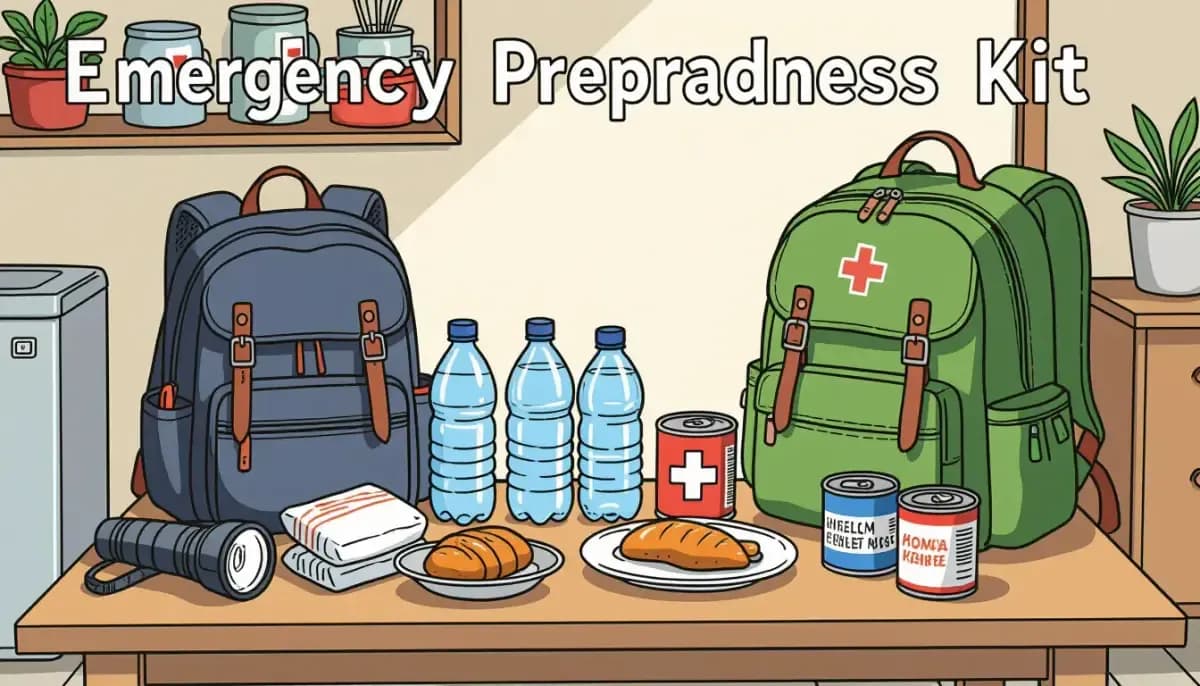
Emergency Supplies and Kit Guide for Japan Homeowners
Build the perfect emergency kit for your Japan home. Essential bosai bag checklist, where to buy supplies, and special tips for foreign homeowners in earthquake-prone Japan.
Read more →
Creating a Disaster Evacuation Plan for Your Japan Home
Learn how to create a disaster evacuation plan for your Japan home as a foreign homeowner. Covers Japan's alert systems, hazard maps, emergency kits, shelter locations, and post-disaster rights for foreigners.
Read more →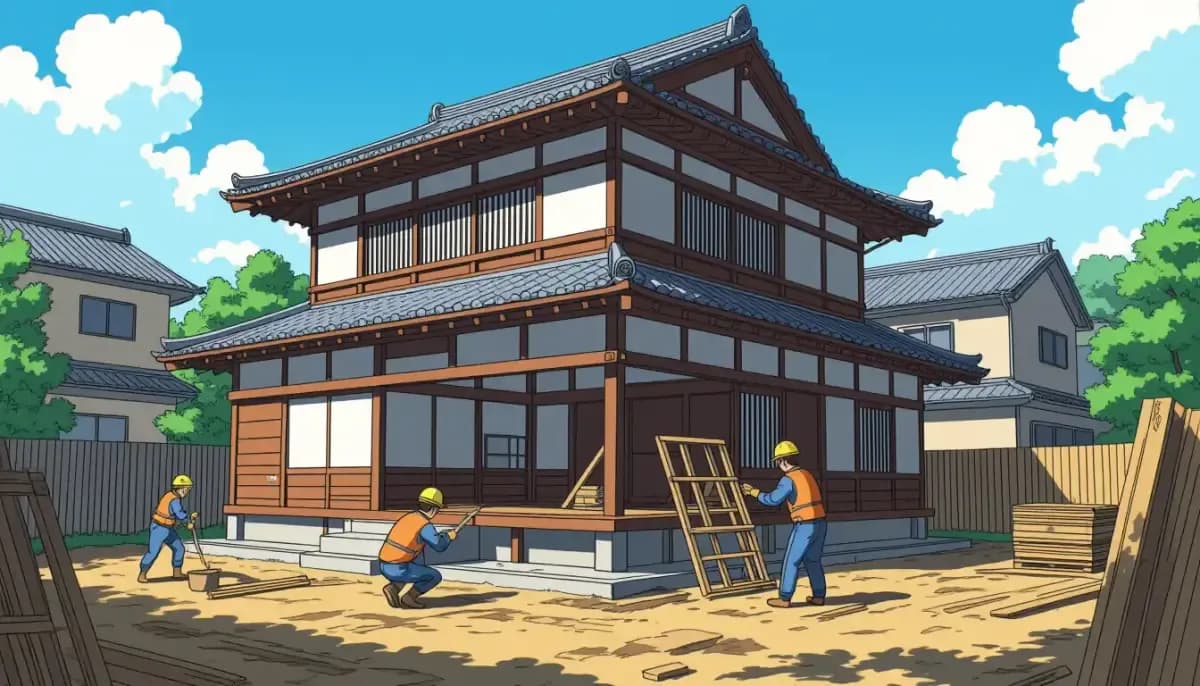
Seismic Retrofitting Options for Older Homes in Japan
Learn about seismic retrofitting options for older homes in Japan: costs, government subsidies up to ¥3M, tax incentives, and step-by-step process for foreign buyers.
Read more →