
Typhoon Property Protection Guide for Japan Homeowners

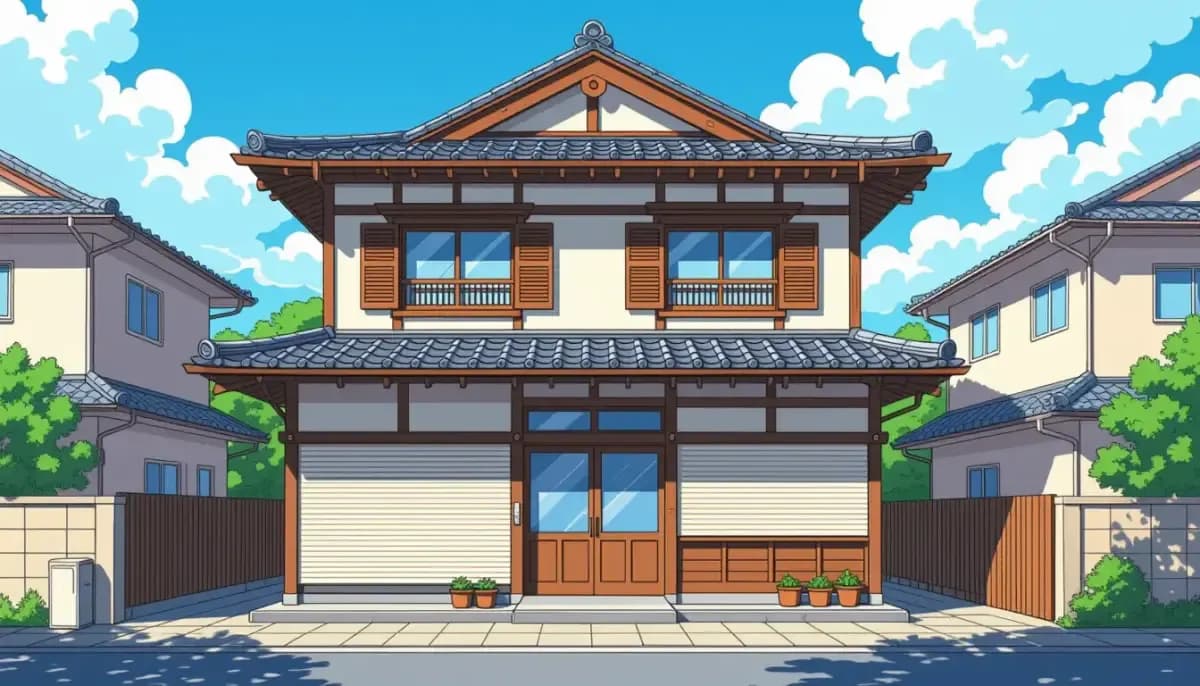
Complete guide to protecting your Japan property from typhoons: structural preparation, insurance coverage (fire and water damage), hazard maps, and post-storm claims for foreign homeowners.
Typhoon Property Protection Guide for Japan Homeowners
Japan experiences some of the most powerful typhoons in the world. If you own property in Japan — whether as a foreign resident or a non-resident investor — understanding how to protect your home from typhoon damage is essential. With an average of 25 typhoons per year (based on Japan Meteorological Agency data from 1991–2020), and some of the costliest storm damage events in modern history, being prepared is not optional. This guide walks you through everything from before-storm preparation and structural protection to insurance coverage and post-typhoon claims.
For a broader overview of risks when owning property in Japan, see the Earthquake Preparedness Guide for Japan Homeowners and the Flood Risk and Hazard Maps for Japan Property Buyers.
Understanding Japan's Typhoon Risk
Japan's typhoon season runs from July through October, with peak activity in August and September. Typhoons form in the western Pacific and typically track northward, hitting Kyushu, Shikoku, and Honshu the hardest — though no region is entirely immune. Even Hokkaido and the Tokyo metropolitan area regularly experience significant typhoon impacts.
The scale of damage can be extraordinary. Typhoon Hagibis in 2019 — one of the most destructive in recent history — caused an estimated $17.3 billion USD in damages, flooded over 68,000 homes, and breached levees at 135 locations along 71 rivers. Over 270,000 households lost power. In 2022, Typhoon Nanmadol prompted evacuation orders for 9 million people across western Japan.
Understanding these risks is the first step toward protecting your property. You should also check Japan's hazard maps to assess your specific location's flood and landslide exposure before purchasing — or to understand your risk if you already own.
Pre-Typhoon Property Preparation: What to Do Before the Storm
Preparation is your single most effective tool against typhoon damage. Begin preparations at least 48 hours before a typhoon is forecast to make landfall.
Securing the Exterior
- Clear gutters and drains: Blocked gutters cause water to back up under roof tiles and into the structure. Clean them before every typhoon season.
- Inspect the roof: Look for cracked or displaced tiles, rust on metal elements, and any gaps around chimneys or vents. Hire a contractor to repair defects before typhoon season begins.
- Check exterior walls: Cracks in exterior walls — even hairline fractures — allow water infiltration during sustained heavy rain. Seal these with appropriate waterproof caulk.
- Secure outdoor items: Bring all portable items indoors — potted plants, bicycles, laundry poles, patio furniture, and garden tools. Any unsecured item becomes a projectile in high winds.
- Tie down what can't be moved: Items like AC units, outdoor storage boxes, and large planters should be secured with straps or rope.
Window and Door Protection
Strong typhoons routinely generate gusts over 150 km/h. Glass windows are vulnerable. In Japan, storm shutters (雨戸, amado) are standard in many homes — if your home has them, close them before the storm arrives. If your home lacks storm shutters, consider applying protective window film to reduce the risk of glass shattering inward. Note: standard masking tape does little to prevent breakage, though it can reduce scattering of glass fragments.
Indoor Preparation
- Move valuables, electronics, and important documents to upper floors or waterproof storage
- Prepare an emergency kit (water, food, flashlights, battery-powered radio)
- Know your nearest evacuation shelter — check your local municipal disaster prevention guide
For detailed guidance on what to keep in an emergency kit, see the Emergency Supplies and Kit Guide for Japan Homeowners.
Structural Features That Protect Japanese Homes
Japan's building codes and traditional architectural practices incorporate several typhoon-resistant features. Understanding these can help you evaluate a property's resilience before buying.
| Feature | Description | Benefit |
|---|---|---|
| Storm shutters (雨戸) | Sliding or folding metal panels over windows | Protects glass from wind-borne debris |
| Reinforced roof tiles | Heavy concrete or clay tiles anchored to roof structure | Resists uplift from high winds |
| Hip roof design | Sloped on all four sides vs. gable roof | More aerodynamic, less prone to uplift |
| Elevated foundation | House raised above grade level | Reduces flood water intrusion |
| Waterproof exterior finishes | Acrylic, tile, or metal cladding | Prevents water infiltration during heavy rain |
| Sealed window joints | High-quality gaskets around all openings | Stops wind-driven rain from entering |
Newer homes built after 2000 generally incorporate improved materials and construction standards. Older homes — particularly wooden structures built before the 1981 and 2000 code revisions — may lack these protections and often benefit from retrofitting.
For information on retrofitting older homes, see Seismic Retrofitting Options for Older Homes in Japan, which also covers general structural reinforcement applicable to typhoon resilience.
Home Insurance in Japan: What Covers Typhoon Damage?
Insurance is critical, and the Japanese insurance system has important nuances that many foreigners miss. Gaijin Buy House has an excellent guide to home insurance and warranty systems in Japan for foreigners that covers this in depth.
Fire Insurance (火災保険) — The Foundation Policy
Despite its name, 火災保険 (kasai hoken) or "fire insurance" is actually a comprehensive home insurance product in Japan. Standard fire insurance covers:
- Fire, explosion, and lightning
- Wind damage from typhoons (wind speed above a threshold)
- Hail and snow damage
- Theft and vandalism
Critical point: Standard fire insurance covers wind damage — damage from typhoon winds, such as torn roof tiles, broken windows, and damaged exterior walls. However, it does NOT automatically cover water damage from flooding.
Water Disaster Coverage (水災補償) — Essential Add-On
Flood damage — from rivers overflowing their banks, heavy rain runoff, or storm surge — requires a separate water disaster rider (水災補償). Without this rider, a home that floods during a typhoon receives no payout for that flood damage.
Important conditions for water disaster claims:
- Flooding typically must reach at least 45 cm above ground level to trigger a claim
- Damage must be caused by inundation, not simply wind-driven rain
Approximately 23.1% of Japanese households live in areas with flood or landslide risk according to national hazard map data. If your property is in one of these areas, water disaster coverage is essentially mandatory.
Earthquake Insurance — Separate but Linked
Earthquake insurance in Japan cannot be purchased independently — it must be attached to a fire insurance policy. While typhoons and earthquakes are different perils, Japan's compound disaster risk (e.g., heavy rain loosening slopes damaged by a previous earthquake) makes holding both policies important.
For more detail, see the Disaster Rebuilding and Insurance Claims Process in Japan.
Cost of Home Insurance in Japan
Annual premiums depend on building type, location, and coverage scope:
- Condominiums (M-class): ¥4,450–¥39,200/year for fire insurance
- Wooden houses (H-class): Higher premiums due to greater fire and wind vulnerability
- Combined fire + earthquake: Typically ¥20,000–¥50,000/year
English-language insurance support is available through select providers. For a deeper look at insurance costs and options for foreign residents, the Living in Nihon resource hub and the For Work in Japan housing guide both offer useful orientation material for expats navigating Japanese home ownership.
Reading Hazard Maps Before You Buy (or Before Typhoon Season)
Japan's national and municipal governments publish detailed hazard maps (ハザードマップ) showing flood zones, storm surge risk areas, landslide risk areas, and river overflow zones. These are available through the Hazard Map Portal (国土交通省ハザードマップポータルサイト) at disaportal.gsi.go.jp.
How to use them:
- Enter your property address (or approximate location)
- Select the hazard type you want to view (flood, tsunami, landslide, etc.)
- Check the risk level — typically color-coded from white (low) to deep red/purple (extreme)
- Compare your location against evacuation routes and shelter locations
A key challenge: most hazard maps are in Japanese. As a foreign homeowner, working with a bilingual real estate agent or using translation tools is important for accurately interpreting your risk level. See How to Read and Use Japan Hazard Maps for Property Purchase for a step-by-step guide.
During and After a Typhoon: What Japan Homeowners Must Know
During the Storm
- Do not go outside until authorities confirm the typhoon has passed — the calm "eye" of a typhoon can be deceptive, with dangerous winds resuming shortly after
- Monitor NHK World or local weather services for real-time updates
- If water enters the home through gaps, use towels or sandbags to slow intrusion
- If conditions become dangerous, follow evacuation orders immediately — properties can be repaired, lives cannot
After the Storm: Documenting and Claiming Damage
- Photograph all damage before cleanup: Take timestamped photos and video of every damaged area — roof, walls, windows, flooded rooms, damaged contents
- Do not discard damaged materials immediately: Insurance adjusters often need to inspect damage in person
- Contact your insurance company promptly: Japanese insurers typically have claim windows; delayed reporting can complicate claims
- Get contractor quotes in writing: Insurers may require multiple quotes for repair work
- Retain all receipts: For temporary repair costs (tarps, emergency plumbing), save all receipts as these may be reimbursable
For the full process of filing claims and rebuilding after a major disaster event, see Disaster Rebuilding and Insurance Claims Process in Japan.
A useful checklist for storm preparation is also available at Wagaya Japan's Typhoon Season Guide.
Special Considerations for Foreign Homeowners in Japan
Foreign homeowners face a few additional challenges compared to Japanese nationals:
- Language barrier: Insurance policies, hazard maps, contractor communications, and evacuation notices are predominantly in Japanese
- Residency status: Non-resident property owners may have difficulty receiving real-time typhoon warnings or evacuation orders from local municipalities
- Insurance navigation: Some Japanese insurers require a domestic contact person or Japanese-language documentation
- Remote management: If you live abroad, arrange for a property manager or trusted local contact who can act quickly during a typhoon
For a comprehensive overview of the unique considerations for foreign property owners in Japan, including legal and financial aspects, see the Complete Guide to Buying Property in Japan as a Foreigner.
Additional insurance guidance for expats is provided in the realestate.co.jp article on Homeowners Insurance in Japan: Fire and Flood Insurance Explained and at Nippon Tradings' guide to disaster prevention measures.
Summary Checklist: Typhoon Property Protection for Japan Homeowners
Use this checklist to assess your typhoon readiness:
| Task | Timing | Priority |
|---|---|---|
| Review fire insurance policy for wind + water coverage | Before typhoon season | Critical |
| Check hazard map for flood/landslide risk | Before buying or annually | Critical |
| Add water disaster rider to insurance if in risk area | Before typhoon season | High |
| Inspect roof and exterior walls | Spring each year | High |
| Clean gutters and drains | Before each typhoon | High |
| Close storm shutters, secure outdoor items | 24–48 hrs before storm | High |
| Prepare emergency kit and know evacuation route | Before typhoon season | High |
| Photograph property condition before storm | Before each storm | Medium |
| Get contractor review for older (pre-2000) homes | Every 5 years | Medium |
| Ensure insurance policy English support | When purchasing policy | Medium |
Conclusion
Japan's typhoon season is a real and recurring risk for all property owners, but it is a manageable one. The combination of structural preparation, appropriate insurance coverage (including the critical water disaster rider), hazard map awareness, and a clear post-storm action plan gives foreign homeowners the tools to protect their investment effectively.
Start with your insurance policy: confirm it covers both wind damage and water damage for your specific location. Then work through the physical preparation checklist before each typhoon season begins. With the right preparation, your property can weather Japan's storms with minimal damage — and when damage does occur, a solid insurance policy and documented evidence will ensure you are made whole as quickly as possible.

Originally from Vietnam, living in Japan for 16+ years. Graduated from Nagoya University, with 11 years of professional experience at Japanese and international companies. Sharing information about buying property in Japan for foreigners.
View Profile →Related Articles

Climate Change Impact on Japan Property Risk Assessment
Learn how climate change affects Japan property risk—flood zones, earthquake hazards, typhoon exposure—and how foreign buyers can assess risk using Japan's hazard maps and mandatory disclosure rules.
Read more →
Disaster Rebuilding and Insurance Claims Process in Japan
Learn how Japan's earthquake insurance and disaster rebuilding process works for foreign homeowners. Covers claims steps, payout tiers, premiums, and practical tips for expats.
Read more →
How to Read and Use Japan Hazard Maps for Property Purchase
Learn how to read and use Japan's official hazard maps before buying property. Understand flood, earthquake, and tsunami risk zones with this step-by-step guide for foreign buyers.
Read more →
Emergency Supplies and Kit Guide for Japan Homeowners
Build the perfect emergency kit for your Japan home. Essential bosai bag checklist, where to buy supplies, and special tips for foreign homeowners in earthquake-prone Japan.
Read more →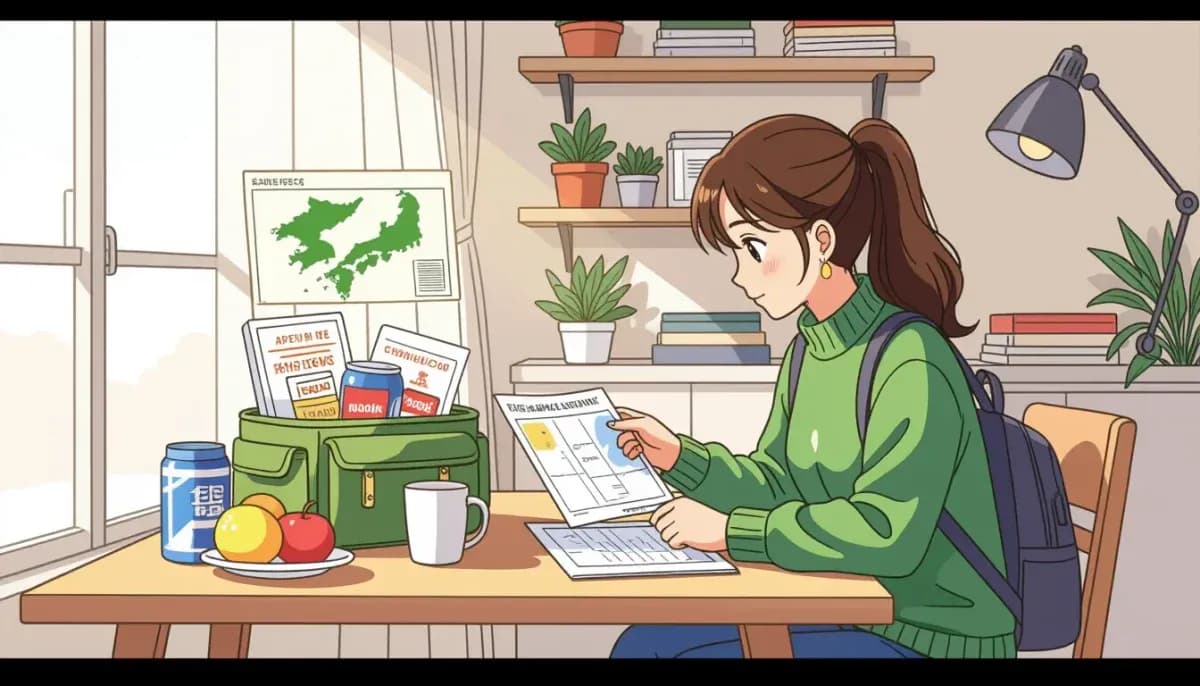
Creating a Disaster Evacuation Plan for Your Japan Home
Learn how to create a disaster evacuation plan for your Japan home as a foreign homeowner. Covers Japan's alert systems, hazard maps, emergency kits, shelter locations, and post-disaster rights for foreigners.
Read more →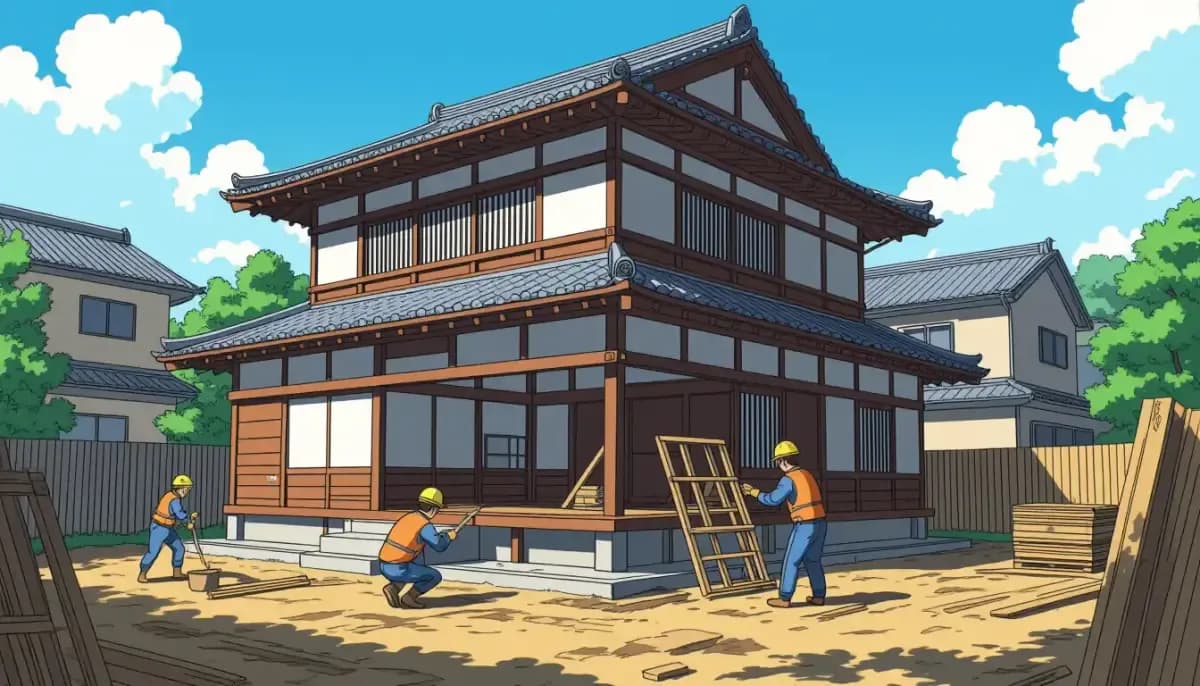
Seismic Retrofitting Options for Older Homes in Japan
Learn about seismic retrofitting options for older homes in Japan: costs, government subsidies up to ¥3M, tax incentives, and step-by-step process for foreign buyers.
Read more →