Buying Property in Kobe and Hyogo as a Foreigner: Your Complete Guide
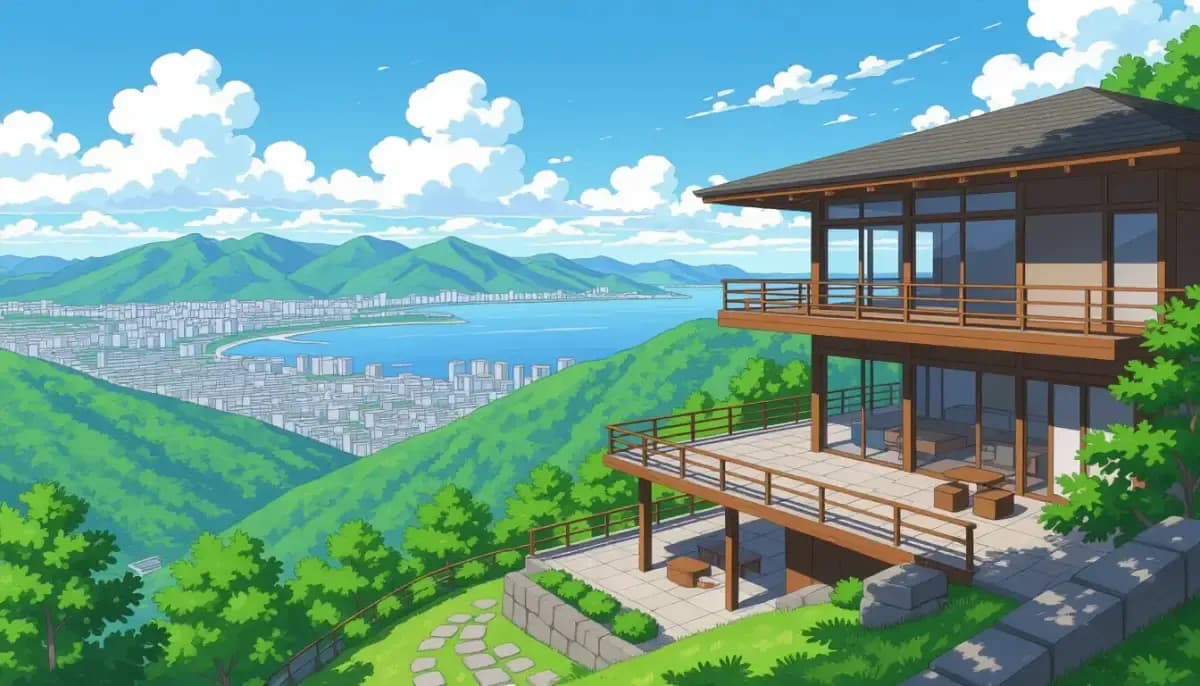
Kobe is one of Japan's most cosmopolitan cities — a historic port town with a rich international heritage, stunning views of Mount Rokko, and a relaxed lifestyle that draws expats from around the world. Combined with the broader Hyogo Prefecture, which stretches from the scenic Harima coast to the mountains of the interior, this region offers foreign buyers an exceptional range of real estate options at prices more accessible than Tokyo or even central Osaka.
Whether you're drawn by Kobe's European-influenced architecture in the Kitano district, the investment potential of Himeji or Akashi, or the quiet suburban charm of Ashiya and Nishinomiya along the Hanshin corridor, buying property in Hyogo as a foreigner is both legally straightforward and increasingly popular. This guide covers everything you need to know — from legal rights and the purchase process to property prices, mortgages, and local neighborhoods.
Can Foreigners Buy Property in Kobe and Hyogo?
The short answer is yes — and with almost no restrictions. Japan does not discriminate against foreign buyers in real estate. You can purchase land, apartments, detached houses, and commercial properties with the same legal rights as Japanese citizens, regardless of your nationality or visa status.
Key legal facts for foreign buyers:
- No restrictions on property type or location
- No additional taxes imposed on foreign purchasers
- Property ownership has no expiration date — it passes to heirs freely
- Owning property does not automatically grant a visa or permanent residency
- Non-residents must file a report with the Bank of Japan within 20 days of acquisition under Japan's Foreign Exchange and Foreign Trade Act (FEFTA)
This means a tourist, a student, or someone living abroad can legally purchase a home in Kobe without ever having lived in Japan. For a deeper look at the legal framework, see our guide on Can Foreigners Buy Property in Japan? Legal Rights and Restrictions.
Understanding Kobe and Hyogo's Real Estate Market
Hyogo Prefecture's real estate market has been steadily appreciating. In 2023, the average land price in Hyogo was approximately 165,200 yen per square meter, up from 160,900 yen the previous year — reflecting sustained demand driven by Kobe's economic strength and the region's excellent transport links.
| Area | Approx. Price per sqm | Property Type | Key Feature |
|---|
| Kobe City Centre (Chuo-ku) | ¥600,000–¥800,000 | Apartments | Commerce, harbor views |
| Kobe Outside Centre | ¥300,000–¥400,000 | Houses & apartments | Residential suburbs |
| Ashiya / Nishinomiya | ¥400,000–¥700,000 | Houses | Prestigious Hanshin area |
| Himeji | ¥100,000–¥200,000 | Houses | Affordable, castle city |
| Akashi | ¥150,000–¥250,000 | Houses & apartments | Coastal, commuter friendly |
| Kitano District (Kobe) | ¥500,000–¥900,000 | Western-style houses | Historic, expat-friendly |
Rental yields outside Kobe's city centre tend to be more attractive for investors: 3.78% gross yield compared to 2.64% in central areas. The price-to-rent ratio stands at 26.47 outside the centre versus 37.83 in the centre — suggesting suburban and mid-city properties offer better returns for buy-to-let investors.
For a broader look at how Kobe compares to other Kansai cities, see our guide on Buying Property in Osaka as a Foreigner.
Best Neighborhoods in Kobe and Hyogo for Foreign Buyers
Kitano (北野) — The Historic Expat District
Kitano is Kobe's most internationally famous neighborhood, home to dozens of preserved Western-style residences (ijinkan) built by early foreign residents. Today it remains popular with foreign buyers for its unique architecture, proximity to central Kobe, and cosmopolitan atmosphere. Property here commands a premium but retains strong value.
Chuo-ku (中央区) — Downtown Kobe
The heart of Kobe, Chuo-ku includes the popular Sannomiya and Motomachi areas. Excellent access to shopping, dining, and transport makes this ideal for those prioritizing walkability and urban convenience. Apartments are the dominant property type.
Nada-ku and Higashinada-ku — Upscale Residential Suburbs
These eastern wards of Kobe are home to prestigious residential neighborhoods popular with professionals and families. Higashinada in particular is known for its quiet streets, good schools, and access to Rokko Island. Ashiya and Nishinomiya — technically in neighboring areas but part of the Hanshin corridor — are among the most sought-after addresses in the Kansai region.
Himeji — Affordable and Historic
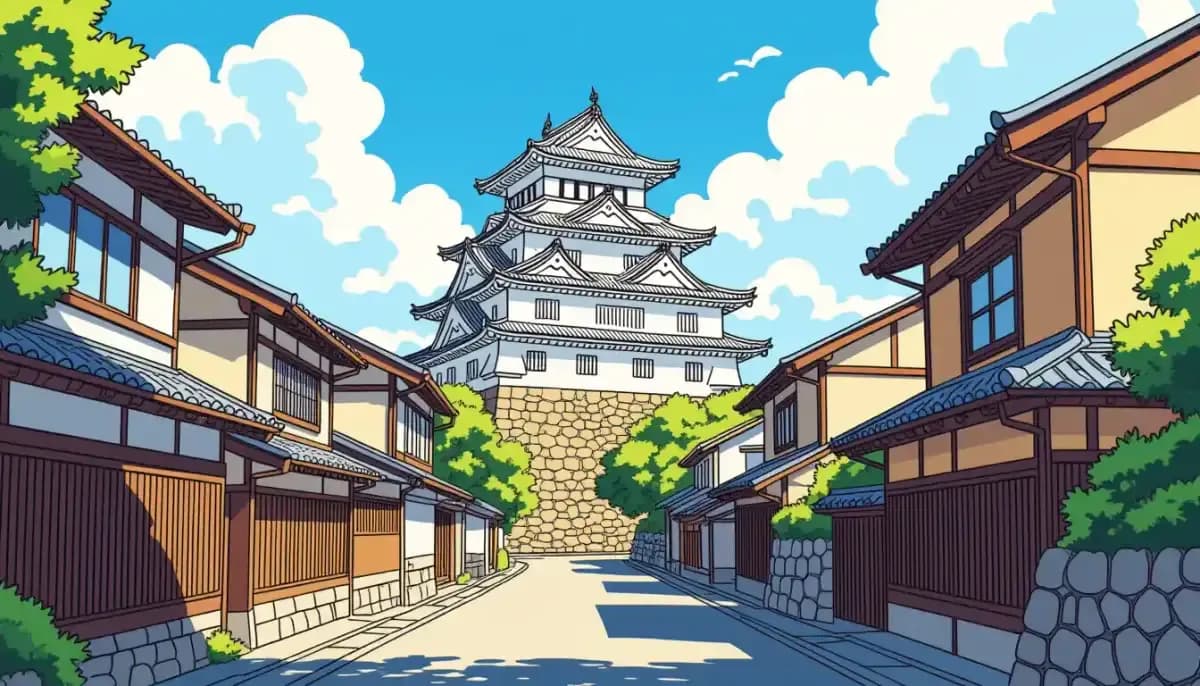
With Japan's most famous castle at its center, Himeji is one of Hyogo's largest cities and offers significantly more affordable property than Kobe. For buyers seeking space and value — especially those who can work remotely — Himeji is an increasingly popular choice.
Akashi and Suma-ku — Coastal Living
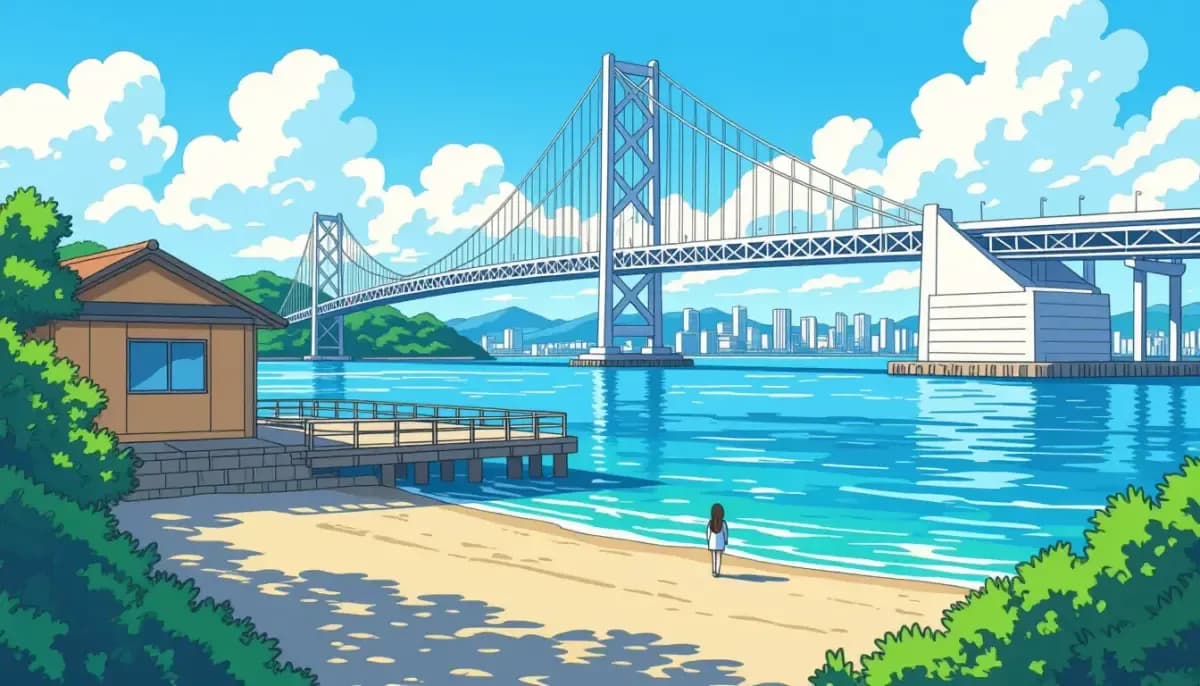
Akashi, famous for its bridge and fresh seafood, and Suma-ku in western Kobe both offer coastal living at reasonable prices. The Akashi-Kaikyo Bridge connects Hyogo to Awaji Island, another emerging option for foreign buyers seeking island lifestyle within commuting distance.
For more on finding the right type of property, see our guide on Types of Properties Available in Japan.
Step-by-Step: How to Buy Property in Kobe as a Foreigner
The property purchase process in Japan follows a structured sequence. Here is what to expect:
1. Define Your Budget and Purpose Before searching, clarify whether you're buying to live, invest, or both. Factor in the additional 6–8% of the purchase price in transaction costs (agent fees, registration taxes, stamp duty, and administrative costs).
2. Find an English-Speaking Real Estate Agent Several agencies in Kobe specialize in serving foreign clients. Move2Japan is a fully licensed English-speaking real estate agency based in Kobe that helps international clients through every step of the process — from search to signing.
3. Search Available Properties Online portals like Real Estate Japan (Kobe listings) and Wagaya Japan offer extensive listings in English. You can filter by area, price, property type, and whether the listing accepts foreign buyers.
4. Submit an Offer and Negotiate Once you find a property, submit a purchase offer. It's common to negotiate price, especially for older or vacant properties. Earnest money (usually 5–10% of the purchase price) is paid when a formal contract is signed.
5. Complete Legal Due Diligence Your agent or a judicial scribe (shiho shoshi) will review the property registry (touki) to verify ownership, liens, and legal status. This step is critical — never skip it.
6. Sign the Sales Contract A licensed real estate agent will explain the important matters document (juyosetsumei), a mandatory legal disclosure about the property. After review, both parties sign the sales contract.
7. Final Settlement and Registration The balance of the purchase price is paid, and the property title is transferred through official registration. For non-residents, additional documents are required: a notarized affidavit confirming your address and identity, and a certified passport copy. Since April 2024, these can be certified by a notary in your country of residence.
For a full walkthrough, see our Step-by-Step Home Buying Process in Japan for Foreigners.
Mortgages and Financing Options in Kobe
Getting a mortgage as a foreign national in Japan is possible but depends on your residency status:
- Permanent residents have the best access — most major banks and regional banks in Hyogo will offer mortgages at standard rates
- Long-term visa holders (work visa, spouse visa) may qualify through certain lenders, though conditions vary
- Non-residents will generally need to finance from abroad or use specialized international mortgage brokers
Japanese mortgage rates remain relatively low, with 20-year fixed loans averaging around 2.00% annually — making financing attractive for those who qualify. Regional banks in Hyogo, including Hyakugo Bank and Bank of Kyoto, may be worth approaching alongside major city banks.
For more detail, see our guide on Mortgages and Home Loans for Foreigners in Japan.
Costs of Buying and Owning Property in Hyogo
Beyond the purchase price, buyers should plan for these costs:
| Cost Item | Typical Amount |
|---|
| Agent commission (仲介手数料) | 3% of purchase price + ¥60,000 + tax |
| Registration and license tax | 0.4–2% of assessed value |
| Stamp duty (印紙税) | ¥10,000–¥60,000 depending on price |
| Judicial scribe fee | ¥50,000–¥150,000 |
| Annual fixed asset tax (固定資産税) | ~1.4% of assessed value |
| Annual city planning tax (都市計画税) | ~0.3% of assessed value |
The total transaction cost typically runs 6–8% of the purchase price. Annual ownership costs (property taxes) are modest by international standards — a ¥30 million apartment in Kobe might incur ¥100,000–¥200,000 in annual taxes.
For a complete breakdown, see Hidden Costs and Fees When Buying Property in Japan and Property Taxes and Annual Costs of Owning Property in Japan.
Why Foreign Buyers Are Choosing Kobe and Hyogo
Kobe has always had a cosmopolitan character — it was one of the first Japanese ports opened to foreign trade in 1868, and that international spirit endures. Today it combines:
- Accessibility: 30 minutes from Osaka (Umeda) by Hankyu or JR, with Shinkansen access from Shin-Kobe
- Affordability: Significantly cheaper than Tokyo and more affordable than central Osaka
- Lifestyle: World-class food scene (Kobe beef, sake country in Nada), mountains, beaches, and the vibrant harbor
- Safety: Kobe's buildings were significantly rebuilt after the 1995 Great Hanshin Earthquake and now meet modern seismic standards
- International community: Long-established foreign communities and English-friendly infrastructure
Foreign investment in Japan real estate nationally rose 18% year-on-year in 2024 to JPY 740 billion ($5 billion USD), with the Kansai region — which includes Kobe and Hyogo — capturing a meaningful share of that growth.
For guidance on navigating Japan's property ownership laws, Living in Nihon provides helpful expat-focused resources on life and legal matters in Japan. For those managing work-life considerations alongside a property purchase, For Work in Japan offers practical guidance for foreign professionals. The Kansai regional market context is covered in detail on Gaijin Buy House's Osaka and Kansai guide, which covers the region Kobe sits within.
Key Considerations Before Buying in Hyogo
Earthquake preparedness: The 1995 Great Hanshin Earthquake reshaped Kobe's building stock. Properties built after 1981 (new seismic standard) and especially after 2000 (enhanced standards) are significantly safer. Always check the construction year.
Flood and slope risk: Parts of Kobe are built on hillsides (rokko-oroshi terrain) with varying landslide risks. Check municipal hazard maps (hazard maps are public and available from city offices) before purchasing.
Akiya (vacant homes): Hyogo has a growing inventory of akiya — abandoned or vacant homes — available at steep discounts, sometimes even for free through government programs. This can be an opportunity for foreign buyers willing to renovate, though due diligence is essential. See our guide on Rural and Countryside Properties in Japan for Foreign Buyers.
Tax agent requirement: Non-residents who own property in Japan must appoint a tax agent (zeimu dairi) to handle annual tax filings on their behalf.
Getting Started with Your Kobe Property Purchase
Buying property in Kobe and Hyogo as a foreigner is genuinely achievable — and for many expats, it represents one of the best lifestyle and investment decisions available in Japan. The combination of lower prices than Tokyo, excellent infrastructure, an international community, and Japan's stable property market make Hyogo an attractive destination.
Start by:
- Clarifying your budget and timeline
- Connecting with an English-speaking agent (like Move2Japan)
- Exploring listings on platforms like Real Estate Japan
- Reviewing the complete Japan property purchase guide for end-to-end context
For further reading on the broader legal and financial framework, see our guides on Visa and Residency Considerations for Property Buyers and Legal Procedures and Documentation for Japan Property Purchase.
Kobe's blend of history, modernity, and international spirit makes it one of Japan's most rewarding cities to call home — and the property market reflects that enduring appeal.