
Kobe Waterfront and Harborland Property Guide

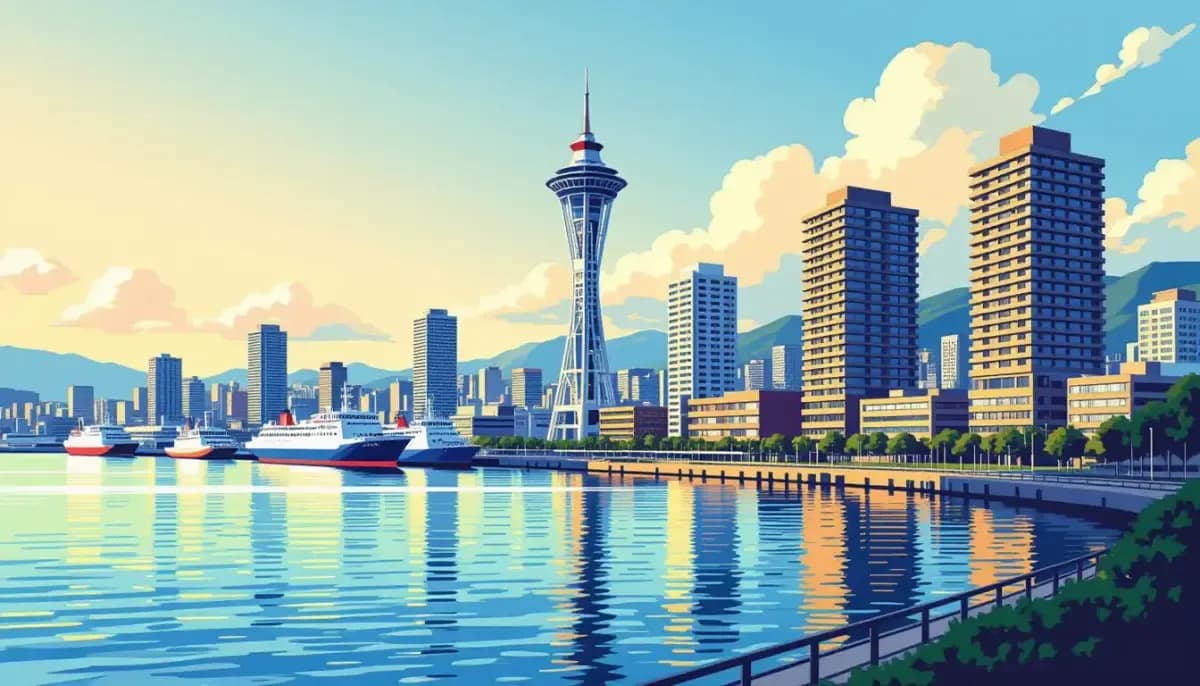
Complete guide to buying property in Kobe's waterfront and Harborland area as a foreigner. Covers prices, neighborhoods, legal process, and investment tips for expats in Japan.
Kobe Waterfront and Harborland Property Guide for Foreign Buyers
Kobe has long been one of Japan's most internationally minded cities — a port town that has welcomed foreign residents for over 150 years. Today, its waterfront and Harborland district continue to attract expats, investors, and lifestyle buyers looking for something different from the density of Tokyo or Osaka. With a stunning harbor backdrop, world-class dining, and a relaxed coastal pace, buying property in the Kobe waterfront area offers a compelling mix of quality of life and long-term value.
This guide walks you through everything a foreign buyer needs to know about Kobe's waterfront and Harborland property market: neighborhoods, prices, the buying process, investment potential, and practical tips for navigating the market as a non-Japanese resident.
Understanding Kobe's Waterfront: Key Neighborhoods
Kobe's waterfront stretches from Harborland in the west to Rokko Island in the east, with several distinct neighborhoods offering different lifestyles and price points.
Harborland (中央区 / Chuo-ku) Harborland is the commercial and entertainment heart of Kobe's waterfront. Developed in 1992 on former freight railway yards and port facilities, it covers 23 hectares and is home to the iconic Umie shopping complex (with around 230 shops and restaurants), the historic brick warehouses, and the famous mosaic waterfront promenade. Residential tower apartments here offer spectacular bay views and are within walking distance of JR Kobe Station and the subway network. It's the most sought-after waterfront address for both lifestyle buyers and investors.
Sannomiya and Motomachi Just east of Harborland, Sannomiya is Kobe's main business and transit hub, served by JR, Hankyu, Hanshin rail lines, and the subway. Motomachi, nearby, features historic Chinese neighborhoods (Nankinmachi), Meriken Park, and the iconic Kobe Port Tower. Properties here blend urban convenience with waterfront access, making them popular with young professionals and DINK couples.
Rokko Island A man-made island east of the city center, Rokko Island was specifically developed with foreign residents in mind. It hosts Canadian Academy and Deutsche Schule Kobe International School, making it a top choice for expat families. The Rokko Liner connects the island to Nada Station in minutes. Tower apartments offer views of Osaka Bay and are designed for international living standards, often with bilingual staff and foreigner-friendly lease terms.
Port Island (ポートアイランド) Another reclaimed island, Port Island hosts Kobe Airport, several universities, biotech research facilities, and a range of residential complexes. It's popular with professionals working in the life sciences sector — Kobe has over 100 international corporate headquarters including Eli Lilly, Procter & Gamble, and Nestlé.
Property Prices in the Kobe Waterfront Area
Kobe's property market is significantly more affordable than Tokyo or central Osaka, while still offering a premium urban lifestyle. Here's a realistic overview of current market conditions:
| Property Type | Area | Price Range (JPY) | Notes |
|---|---|---|---|
| 1LDK Apartment | Harborland / Chuo-ku | 18M – 35M | Tower blocks, bay views |
| 2LDK Apartment | Harborland / Chuo-ku | 30M – 60M | Mid to high-rise |
| 3LDK Apartment | Rokko Island | 35M – 65M | International school proximity |
| Investment Condo | Near Harborland | 15M – 20M | Rental yield ~5–6% |
| Luxury Tower | Bay City Tower / New Builds | 60M – 150M+ | Premium waterfront, 2023+ completions |
Market Performance: In 2023, Kobe condo prices increased 9% for existing units and a remarkable 42.5% for new developments — the highest growth rate among major Japanese cities. The Sannomiya district achieved a 68.7% market absorption rate as of May 2024, indicating strong demand. Despite these gains, Kobe remains attractively priced relative to Tokyo, where comparable waterfront properties can cost 2–3x more.
Investment Yields: An investment condo in Chuo-ku near Harborland was listed at approximately 16.3 million JPY with annual rental income of 849,600 JPY, representing a rental yield of 5.21%. Properties in slightly more working-class waterfront areas have achieved yields of 6%+.
For up-to-date listings and property analysis, Living in Nihon provides helpful context on expat life and real estate considerations across Japan.
Can Foreigners Buy Property in Kobe? Legal Framework
Yes — foreigners can purchase property in Japan, including Kobe waterfront properties, with no restrictions based on nationality. Japan's property ownership laws are among the most foreigner-friendly in Asia. You do not need permanent residency or a specific visa type to buy.
Key legal points for foreign buyers:
- No restrictions on purchase: Foreign nationals can buy land and buildings outright
- Registration: Property must be registered at the Legal Affairs Bureau in the buyer's name
- Tax identification: You'll need a Japanese tax identification number (マイナンバー or similar)
- Mortgage access: Getting a mortgage as a non-permanent resident is challenging but possible through certain banks (see our mortgage guide for foreigners)
- Annual costs: Property taxes, management fees, and building maintenance fees apply (see our property taxes guide)
For a complete overview of the legal purchase process, refer to our step-by-step buying guide and our dedicated article on legal procedures and documentation.
For Work in Japan offers useful resources on visa and work status that affect your eligibility for mortgages and residency-linked benefits when buying property.
The Buying Process: Step-by-Step for Kobe Waterfront
Buying property in Japan follows a structured legal process. Here's how it typically works for waterfront properties in Kobe:
1. Property Search and Agent Selection Work with a bilingual real estate agent familiar with the Kobe market. Agencies like Move2Japan, Maeda Real Estate (in operation since 1965), and Meiji Investment Group specialize in foreign buyers and have English-language services. Many listings for waterfront properties are available on platforms like Real Estate Japan, Wagaya Japan, and NOMU (Nomura Real Estate's English portal).
2. Property Inspection View properties in person where possible. For Harborland towers, pay attention to management fees (kanri-hi), building maintenance reserves (shūzen tsumitate), and the age of the building. Check the earthquake resistance certification — buildings constructed after 1981 meet the current New Seismic Standard (新耐震基準). Kobe was significantly affected by the 1995 Great Hanshin Earthquake, and post-1995 buildings have additional earthquake resilience features.
3. Making an Offer and Purchase Agreement Once you select a property, a purchase agreement (売買契約書) is drawn up. A licensed judicial scrivener (司法書士) or your agent will explain the terms. A deposit (usually 5–10% of purchase price) is paid at contract signing.
4. Due Diligence Review the Explanation of Important Matters (重要事項説明書) — a legally required disclosure document covering the property's legal status, restrictions, and any known defects. As a foreign buyer, ensure you have a bilingual agent or translator present.
5. Final Settlement and Registration On settlement day, the remaining balance is paid and the property is registered in your name. Total purchase costs typically include 5–8% in additional fees (agent commission, registration tax, acquisition tax, judicial scrivener fees). See our hidden costs guide for a full breakdown.
Why Foreign Buyers Are Attracted to Kobe Waterfront
Several structural factors make Kobe's waterfront a compelling long-term investment:
Established International Community Kobe has been home to a significant foreign community since the Meiji era. The Kitano district's ijinkan (historic foreign residences) are a legacy of this — and today, the city continues to attract expat families drawn by international schools (Canadian Academy, Deutsche Schule, St. Michael's International School) and multinational employers.
Supply Constraints Supporting Values Kobe's city government has implemented restrictions on new tower-mansion construction in some areas and introduced vacant unit taxes to discourage speculation. Combined with a shrinking population (below 1.5 million as of 2023, from 1.545 million in 2011) and demographic aging, supply is limited even as demand from foreign buyers rises. The working-age population is projected to decline 20% by 2040, which may put upward pressure on well-located properties.
Major Urban Development Projects The Kobe City Hall No. 2 redevelopment, slated for completion by 2029, will create a mixed-use complex combining public offices, hotels, retail, and commercial spaces near the waterfront. This type of infrastructure investment typically underpins property values in adjacent residential areas.
The Yen Factor For buyers holding USD, EUR, AUD, or other currencies that have strengthened against the yen, Japanese real estate has been at a significant discount in recent years. Kobe's relatively lower prices make it possible to acquire quality waterfront properties at price points that would be impossible in comparable cities globally.
For more on the Kobe and broader Hyogo property market, see our complete guide to buying property in Kobe and Hyogo as a foreigner. You can also explore Gaijin Buy House for community insights and practical buyer experiences from foreigners who have purchased in the Kobe area.
Practical Tips for Buying Waterfront Property in Kobe
Check Building Age and Seismic History Given Kobe's history with the 1995 earthquake, older buildings should be scrutinized carefully. Post-1995 buildings designed to the new seismic code offer greater peace of mind. Many of the premium tower apartments in Harborland were constructed after 1995 specifically with earthquake resilience as a feature.
Understand Management Fees High-rise waterfront towers typically have monthly management fees of 15,000–40,000 JPY and building maintenance reserves of 10,000–30,000 JPY per month, in addition to your mortgage payment. Factor these into your total monthly cost calculation.
Currency Transfer Planning If you're purchasing with overseas funds, plan your currency transfer carefully. Exchange rate fluctuations can significantly affect your total purchase cost. Specialist transfer services (Wise, OFX, Shinsei Bank's remittance services) often offer better rates than standard banks.
Consider Rental Potential Harborland and Sannomiya waterfront properties have strong rental demand from corporate expats, business travelers, and tourism-oriented short-term lets (where permitted). If you plan to rent out the property, confirm zoning permits the intended use. Rental yields of 4–6% are achievable in central waterfront locations.
Language and Legal Support Ensure you have bilingual support throughout the purchase process. A bilingual judicial scrivener (司法書士) is especially important for reviewing contracts and handling the registration process. Kobe's international community means bilingual professionals are relatively easy to find compared to smaller cities.
Comparing Kobe Waterfront to Other Japan Cities
| City | Avg Waterfront Apartment (2LDK) | Rental Yield | Foreign Community | Key Appeal |
|---|---|---|---|---|
| Kobe Harborland | 30M – 60M JPY | 4–6% | Strong, established | Coastal lifestyle, lower prices |
| Osaka Bay/Fukushima | 35M – 70M JPY | 3–5% | Growing | Urban density, Osaka access |
| Tokyo Odaiba/Toyosu | 60M – 150M+ JPY | 2–4% | Very large | Business hub, global connectivity |
| Yokohama Minato Mirai | 40M – 90M JPY | 3–5% | Large | Port atmosphere, Tokyo proximity |
Kobe stands out for offering the strongest combination of genuine waterfront lifestyle, an established international community, and competitive pricing relative to comparable Japanese cities.
Getting Started: Resources for Foreign Buyers in Kobe
Here are key starting points for your Kobe waterfront property search:
- Real Estate Japan — English-language listings across Kobe including Chuo-ku and Harborland
- Meiji Investment Group — Specializes in foreign buyers, bilingual service, detailed market analysis
- Move2Japan — English-speaking Kobe-based agency
- Maeda Real Estate — Operating since 1965, specialist in expat housing
- All Japan Relocation - Kobe Housing Guide — Expat rental and housing overview for Kobe
Before buying, review our comprehensive guide for foreigners buying property in Japan and understand your legal rights as a foreign property owner. If you're also weighing up other Kansai cities, our guides on Osaka and Kyoto provide useful comparisons.
Kobe's waterfront is one of Japan's most livable environments — and with the right preparation, it's a market where foreign buyers can find outstanding value and a genuinely international quality of life.

Originally from Vietnam, living in Japan for 16+ years. Graduated from Nagoya University, with 11 years of professional experience at Japanese and international companies. Sharing information about buying property in Japan for foreigners.
View Profile →Related Articles

Kobe After the Earthquake: Resilient Housing and Rebuilding
Discover how Kobe rebuilt after the devastating 1995 earthquake with world-class resilient housing. Essential guide for foreigners buying property in earthquake-safe Kobe, Japan.
Read more →
Kobe Rokko Mountain Area Property Guide
Complete guide to buying property in Kobe's Rokko Mountain area as a foreigner. Covers neighborhoods, villa prices, buying process, costs, and market outlook for expats.
Read more →
Hyogo Rural Property: Mountain and Countryside Options
Discover rural property options in Hyogo Prefecture's mountains and countryside. Pricing from ¥380,000, key areas, akiya buying guide, and tips for foreign buyers in Japan.
Read more →
Kobe Rental Property Investment Analysis for Foreigners
A complete analysis of Kobe's rental property investment market for foreign buyers: rental yields, top neighborhoods, legal steps, tax obligations, and how Kobe compares to Tokyo and Osaka.
Read more →
Awaji Island Property Guide: Retreat Living Near Kobe
Complete guide to buying property on Awaji Island, Japan for foreigners. Covers prices (from ¥1.9M akiya), the buying process, life on the island, and how to navigate the local market as a non-Japanese resident near Kobe and Osaka.
Read more →
Kobe Family Neighborhood Guide for Foreign Buyers
Discover the best family-friendly neighborhoods in Kobe for foreign buyers — Rokko Island, Kitano, Ashiya, Nishinomiya and more. Includes international schools, housing costs, and expert tips.
Read more →