
Awaji Island Property Guide: Retreat Living Near Kobe

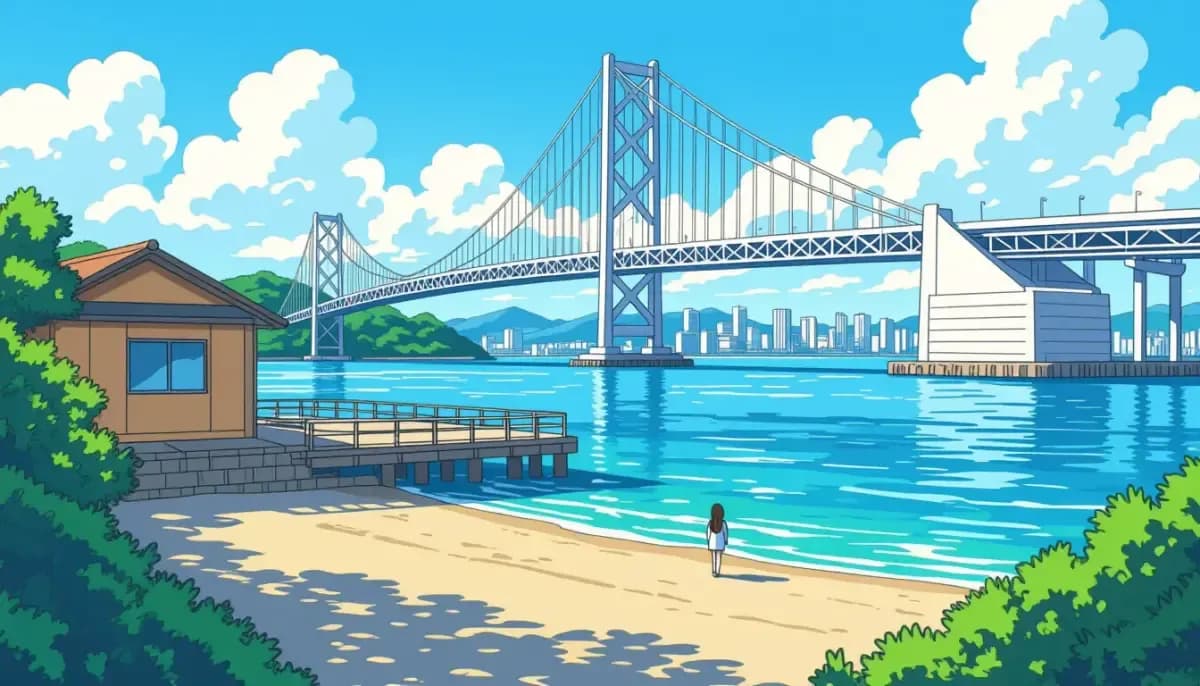
Complete guide to buying property on Awaji Island, Japan for foreigners. Covers prices (from ¥1.9M akiya), the buying process, life on the island, and how to navigate the local market as a non-Japanese resident near Kobe and Osaka.
Awaji Island Property Guide: Retreat Living Near Kobe
Awaji Island sits just 30 minutes from Kobe by car, yet it feels like a world apart. Japan's largest island in the Seto Inland Sea — 592 km² of coastline, farmland, and forested hills — has become one of the most talked-about destinations for foreigners seeking a slower pace of life without abandoning access to Japan's major cities. Whether you're drawn by affordable akiya (vacant house) prices, the island's mythological significance, or the architecture of Tadao Ando, Awaji offers a genuinely unique setting for property buyers.
This guide covers everything a foreign buyer needs to know about purchasing property on Awaji Island: prices, the buying process, practical life on the island, and how to navigate the local market as a non-Japanese resident.
Why Awaji Island Is Attracting Foreign Buyers
Awaji Island has quietly transformed over the past decade. The island's declining population — down 21% in Awaji City since 1995, with only about 41,967 residents remaining in 2020 — has created a large inventory of undervalued properties. At the same time, local governments have launched active revitalization programs, and new businesses, restaurants, and tourism facilities have sprung up across the island.
Several factors make Awaji particularly appealing for foreign buyers:
- Proximity to Kobe and Osaka: The Akashi Kaikyo Bridge — the world's longest suspension bridge with a central span of 1,991 meters — connects the island's north tip to Kobe's Maiko district. Drive time to Kobe is 30 minutes; to Osaka, around one hour.
- Affordable property prices: Akiya (vacant homes) regularly list from ¥2 million to ¥6 million ($13,000–$40,000 USD). Mid-range renovated properties run ¥10–20 million; newer homes average ¥14–38 million.
- Nature and food culture: The island is Japan's leading producer of tatami rush grass and Awaji onions (the largest and sweetest in Japan), and the original source stock for both Kobe and Matsuzaka Wagyu beef. Fresh seafood — horse mackerel, whitebait — is everywhere.
- Architecture and culture: Tadao Ando's Honpukuji Water Temple and the Awaji Yumebutai complex draw architecture enthusiasts worldwide. The island is also the birthplace of Joruri puppet theater, now a UNESCO Intangible Cultural Heritage.
- Mythological status: In Shinto tradition, Awaji is the first island created by the deities Izanagi and Izanami — the literal birthplace of Japan.
For more on the broader Hyogo region property market, see our Buying Property in Kobe and Hyogo as a Foreigner guide.
Property Prices on Awaji Island
Awaji Island spans three municipalities with noticeably different price levels:
| Area | Municipality | Property Type | Price Range (¥) | Price Range (USD) |
|---|---|---|---|---|
| Awaji City (north) | Awaji-shi | Akiya / older homes | ¥1.9M–¥6M | $12,000–$40,000 |
| Awaji City (north) | Awaji-shi | Mid-range renovated | ¥10M–¥25M | $65,000–$165,000 |
| Sumoto (center) | Sumoto-shi | Standard residential | ¥8M–¥30M | $52,000–$200,000 |
| Southern area | Minamiawaji-shi | Rural / agricultural | ¥3M–¥15M | $20,000–$100,000 |
| Coastal / new build | Any | New construction | ¥25M–¥40M | $165,000–$265,000 |
| Luxury villa | Coastal | High-end detached | ¥100M–¥330M | $660,000–$2.1M |
Current listings from akiya platforms show houses with 3–7 bedrooms and 66–415 m² of land selling for as little as ¥3.22M ($21,000) for older homes from the 1980s. A 2023-built home with 119 m² of floor space in Awaji City was recently listed at ¥38.5M ($243,000).
The market is bifurcated: very affordable older stock that often needs renovation, and a smaller but growing premium tier of new builds and renovated properties targeting urban escapes and retreat buyers.
For a broader comparison of Japan property prices by region, see our Japan Real Estate Market Overview and Trends guide.
Can Foreigners Buy Property on Awaji Island?
Yes — with no restrictions. Japan has no nationality-based limits on property ownership. As a foreigner, you enjoy identical legal rights as Japanese citizens: you can hold freehold title over both land and buildings, with no expiry date, and you can freely buy, sell, and inherit property. See our complete guide on Can Foreigners Buy Property in Japan? for a full legal breakdown.
Specific points relevant to Awaji Island purchases:
- Non-residents can buy: You do not need to live in Japan or hold a visa to purchase property. However, akiya programs that offer subsidized properties typically require the buyer to actually reside in the property — pure investment purchases may not qualify for those subsidies.
- Tax representative required: If you are a non-resident, you must appoint a Japanese tax representative to handle property tax filings on your behalf. See our guide on tax representative requirements for non-residents.
- All contracts in Japanese: Legal documents are in Japanese only; translations carry no legal weight. Use a bilingual agent or a judicial scrivener who can explain the documents to you.
- Reporting obligation: Property purchases over ¥30 million trigger reporting under the Foreign Exchange and Foreign Trade Act (FEFTA).
For more detail on legal rights and restrictions, read our Foreign Property Ownership Laws in Japan article.
The Buying Process for Awaji Island Property
The process mirrors the standard Japan property purchase timeline, which runs 60–90 days from offer to settlement. Here's how it typically unfolds on Awaji:
Step 1: Find a Property
Most Awaji Island listings appear on:
- SUUMO, Homes.co.jp, at-home: Japan's main property portals (Japanese interface)
- AllAkiyas.com, AkiyaBanks.com, Akiya & Inaka: English-language platforms aggregating vacant house listings across Japan including Awaji
- Municipal akiya banks: Awaji-shi, Sumoto-shi, and Minamiawaji-shi each maintain their own vacant house databases
- Local agents: Small real estate agencies in Sumoto handle most on-island transactions
Step 2: Arrange Viewings and Make an Offer
Property viewings can often be arranged remotely with video walkthroughs for overseas buyers. Once you identify a property, make a formal offer through the agent. Read our making an offer in Japan guide for details.
Step 3: Sign the Purchase Agreement
After offer acceptance, you receive the Important Matters Explanation document (Juuyou Jikkou Setsumeisho), a mandatory disclosure covering the property's legal status, any encumbrances, and key terms. You then sign the purchase agreement and pay a deposit (typically 10% of the purchase price). Our Japan property purchase contract explained guide covers what to look for.
Step 4: Closing and Registration
The remaining balance is paid at settlement, and ownership is transferred via property registration (touki) handled by a judicial scrivener. The full process is detailed in our step-by-step home buying process in Japan guide.
Costs of Buying Property on Awaji Island
Beyond the purchase price, expect to pay 5–6% of the property value in acquisition costs (7–8% if using a mortgage):
| Cost | Rate / Amount |
|---|---|
| Real estate agent commission | 3% + ¥60,000 + 10% consumption tax |
| Stamp duty (inshi zei) | ¥1,000–¥480,000 depending on contract value |
| Real estate acquisition tax | 3% of assessed value (4% for land, 3% for buildings) |
| Registration and license tax | 0.4%–2% depending on transaction type |
| Judicial scrivener fees | ¥50,000–¥150,000 |
| Fire/earthquake insurance | First year premium varies |
Annual ongoing costs include fixed asset tax (1.4% of assessed value) and, if the property is in an urban planning zone, city planning tax (up to 0.3%). For a full breakdown, see our guides on hidden costs and fees when buying property in Japan and property taxes and annual costs.
Learn more about buying property as a foreigner at Living in Nihon
Akiya (Vacant Houses) on Awaji Island
Akiya properties are the standout opportunity on Awaji Island. With a rapidly aging population (approximately 39% of residents are over 65) and significant outmigration of younger residents, the island has a substantial stock of vacant homes.
How to find akiya on Awaji:
- Each municipality maintains an official akiya bank — contact the local planning/revitalization office directly
- English-language platforms: AllAkiyas, MailMate's guide to akiya banks for foreigners, and Akiya Hub's buyer guide
- Private listings through local agents in Sumoto
Renovation costs to budget for:
- Tatami replacement: ¥150,000–¥300,000 per room
- Roof repair or replacement: ¥500,000–¥2M+
- Full kitchen/bathroom modernization: ¥2M–¥5M
- Complete structural renovation: ¥7.5M–¥15M
- Comprehensive modernization of an older akiya: ¥10M–¥20M total renovation budget
Important caveat: Most municipal akiya subsidy programs require the buyer to establish primary residence in the property. Pure investment or holiday home purchases may not qualify for renovation grants or discounted pricing. Verify eligibility before purchasing.
See our complete renovation costs guide for used properties in Japan for budgeting guidance.
Explore relocation resources at For Work in Japan
Life on Awaji Island as a Foreigner
Awaji Island had just 302 registered foreign nationals in Awaji City as of the 2020 census. The expat community is genuinely tiny — you will likely know most of the foreign residents personally within a few months. This is both a feature and a limitation.
What daily life looks like:
- Car is essential: Public buses are infrequent and limited. You cannot realistically live on Awaji without a vehicle. Budget for a car, insurance, and fuel (approximately ¥152/liter currently).
- Access to services: Sumoto (central island) has the most complete range of services — hospital, supermarkets, banks, government offices. The north and south are more rural.
- Shopping: Major supermarkets, home centers (like Cainz), and convenience stores are available. For specialized goods or large shopping trips, Kobe and Osaka are accessible.
- Language: Outside of tourism areas, English is rarely spoken. A working knowledge of Japanese is practically important for daily life, not just property transactions.
- Community: Tight-knit and traditional. Neighbors tend to be curious and welcoming of newcomers, particularly in rural areas seeking revitalization. Participation in local events makes integration significantly easier.
- Seasonal rhythm: Summer brings beaches, festivals, and visitors. Fall and winter are quiet. Nightlife and entertainment options are minimal year-round.
Digital nomad and remote-work angle: Several co-working and retreat facilities have opened on the island, positioning it as a base for remote workers. Internet infrastructure is adequate for professional remote work in most areas.
Find more about island living and foreign property ownership at Gaijin Buy House
Getting a Mortgage for Awaji Island Property
Mortgages are available to foreigners in Japan but require meeting specific criteria. Key lenders with English-language support who accept foreign nationals include SMBC Trust Bank PRESTIA, Suruga Bank, and Shinsei Investment & Finance. Most require:
- Annual income of ¥4–7M (approximately $27,000–$47,000 USD)
- Down payment of 10–28% of property value
- Valid visa status (permanent residency is preferred but not always required)
For lower-priced akiya, cash purchases are common and often simpler. Our complete guide to mortgages and home loans for foreigners in Japan covers all lender options and eligibility requirements.
For the Flat 35 government-backed loan (available for properties meeting certain building standards), see our Flat 35 housing loan guide.
Awaji Island vs. Nearby Alternatives
How does Awaji compare to other retreat and resort options in the Kansai area?
| Location | Distance to Kobe | Price Level | Foreign Community | Lifestyle |
|---|---|---|---|---|
| Awaji Island | 30 min by car | Low–Mid | Very small | Rural, coastal, nature |
| Kobe (Kitano area) | In city | Mid–High | Established | Urban, international |
| Ashiya / Nishinomiya | 15–30 min | High | Small | Affluent suburban |
| Nara (outskirts) | 1 hr | Low–Mid | Minimal | Cultural, quiet |
| Kyoto (northern) | 2 hrs | Mid | Moderate | Cultural, traditional |
For buyers comparing Awaji with Kobe city itself, see our Kobe vs Osaka property comparison guide and our Ashiya and Nishinomiya luxury property guide.
Key Considerations Before Buying on Awaji
1. Car dependency: Without a car, daily life on Awaji is genuinely difficult. Factor vehicle costs into your total budget.
2. Seismic risk: The Nojima Fault runs through the center of the island. Awaji was the epicenter of the 1995 Great Hanshin Earthquake. Earthquake insurance is strongly recommended; verify the building's seismic compliance certificate. Buildings constructed before 1981 were built under older (pre-1981 earthquake resistance standards) building codes. Our guide on fire and earthquake insurance in Japan explains costs and coverage.
3. Renovation scope: Most affordable akiya require significant renovation. Get professional building inspections before committing. Our property inspection and building survey in Japan guide explains what to look for.
4. Language and logistics: Most transactions, contracts, and municipal processes are in Japanese only. A bilingual agent or professional intermediary is highly recommended for non-Japanese speakers. For a broader guide on the buying process, see our complete guide to buying property in Japan as a foreigner.
5. Residency rules for subsidized properties: If you're pursuing akiya subsidies or municipal grants, confirm that your visa status and intended use (primary residence vs. holiday home) meets eligibility criteria.
Conclusion
Awaji Island represents one of the more compelling property opportunities in Japan for buyers seeking something beyond the usual urban alternatives. The combination of extremely affordable vacant housing, dramatic natural scenery, close proximity to Kobe and Osaka, and growing revitalization momentum creates a market that rewards buyers willing to do their homework.
For foreigners, the island works best as a primary residence or semi-permanent retreat — the remote community, language barriers, and car-dependent logistics require genuine commitment. For those ready to make that commitment, Awaji offers a quality of life — fresh food, ocean views, meaningful community, and easy access to world-class cities — that is hard to match anywhere else in Japan at these price levels.
For more detailed guidance on the buying process, read our step-by-step home buying process in Japan for foreigners and our Japan property buying checklist for foreign buyers.

Originally from Vietnam, living in Japan for 16+ years. Graduated from Nagoya University, with 11 years of professional experience at Japanese and international companies. Sharing information about buying property in Japan for foreigners.
View Profile →Related Articles

Kobe After the Earthquake: Resilient Housing and Rebuilding
Discover how Kobe rebuilt after the devastating 1995 earthquake with world-class resilient housing. Essential guide for foreigners buying property in earthquake-safe Kobe, Japan.
Read more →
Kobe Rokko Mountain Area Property Guide
Complete guide to buying property in Kobe's Rokko Mountain area as a foreigner. Covers neighborhoods, villa prices, buying process, costs, and market outlook for expats.
Read more →
Hyogo Rural Property: Mountain and Countryside Options
Discover rural property options in Hyogo Prefecture's mountains and countryside. Pricing from ¥380,000, key areas, akiya buying guide, and tips for foreign buyers in Japan.
Read more →
Kobe Rental Property Investment Analysis for Foreigners
A complete analysis of Kobe's rental property investment market for foreign buyers: rental yields, top neighborhoods, legal steps, tax obligations, and how Kobe compares to Tokyo and Osaka.
Read more →
Kobe Family Neighborhood Guide for Foreign Buyers
Discover the best family-friendly neighborhoods in Kobe for foreign buyers — Rokko Island, Kitano, Ashiya, Nishinomiya and more. Includes international schools, housing costs, and expert tips.
Read more →
Himeji Property Guide: Affordable Options in Hyogo
Complete guide to buying property in Himeji, Hyogo as a foreigner. Covers akiya prices from ¥300K, neighborhoods, the buying process, mortgages, and costs for international buyers in 2025.
Read more →