
Kobe Rokko Mountain Area Property Guide

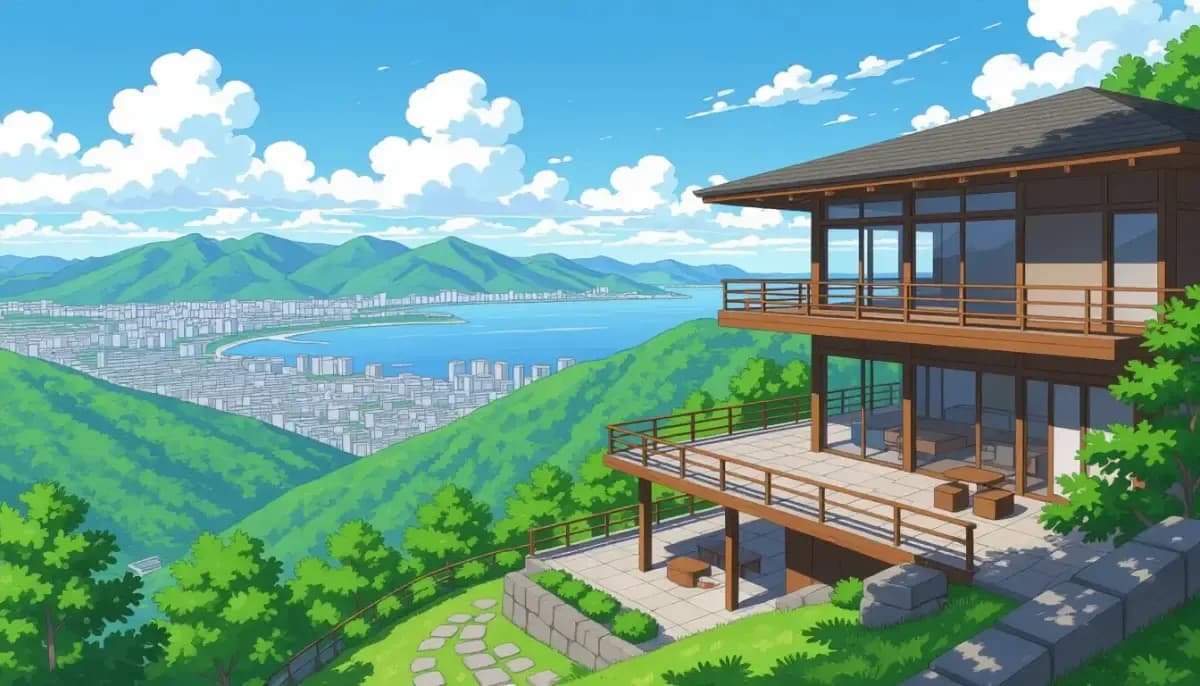
Complete guide to buying property in Kobe's Rokko Mountain area as a foreigner. Covers neighborhoods, villa prices, buying process, costs, and market outlook for expats.
Kobe Rokko Mountain Area Property Guide for Foreigners
Perched above Kobe's sparkling coastline, the Rokko Mountain area has captivated foreign residents since the late 19th century. When Kobe's international merchant community sought refuge from sweltering summers, they built elegant villas along these forested slopes — creating one of Japan's most unique expat-friendly residential landscapes. Today, the Rokko Mountain area offers a rare combination: mountain tranquility, world-class views over Osaka Bay, and easy access to one of Japan's most cosmopolitan cities. For foreigners seeking property in Japan, Rokko represents a distinctly special opportunity.
This guide covers everything you need to know about buying property in the Kobe Rokko Mountain area — from neighborhood profiles and property types to pricing, the buying process, and practical tips for foreign purchasers.
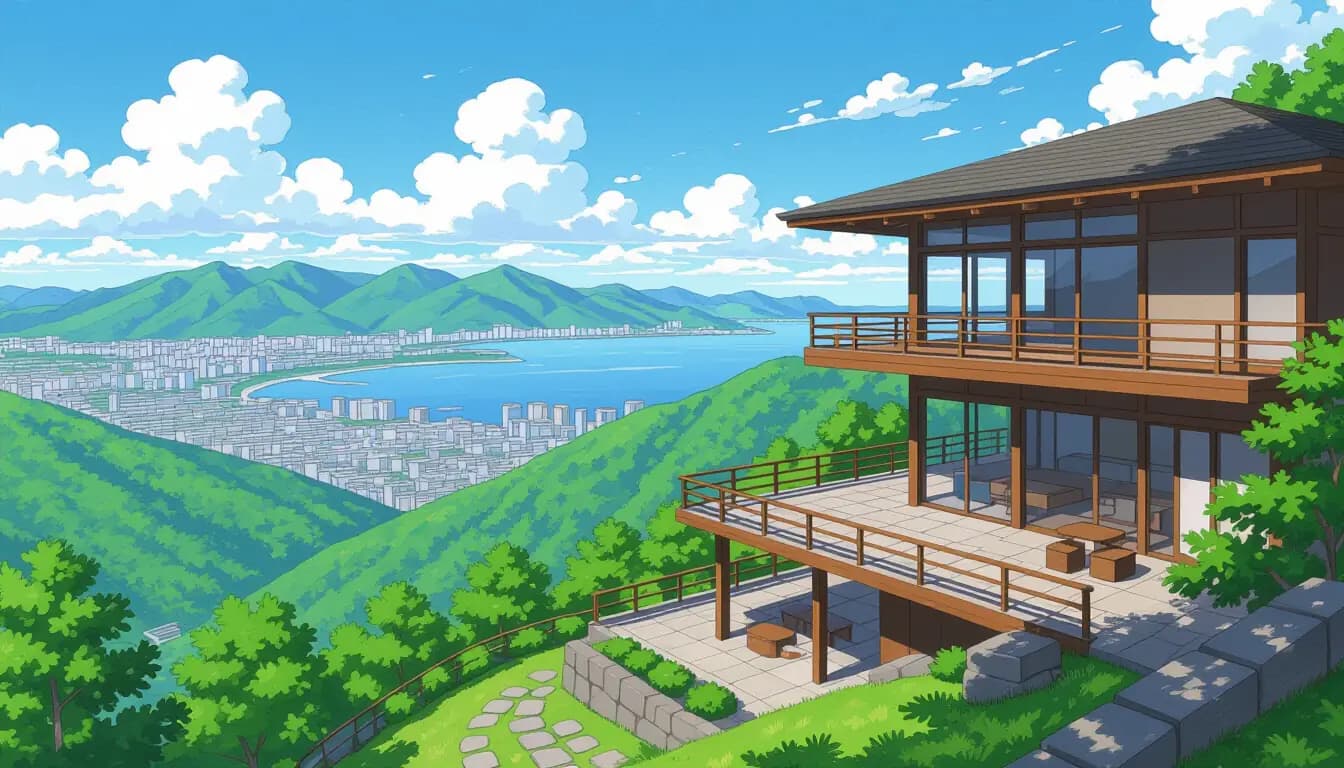
Why Choose Rokko Mountain? The Appeal for Foreign Buyers
The Rokko Mountain range stretches roughly 30 kilometers through northern Kobe, rising to a peak of 931 meters at Mount Rokko itself. Unlike typical Japanese suburban areas, Rokko has an almost European mountain-resort character — a legacy of the foreign residents who shaped it over a century ago.
Natural beauty and lifestyle: The mountain offers four seasons of outdoor activity. Summer means hiking through cool forests and escaping the coastal humidity. Autumn brings stunning foliage. Winter sees skiing and snowboarding at nearby resorts. Spring delivers cherry blossoms and fresh greenery. Botanical gardens, ropeways, and scenic observation decks make everyday life here feel like a perpetual weekend getaway.
Proximity to Kobe and Osaka: Despite the mountain setting, Rokko is only 15–20 minutes by car or ropeway from central Kobe's Sannomiya district. From there, Osaka is 30 minutes by train. This accessibility makes Rokko viable as a primary residence for professionals, not just a vacation retreat.
Historical expat character: The foreign community built summer estates here starting in the 1890s. Many of these estates have been maintained or restored, giving the area a distinctive architectural character unlike anywhere else in Japan. The Kitano-cho district below, famous for its ijinkan (foreign residences), is part of the same cultural ecosystem.
Kobe's international infrastructure: Kobe has over 50,000 expatriates, international schools, English-language services, and a long history of welcoming foreign residents. For more on buying in the broader Kobe area, see our complete guide to buying property in Kobe as a foreigner.
Rokko Mountain Neighborhoods: Where to Buy
The Rokko Mountain area encompasses several distinct neighborhoods, each with its own character and price profile.
Rokko-michi and Nada Area (Lower Slopes)
The lower slopes around Rokko-michi Station (Hankyu Kobe Line) offer the most convenient access to central Kobe. Properties here tend to be a mix of older detached houses, refurbished villas, and some newer condominiums. This is where the mountain lifestyle begins — close enough to urban amenities but with noticeably more greenery and space than central Kobe.
Best for: Families who want good access to international schools and prefer an urban-adjacent lifestyle with a mountain feel.
Rokko Area (Mid-Slopes)
The mid-slope areas around the Rokko Cable Car base station are the heart of the traditional villa zone. Here you find the classic Rokko properties: large plots with old Western-style houses, mature trees, and exceptional views. Core 8 Properties, a specialist agency for Rokko villas, focuses much of its portfolio on this zone.
Best for: Buyers seeking character properties with history, large land areas, and the authentic Rokko mountain experience.
Kitano-cho (Lower Kobe, Historical Expat District)
Technically below the mountain proper, Kitano-cho is home to preserved ijinkan (foreign residences) and is strongly associated with Kobe's international heritage. Properties here are limited, often listed as cultural assets, and command premium prices. The neighborhood has a walking-distance lifestyle to Sannomiya.
Best for: Buyers who prioritize historical character, central location, and Kobe's cosmopolitan heritage.
Rokko Island (Man-Made Island, Eastern Kobe)
Rokko Island is a distinct residential community — a reclaimed island in Kobe's eastern harbor that was "specially designed and made for foreigners." It hosts Canadian Academy, Deutsche Schule Kobe International School, and significant foreign corporate housing. Tower condominiums with harbor views and bilingual services dominate.
Best for: Corporate transferees with children, buyers prioritizing international school access and high-rise convenience.
Property Types and Price Ranges
Understanding Rokko's property landscape requires thinking in terms of tiers:
| Property Type | Location | Price Range | Key Features |
|---|---|---|---|
| Mountain Villa (Detached) | Mid-Slopes, Traditional Zone | ¥50M–¥250M+ | Large plots, historical character, views |
| Renovated Villa | Rokko-michi area | ¥30M–¥80M | Updated interiors, mountain access |
| Tower Condominium | Rokko Island | ¥40M–¥120M | Harbor views, international community |
| Older Detached House | Lower Slopes | ¥20M–¥60M | Urban convenience, garden potential |
| Akiya (Vacant Home) | Various | ¥1M–¥20M | Low price, renovation required |
High-end villas: Specialist agency Core 8 Properties lists premium Kobe-area properties ranging from ¥98 million for an 8-bedroom beachfront ryokan to ¥250 million for a 3-bedroom luxury Awaji Island residence. Mid-slope Rokko villas on large plots tend to fall in the ¥50M–¥150M range.
Rental market context: For expats considering renting before buying, Kobe expat-quality apartments command ¥180,000–¥300,000/month for a 1-bedroom and ¥280,000–¥550,000/month for 2 bedrooms. Houses in expat areas run ¥450,000–¥1,100,000/month for 3–4 bedrooms.
For a broader view of property types across Japan, see our complete guide to types of properties in Japan.
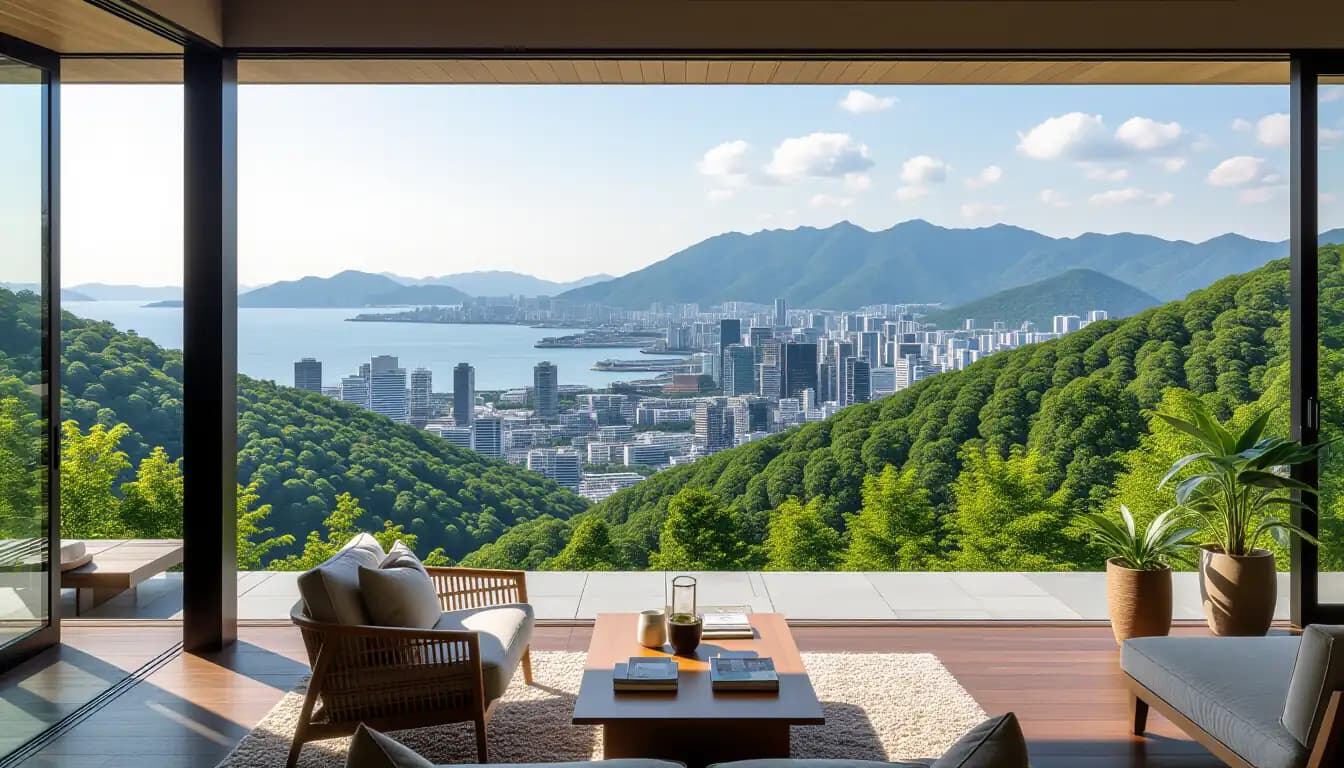
The Buying Process for Foreigners
Japan's property purchase process is famously open to foreigners — there are no legal restrictions on foreign ownership of land or buildings. However, the practical steps require careful navigation.
!The Buying Process for Foreigners - illustration for Kobe Rokko Mountain Area Property Guide
Step 1 – Property Search and Agent Selection
For the Rokko area, working with an English-speaking specialist matters. Agencies like Core 8 Properties specialize in Rokko villas, while Maeda Real Estate and Move2Japan serve the broader Kobe expat market. General portals like Real Estate Japan (realestate.co.jp) also list properties, but local specialists have off-market knowledge.
Step 2 – Making an Offer and Letter of Intent
Once you identify a property, you submit a purchase offer (申込書, moushikomisho). In Japan, this is typically non-binding but signals serious intent. The seller may counter-offer; negotiation is normal.
Step 3 – Due Diligence and Explanation of Important Matters
By Japanese law, a licensed real estate agent must provide you with a written "Explanation of Important Matters" (重要事項説明, juuyou jikou setsumeisho) before signing any contract. This document covers legal status, encumbrances, zoning, and property-specific issues. In the Rokko area, pay particular attention to:
- Mountain land zoning and building restrictions
- Access road status (some villa plots have private access roads)
- Building age and earthquake compliance (pre-1981 structures may predate modern seismic standards)
- Any cultural property designations (relevant in Kitano-cho)
Step 4 – Sales Contract and Deposit
You sign the 売買契約 (baibai keiyaku, purchase contract) and pay a deposit — typically 10% of the purchase price. At this point, backing out without cause means forfeiting the deposit.
Step 5 – Final Payment and Registration
The remaining balance is paid at closing, along with all taxes and fees. Ownership is transferred via registration at the Legal Affairs Bureau. You'll receive a copy of the 登記簿 (toukibo, property register) confirming your ownership.
For a detailed walkthrough of every step, see our step-by-step home buying process guide.
Costs and Taxes to Budget For
Buying property in the Rokko area involves several layers of costs beyond the purchase price:
| Cost Item | Typical Amount | Notes |
|---|---|---|
| Agent Commission | 3% + ¥60,000 + tax | Legal maximum in Japan |
| Registration Tax | 0.4%–2% of assessed value | Land registration, ownership transfer |
| Stamp Duty | ¥10,000–¥600,000 | Based on contract value |
| Fixed Asset Tax | 1.4% of assessed value/year | Annual ongoing cost |
| City Planning Tax | 0.3% of assessed value/year | Annual, applies in urban areas |
| Building Inspection | ¥30,000–¥100,000 | Strongly recommended for older villas |
| Judicial Scrivener (Shihoushoshi) | ¥100,000–¥300,000 | Handles registration paperwork |
For a comprehensive breakdown, see our guide to hidden costs when buying property in Japan and property taxes and annual costs guide.
Mortgages and Financing for Foreign Buyers
Obtaining a Japanese mortgage as a foreigner is possible but requires meeting specific criteria. Most Japanese banks require:
- Permanent residency or certain visa types
- Stable Japanese income history (typically 2–3 years)
- Sufficient credit history in Japan
For Rokko Mountain villas — particularly older properties on non-standard land configurations — some banks may be more conservative. Specialist expat mortgage brokers can help identify lenders willing to finance unusual mountain properties.
International buyers purchasing without a Japanese mortgage (cash buyers) face fewer hurdles. Many Rokko villa transactions, especially at the upper end of the market, are cash purchases.
For full details, see our guide to mortgages and home loans for foreigners in Japan.
Market Outlook: Is Rokko a Good Investment?
Kobe's real estate market presents an interesting paradox. Population decline is a structural challenge: the city's population fell below 1.5 million in 2023, down from 1.545 million in 2011, with a projected 20% decline in the working-age population by 2040. In response, Kobe has banned new tower-mansion projects and is considering vacancy taxes on unused units.
Yet despite demographic headwinds, Kobe's property prices surged recently. In 2023, condominium prices rose 9% for existing units and a striking 42.5% for new developments — the strongest growth among major Japanese cities. This reflects supply restrictions (fewer new buildings permitted) meeting sustained demand from both locals and international buyers.
For the Rokko Mountain area specifically:
- Scarcity value: Mountain villas on large plots cannot be replicated. New development in the traditional villa zones is highly restricted. This supply constraint supports long-term values.
- Renovation upside: Many older villas sell at relatively low prices due to condition. Buyers willing to renovate can capture significant value.
- Rental potential: High-quality Rokko properties, especially with views, command premium rents in the expat market.
- Akiya opportunity: Japan's growing akiya (vacant home) stock includes some Rokko Mountain properties that can be acquired inexpensively for renovation projects.
For broader context on Japan's property investment landscape, see our Japan real estate market overview.
Practical Living: What to Expect in the Rokko Area
Transportation: The Rokko Cable Car connects the mountain to Hankyu Rokko Station, which in turn connects to Kobe's Sannomiya hub in about 10 minutes. For daily commuters, having a car is strongly recommended — mountain roads are navigable but not always convenient for public transit users. Driving to Sannomiya takes 15–20 minutes; Osaka via highway 40–50 minutes.
International schools: Kobe has strong international school infrastructure. Canadian Academy is located on Rokko Island. St. Michael's International School serves the central Kobe area. Several other options exist for different curricula (IB, British, American, German).
Services and language: Kobe's expatriate community — over 50,000 strong — means that English-language services, international supermarkets, and expat social networks are well-established. The Kitano area specifically caters to international residents. For newcomers navigating life in Japan, Living in Nihon provides practical guides for foreign residents.
Weather: Rokko Mountain is cooler than coastal Kobe in summer (a historic reason for its villa development), but experiences heavier snow in winter. Properties at higher elevations should be checked for winter access and heating adequacy.
Community: The Rokko area has a long tradition of foreign residents and remains relatively international by Japanese suburban standards. Expat community events, hiking clubs, and international social networks are active.
For those also considering work opportunities in the Kobe and Kansai area, For Work in Japan provides guidance on the Japanese job market for foreigners.
Finding Your Rokko Property: Key Resources
The Rokko Mountain property market is relatively niche, so working with the right specialists is essential:
- Core 8 Properties (core8eight.com): The specialist agency for Rokko Mountain villas. Provides English-language service and focuses specifically on the mountain villa segment.
- Maeda Real Estate (maedarealestate.com): Serving Kobe expats since 1965, with rentals and sales across all major expat neighborhoods.
- Move2Japan (move2japan.com): English-speaking licensed agency focused on international clients buying in Kobe and Kansai.
- Real Estate Japan (realestate.co.jp): English-language portal with national coverage including Kobe listings.
For those new to buying property in Japan, Gaijin Buy House offers resources for foreigners navigating the Japanese property market.
Additional English-language resources for Kobe property research:
- Real Estate Japan – Kobe Listings: English portal with comprehensive Kobe property listings for foreign buyers.
- All Japan Relocation – Kobe Housing Guide: Expat housing guide covering Kobe neighborhoods and rental rates.
Conclusion
The Kobe Rokko Mountain area offers something genuinely rare in Japan: a historically international, naturally beautiful, mountain-resort residential community with practical access to major urban centers. For foreign buyers, the combination of scarcity (no new villas can be built to replicate what exists), lifestyle quality, and Kobe's established expat infrastructure makes Rokko a compelling proposition.
Whether you're looking for a luxurious renovated villa with sweeping bay views, a character property to restore, or a modern apartment in the international community of Rokko Island, this area rewards buyers who take time to understand its unique character.
Start with a clear picture of your priorities — urban access versus mountain seclusion, new build versus character renovation, purchase versus rental — and connect with a local English-speaking specialist. The Rokko Mountain area rewards thoughtful buyers with one of Japan's most distinctive places to call home.
For the complete legal framework of property ownership in Japan, review our guide to legal procedures and documentation for Japan property purchases.

Originally from Vietnam, living in Japan for 16+ years. Graduated from Nagoya University, with 11 years of professional experience at Japanese and international companies. Sharing information about buying property in Japan for foreigners.
View Profile →Related Articles
Kobe After the Earthquake: Resilient Housing and Rebuilding
Discover how Kobe rebuilt after the devastating 1995 earthquake with world-class resilient housing. Essential guide for foreigners buying property in earthquake-safe Kobe, Japan.
Read more →
Hyogo Rural Property: Mountain and Countryside Options
Discover rural property options in Hyogo Prefecture's mountains and countryside. Pricing from ¥380,000, key areas, akiya buying guide, and tips for foreign buyers in Japan.
Read more →
Kobe Rental Property Investment Analysis for Foreigners
A complete analysis of Kobe's rental property investment market for foreign buyers: rental yields, top neighborhoods, legal steps, tax obligations, and how Kobe compares to Tokyo and Osaka.
Read more →
Awaji Island Property Guide: Retreat Living Near Kobe
Complete guide to buying property on Awaji Island, Japan for foreigners. Covers prices (from ¥1.9M akiya), the buying process, life on the island, and how to navigate the local market as a non-Japanese resident near Kobe and Osaka.
Read more →
Kobe Family Neighborhood Guide for Foreign Buyers
Discover the best family-friendly neighborhoods in Kobe for foreign buyers — Rokko Island, Kitano, Ashiya, Nishinomiya and more. Includes international schools, housing costs, and expert tips.
Read more →
Himeji Property Guide: Affordable Options in Hyogo
Complete guide to buying property in Himeji, Hyogo as a foreigner. Covers akiya prices from ¥300K, neighborhoods, the buying process, mortgages, and costs for international buyers in 2025.
Read more →