
Kobe Kitano International District Property Guide


Complete guide to buying property in Kobe's Kitano international district. Learn about property prices, ijinkan heritage, expat amenities, and how foreigners can purchase real estate in this iconic neighborhood.
Kobe Kitano International District Property Guide
Nestled on a hillside above Sannomiya — Kobe's central hub — the Kitano district stands as one of Japan's most iconic international neighborhoods. Known as the city's historic foreign settlement, Kitano (北野) blends Western-style heritage mansions, tree-lined avenues, and a distinctly cosmopolitan atmosphere that continues to draw expats and foreign buyers today. If you're considering purchasing property in Kobe, Kitano deserves serious consideration. This guide walks you through everything you need to know about buying in this uniquely international corner of Japan.
What Makes Kitano Special for Foreign Buyers
When Kobe's port opened to foreign trade in 1868, diplomats, merchants, and traders from Europe, America, and Asia settled on the slopes above the harbor. They built Western-style homes — known today as ijinkan (異人館) — that gave Kitano its signature character. Around 30 of these historic buildings survive, with 16 open to the public as museums and tourist attractions.
This heritage translates into real advantages for foreign property buyers:
- Foreign-friendly community: The neighborhood retains a genuinely international atmosphere that can ease the adjustment of moving to Japan.
- International schools nearby: St Michael's International School is located directly in Kitano, one of the best international schools in western Japan.
- Expat social infrastructure: The historic Kobe Club, one of Japan's oldest foreign residents' clubs, is based here.
- Religious diversity: The Kobe Mosque and multiple other international houses of worship serve the diverse expat community.
- Bilingual services: Real estate agents, cafes, and service providers in the area frequently offer English-language support.
The district sits approximately 10–15 minutes on foot uphill from Sannomiya Station, giving residents easy access to Kobe's central business district while enjoying a quieter, more residential hillside setting.
Kitano Property Types and What to Expect
Kitano is a predominantly residential neighborhood with a mix of historic properties, modern condominiums, and mid-century apartment buildings. Understanding the property landscape helps set realistic expectations.
| Property Type | Typical Size | Approximate Price Range | Notes |
|---|---|---|---|
| Modern condominium (1LDK) | 40–55 sqm | ¥25M–¥45M | Most common for expat buyers |
| Modern condominium (2LDK) | 55–75 sqm | ¥40M–¥70M | Good for families |
| Historic detached house | 100–200 sqm | ¥50M–¥120M+ | Rare, renovation often needed |
| High-rise apartment (city centre) | varies | ~¥800,000/sqm | Central Kobe benchmark |
| Older apartment (outside centre) | varies | ~¥400,000/sqm | Better value outside Kitano core |
According to Numbeo data (updated February 2026), Kobe city centre properties average around ¥800,000 per square meter, while locations outside the centre average around ¥400,000 per sqm. Given Kitano's premium location and heritage appeal, expect prices at or above the city centre average for desirable properties.
Rental yields in Kobe's city centre run approximately 2.64% gross, rising to 3.78% outside the centre — figures that are typical for Japanese urban residential real estate.
Kobe's Rapidly Rising Property Market
One key driver for buying in Kitano now is Kobe's unusually strong recent market performance. In 2023, Kobe saw:
- +9% price increase for existing condominium units
- +42.5% price increase for new developments — the strongest growth of any major Japanese city
This growth reflects several structural factors. Kobe City has actively restricted new high-rise condominium construction, creating supply scarcity even as demand rises. The working-age population is projected to decline by 20% by 2040, prompting city policies designed to attract residents and investors while managing growth carefully.
Meanwhile, downtown Sannomiya — the commercial heart just below Kitano — is undergoing major transformation. The Kobe City Hall No. 2 redevelopment (expected completion 2029) will add a mixed-use complex integrating offices, hotels, and retail near the waterfront, further boosting the area's appeal. Sannomiya achieved a 68.7% market absorption rate in May 2024, indicating properties are selling quickly.
For foreign buyers thinking long-term, Kitano's combination of limited supply, rising demand, and premium heritage character positions it well. For a broader overview of investing in this region, see Gaijin Buy House's Osaka and Kansai Real Estate Guide.
How Foreigners Can Buy Property in Kitano
Japan's property laws are straightforward for foreign buyers: foreigners can purchase real estate with the same rights as Japanese nationals, with no restrictions on ownership. There is no requirement to hold a visa or residency status, although being a resident does make financing significantly easier.
The key steps for buying in Kitano are:
- Set your budget: Factor in the purchase price plus closing costs (typically 6–10% of the property price), including agency fees, stamp duty, registration taxes, and judicial scrivener fees.
- Secure financing: Japanese banks are becoming more foreigner-friendly, but most require you to hold permanent residency or work in Japan. If you're financing from abroad, international lenders or developer financing programs may be options. Read the Mortgage and Home Loan Guide for Foreigners in Japan for full details.
- Find a bilingual agent: In Kitano, several agencies specialize in expat clients. Maeda Real Estate (operating since 1965) and Move2Japan are well-known options for English-speaking buyers in Kobe.
- Conduct due diligence: Check the property's earthquake resistance compliance (post-1981 "new seismic standard" buildings are preferred), confirm any building management fees, and review the condominium's repair reserve fund.
- Sign the purchase contract: A judicial scrivener (司法書士) handles the legal documentation and title registration.
- Register the property: Your ownership is formally registered with the Legal Affairs Bureau.
For a detailed walkthrough of every step, see the Step-by-Step Home Buying Process in Japan for Foreigners. Also, the Living in Nihon Buying Property Guide provides thorough coverage of mortgages and financing options.
Living in Kitano: Day-to-Day Expat Life
Kitano's reputation as a place where foreigners actually feel at home is well-earned. The neighborhood's practical amenities for expat life include:
Education: St Michael's International School (K-12) is one of western Japan's premier international schools, with English-language instruction and an international student body.
Shopping: The Kobe Grocers stocks a wide selection of imported foods — cheeses, wines, international produce — that are harder to find elsewhere in Kobe. Motomachi's western-style shopping street is also a short walk away.
Dining: Kitano and the surrounding hills are home to a dense concentration of French, Italian, and international restaurants, reflecting the neighborhood's cosmopolitan heritage.
Transport: Sannomiya Station (10–15 min walk downhill) connects to the Hankyu, Hanshin, and JR lines, giving easy access to Osaka (30 min), Kyoto (55 min), and Kobe Airport.
Nature: The Nunobiki Herb Garden is accessible by ropeway from the upper part of Kitano, and Rokko Mountain hiking trails begin just above the neighborhood.
Community: The Kobe Club hosts regular social events, sports facilities, and networking opportunities for the international community.
For a comprehensive look at the full Kobe and Hyogo property market beyond Kitano, see Buying Property in Kobe and Hyogo as a Foreigner.
Rental Market and Investment Potential
If you're considering buying Kitano property as an investment rather than for personal use, the Kobe rental market offers a specific profile:
- 1-bedroom city centre rental: Average ¥96,667/month (range ¥60,000–¥150,000)
- 3-bedroom city centre rental: Average ¥175,000/month (range ¥100,000–¥250,000)
- Price-to-rent ratio (city centre): 37.83 — meaning it takes roughly 38 years of rent to equal the purchase price, which is high by global standards but typical for major Japanese cities
The gross rental yield of 2.64% in the city centre is modest by global standards but relatively stable. Kitano attracts long-term tenants — expat families on corporate housing allowances, professionals at international companies — rather than short-term tourists, which reduces vacancy risk.
Short-term rental (Airbnb-style) is possible in Japan under the Minpaku Law, but local ordinances vary and Kobe has restrictions in certain zones. Always verify current rules before purchasing for short-term rental purposes.
For help understanding costs beyond the purchase price, see Property Taxes and Annual Costs of Owning Property in Japan and Hidden Costs and Fees When Buying Property in Japan.
Practical Tips Before You Buy in Kitano
Verify seismic compliance: Kitano sits on hilly terrain. Prioritize buildings certified under the 1981 New Seismic Standards or preferably the 2000 updated code. Many older Western-style buildings (while charming) may require significant structural investment.
Check management fees: Older condominiums may have underfunded repair reserve funds. Request the 長期修繕計画 (long-term repair plan) and management fee statements.
Understand the ijinkan premium: Historic properties close to the ijinkan tourist area may trade at a premium due to foot traffic and tourism, but zoning and renovation restrictions may apply to heritage-listed buildings.
Work with a specialist: For Work in Japan's Housing Guide and resources from Relo Japan's Kobe expat areas guide provide valuable context on navigating Kobe's housing market as a foreigner.
Factor in the Yen: For buyers using foreign currency, the Japanese Yen's relative weakness in recent years has made Kobe properties especially attractive in dollar, euro, or other terms. Currency risk works both ways, however — factor this into your long-term calculations.
Engage early: The best Kitano properties sell quickly. Given the 68.7% market absorption rate Sannomiya achieved in mid-2024, competitive properties often receive offers within days of listing.
Kitano is more than a charming tourist destination — it's one of Japan's most livable and internationally-minded neighborhoods, with a property market that rewards those who understand its unique character. For foreigners drawn to Japan but wanting a community that already has roots in their experience, Kobe's Kitano district offers something genuinely rare.
For a full overview of buying property across Japan, see the Complete Guide to Buying Property in Japan as a Foreigner.

Originally from Vietnam, living in Japan for 16+ years. Graduated from Nagoya University, with 11 years of professional experience at Japanese and international companies. Sharing information about buying property in Japan for foreigners.
View Profile →Related Articles

Kobe After the Earthquake: Resilient Housing and Rebuilding
Discover how Kobe rebuilt after the devastating 1995 earthquake with world-class resilient housing. Essential guide for foreigners buying property in earthquake-safe Kobe, Japan.
Read more →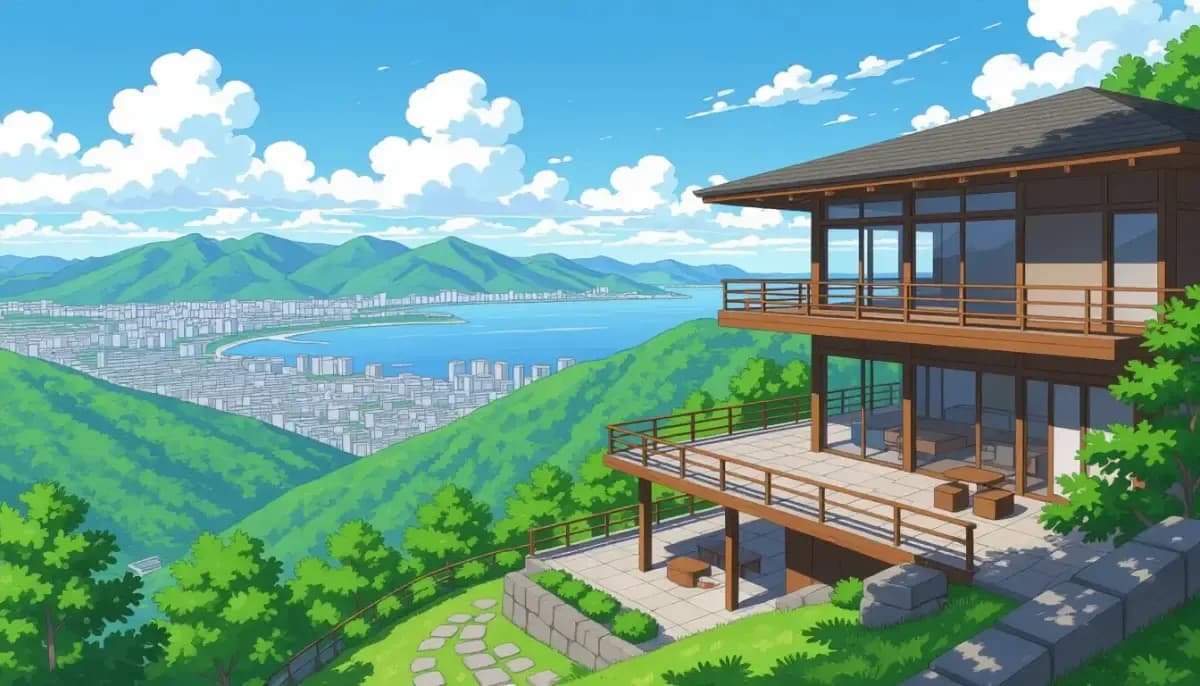
Kobe Rokko Mountain Area Property Guide
Complete guide to buying property in Kobe's Rokko Mountain area as a foreigner. Covers neighborhoods, villa prices, buying process, costs, and market outlook for expats.
Read more →
Hyogo Rural Property: Mountain and Countryside Options
Discover rural property options in Hyogo Prefecture's mountains and countryside. Pricing from ¥380,000, key areas, akiya buying guide, and tips for foreign buyers in Japan.
Read more →
Kobe Rental Property Investment Analysis for Foreigners
A complete analysis of Kobe's rental property investment market for foreign buyers: rental yields, top neighborhoods, legal steps, tax obligations, and how Kobe compares to Tokyo and Osaka.
Read more →
Awaji Island Property Guide: Retreat Living Near Kobe
Complete guide to buying property on Awaji Island, Japan for foreigners. Covers prices (from ¥1.9M akiya), the buying process, life on the island, and how to navigate the local market as a non-Japanese resident near Kobe and Osaka.
Read more →
Kobe Family Neighborhood Guide for Foreign Buyers
Discover the best family-friendly neighborhoods in Kobe for foreign buyers — Rokko Island, Kitano, Ashiya, Nishinomiya and more. Includes international schools, housing costs, and expert tips.
Read more →