
Kobe Property Prices and Market Comparison Guide

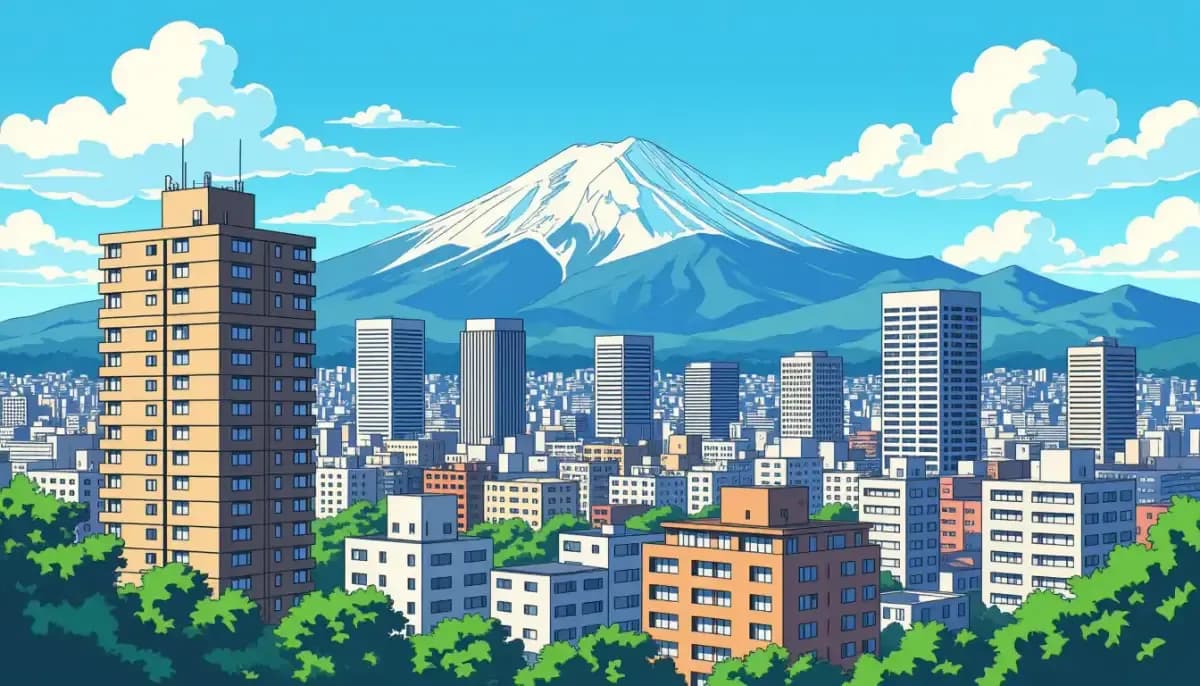
Compare Kobe property prices vs Tokyo, Osaka, and Kyoto. Detailed breakdown of purchase costs, rental yields, neighborhoods, and mortgage options for foreign buyers in Kobe, Japan.
Kobe Property Prices and Market Comparison Guide
Kobe is one of Japan's most livable cities — a cosmopolitan port city nestled between the mountains and Osaka Bay, with a long history of international trade and a genuinely welcoming attitude toward foreigners. For property buyers, Kobe offers a compelling combination: big-city infrastructure at significantly lower prices than Tokyo or even central Osaka. Whether you are looking to buy a home, invest in rental property, or compare markets across Japan's major cities, this guide breaks down everything you need to know about Kobe's real estate market in 2025.
Kobe Property Price Overview
Understanding property prices in Kobe requires looking at both purchase prices and rental values, as they tell different stories about different parts of the market.
For purchase prices, the most common metric used in Japan is price per square meter:
- City centre (Chuo-ku, Kitano, Harborland): approximately ¥800,000 per sqm
- Outside the city centre (Nada, Hyogo-ku, Suma, Tarumi): approximately ¥400,000 per sqm
In practical terms, a 60 sqm apartment in central Kobe would cost roughly ¥48 million, while a comparable unit in a suburban ward might be ¥24 million. Active listings on major platforms confirm this range, with properties listed anywhere from ¥7.8 million (smaller older apartments) up to ¥185 million (high-end new-build tower apartments and large detached houses).
Mid-range apartments — which represent the bulk of the market — typically fall in the ¥20 million to ¥35 million range, making Kobe one of the more accessible major cities in Japan for first-time buyers.
Kobe vs. Other Japanese Cities: Price Comparison
One of the strongest arguments for buying in Kobe is how it compares to other major markets. Kobe consistently comes out as significantly cheaper than Tokyo and meaningfully cheaper than central Osaka, while offering similar infrastructure and quality of life.
| City | Price per sqm (centre) | Price per sqm (suburbs) | Notes |
|---|---|---|---|
| Tokyo (23 wards) | ¥1,200,000–¥2,000,000+ | ¥600,000–¥900,000 | Most expensive market in Japan |
| Osaka (city centre) | ¥900,000–¥1,300,000 | ¥450,000–¥700,000 | Strong rental demand, rising prices |
| Kyoto (city centre) | ¥900,000–¥1,200,000 | ¥400,000–¥600,000 | Heritage zone restrictions limit supply |
| Kobe (city centre) | ¥800,000 | ¥400,000 | Best value among major Kansai cities |
| Fukuoka (city centre) | ¥700,000–¥900,000 | ¥350,000–¥500,000 | Cheaper but smaller market |
| Nagoya (city centre) | ¥700,000–¥1,000,000 | ¥350,000–¥550,000 | Strong industrial/business demand |
Kobe is typically 30–40% cheaper than comparable Tokyo properties and about 10–20% cheaper than Osaka for equivalent neighborhoods. For buyers priced out of central Osaka or Tokyo, Kobe offers real-world savings without sacrificing urban amenities — and the commute to Osaka takes just 20–30 minutes by train.
For a broader perspective on the Japanese property market, see Japan Real Estate Market Overview and Trends and Buying Property in Osaka as a Foreigner.
Rental Market and Investment Yields
For investors, rental yield is a critical metric, and Kobe's numbers are typical for a major Japanese city — stable but not exceptionally high.
Rental price ranges (monthly):
- 1-bedroom, city centre: ¥60,000–¥150,000 (average ~¥96,700)
- 1-bedroom, outside centre: ¥45,000–¥100,000 (average ~¥72,500)
- 3-bedroom, city centre: ¥100,000–¥250,000 (average ~¥175,000)
- 3-bedroom, outside centre: ¥85,000–¥150,000 (average ~¥117,500)
Gross rental yields:
- City centre: approximately 2.64%
- Outside centre: approximately 3.78%
These yields are modest compared to, say, Southeast Asian markets, but they reflect Japan's general profile: stable, low-risk returns rather than high-growth speculation. Some specific investment listings in Kobe show yields of 5–11%, particularly older buildings with multiple units, but these come with higher management complexity and renovation costs.
The Price-to-Rent Ratio (how many years of rent it would take to equal the purchase price) is 37.8 in the city centre and 26.5 outside — suggesting that, on pure numbers, renting is often cheaper than buying in Kobe's central areas, while suburban purchases make more financial sense as investments.
Learn more about financing your purchase in Mortgages and Home Loans for Foreigners in Japan.
Buying Process and Costs for Foreign Buyers
Foreign nationals — regardless of visa status or citizenship — have the same legal right to purchase property in Japan as Japanese citizens. There are no restrictions on ownership, no special taxes for foreigners, and no minimum investment requirements.
Typical purchase timeline: 60–90 days from offer acceptance to title transfer
Key transaction costs:
- Real estate agent commission: 3% of purchase price + ¥60,000 + 10% consumption tax
- Registration tax: approximately 2% of assessed property value
- Acquisition tax: 1.5% for land, 3% for building (reduced rates may apply to new construction)
- Stamp duty: ¥10,000–¥480,000 depending on contract value
- Judicial scrivener (legal registration): ¥100,000–¥150,000
- Mortgage-related costs (if applicable): additional 2–3% for loan fees and insurance
Total transaction costs typically run 5–6% of the purchase price without a mortgage, or 7–8% with one. On a ¥30 million apartment, plan for ¥1.5–2.4 million in closing costs on top of the purchase price.
For a complete breakdown, see Hidden Costs and Fees When Buying Property in Japan and Legal Procedures and Documentation for Japan Property Purchase.
For expat-specific relocation advice for Kobe, All Japan Relocation's Kobe housing guide provides useful context on neighborhood choices and practical logistics.
Kobe's Key Neighborhoods and What They Cost
Kobe is a long, narrow city following the coastline, and property prices vary significantly by ward.
Chuo-ku (Central Kobe): The most expensive ward, home to Motomachi, the harbor district, and Kitano's historic foreign residences. Prices at the higher end of the market. Strong rental demand from business professionals.
Nada-ku and Higashinada-ku: Upscale residential areas popular with families. Near top international and Japanese schools. Prices slightly lower than Chuo-ku but still premium. These wards are particularly popular with foreign residents.
Hyogo-ku: West of the center, more affordable. Good transport links. Suitable for buyers prioritizing space over prestige.
Suma-ku and Tarumi-ku: Southwestern coastal wards. Significantly cheaper, with a more suburban feel. Good beach access and lower noise levels. Popular for larger house purchases.
Kita-ku (Kobe north): Mountain area including Kobe North Town, developed in the 1970s–80s. Large houses at low prices, but limited public transport. Best suited for buyers with cars.
For a detailed neighborhood guide, see Buying Property in Kobe and Hyogo as a Foreigner.
Mortgage Access for Foreign Buyers
Getting a mortgage as a foreigner in Kobe (and Japan generally) is possible but requires meeting specific criteria.
General requirements:
- Permanent residency (PR) makes mortgage access much easier — most major banks will lend 70–90% of property value
- Without PR (work visa holders), some banks lend 50–80%, and the documentation requirements are stricter
- At least 3 years of continuous Japanese income tax filing is typically required
- Current 20-year fixed mortgage rates: approximately 2.00% (range 1.10%–2.45%)
Income affordability context:
- Average monthly net salary in Kobe: approximately ¥302,500
- Mortgage payments as a percentage of average income: approximately 60% — meaning average earners will find central Kobe stretching their budget
This is why the suburban wards like Suma and Tarumi are attractive: the same budget goes considerably further, and monthly payments become more manageable.
For detailed guidance on the mortgage process, see Mortgages and Home Loans for Foreigners in Japan and Visa and Residency Considerations for Property Buyers in Japan.
For additional expat resources and community advice on living in Japan, Living in Nihon and For Work in Japan offer helpful guides for foreigners navigating Japanese life.
Market Trends and Investment Outlook for 2025
Kobe's property market in 2025 shows several notable trends:
Rising prices, moderate pace: Like most of Japan, Kobe has seen price increases in recent years, driven by low interest rates, post-pandemic domestic demand, and growing foreign investor interest. However, price growth remains more moderate than Tokyo or Osaka, making Kobe relatively affordable.
Gentrification in select neighborhoods: Areas near major train stations and harbor redevelopments have shown the strongest price growth — 15–30% over the past 2–3 years in the best-performing pockets.
Limited new supply: New condo completions are constrained by construction cost inflation. This supply limitation is supporting prices, particularly in established central neighborhoods.
Strong expat demand: Kobe has always had a significant international community, and this continues to support both the rental and purchase markets. Properties in Higashinada near Rokko Island and the harbor area consistently attract foreign buyers.
Long sell times: Across Japan, the average property sits on market for 120–170 days and sells 4–5% below asking price. Kobe follows this pattern. Patient buyers willing to negotiate have genuine leverage.
For the broader investment context, Bamboo Routes' Japan real estate trends report and Real Estate Japan's active Kobe listings provide current market data.
Also see Gaijin Buy House for foreigner-focused guidance on buying property across Japan's major cities.
Practical Steps to Start Your Kobe Property Search
If you are ready to move forward with buying property in Kobe, here is a straightforward action plan:
- Determine your budget — factor in the purchase price plus 5–8% closing costs, and compare central vs. suburban options
- Check your mortgage eligibility — speak to a Japan-based mortgage broker or international department of a major bank before committing to a price range
- Choose your neighborhood — prioritize commute, school access, lifestyle preferences, and property type
- Engage a bilingual agent — several agencies in Kobe specialize in foreign buyers and can explain contracts and local procedures
- Research the property — check for earthquake resistance certification (new buildings post-1981 are safer), building age, and any outstanding fees on condos
- Make an offer and proceed through due diligence — the typical process takes 60–90 days
For a step-by-step walkthrough of the full purchase process, see Step-by-Step Home Buying Process in Japan for Foreigners and Complete Guide to Buying Property in Japan as a Foreigner.
Kobe offers a genuinely attractive proposition for foreign property buyers in 2025: a livable, international city with real price advantages over Tokyo and Osaka, a straightforward legal framework for foreign ownership, and a well-established expat community. Whether you are buying a home to live in or seeking an investment property with solid rental demand, Kobe deserves serious consideration in your Japan property search.

Originally from Vietnam, living in Japan for 16+ years. Graduated from Nagoya University, with 11 years of professional experience at Japanese and international companies. Sharing information about buying property in Japan for foreigners.
View Profile →Related Articles

Kobe After the Earthquake: Resilient Housing and Rebuilding
Discover how Kobe rebuilt after the devastating 1995 earthquake with world-class resilient housing. Essential guide for foreigners buying property in earthquake-safe Kobe, Japan.
Read more →
Kobe Rokko Mountain Area Property Guide
Complete guide to buying property in Kobe's Rokko Mountain area as a foreigner. Covers neighborhoods, villa prices, buying process, costs, and market outlook for expats.
Read more →
Hyogo Rural Property: Mountain and Countryside Options
Discover rural property options in Hyogo Prefecture's mountains and countryside. Pricing from ¥380,000, key areas, akiya buying guide, and tips for foreign buyers in Japan.
Read more →
Kobe Rental Property Investment Analysis for Foreigners
A complete analysis of Kobe's rental property investment market for foreign buyers: rental yields, top neighborhoods, legal steps, tax obligations, and how Kobe compares to Tokyo and Osaka.
Read more →
Awaji Island Property Guide: Retreat Living Near Kobe
Complete guide to buying property on Awaji Island, Japan for foreigners. Covers prices (from ¥1.9M akiya), the buying process, life on the island, and how to navigate the local market as a non-Japanese resident near Kobe and Osaka.
Read more →
Kobe Family Neighborhood Guide for Foreign Buyers
Discover the best family-friendly neighborhoods in Kobe for foreign buyers — Rokko Island, Kitano, Ashiya, Nishinomiya and more. Includes international schools, housing costs, and expert tips.
Read more →