
How to Assess Renovation Potential of Used Properties in Japan

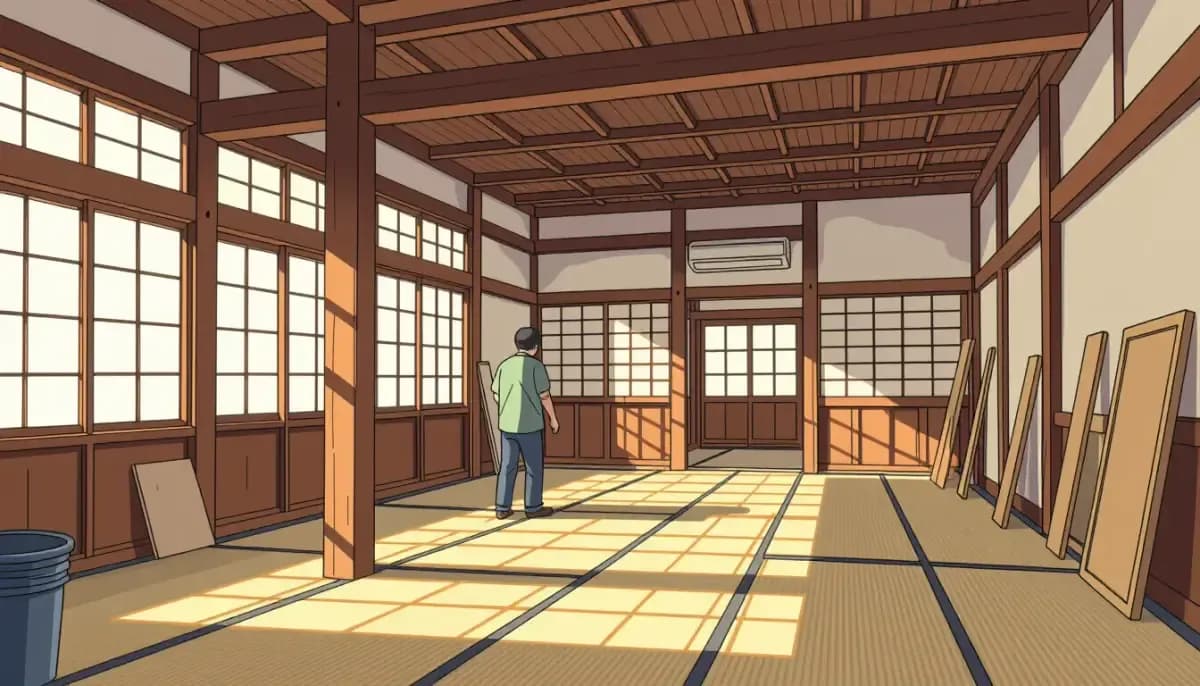
Complete guide to evaluating renovation potential of used Japanese properties. Learn structural inspection checklists, the critical 1981 seismic standard, realistic cost tiers from ¥2M-¥20M+, Japan's 2025 renovation laws, and government subsidy programs for foreign buyers.
How to Assess Renovation Potential of Used Properties in Japan
Buying a used property in Japan — whether a classic wooden machiya, a suburban detached house, or an akiya (vacant home) in the countryside — can be one of the most rewarding real estate decisions you make. Prices are often a fraction of new-build equivalents, and with the right renovation, you can create a home that blends traditional Japanese character with modern comfort. However, accurately assessing a property's renovation potential before you commit is critical. Misjudging the scope of work needed can turn a bargain into a money pit. This guide walks you through every step of evaluating used Japanese properties for renovation feasibility, from structural inspections to understanding the legal framework and estimating realistic costs.
Why Renovation Potential Assessment Matters in Japan
Japan's housing stock is aging rapidly. According to government data, approximately 8.5 million homes across the country are vacant (akiya), and millions more are decades old with deferred maintenance. For foreign buyers, this represents extraordinary opportunity — but also significant risk.
Unlike many Western markets, Japanese property values are heavily tied to the age of the structure rather than land location alone. A building loses most of its assessed value within 20–30 years, which is why land prices often dominate in listings. This means the renovation cost-to-value equation in Japan is different: a well-renovated used home can command a price premium, but only if the structural foundation is sound and the renovation scope is realistic.
Before you fall in love with a property's aesthetics or location, you need a clear-eyed assessment of:
- Whether the structure is safe and worth saving
- What the realistic total renovation cost will be
- Whether the project complies with Japan's building codes
- Whether government subsidies are available to offset costs
For a broader overview of the property buying process, see our Complete Guide to Buying Property in Japan as a Foreigner.
The 1981 Seismic Standard: The Most Important Date in Japanese Real Estate
If you learn only one fact before evaluating a used property in Japan, make it this: June 1, 1981.
On this date, Japan's Building Standards Law was revised to introduce the "new seismic standard" (shinseitaiho). Buildings designed under the new code must:
- Withstand earthquakes of seismic intensity 5 (upper) without structural damage
- Not collapse in earthquakes of intensity 6 (upper) to 7
Buildings constructed before this date follow the older, weaker "old seismic standard" (kyuseitaiho), which required structures to withstand only 20% of their total weight as lateral force — far less protection in a major earthquake.
Why This Matters for Renovation
| Property Age | Seismic Standard | Renovation Implication |
|---|---|---|
| Built before June 1981 | Old standard (kyuseitaiho) | Likely needs seismic retrofit; added cost ¥1–3M+ |
| Built June 1981–2000 | New standard (shinseitaiho) | Meets basic requirements; check for updates |
| Built 2000 onwards | Enhanced new standard | Best structural baseline; easiest to renovate |
| Built 2022 onwards | ZEH/Energy Grade 4+ | Minimal structural risk; focus on finishes |
For mortgage purposes, banks and the Japanese tax agency (for home loan deductions) also use this date as a key eligibility threshold. A pre-1981 property must have a certificate confirming earthquake resistance (taishin shindan) to qualify for standard mortgage terms and tax benefits.
Action step: Always confirm the registered construction date (kenchiku nengetsu) from the property's registry documents before proceeding with a serious assessment.
Structural Inspection: What to Check (and Who to Hire)
The most important investment you can make before purchasing a used Japanese property is a professional home inspection (jutaku kensa or ie no kensa). In Japan, pre-purchase inspections are still less common than in Western markets, but they are becoming more widely available and increasingly expected for serious buyers.
Who Should Perform the Inspection
- Registered Home Inspector (Jutaku Fudosan Kanteishi): Certified by the Ministry of Land, Infrastructure, Transport and Tourism; the gold standard for pre-purchase inspections
- Licensed Architect (Kenchikushi): Can perform structural assessments and advise on renovation feasibility
- General Contractor (Kensetsu-gyo): Useful for cost estimation but lacks the objectivity of an independent inspector
Budget approximately ¥50,000–¥150,000 for a comprehensive inspection depending on property size and location.
The 10-Point Structural Checklist
When walking through a property — even before hiring an inspector — train your eye to look for these warning signs:
- Foundation and subsidence: Check for cracks in the concrete foundation, uneven floors (use a marble or level app on your phone), or visible gaps between walls and floor
- Roof condition: Sagging ridgelines, missing or cracked tiles, and visible daylight through the eaves are red flags
- Termite damage (shiriari): Probe wooden posts and beams with a thin screwdriver — soft, hollow, or crumbling wood indicates termite damage; check for mud tubes near the foundation
- Beam and post integrity: Look for splits, warping, or previous "repairs" with mismatched materials that may indicate structural patching
- Moisture and mold: Stains on ceilings and walls, musty odors, and discoloration near windows signal water infiltration problems
- Plumbing age: Galvanized steel pipes (common pre-1980s) corrode and must be replaced; copper and plastic pipes are acceptable
- Electrical system: Check the panel for old 60A or 100A service; modern households need at least 200A; aluminum wiring (used in some 1970s homes) is a fire risk
- Drainage and septic: Rural properties may have older septic systems (jokasou) requiring upgrades to meet current environmental standards
- Insulation: Pre-1980s Japanese homes are notoriously cold; assess wall, floor, and ceiling insulation — upgrading can dramatically improve livability and reduce heating costs
- Window and door alignment: Sticking doors and windows often indicate foundation movement or structural settling; check multiple doors across the property
For guidance on related costs, see our article on Hidden Costs and Fees When Buying Property in Japan.
Renovation Cost Tiers: Setting Realistic Expectations
One of the biggest mistakes buyers make is underestimating renovation costs. In Japan, traditional building techniques, the need for licensed tradespeople, and the complexity of older structures can push costs significantly higher than comparable projects in other countries.
Three-Tier Cost Framework
| Renovation Tier | Scope | Estimated Cost | Ideal Property Type |
|---|---|---|---|
| Minimal Fix-Up | Cosmetic: paint, flooring, fixtures, minor repairs | ¥2–5 million | Post-1990 homes in good structural condition |
| Mid-Range | Structural repairs + systems (plumbing, electrical, HVAC) | ¥6–12 million | 1981–1990 homes needing moderate work |
| Full Gut Renovation | Complete structural + systems + finishes | ¥13–20+ million | Pre-1981 traditional homes (kominka, akiya) |
| Seismic Retrofit Add-On | Earthquake resistance upgrade | ¥1–3+ million | Pre-1981 buildings as required |
Important: Budget for a 20–30% cost overrun above initial estimates. Hidden issues — such as asbestos in older insulation, corroded pipes behind walls, or underground water damage — are common discoveries once renovation work begins in earnest.
Room-by-Room Cost Guide
- Kitchen replacement: ¥500,000–¥2,000,000 (standard unit to premium custom)
- Bathroom (unit bath replacement): ¥700,000–¥1,500,000
- Flooring (per room, ~10m²): ¥100,000–¥400,000 depending on material
- Exterior re-cladding: ¥1,000,000–¥4,000,000
- Roof replacement: ¥800,000–¥3,000,000
- Full insulation upgrade: ¥500,000–¥2,500,000
For comprehensive guidance on financial planning, see our Mortgage and Home Loans for Foreigners in Japan article.
Japan's 2025 Renovation Laws: Critical Legal Framework
Starting April 2025, Japan's Building Standards Act underwent significant amendments that affect renovation planning for used property buyers.
The 50% Threshold Rule
The central change: renovations affecting more than 50% of a building's principal structural components now require detailed building permits and must meet updated earthquake resistance and energy efficiency standards, including:
- Thermal Insulation Performance Grade 4 (ZEH equivalent)
- Primary Energy Consumption Grade 4
For older properties, crossing this threshold can trigger mandatory full compliance with modern building codes — a major expense increase.
Practical Strategies to Stay Under the Threshold
- Phase extensive projects into separate stages across multiple years
- Focus initial work on cosmetic updates: painting, flooring, fixtures
- Conduct non-structural repairs and systems (plumbing, electrical) before structural work
- Work with a licensed architect to plan the renovation sequence strategically
"Existing Non-Conforming Buildings" (Kizoku-Futekigokabu)
Properties that pre-date current codes may qualify as existing non-conforming buildings. This legal status allows minor and even moderate renovations to proceed without triggering full code compliance — as long as structural alterations remain under the 50% threshold. Your architect or contractor should explicitly confirm this status at the outset of planning.
For general legal guidance, see our Legal Procedures and Documentation for Japan Property Purchase.
Government Subsidies and Financial Incentives
Many foreign buyers are unaware that Japan offers substantial renovation subsidies at both the national and municipal level. These programs are generally available to anyone with a valid resident registration (jūminhyō), regardless of nationality.
Key Subsidy Programs
| Program Type | Coverage | Typical Subsidy Rate |
|---|---|---|
| Seismic retrofit (taishin kaishu) | Earthquake resistance upgrades | 10–80% of eligible costs (varies by municipality) |
| Long-life quality housing (Choju-yuryo Jutaku) | Energy efficiency + durability upgrades | Up to ¥1,000,000 per home |
| ZEH (Net Zero Energy House) | Solar + insulation + efficient systems | Up to ¥650,000 (national) + local top-up |
| Akiya revitalization programs | Rural vacant home renovation | Up to ¥1,000,000 per property in many municipalities |
| Barrier-free renovation | Accessibility modifications | 10–20% of eligible costs |
To find subsidies applicable to a specific property, contact the local ward office (shiyakusho) or prefectural housing authority (ken jutaku kyoku). Some municipalities also operate dedicated akiya consultation centers (akiya bank) that can guide you through available programs.
For broader financial planning, our Property Taxes and Annual Costs of Owning Property in Japan article provides essential context.
How to Calculate Renovation Potential: A Decision Framework
Assessing renovation potential is ultimately about determining whether the numbers work. Here is a simple framework to use when evaluating any used Japanese property:
The Renovation Potential Formula
Maximum Renovation Budget = (Post-Renovation Market Value) - (Purchase Price) - (Target Profit or Equity Margin)
For example:
- Post-renovation value of comparable renovated homes in the area: ¥25,000,000
- Purchase price of the property: ¥8,000,000
- Target equity margin (20%): ¥5,000,000
- Maximum renovation budget: ¥12,000,000
If your renovation cost estimates exceed this figure, either negotiate the purchase price down, reduce the renovation scope, or walk away and find a better candidate.
Green, Yellow, and Red Light Properties
Green Light (High Potential):
- Built after 1981 (meets new seismic standard)
- Minor cosmetic and systems work needed
- Good location with strong comparable sales
- Clear title, no liens, no unpaid taxes
- Renovation budget fits within the formula above
Yellow Light (Proceed with Caution):
- Built in the 1970s–1981 (old seismic standard, but seismic retrofit feasible)
- Moderate structural work needed
- Strong location but renovation costs approach the formula ceiling
- Some unknown factors (e.g., asbestos, hidden plumbing issues)
Red Light (High Risk):
- Built before 1960, severe structural deterioration
- Termite damage to major structural members
- Located in flood, landslide, or tsunami hazard zones
- Title issues, unpaid inheritance taxes, or unresolved boundary disputes
- Renovation costs significantly exceed the maximum budget
For information on rural and suburban property types with high renovation potential, see our Rural and Countryside Properties in Japan for Foreign Buyers article.
Working with Professionals: Building Your Renovation Team
Successfully renovating a used Japanese property requires assembling the right team. As a foreign buyer, language and cultural barriers add a layer of complexity — but English-speaking professionals are increasingly available.
Your Core Team
- Bilingual real estate agent — Guides you through property selection with renovation potential in mind; look for agents experienced with foreign buyers
- Independent home inspector — Non-affiliated with the seller; provides objective structural assessment
- Licensed architect (kenchikushi) — Manages permits, renovation design, and contractor oversight; essential for projects over ¥5 million
- General contractor (kensetsu-gyo) — Executes renovation work; get 3 competitive quotes for any significant project
- Legal scrivener (shihoshoshi) — Handles title registration, lien checks, and legal documentation
For comprehensive guidance on the step-by-step purchasing process, see our Step-by-Step Home Buying Process in Japan for Foreigners.
External Resources
For deeper guidance on the living experience and financial aspects of property ownership in Japan:
- Living in Nihon: Property Buying and Mortgage Guide for Foreigners — comprehensive resource on mortgages and property purchase procedures
- For Work in Japan: Housing and Living Infrastructure Guide — practical guide to housing for foreigners
- Gaijin Buy House: Okinawa Property Purchase Guide — detailed regional property assessment including typhoon and structural considerations
- Old Houses Japan: Real Akiya Renovation Costs in 2025 — honest breakdown of actual renovation costs
- Tokyo Portfolio: Japan's Earthquake Standards Guide — essential background on seismic compliance
Common Mistakes Foreign Buyers Make When Assessing Renovation Potential
Learning from others' costly errors can save you significant time and money.
Mistake 1: Skipping the professional inspection Many buyers, excited by a low asking price, skip the inspection to save ¥50,000–¥150,000 — only to discover ¥5,000,000 in hidden repairs after closing.
Mistake 2: Ignoring the seismic standard date Buying a pre-1981 property without understanding the retrofit implications is perhaps the single most common expensive mistake foreign buyers make.
Mistake 3: Using contractor estimates from only one source Single contractor quotes are rarely competitive. Always get at least three written estimates before committing to a renovation budget.
Mistake 4: Not accounting for temporary housing costs Major renovations in Japan typically take 3–6 months for mid-range work and 6–12 months for full gut renovations. Budget for rental accommodation during this period.
Mistake 5: Overlooking the permit timeline In Japan, building permit approvals (kakunin shinsei) can take 2–6 weeks for straightforward projects and much longer for complex ones. Factor permit timelines into your project schedule.
Mistake 6: Not researching subsidy deadlines Many municipal subsidy programs operate on annual budgets and close mid-year once funds are exhausted. Apply as early as possible in the fiscal year (April onwards).
Conclusion: Turning Renovation Potential into Reality
Assessing renovation potential in Japan is both a science and an art. The science lies in structural inspection, cost estimation, legal compliance, and financial modeling. The art lies in seeing past peeling wallpaper and dated kitchens to envision what a property could become.
The most successful foreign buyers in Japan approach used property assessment methodically: they confirm the seismic standard, hire an independent inspector, build a realistic cost model, understand the legal framework, and assemble a professional team. With these foundations in place, Japan's vast stock of affordable used properties becomes a genuine opportunity — not a gamble.
Whether you're looking at an urban machiya in Kyoto, a suburban house in Kanagawa, or a rural akiya in Niigata, the fundamentals of renovation assessment remain the same. Take your time, do the due diligence, and let the numbers guide your decision.
For more on regional property markets and where the best renovation opportunities exist, explore our Japan Real Estate Market Overview and Trends and the Types of Properties Available in Japan.

Originally from Vietnam, living in Japan for 16+ years. Graduated from Nagoya University, with 11 years of professional experience at Japanese and international companies. Sharing information about buying property in Japan for foreigners.
View Profile →Related Articles
Energy Efficiency: New Homes vs Old Homes in Japan
Compare energy efficiency in new vs old homes in Japan. Learn about insulation grades, ZEH standards, utility costs, subsidies up to ¥2 million, and how to evaluate any property's energy performance as a foreign buyer.
Read more →
Hidden Problems in Used Properties: What to Check Before Buying
Discover the 4 types of hidden defects in Japanese used properties — physical, psychological, environmental, and legal. Complete inspection checklist, repair costs, and legal protections for foreign buyers.
Read more →
How to Choose a Developer for New Construction in Japan
Learn how to choose the right developer for new construction in Japan as a foreigner. Compare House Makers, local builders, and condo developers with tips on warranties, language support, and red flags.
Read more →
How Property Age Affects Resale Value in Japan
Learn how building age impacts resale value in Japan — statutory depreciation schedules, the critical 1981 seismic code, land vs. building value, and strategies for foreign buyers to maximize returns.
Read more →
How to Negotiate the Price of Used Property in Japan
How to negotiate used property prices in Japan as a foreigner. Covers discount ranges, cultural etiquette, offer strategies, and tips to get the best deal.
Read more →
Buying Off-Plan Property in Japan: Risks and Precautions
A comprehensive guide for foreigners on the financial, legal, construction, and market risks of buying off-plan property in Japan, with a due diligence checklist to protect your investment.
Read more →