
Hidden Problems in Used Properties: What to Check Before Buying

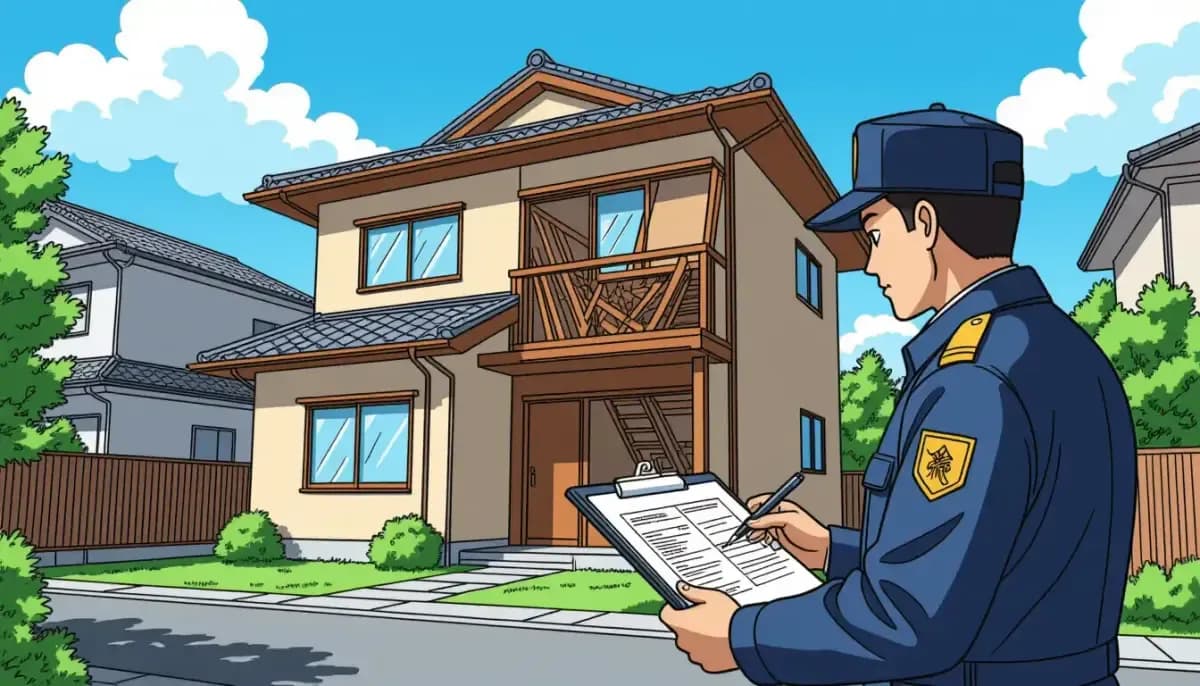
Discover the 4 types of hidden defects in Japanese used properties — physical, psychological, environmental, and legal. Complete inspection checklist, repair costs, and legal protections for foreign buyers.
Hidden Problems in Used Properties: What to Check Before Buying in Japan
Buying a used property in Japan can be a smart financial move — older homes often offer significantly more space and character than new builds at a fraction of the price. But Japan's used housing market comes with a unique set of risks that many foreign buyers overlook. Hidden structural defects, outdated electrical systems, psychological stigma, and legal complications can turn a bargain into a costly nightmare.
This guide walks you through the four main categories of hidden problems in Japanese used properties, gives you a practical inspection checklist, and explains the legal protections — and their limits — that apply to your purchase.
The Four Types of Property Defects in Japan
Japanese real estate professionals and legal experts classify property defects into four distinct categories. Understanding these before you start viewing properties will help you ask the right questions and spot potential red flags.
1. Physical Defects (物理的瑕疵)
Physical defects are the most visible category and include structural, material, and mechanical problems with the building itself. Common physical defects in Japanese used properties include:
- Termite damage: Termites are considered Japan's most destructive pest and are prevalent in wooden structures, particularly those older than 20 years. They attack floorboards, tatami foundations, wall framing, and structural beams. Kitchens, bathrooms, the shaded north side of a house, and crawl spaces close to the ground are especially vulnerable.
- Foundation problems: Cracks, settling, or tilting in the foundation can signal serious structural issues. A tilt greater than 6/1000 of the building's height is a major concern.
- Roof damage: Displaced clay tiles, crumbling ridge mortar, rusted metal roofing, and interior water stains indicate roof deterioration. Full roof replacement costs ¥1,500,000–¥3,000,000.
- Asbestos: Buildings constructed before 1989 may contain asbestos in insulation, ceiling tiles, or exterior cladding. Removal and remediation can be extremely costly.
- Sick-house syndrome: Some older properties suffer from chemical off-gassing from adhesives, paints, and building materials — causing respiratory problems for residents.
- Buried debris: Older plots, especially former farmland or commercial sites, may have concrete rubble, pottery, old septic tanks, or pipes buried underground that complicate renovations.
2. Psychological Defects (心理的瑕疵)
Psychological defects — known as jikobukken (事故物件) — relate to past traumatic events at the property. These include suicides, murders, unattended deaths, and in some cases, serious accidents.
Sellers are legally required to disclose deaths that occurred within approximately 2 years for sales transactions (the exact timeframe is subject to ongoing interpretation). Properties with psychological defects are often priced significantly below market value — sometimes 20–40% lower — to attract buyers willing to overlook the stigma. However, the legal gray zone around disclosure requirements means information may be incomplete.
3. Environmental Defects (環境的瑕疵)
Environmental defects involve conditions in the surrounding area rather than the building itself. These include:
- Excessive noise from nearby factories, highways, flight paths, or entertainment districts
- Abnormal or persistent odors from industrial facilities or restaurants
- Proximity to yakuza offices (legally required to be disclosed in Japan)
- Insufficient natural sunlight due to neighboring high-rise construction
- Flood risk, landslide risk, or soil liquefaction risk from local geography
Unlike physical defects, environmental issues cannot be fixed — they are inherent to the location. This makes personal site visits at different times of day essential.
4. Legal Defects (法律的瑕疵)
Legal defects arise from regulatory issues attached to the property. These can severely limit what you are allowed to do with it:
- Urbanization control zone: Properties in shigaika chosei kuiki (市街化調整区域) cannot be rebuilt after demolition without special permission.
- City-planned roads: If a planned road runs through the property, you may eventually be required to vacate.
- Insufficient road frontage: Japanese building codes require properties to have at least 2 meters of road frontage on a designated road. Without this, building permits cannot be obtained.
- Unclear boundaries: Disputes with neighboring properties over land boundaries can lead to expensive legal proceedings.
- Building coverage ratio violations: Some properties were built exceeding the legally permitted floor-area-ratio or building coverage ratio, making them impossible to rebuild as-is.
For more information on navigating the legal aspects of a purchase, see our guide on Legal Procedures and Documentation for Japan Property Purchase.
Pre-Purchase Inspection Checklist
A thorough property inspection (home inspection or ホームインスペクション) is the single most important step you can take to uncover hidden problems before signing a contract. Here is what to examine systematically:
Structural and Foundation Checks
- Look for wall cracks wider than 0.3mm — a common indicator of structural movement
- Examine the foundation for cracks; any crack wider than 0.5mm warrants expert evaluation
- Test floor levelness with a smartphone level app; tilting of more than 1–2 degrees is a red flag
- Listen for excessive creaking when walking across floors, which can indicate weakened joists or termite damage
- Inspect the crawl space (床下) with a flashlight if accessible — look for moisture, mold, mud tubes from termites, and blocked ventilation
Roof and Exterior Checks
- Inspect roof tiles for cracks, displacement, or missing sections
- Look for water stains on ceilings, especially in the top floor rooms and closets
- Check window frames and wall intersections for mold or condensation marks
- Examine gutters for blockages and rust
Mechanical Systems
- Verify air conditioner and water heater manufacturing dates — units over 10 years old are approaching end of life and will need replacement
- Test water pressure and drainage in kitchens, bathrooms, and toilets
- Check for sewage backflow odors, which indicate drainage problems
- Inspect the electrical panel: pre-1970s homes may have cloth-insulated wiring that is a fire hazard and requires full rewiring (¥500,000–¥1,500,000)
Earthquake Resistance
The seismic standard (耐震基準) the building was built to is critical:
- Pre-June 1981 (old standard / 旧耐震基準): These buildings may not survive a major earthquake without retrofitting. Seismic reinforcement typically costs ¥1,000,000–¥3,000,000.
- June 1981 to May 2000 (new standard): Better, but still roughly 86% of wooden homes built in this era fall short of current standards.
- Post-June 2000 (current standard): Built with continuous foundations and metal hold-down hardware — the most structurally sound.
Request the building's inspection certificate and any seismic assessment documents from the seller.
For a detailed overview of the buying process including these inspection steps, visit Living in Nihon's Property Buying Guide.
Cost of Common Repairs: What to Budget
Understanding typical repair costs in Japan helps you negotiate the purchase price or decide whether to walk away. The table below summarizes the most common hidden repair costs:
| Problem | Severity | Estimated Repair Cost |
|---|---|---|
| Termite treatment (chemicals only) | Moderate | ¥100,000–¥300,000 |
| Termite structural repairs | Serious | ¥500,000–¥1,500,000 |
| Roof partial repair | Moderate | ¥300,000–¥800,000 |
| Full roof replacement | Major | ¥1,500,000–¥3,000,000 |
| Foundation crack repair | Moderate–Serious | ¥500,000–¥2,000,000 |
| Seismic retrofitting | Major | ¥1,000,000–¥3,000,000 |
| Electrical rewiring (old cloth wiring) | Serious | ¥500,000–¥1,500,000 |
| Asbestos removal | Serious | ¥500,000–¥2,000,000+ |
| Mold remediation (surface) | Minor | ¥50,000–¥100,000 |
| Sewage system upgrade (old tank) | Moderate | ¥500,000–¥1,000,000 |
| Professional home inspection | Preventive | ¥50,000–¥80,000 |
| Comprehensive inspection (all systems) | Preventive | ¥135,000–¥555,000 |
A professional inspection costs ¥50,000–¥80,000 for a basic survey, and up to ¥135,000–¥555,000 for a comprehensive evaluation that includes termite inspection and seismic assessment. Given the potential savings — a single undiscovered problem can cost millions of yen — this is money well spent.
For an in-depth breakdown of all upfront costs when buying in Japan, see our article on Hidden Costs and Fees When Buying Property in Japan.
Your Legal Protections as a Buyer
Japan's property laws have been significantly updated in recent years to better protect buyers, but there are important limitations to understand.
Contract Non-Conformity Liability (契約不適合責任)
Since April 2020, Japan replaced the old "seller warranty" system with Contract Non-Conformity Liability (契約不適合責任). Under this law, if a property has defects that were not disclosed and are not consistent with what was contracted, you can:
- Demand the seller repair the defect
- Request a price reduction proportional to the defect's impact
- Cancel the contract if the defect is serious enough
- Claim damages if the defect resulted in financial loss
You generally have 1 year from the point you discover the defect to file a claim, and 10 years from the date of delivery as an absolute limit.
The "As-Is" Disclaimer (免責条項)
Here is the critical catch: private sellers are legally permitted to include an "as-is" disclaimer (menseki jōkō, 免責条項) in the purchase contract. If you sign a contract with this clause, you waive your rights under Contract Non-Conformity Liability. What you don't find before signing, you own outright — at your own cost.
This makes pre-purchase inspection not just advisable but essential when dealing with private sellers. Real estate agents selling on behalf of developers or businesses are generally not permitted to use full "as-is" disclaimers.
Seller Disclosure Obligations
Sellers are required to provide a document called the "Important Details and Particulars" (重要事項説明書) that discloses known material facts about the property, including:
- Any structural defects or renovation history
- Asbestos surveys or soil contamination tests
- Psychological defects within the required disclosure window
- Legal encumbrances on the property
- Whether the building meets current seismic standards
Read this document extremely carefully — and ideally have it reviewed by an independent bilingual lawyer or certified judicial scrivener (司法書士) before signing.
For guidance on buying used properties and renovation options, see Gaijin Buy House's Used Property & Renovation Guide.
Red Flags That Should Make You Walk Away
Some problems are so serious or costly that no price reduction is worth proceeding. These are the red flags that real estate professionals and experienced buyers say should trigger a walk-away decision:
- Active termite infestation with structural damage — if the main beams or joists are compromised, repair costs can exceed the property's value
- Foundation failure — visible settling, major cracks, or significant floor tilt that cannot be stabilized
- No 4-meter road frontage — this legally prevents rebuilding; if the structure burns or is demolished, you cannot replace it
- Landslide or flood hazard zone designation without clear mitigation measures
- Unclear land ownership or disputed boundaries with neighbors
- Asbestos in non-encapsulated condition throughout the building
- A private seller insisting on a full "as-is" contract who refuses any inspection — this is often a sign they know there are serious undisclosed problems
How to Hire a Home Inspector in Japan
Professional home inspectors (ホームインスペクター) are certified through organizations including the Japan Association of Home Inspectors (NPO法人 日本ホームインスペクターズ協会) and SBI Home Inspection. When hiring an inspector:
- Hire independently — not through the same agent selling you the property. This avoids potential conflicts of interest.
- Ask if they can provide an English-language report — this may cost an additional ¥30,000–¥50,000 but is worth it for foreign buyers.
- Confirm the scope: does the inspection cover structural elements, crawl space, roof, electrical, and plumbing? Or is it surface-level only?
- For properties built before 1981, specifically request a seismic assessment.
- For rural or older wooden properties, add a termite inspection from a certified pest control company.
Additional resources and tools for property viewings are available at For Work in Japan's Living Guide.
For tips on evaluating specific property types including older and rural homes, read our detailed guide on Rural and Countryside Properties in Japan for Foreigners.
You can also find detailed inspection checklists and buyer advice at Akiya Japan's Inspection Guide and expert advice on avoiding defective properties at Yamamoto Property Advisory.
Final Thoughts
Buying a used property in Japan as a foreigner requires more due diligence than purchasing new construction — but the rewards can be significant. Older homes offer character, space, and price advantages that new builds simply cannot match. The key is knowing what to look for, investing in a professional inspection, and understanding your legal rights before you sign.
Start by thoroughly reading the seller's Important Details document, hire an independent inspector with English-language capabilities, and pay special attention to the building's seismic standard, any signs of termite activity, and the seller's contract terms around "as-is" clauses.
For a complete overview of the purchase process from start to finish, see our Step-by-Step Home Buying Process in Japan for Foreigners and our Complete Guide to Buying Property in Japan as a Foreigner.

Originally from Vietnam, living in Japan for 16+ years. Graduated from Nagoya University, with 11 years of professional experience at Japanese and international companies. Sharing information about buying property in Japan for foreigners.
View Profile →Related Articles
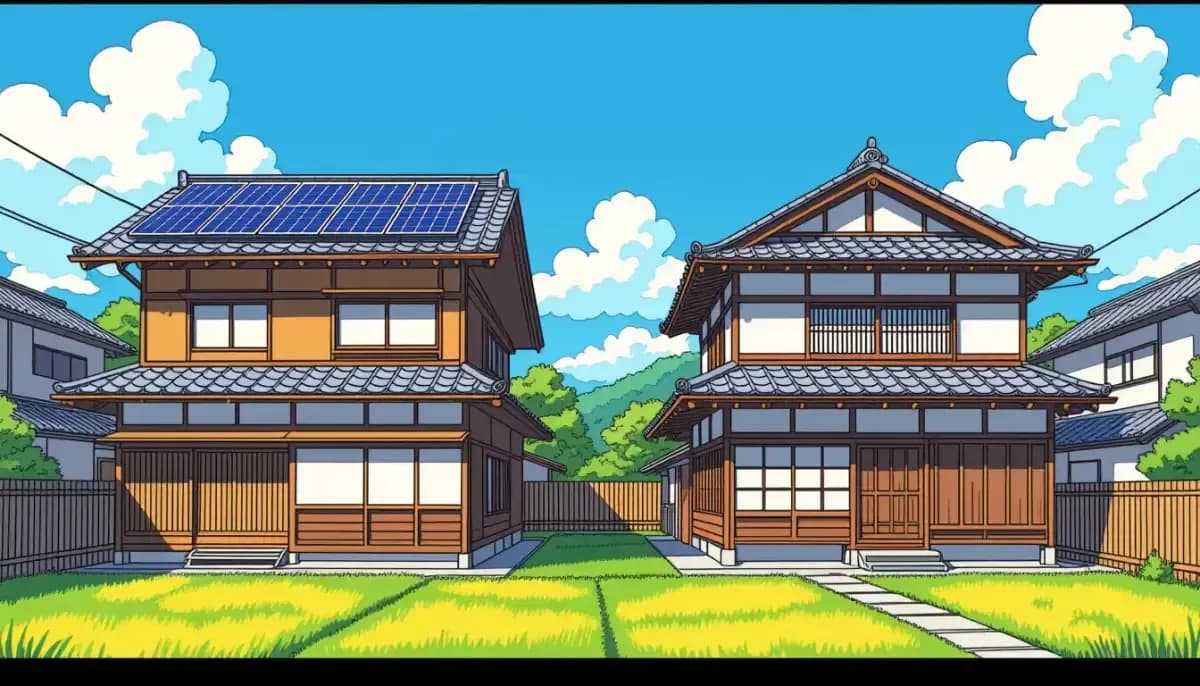
Energy Efficiency: New Homes vs Old Homes in Japan
Compare energy efficiency in new vs old homes in Japan. Learn about insulation grades, ZEH standards, utility costs, subsidies up to ¥2 million, and how to evaluate any property's energy performance as a foreign buyer.
Read more →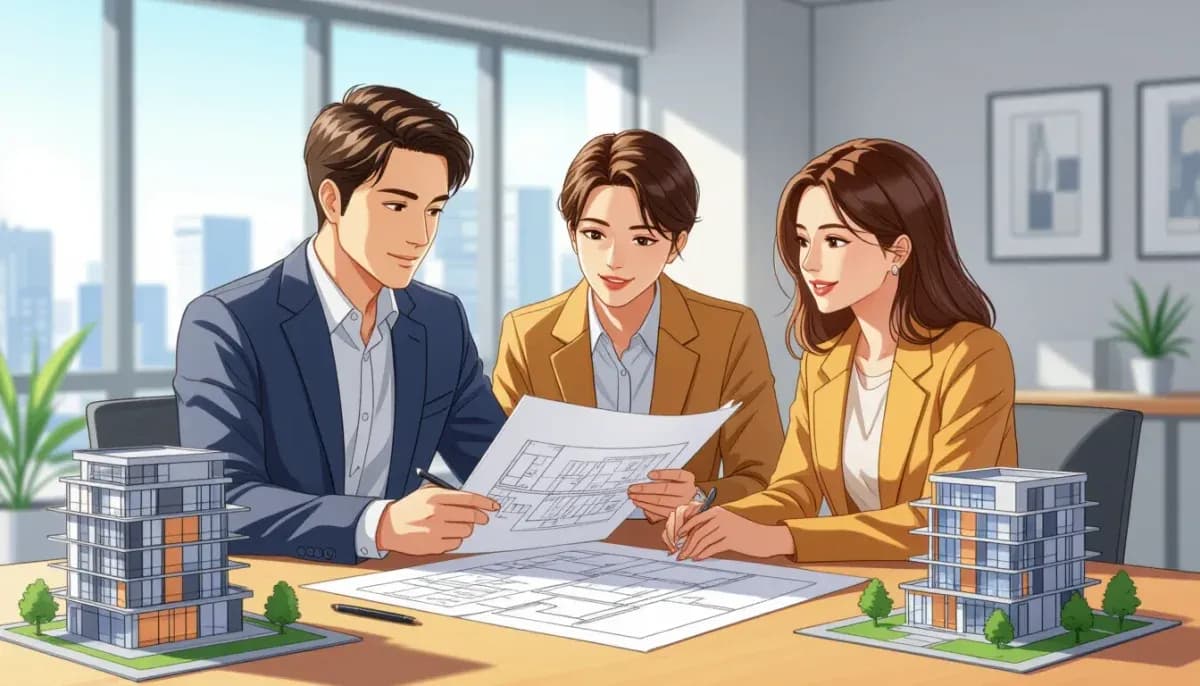
How to Choose a Developer for New Construction in Japan
Learn how to choose the right developer for new construction in Japan as a foreigner. Compare House Makers, local builders, and condo developers with tips on warranties, language support, and red flags.
Read more →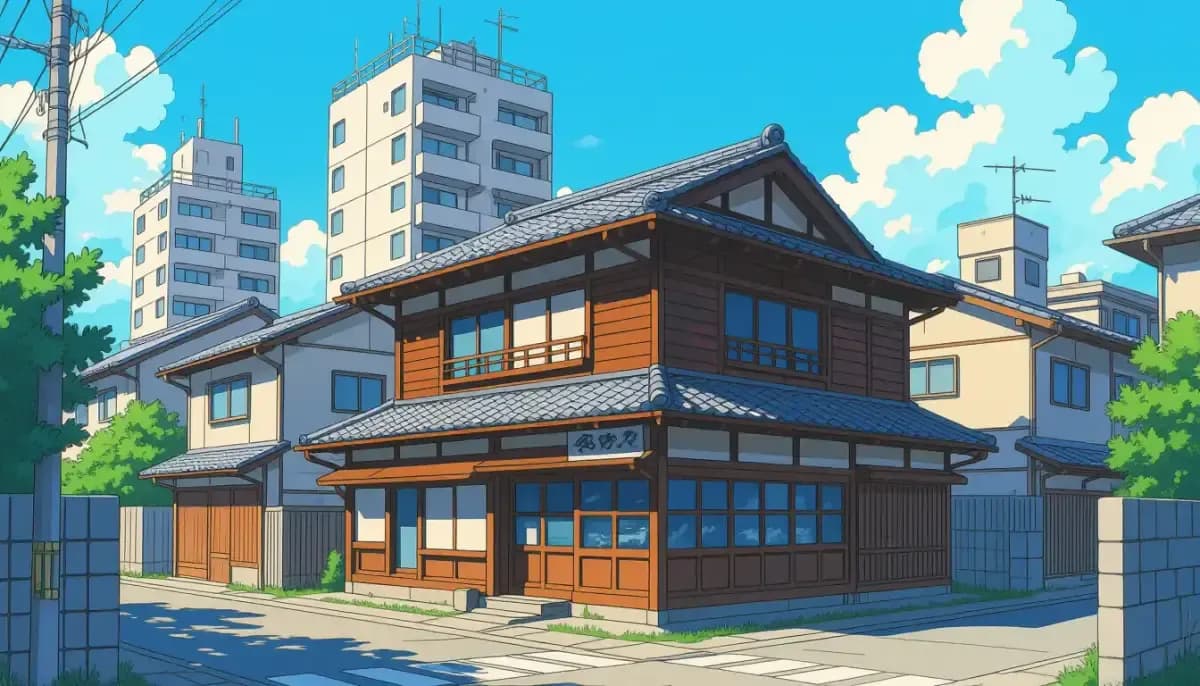
How Property Age Affects Resale Value in Japan
Learn how building age impacts resale value in Japan — statutory depreciation schedules, the critical 1981 seismic code, land vs. building value, and strategies for foreign buyers to maximize returns.
Read more →
How to Negotiate the Price of Used Property in Japan
How to negotiate used property prices in Japan as a foreigner. Covers discount ranges, cultural etiquette, offer strategies, and tips to get the best deal.
Read more →
Buying Off-Plan Property in Japan: Risks and Precautions
A comprehensive guide for foreigners on the financial, legal, construction, and market risks of buying off-plan property in Japan, with a due diligence checklist to protect your investment.
Read more →
Cost Comparison: New Build vs Used Property in Japan
Compare the true costs of new build vs used property in Japan. Includes prices, transaction fees, renovation costs, depreciation, warranties, and mortgage tips for foreigners.
Read more →