
How to Negotiate the Price of Used Property in Japan

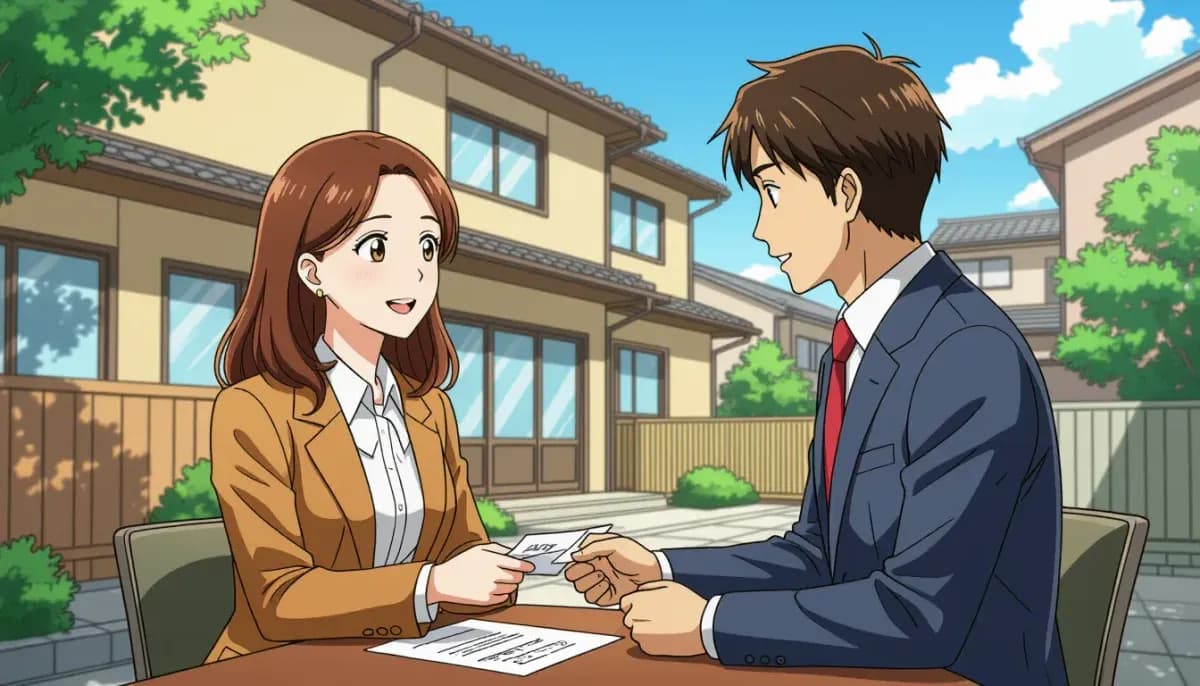
How to negotiate used property prices in Japan as a foreigner. Covers discount ranges, cultural etiquette, offer strategies, and tips to get the best deal.
How to Negotiate the Price of Used Property in Japan
Buying a used property in Japan can be one of the smartest financial moves for a foreigner living or investing in the country. Unlike new-build apartments, used (chuko) properties often come at significantly lower prices and offer more room for negotiation. However, the Japanese approach to price negotiation is fundamentally different from what many Westerners expect. Understanding the local customs, market dynamics, and negotiation strategies will give you a meaningful edge at the bargaining table.
This guide breaks down everything you need to know about negotiating the price of used property in Japan — from cultural etiquette to specific tactics that actually work.
Understanding Japan's Negotiation Culture
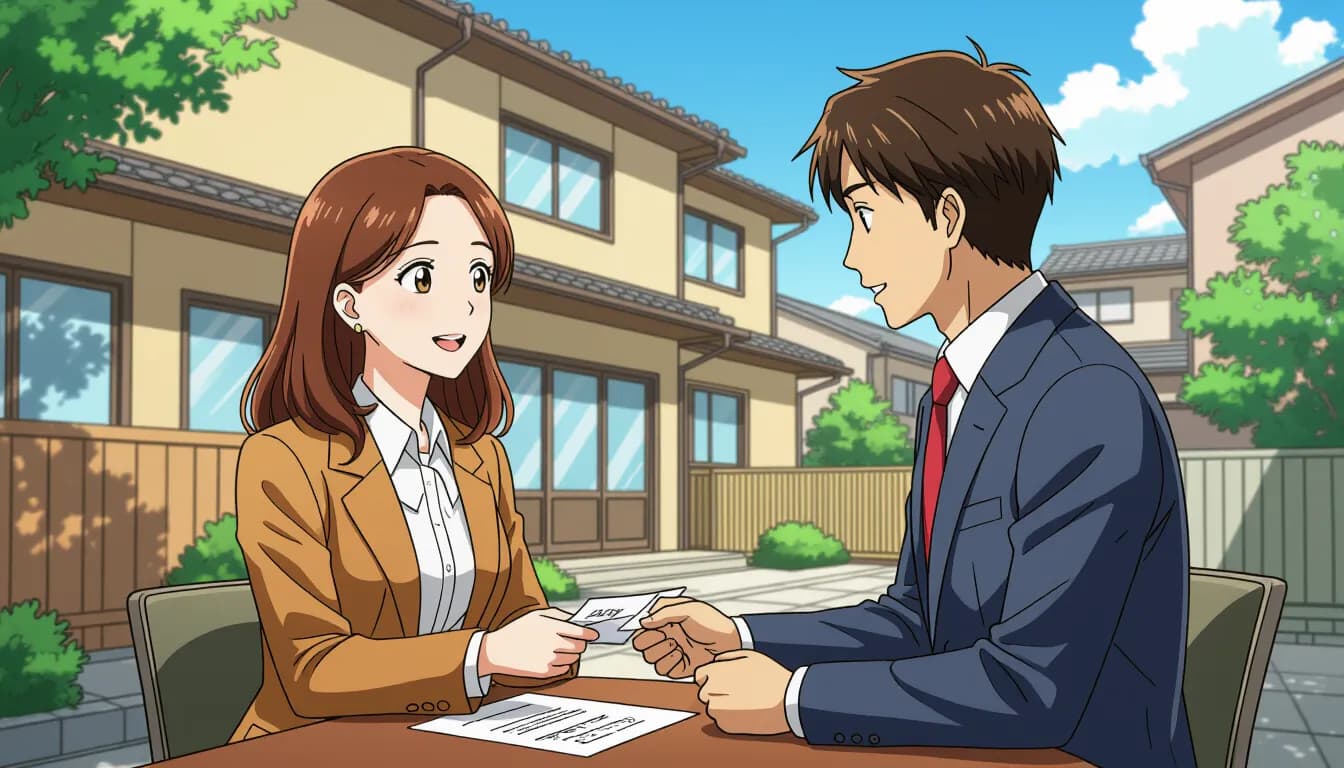
Japan is not a country where aggressive haggling is the norm. In many Western markets, buyers routinely offer 10–20% below asking price as a starting move. In Japan, that kind of opening offer can offend the seller and derail the entire deal before it begins.
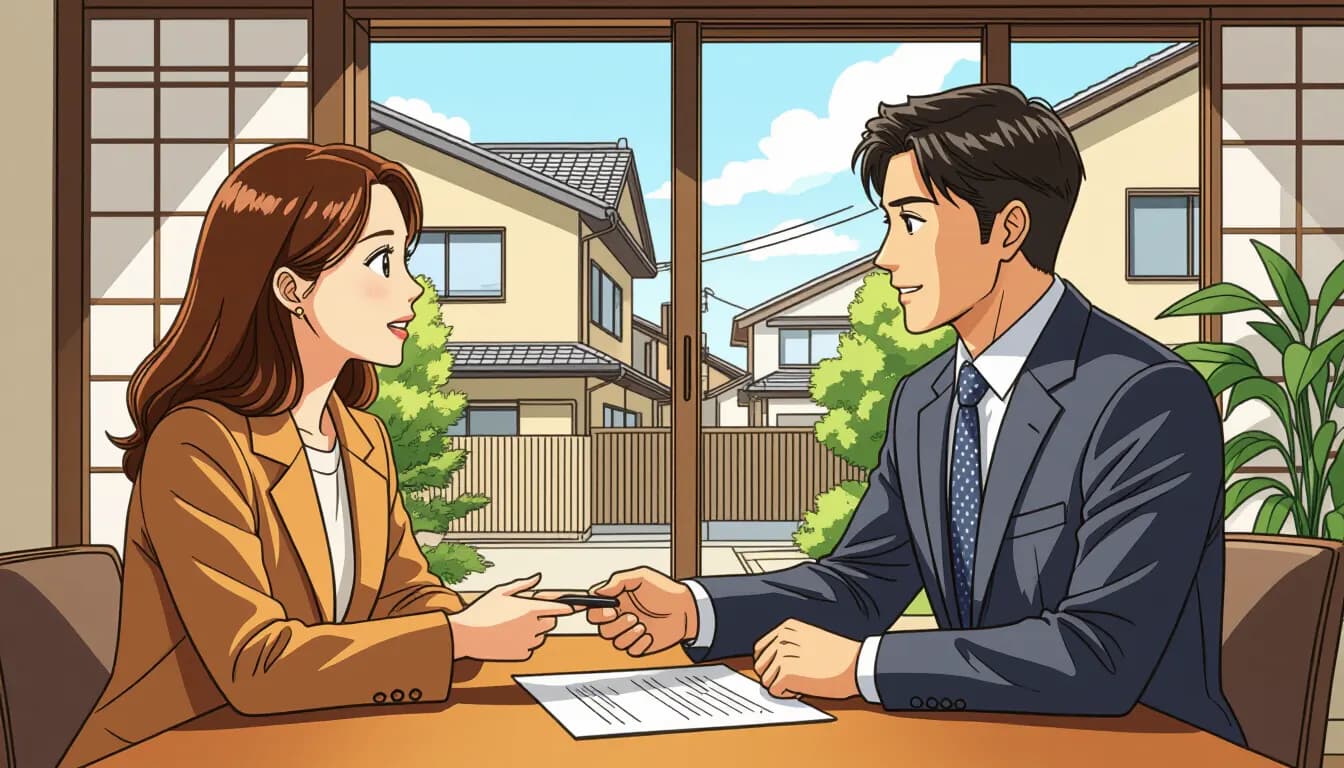
Price negotiations in Japanese real estate are formal, respectful, and almost always conducted through a real estate agent — never directly between buyer and seller. Verbal discussions are rare; formal written offers (申込書, moushikomisho) are the standard way to present your price. Your agent submits the offer, and the seller's agent responds on their behalf.
This formality is not a barrier — it is a framework that, when respected, actually gives you more power as a buyer. Knowing the rules of the game means you can play them well.
The typical negotiation range for used properties in Japan is 3–6% below asking price. The average discount achieved in Japan's major metropolitan areas during 2024–2025 was approximately 4–5% below list price. Requesting reductions beyond 10–15% is rarely successful unless there are clear, documented reasons to justify the request.
When Are Sellers More Likely to Negotiate?
Not every property offers the same negotiation potential. Experienced buyers and agents know how to spot the opportunities.
Properties listed for a long time are a strong signal. If a home has been on the market for 3–6 months or more without selling, the seller is likely aware the price is too high and may be open to a meaningful reduction. Check listing dates on portals like SUUMO or HOMES.
Inherited properties are another category where sellers tend to be more flexible. Heirs who didn't plan for the sale often prioritize a smooth, quick transaction over squeezing the highest price. Emotional attachment to the property is also lower.
Properties with obvious repair needs give you a factual basis for negotiation. Visible damage, outdated kitchens, aging plumbing, or a property that needs significant renovation all support a lower offer. Get a home inspection first, then use the findings as documented justification.
Pre-1981 construction can be an important factor. Japan's current earthquake-resistance standards (新耐震基準) took effect in June 1981. Homes built before that date are classified as old-standard buildings, which reduces their appeal and market value — giving you legitimate grounds for a lower bid.
Seller urgency is the golden variable. When a seller needs to close quickly — due to debt, relocation, or financial pressure — they will often accept a lower price in exchange for speed and certainty. Your agent may be able to find this out discreetly.
Practical Negotiation Strategies That Work
Once you identify a negotiable property, how you make the offer matters.
Start Reasonably, Not Aggressively
The typical starting point for a price negotiation in Japan is 5–6% below asking price. The final agreed discount is usually around 3%. Starting too far below asking — especially without stated reasons — will often result in the seller rejecting the offer outright and becoming unwilling to negotiate at all.
Think of it this way: in Japan, the best deal comes from building trust, not from applying pressure.
Provide Written Justification
When submitting your offer below asking price, your agent should include a written explanation. This might reference:
- Comparable properties sold recently at lower prices
- Repair estimates for identified issues
- The building's age and condition relative to current standards
- How long the property has been listed
This is not about being aggressive — it is about being logical and professional. Japanese sellers respond well to rational, document-backed arguments.
Leverage Cash or Pre-Approved Financing
Cash buyers have the strongest negotiating position in Japan. Cash eliminates financing contingencies, reduces risk for the seller, and accelerates the timeline to closing. If you can demonstrate you have the funds immediately available, this is a powerful card to play.
If you are not buying cash, get mortgage pre-approval from a recognized Japanese bank before making any offer. Sellers and their agents take pre-approved buyers far more seriously than those with uncertain financing. For more information on financing options, see our guide to mortgages and home loans for foreigners in Japan.
Negotiate Through the Right Agent
Not all agents are equal when it comes to negotiation leverage. Work with a real estate agent who holds exclusive mediation (専任媒介) or exclusive representation (専属専任媒介) status with the seller's property. These agents receive commission from both sides of the deal, which means they have a direct financial incentive to close the transaction — and they have a closer relationship with the seller.
An agent who has worked directly with the seller can often share insight into the seller's motivation and flexibility that a general buyer's agent cannot.
Consider Asking for Concessions Instead of Price Cuts
Sometimes a seller simply won't move on the listed price — but may be open to other forms of value. Common alternatives to a direct price reduction include:
- Leaving furniture and appliances: Refrigerators, washing machines, and air conditioning units all have value
- Paying for professional cleaning of the property before handover
- Covering closing costs that would normally fall to the buyer
- Accepting a shorter or longer closing timeline that suits your situation
These concessions can be worth hundreds of thousands of yen without the seller feeling they are "losing" on the nominal price.
Negotiation Range by Property Type and Condition
The amount you can realistically negotiate depends on the type of property, its condition, and current market conditions. The table below provides a general guide:
| Property Type | Condition | Typical Negotiation Range |
|---|---|---|
| Used apartment (manshon) | Good, well-maintained | 2–4% below asking |
| Used apartment (manshon) | Needs renovation | 5–10% below asking |
| Used detached house (kodate) | Good condition | 3–6% below asking |
| Used detached house (kodate) | Major repairs needed | 8–15% below asking |
| Pre-1981 construction | Any condition | 5–12% below asking |
| Long-listed property (6+ months) | Any condition | 5–10% below asking |
| Inherited property | Any condition | 5–10% below asking |
These ranges assume you have valid, documented reasons to support your offer. An unjustified low offer will likely be ignored regardless of property type.
The Offer Process Step by Step
Understanding the formal offer process will help you move efficiently and avoid missteps.
Step 1 — Identify the opportunity: Research the listing history, building age, condition, and neighborhood comparables. Identify specific reasons that justify a price reduction.
Step 2 — Talk to your agent: Share your research and intended offer range. A good agent will tell you honestly whether your expectations are realistic and help you refine your approach.
Step 3 — Submit the Purchase Application (申込書): This written document expresses your intent to purchase and your offered price. Include any concession requests and the conditions of your offer (financing contingency, inspection contingency, etc.).
Step 4 — Wait for the seller's response: The seller's agent will present the offer and typically respond within a few days. Counter-offers are common.
Step 5 — Negotiate through agents: Any back-and-forth happens through written communication via agents. Maintain a professional, respectful tone throughout.
Step 6 — Agree on price and conditions: Once both parties agree, you move to the formal contract stage. Speed matters here — other buyers may be watching the same property.
For a full walkthrough of the purchase process, refer to our step-by-step home buying process guide for foreigners in Japan.
What to Avoid When Negotiating in Japan
Just as important as knowing what to do is knowing what not to do.
Do not negotiate directly with the seller. In Japan, direct buyer-seller communication during price negotiations is considered inappropriate and can embarrass both parties. Always go through your agent.
Do not make very low-ball offers without cause. An offer 20–30% below asking with no written justification will almost certainly be rejected and will damage your credibility as a serious buyer.
Do not rush. Being too eager to close can signal that you will pay any price. Maintain a calm, measured approach even if you love the property.
Do not ignore the Japanese concept of "face" (mentsu). Sellers need to feel they made a reasonable decision — not that they were outsmarted. Frame your offer in terms of practical realities, not your desire to pay less.
Do not skip the home inspection. This is one of the few documented ways to build a legitimate case for a price reduction. A professional inspection that reveals repair needs gives you objective grounds to negotiate. Learn more about this in our legal procedures and documentation guide for Japan property purchases.
Working with Bilingual and Foreign-Friendly Agents
As a foreigner, having the right real estate agent is critical — not just for communication, but for negotiation strategy. A bilingual agent who understands both your perspective and the Japanese seller's psychology is worth their weight in gold.
Look for agents who:
- Specialize in working with foreign buyers
- Have access to the full REINS (Real Estate Information Network System) database
- Can explain the seller's situation and motivations
- Have proven experience closing deals for international clients
Resources like Gaijin Buy House offer guidance specifically tailored to foreign buyers navigating the Japanese purchase process, including negotiation stages. For broader housing and living infrastructure guidance as a foreigner, For Work in Japan provides practical resources on settling into Japanese life. You can also find general expat advice and community experience at Living in Nihon.
For more specialist analysis on real estate negotiation tactics in Tokyo and across Japan, Nippon Tradings and Koenji Blog's negotiation guide offer in-depth perspectives worth reading before you make your offer.
Final Tips for a Successful Negotiation
Negotiating the price of used property in Japan is entirely possible — and often expected. But it requires patience, preparation, and an understanding of the local customs. Here is a summary of the most important points to keep in mind:
- Be realistic: Start at 5–6% below asking; expect to settle around 3–4%
- Document everything: Use written justifications based on condition, comparables, and listing age
- Use cash or strong financing: Pre-approval significantly strengthens your offer
- Choose the right agent: Work with agents who have direct access to the seller
- Stay respectful: Japanese sellers respond to professionalism, not pressure
- Consider alternatives to price cuts: Furniture, appliances, and cost-sharing can add up to significant value
- Move quickly once agreed: Delays after agreement can invite competing offers
The Japanese used property market offers real value for informed buyers — especially compared to the new-build market where prices are fixed and negotiation is essentially impossible. By approaching negotiations with the right knowledge and attitude, you can secure a meaningful discount while building a respectful relationship that carries through to a smooth closing.
For a comprehensive overview of everything involved in purchasing property in Japan as a foreigner, start with our complete guide to buying property in Japan. Understanding all the costs involved is also essential — read our guide to hidden costs and fees when buying property in Japan before finalizing your budget.

Originally from Vietnam, living in Japan for 16+ years. Graduated from Nagoya University, with 11 years of professional experience at Japanese and international companies. Sharing information about buying property in Japan for foreigners.
View Profile →Related Articles
Energy Efficiency: New Homes vs Old Homes in Japan
Compare energy efficiency in new vs old homes in Japan. Learn about insulation grades, ZEH standards, utility costs, subsidies up to ¥2 million, and how to evaluate any property's energy performance as a foreign buyer.
Read more →
Hidden Problems in Used Properties: What to Check Before Buying
Discover the 4 types of hidden defects in Japanese used properties — physical, psychological, environmental, and legal. Complete inspection checklist, repair costs, and legal protections for foreign buyers.
Read more →
How to Choose a Developer for New Construction in Japan
Learn how to choose the right developer for new construction in Japan as a foreigner. Compare House Makers, local builders, and condo developers with tips on warranties, language support, and red flags.
Read more →
How Property Age Affects Resale Value in Japan
Learn how building age impacts resale value in Japan — statutory depreciation schedules, the critical 1981 seismic code, land vs. building value, and strategies for foreign buyers to maximize returns.
Read more →
Buying Off-Plan Property in Japan: Risks and Precautions
A comprehensive guide for foreigners on the financial, legal, construction, and market risks of buying off-plan property in Japan, with a due diligence checklist to protect your investment.
Read more →
Cost Comparison: New Build vs Used Property in Japan
Compare the true costs of new build vs used property in Japan. Includes prices, transaction fees, renovation costs, depreciation, warranties, and mortgage tips for foreigners.
Read more →