
Kyoto vs Osaka Property Investment Comparison

Compare Kyoto and Osaka property investment for foreign buyers. Rental yields (4.26% vs 3-4%), prices, regulations, capital growth, and which city suits your investment goals.
Kyoto vs Osaka Property Investment Comparison: Which City Is Right for Foreign Buyers?
Choosing between Kyoto and Osaka for property investment is one of the most common dilemmas foreign buyers face in the Kansai region. These two cities sit less than 15 minutes apart by Shinkansen, yet they offer dramatically different investment profiles. Kyoto delivers cultural prestige, price stability, and a unique heritage property market. Osaka offers higher rental yields, stronger capital growth momentum, and a more flexible regulatory environment. This guide breaks down everything you need to know to make an informed decision.
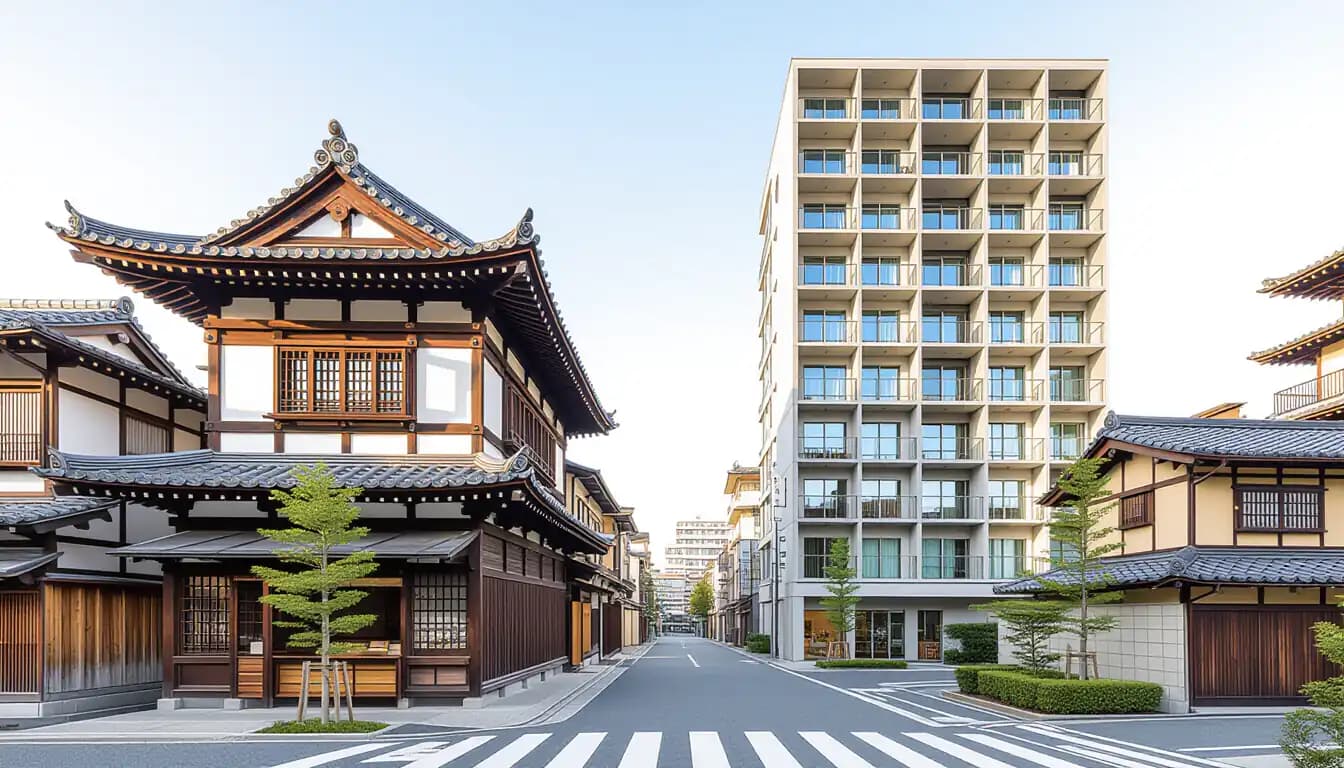
Price Comparison: What Does Your Budget Get You in Each City?
Both cities are significantly more affordable than Tokyo — Osaka is roughly 30–40% cheaper than the capital for comparable properties, and Kyoto sits in a similar range for most property types.
Osaka Price Overview (2024–2025)
- New condominiums (average): ¥55–57 million (~$390,000–$410,000 USD)
- Used condo (70 sqm): ¥18–20 million (~$130,000 USD)
- Central district price per sqm: ~¥1.2 million (~$8,000 USD)
- One-building apartment buildings: ¥81.42 million average (vs ¥116.88M in Tokyo — ~30% cheaper)
Kyoto Price Overview (2024–2025)
- Standard condo range: ¥30–60 million
- Average prefecture land price (2024): ~¥293,700/sqm (up from ¥274,600 the prior year)
- Central ward condos (e.g., Nakagyo-ku): often exceeding ¥1 million/sqm
- Price-to-income ratio: 8–10x median household income for central condos (above national average of 7–8x)
| Property Type | Osaka (Central) | Kyoto (Central) |
|---|---|---|
| New 2LDK Condo (60 sqm) | ¥35–50M | ¥30–55M |
| Used 3LDK Condo (80 sqm) | ¥20–35M | ¥25–40M |
| Traditional Townhouse (machiya) | Rare / N/A | ¥15–80M+ |
| One-Building Apartment | ¥60–120M | ¥50–100M |
| Land per sqm (central) | ~¥1.2M | ~¥800K–1.1M |
Entry prices are broadly similar, but Kyoto's stricter building regulations and heritage preservation rules mean older stock is often in better demand at premium prices.
Rental Yields: Where Does Your Investment Work Harder?
This is where Osaka clearly outperforms Kyoto. Based on Q2–Q3 2025 data:
- Osaka gross rental yield: 4.26% (vs Tokyo at 3.59%)
- Kyoto gross rental yield: 3.0–4.0%
- Osaka rental growth (YoY Q2 2025): 4.82%
- Kyoto rental growth (YoY Q2 2025): 2.36%
Osaka's higher yields are driven by a large population of long-term residents — workers, students, and families — generating stable demand throughout the year. Osaka also has a more permissive short-term rental (Airbnb/民泊) environment compared to Kyoto.
Osaka Yields by District:
| District | Gross Yield Range |
|---|---|
| Kita / Umeda | 3.5–4.5% |
| Chuo / Namba | 4.0–5.0% |
| Naniwa | 5.0–6.5% |
| Yodogawa / Shin-Osaka | 4.5–5.5% |
| Tennoji / Abeno | 4.0–5.0% |
Kyoto Yields by Type:
| Property Type | Gross Yield Range |
|---|---|
| Central condos | 3.0–3.8% |
| Mid-city condos | 3.5–4.2% |
| Machiya (renovated) | 3.5–5.5% (if STR approved) |
| Student area rentals | 4.0–5.0% |
Machiya (traditional townhouses) in Kyoto can generate yields comparable to Osaka — but only with the right renovation, neighborhood, and short-term rental approval. The compliance process is significantly more complex in Kyoto.
For more detail on Osaka investment specifics, see our complete guide to buying property in Osaka as a foreigner. For Kyoto-specific investment, see our Kyoto property buying guide.
Regulatory Environment: Kyoto's Strict Rules vs Osaka's Flexibility
Regulation is the biggest differentiating factor for investors. Kyoto has among the strictest property development and rental regulations in Japan.
Kyoto Regulatory Constraints:
- New Landscape Policy: Six-tier altitude restrictions covering the entire city. Height limits range from 10m to 31m depending on zone — significantly lower than equivalent Tokyo or Osaka districts.
- Heritage preservation zones: Properties in designated historic areas face strict design controls on facades, signage, and renovation materials.
- Machiya preservation rules: Traditional townhouses are subject to special guidelines. Demolition is actively discouraged; some neighborhoods have voluntary preservation agreements.
- Short-term rental restrictions: Kyoto has tighter restrictions on民泊 (minpaku) operations. Many central areas require special permits, and some zones effectively prohibit commercial STR operations.
- Higher renovation compliance costs: Any renovation near heritage areas typically requires additional consulting, surveys, and approval steps.
Osaka Regulatory Environment:
- More permissive STR environment than Kyoto
- Standard building codes apply without heritage overlays in most areas
- Post-1981 seismic compliance is the key structural requirement (Uemachi fault line risk in Osaka's eastern areas)
- Expo-related infrastructure investment has expanded transport access and zoning permissions in parts of the city
For foreign buyers unfamiliar with Japanese property law, Osaka's relatively simpler regulatory landscape lowers the barrier to entry. Kyoto rewards buyers who invest time in understanding the local regulatory context — particularly around renovation and rental operations.
Capital Appreciation: Long-Term Value Growth
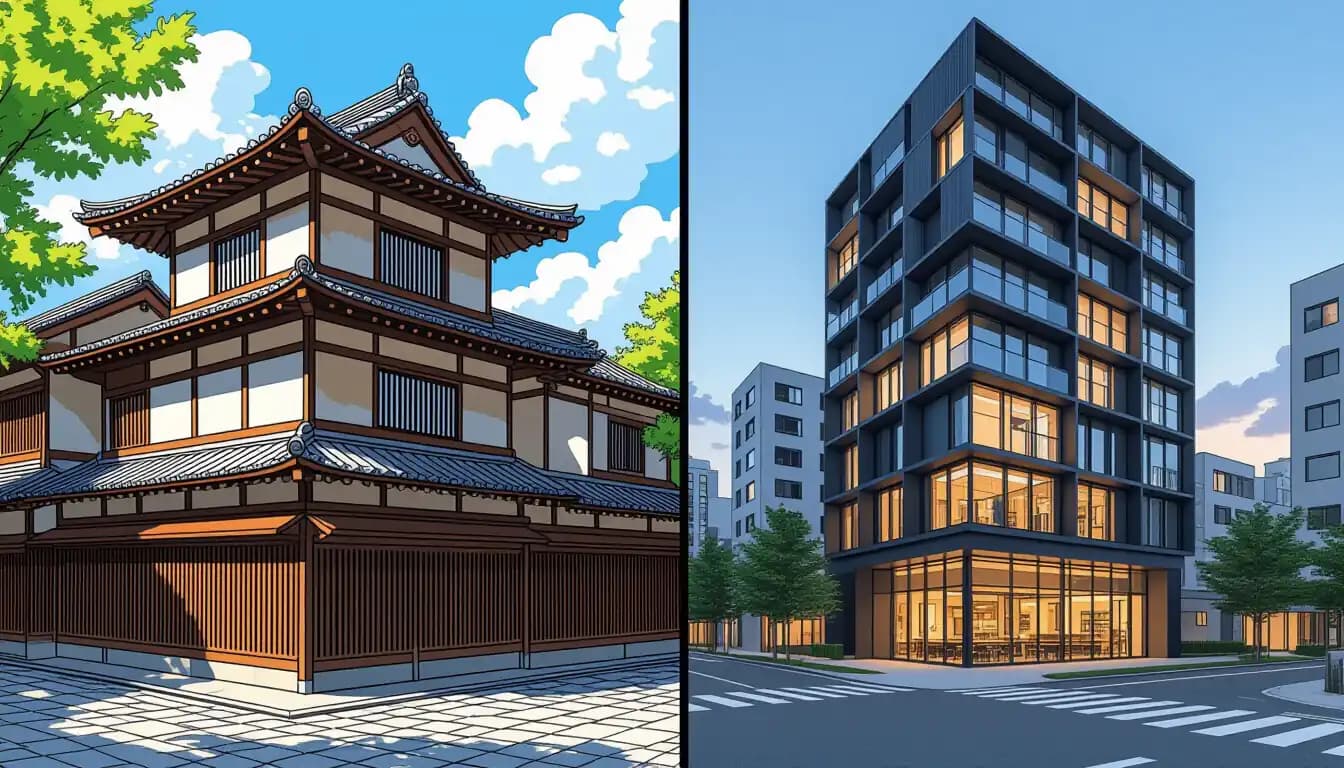
Both cities have shown solid appreciation, but with different drivers and volatility profiles.
Osaka Appreciation:
- Residential land growth: +2.7% recent average
- Commercial land growth: +7.6% recent average
- The 2025 Osaka-Kansai World Expo (April–October 2025) drove record investment of ¥1 trillion+, with a projected total economic impact of ¥2.92 trillion
- Expo effect: New metro extensions, Yumeshima casino/resort project, infrastructure upgrades across the bay area
- Risk: Potential post-Expo demand softening once the event concludes and temporary demand normalizes
Kyoto Appreciation:
- Annual price change: ~2–4% (lower volatility vs Osaka's 5–8% swings)
- Central condo 10-year appreciation: ~25–40% nominally over the past decade
- Fastest appreciating areas right now:
- Nishijin (Kamigyo-ku): Machiya renovation boom driving gentrification - Umekoji (Shimogyo-ku): Spillover from Kyoto Station development - Demachiyanagi (Sakyo-ku): University-driven rental demand (Kyoto University area)
Kyoto's appreciation is slower but more predictable. The heritage character of the city creates a ceiling on new supply — new construction is limited and expensive — which historically supports price floors in central areas.
Market Liquidity: How Easily Can You Sell?
Liquidity matters if your investment horizon is 5–10 years rather than indefinite.
Kyoto Liquidity Metrics:
- Central condos: 70–110 days on market
- Detached houses: 90–140 days on market
- 75–85% of properties sell at or below asking price
- Typical negotiation discount: 5–13% below asking price
Osaka Liquidity:
- Generally higher transaction volume due to larger population base
- Central districts (Namba, Shinsaibashi, Umeda) see faster turnover
- Tourism and business-driven demand creates more varied buyer pool
- Expo-era investment increased market activity significantly in 2023–2025
For buyers who want flexibility to exit, Osaka's higher transaction volume and larger buyer pool (including domestic Japanese buyers) makes it the more liquid market.
Foreign Buyer Practical Considerations
Both cities welcome foreign buyers under Japan's property laws. There are no ownership restrictions, no residency requirements, and foreigners hold full freehold title on both land and buildings. For a complete overview of your legal rights, see our guide on foreigner property ownership rights in Japan.
Key Practical Differences:
| Factor | Osaka | Kyoto |
|---|---|---|
| Rental strategy (long-term) | Excellent — large resident population | Good — university/local demand |
| Rental strategy (short-term) | Easier to operate STR | More restricted; zone-dependent |
| Renovation freedom | Standard rules apply | Heritage overlays in many areas |
| English-speaking agents | Good availability | Good, but fewer specialists |
| Property management services | Mature, competitive market | More specialized; higher cost |
| Financing (non-resident) | LTV 60–70% (select lenders) | LTV 60–70% (select lenders) |
| Acquisition costs | ~6–10% on top of purchase price | ~6–10% on top of purchase price |
For financing options available to foreign buyers, see our guide on mortgages and home loans for foreigners in Japan. For a breakdown of all upfront costs, see our hidden costs and fees guide.
Who Should Choose Each City?
Osaka is the better choice if you:
- Prioritize higher rental yields (4%+) over cultural prestige
- Want to operate short-term rentals with fewer compliance hurdles
- Are looking for stronger short-to-medium term capital growth momentum
- Prefer a more liquid market with easier exit options
- Want a larger tenant pool (workers, students, families, tourists)
- Are investing as a pure financial play rather than a lifestyle purchase
Kyoto is the better choice if you:
- Are drawn to the heritage character and want to own a machiya or traditional property
- Are buying partly as a vacation home and partly as an investment
- Prefer slower, lower-volatility appreciation vs higher but more variable Osaka growth
- Can navigate or afford specialist help for heritage renovation and STR compliance
- Are willing to accept 3.0–4.0% yields in exchange for Kyoto's unique long-term positioning
- Want lower entry into a supply-constrained market where new development is limited
Getting Started: Research and Due Diligence Resources
Before committing to either city, thorough research is essential. Some resources worth reviewing:
- Living in Nihon's buying and mortgage guide for foreigners — comprehensive overview of the purchase process
- For Work in Japan's housing guide — useful context on living costs and regional housing infrastructure
- Gaijin Buy House: Osaka & Kansai real estate guide — Kansai-focused investor perspective including Kyoto and Osaka data
- Bamboo Routes: 13 Kyoto Real Estate Statistics for 2025 — data-heavy Kyoto market analysis
- RE/MAX L-Style: Osaka vs Kyoto comparison — agency perspective on lifestyle and investment differences
For next steps in the buying process, see our step-by-step home buying guide for foreigners in Japan and our property buying checklist.
Both cities represent excellent opportunities for foreign buyers willing to do their homework. The right choice ultimately depends on your investment goals, risk tolerance, and how much of a personal connection you want with the property you own.

Originally from Vietnam, living in Japan for 16+ years. Graduated from Nagoya University, with 11 years of professional experience at Japanese and international companies. Sharing information about buying property in Japan for foreigners.
View Profile →Related Articles
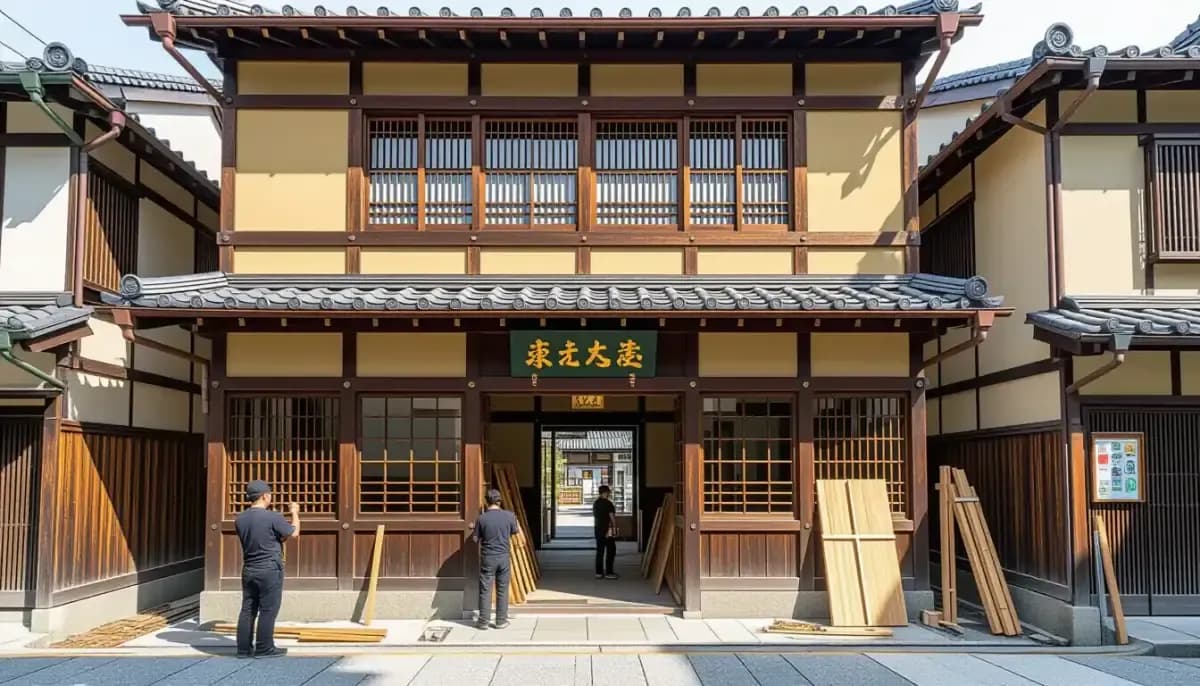
Renovating a Traditional House in Kyoto: Guide for Foreign Owners
Complete guide for foreigners renovating a traditional kyo-machiya townhouse in Kyoto. Covers costs (¥2M–¥20M+), preservation regulations, subsidies, financing, and how to find specialist contractors.
Read more →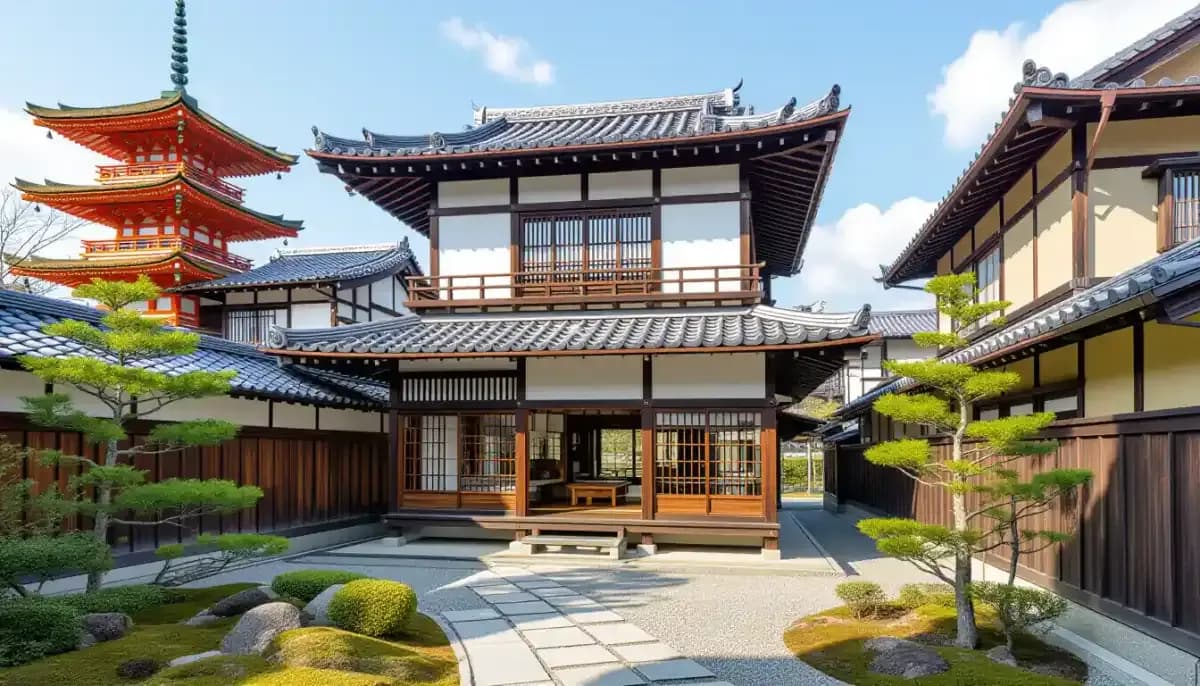
Northern Kyoto: Affordable Property Options for Foreigners
Discover affordable property options in northern Kyoto for foreigners. Kita Ward machiya from ¥20.8M, Sakyo Ward university rentals, akiya properties, and buying tips for expats.
Read more →
Higashiyama Area Property Guide for Foreign Buyers
Complete guide to buying property in Higashiyama, Kyoto as a foreigner. Covers price ranges (¥12.8M–¥250M+), machiya townhouses, preservation regulations, investment yields, and step-by-step buying process.
Read more →
Arashiyama Area Property Guide for Foreign Buyers
Complete guide to buying property in Arashiyama as a foreigner. Covers property prices (¥5M–¥500M+), short-term rental rules, machiya ownership, mortgage access, and the full purchase process in Kyoto's iconic bamboo grove district.
Read more →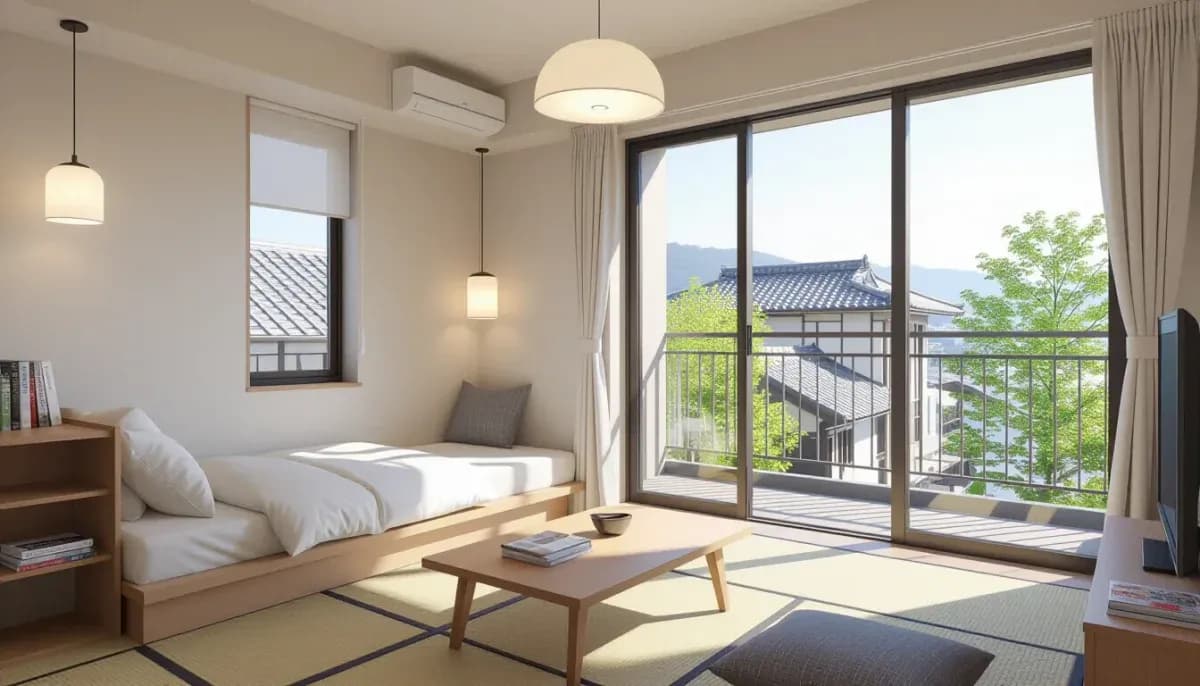
Kyoto Student Rental Investment Near Universities
Complete guide to investing in Kyoto student rental properties near universities for foreigners. Covers best areas, rental yields of 4-6%, legal requirements, financing, and management tips.
Read more →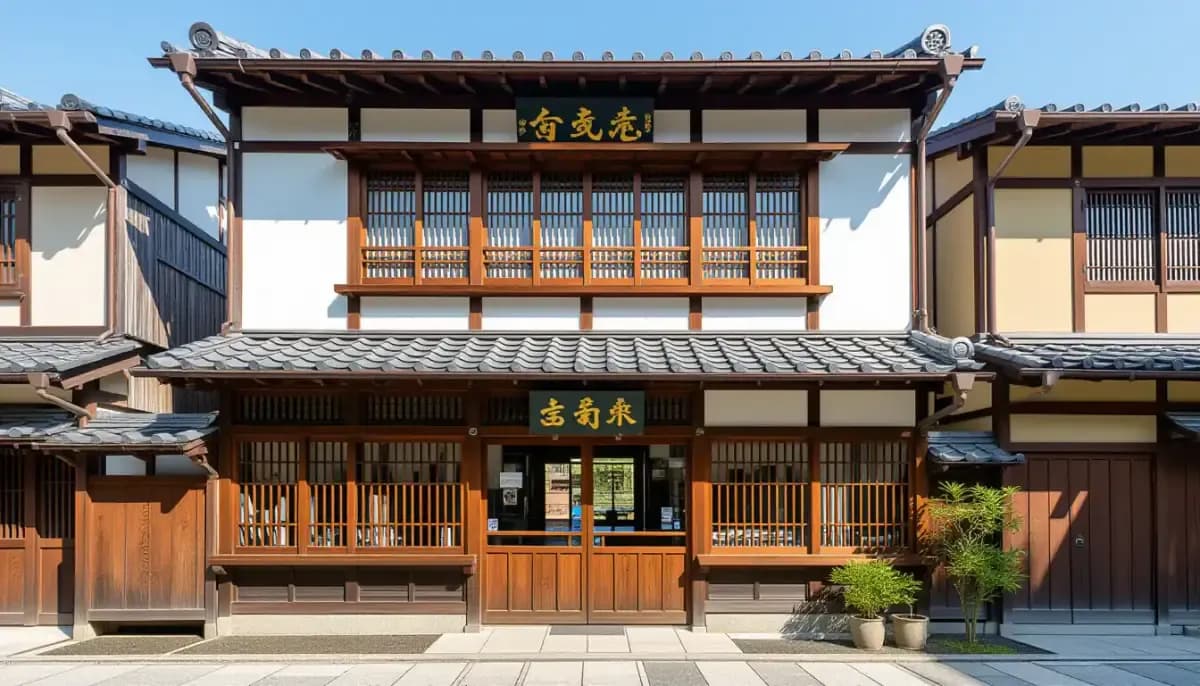
Kyoto Historic Preservation Areas and Property Rules
Understand Kyoto's strict historic preservation rules before buying property. Learn about machiya renovation restrictions, rebuilding-prohibited land, height limits, and what foreigners must know about purchasing in Kyoto's heritage districts.
Read more →