
Best Neighborhoods in Kyoto for Foreign Property Buyers

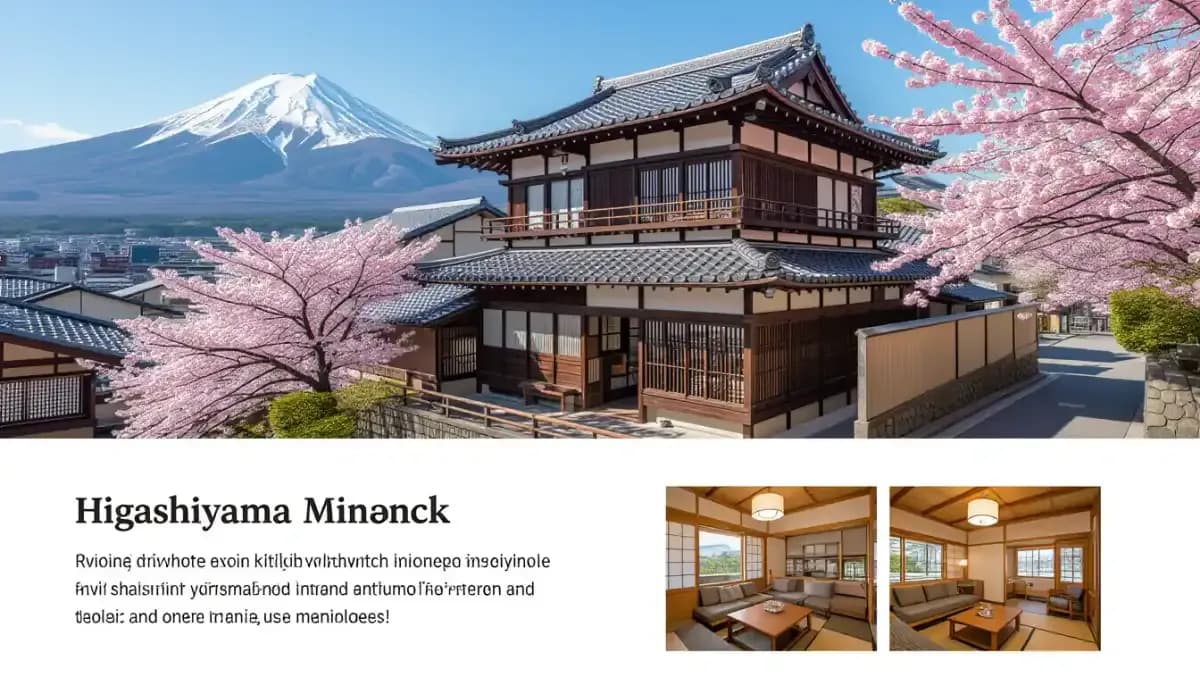
Discover the best neighborhoods in Kyoto for foreign property buyers. Compare Gion, Nishijin, Fushimi, Nakagyo-ku and more — with prices, rental yields, and expat-friendly areas.
Best Neighborhoods in Kyoto for Foreign Property Buyers
Kyoto is unlike any other city in Japan. With over 1,600 Buddhist temples, 400 Shinto shrines, and UNESCO World Heritage sites woven into its urban fabric, Kyoto offers foreign property buyers something rare: the chance to own real estate in one of the world's most culturally significant cities. But with that privilege comes complexity. Heritage preservation zoning limits development, prices have surged 25–40% since 2020, and neighborhoods vary dramatically in lifestyle, investment potential, and livability.
This guide breaks down the best neighborhoods in Kyoto for foreign buyers — covering investment hotspots, expat-friendly residential zones, budget-conscious areas, and the gentrifying pockets offering the best appreciation potential.
Understanding Kyoto's Property Market Before You Buy
Before diving into specific neighborhoods, foreign buyers need to understand a few fundamentals that make Kyoto's market unique.
Foreigners face no legal restrictions on buying property in Kyoto. There is no citizenship requirement, no residence visa needed, and no minimum purchase amount. The only obligation is written notification to the Bank of Japan within 20 days of purchase. You can even complete the entire transaction remotely without ever setting foot in Japan.
Financing, however, is more selective. Foreign buyers can access mortgages through banks like Prestia (SMBC Trust Bank), Tokyo Star Bank, and Suruga Bank — typically at 0.5–1.5% interest, with 70–80% LTV ratios and a 20–30% down payment requirement.
What makes Kyoto different from Tokyo or Osaka is its strict heritage preservation zoning. Height restrictions are enforced citywide. Large portions of the city are governed by regulations that limit what can be torn down, rebuilt, or modified. This means only 15–20% of available inventory consists of new builds — and it keeps supply tight, which supports values but limits your options.
| Metric | Kyoto City |
|---|---|
| Population | 1.44 million (2025) |
| Average land price (2024) | ¥293,700/sqm |
| Price increase since 2020 | 25–40% |
| New build share of inventory | 15–20% |
| Universities in prefecture | 29 |
| Student population share | ~10% of city |
| Foreign buyer mortgage LTV | 70–80% |
| Typical rental yield (central) | 2.5–4% |
| Typical rental yield (outer) | 4–5.5% |
For a full picture of the legal framework and purchase process, read our guide on Buying Property in Kyoto as a Foreigner and check Can Foreigners Buy Property in Japan? for the broader legal context.
Premium Central Neighborhoods: Culture, Convenience, and High Entry Costs
Nakagyo-ku (中京区): The Tanoji Core
Nakagyo-ku is widely considered Kyoto's most desirable central ward for owner-occupants and prestige buyers. The "Tanoji Area" — the stretch between Oike Dori and Gojo Dori, flanked by Karasuma and Kawaramachi — has some of the highest land prices in the city. Key reasons:
- Top school access: Elementary schools like Kashiwano and Senbon are among Kyoto's most respected public schools.
- Height restrictions: Strictly enforced, protecting sightlines and preventing overdevelopment that would erode values.
- Walkable urban lifestyle: Daimaru and Takashimaya department stores, Nishiki Market, and Karasuma subway access all within walking distance.
- Shijo-Karasuma commercial district: Kyoto's largest commercial hub, yet with quiet residential pockets tucked away from the main shopping streets.
Price range: ¥850,000–¥1,250,000 per sqm for condominiums. Older units in less-trafficked sub-areas can fall below this range.
Best for: Buyers who prioritize central location, school quality, prestige, and easy access to both Kyoto and Osaka (40-minute Hankyu commute to Umeda).
Higashiyama-ku (東山区): Gion, Kiyomizu, and Heritage Living
Higashiyama-ku is Kyoto's most iconic district — home to Gion, the Kiyomizudera temple corridor, Yasaka Shrine, and Maruyama Park. For foreign buyers, it represents both the highest appeal and the highest caution.
The appeal: Owning property in Gion is genuinely extraordinary. Historic machiya townhouses are available for purchase and can command exceptional short-term rental rates of ¥300,000–¥750,000 per month for well-managed properties at 75–85% occupancy.
The cautions:
- Heritage zone restrictions are the strictest in the city. Renovation and exterior modification are heavily regulated.
- The market is somewhat oversaturated with short-term rental properties; competition is intense.
- Luxury Gion and Higashiyama properties can exceed ¥2,000,000/sqm — among the highest in Western Japan.
Price range: ¥1,000,000–¥2,000,000+ per sqm for prime Gion/Kiyomizudera-adjacent properties.
Best for: Buyers with large budgets seeking prestige or short-term rental investment who understand heritage zone constraints. Not ideal for first-time Japan property buyers.
Best Neighborhoods for Short-Term Rental Investment
Short-term rental (Airbnb/民泊 minpaku) in Kyoto is permitted only under specific conditions — operators must register under Japan's Minpaku Law, comply with Kyoto City's stricter local ordinances (which limit operation to non-residential zones outside certain periods), and manage guest communications carefully. Despite the regulatory complexity, several neighborhoods consistently outperform for investors.
Shimogyo-ku / Kyoto Station Area
The Kyoto Station precinct in Shimogyo-ku is arguably the top investment neighborhood for short-term rental. Reasons:
- Near Kyoto Station (Shinkansen, JR, subway, Kintetsu) — maximum accessibility for tourists
- New development is occurring: The teamLab digital art complex opened in October 2025 nearby, and Kyoto City University of Arts relocated to the area, driving foot traffic and interest
- Umekoji area within Shimogyo-ku is actively gentrifying — prices here are still 5–10% below peak central rates but rising
Typical short-term rental income: ¥300,000–¥550,000/month for well-positioned units at high occupancy.
Kawaramachi-Sanjo / Karasuma-Oike (Nakagyo-ku)
The riverfront Kawaramachi strip and the Karasuma-Oike business district generate strong tourism traffic year-round. Properties here benefit from both leisure and business travel demand.
Arashiyama / Saga (Ukyo-ku)
Arashiyama is a tourism icon — the bamboo grove, Tenryuji temple, and Togetsukyo Bridge draw millions annually. Short-term rental properties here can achieve excellent occupancy, but like Higashiyama, renovation restrictions apply to machiya properties, and the market is seasonal. Buy here with eyes open to low-season occupancy dips.
For more on the overall investment framework, see our Japan Real Estate Market Overview and Trends.
Best Neighborhoods for Expat Families and Long-Term Residents
Iwakura (Sakyo-ku)
Iwakura, located in the northern section of Sakyo-ku near Kokusaikaikan Station (International Conference Center), is a consistent favorite among expat families. Reasons:
- Quiet, leafy, residential character — feels removed from the tourist congestion of central Kyoto
- Proximity to Kyoto International Conference Center and related international institutions
- Strong connections to Doshisha University and its school system
- Excellent public transport to central Kyoto via Karasuma subway line
Price range: ¥500,000–¥700,000 per sqm — meaningfully below central Nakagyo-ku rates.
Katsura (Nishikyo-ku)
Katsura, in the western Nishikyo-ku ward, is often described as one of Kyoto's most popular areas for expat residents. It offers:
- Primarily residential character with a good mix of families and singles
- Convenient access via the Hankyu Kyoto Line (direct to Osaka/Umeda in ~35 minutes)
- More modern housing stock than the historic center
- Proximity to Katsura Imperial Villa (Katsura Rikyu), one of Japan's finest historic gardens
Price range: ¥450,000–¥600,000 per sqm.
Okazaki / Demachiyanagi (Sakyo-ku)
Okazaki is a culturally rich neighborhood home to Heian Shrine, the Kyoto National Museum of Modern Art, and the Okazaki cultural park complex. Demachiyanagi, at the confluence of the Kamo and Takano rivers, is a student-centered neighborhood with excellent cafes, bookstores, and a village-like atmosphere.
Both areas offer strong long-term rental demand driven by Kyoto University, Doshisha, and other nearby universities. Rental yields in this corridor run 4–5.5%, notably above the 2.5–4% typical of prime central Nakagyo-ku.
For advice on the financial side of your purchase, see our guide on Mortgages and Home Loans for Foreigners in Japan.
Affordable and Gentrifying Neighborhoods Worth Watching
Nishijin (Kamigyo-ku): The Artisan Quarter
Nishijin is Kyoto's historic weaving district — home to the famous Nishijin-ori textile tradition and a distinctly local, non-touristy character. In recent years, it has become a hotspot for gentrification:
- Older machiya townhouses still available at prices well below Higashiyama or Nakagyo-ku
- Growing population of creative professionals, artists, and young Japanese families
- Proximity to Kitano Tenmangu shrine and excellent temple access
- Appreciation running 5–10% above city average as buyers discover the neighborhood
Price range: ¥480,000–¥680,000 per sqm for condominiums; machiya vary widely based on condition.
Fushimi-ku: Budget-Conscious with Good Infrastructure
Fushimi-ku — home to the famous Fushimi Inari shrine with its thousands of torii gates — offers the most affordable entry points in Kyoto city proper. Rokujizo and Momoyama sub-areas have good Kintetsu and JR access and a functional residential infrastructure.
Price range: ¥430,000–¥520,000 per sqm. Older 50 sqm apartments available for ¥17–23 million.
Best for: Buyers on tighter budgets, those primarily interested in residential use rather than short-term rental, or investors seeking higher gross yields.
Yamashina-ku and Nishikyo-ku: Suburban Value
These outer wards offer modern housing, good schools, and commuter rail access at lower price points. They lack the cultural cachet of central Kyoto but are practical choices for buyers who work in Osaka or Kyoto's business districts and want more space for their budget.
For broader context on how Kyoto compares to other Japanese cities, see our guides on Buying Property in Osaka as a Foreigner and Buying Property in Kobe and Hyogo as a Foreigner.
Neighborhood Comparison: Quick Reference
| Neighborhood | Ward | Price/sqm | Best For | Rental Yield |
|---|---|---|---|---|
| Tanoji Core / Shijo-Karasuma | Nakagyo-ku | ¥850K–¥1.25M | Prestige, family living | 2.5–3.5% |
| Gion / Higashiyama | Higashiyama-ku | ¥1M–¥2M+ | Short-term rental, prestige | 3–5% (STR) |
| Kyoto Station / Shichijo | Shimogyo-ku | ¥700K–¥950K | Investment, STR | 3.5–5% (STR) |
| Nishijin | Kamigyo-ku | ¥480K–¥680K | Appreciation, character living | 3.5–4.5% |
| Okazaki / Demachiyanagi | Sakyo-ku | ¥600K–¥900K | Long-term rental, expats | 4–5.5% |
| Iwakura | Sakyo-ku | ¥500K–¥700K | Expat families, quiet | 4–5% |
| Katsura | Nishikyo-ku | ¥450K–¥600K | Expat families, Osaka commuters | 4–5% |
| Arashiyama / Saga | Ukyo-ku | ¥600K–¥850K | Tourism STR | 3.5–5% (STR) |
| Fushimi | Fushimi-ku | ¥430K–¥520K | Budget buyers | 4.5–5.5% |
What Foreign Buyers Need to Know Before Choosing a Neighborhood
Due diligence on zoning: Before purchasing any property in Kyoto — especially a machiya — verify the exact heritage zone classifications. Renovation restrictions can be severe. Use a bilingual real estate agent familiar with Kyoto's specific regulations.
Machiya considerations: Traditional townhouses are beautiful and can be excellent investments, but they carry hidden costs: seismic retrofitting, roof replacement, plumbing modernization, and ongoing maintenance expenses can run several million yen. Always commission a structural inspection before purchase.
Short-term rental compliance: Kyoto City has some of Japan's strictest minpaku regulations. Properties in residential zones face operating day limits. Confirm current operating permissions with the relevant ward office and engage a licensed property manager experienced with Kyoto regulations.
Tax implications: Factor in annual fixed asset tax (固定資産税), city planning tax, and the potential inheritance tax implications for estate planning. Our guide on Property Taxes and Annual Costs of Owning Property in Japan covers these in detail.
Working with the right professionals: Engage a bilingual judicial scrivener (司法書士) for the title transfer and a real estate agent with specific Kyoto experience. See our Step-by-Step Home Buying Process for the full transaction roadmap.
External Resources for Deeper Research
For practical guides on living in Japan as a foreigner, Living in Nihon provides valuable day-to-day insights on navigating Japanese life. If you're relocating for work, For Work in Japan covers employment and visa pathways. For dedicated foreigner-focused real estate guidance, Gaijin Buy House is a specialist resource worth consulting.
For market data, Bamboo Routes' Kyoto area guide and Kyoto real estate statistics provide current pricing and yield data. PropertyAccess's Kyoto neighborhood guide offers a foreigners-focused breakdown of livability by area.
Conclusion
Kyoto's property market rewards buyers who do their homework. The city's strict heritage zoning keeps supply tight and supports long-term values — but it also creates real complexity for buyers unfamiliar with the local regulatory environment. Whether you're drawn to the prestige of Gion, the expat-friendly calm of Iwakura, the investment potential of the Kyoto Station precinct, or the gentrifying energy of Nishijin, there is a neighborhood that fits your goals.
The key is matching your priorities — lifestyle, investment return, budget, family needs — to the right ward and sub-district. Prices have risen sharply since 2020, but with careful selection and proper professional support, Kyoto remains one of the world's most compelling cities for long-term property ownership.
Start with our Complete Guide to Buying Property in Japan as a Foreigner if you're earlier in your research, and check Hidden Costs and Fees When Buying Property in Japan before you finalize your budget.

Originally from Vietnam, living in Japan for 16+ years. Graduated from Nagoya University, with 11 years of professional experience at Japanese and international companies. Sharing information about buying property in Japan for foreigners.
View Profile →Related Articles
Renovating a Traditional House in Kyoto: Guide for Foreign Owners
Complete guide for foreigners renovating a traditional kyo-machiya townhouse in Kyoto. Covers costs (¥2M–¥20M+), preservation regulations, subsidies, financing, and how to find specialist contractors.
Read more →
Northern Kyoto: Affordable Property Options for Foreigners
Discover affordable property options in northern Kyoto for foreigners. Kita Ward machiya from ¥20.8M, Sakyo Ward university rentals, akiya properties, and buying tips for expats.
Read more →
Higashiyama Area Property Guide for Foreign Buyers
Complete guide to buying property in Higashiyama, Kyoto as a foreigner. Covers price ranges (¥12.8M–¥250M+), machiya townhouses, preservation regulations, investment yields, and step-by-step buying process.
Read more →
Arashiyama Area Property Guide for Foreign Buyers
Complete guide to buying property in Arashiyama as a foreigner. Covers property prices (¥5M–¥500M+), short-term rental rules, machiya ownership, mortgage access, and the full purchase process in Kyoto's iconic bamboo grove district.
Read more →
Kyoto vs Osaka Property Investment Comparison
Compare Kyoto and Osaka property investment for foreign buyers. Rental yields (4.26% vs 3-4%), prices, regulations, capital growth, and which city suits your investment goals.
Read more →
Kyoto Student Rental Investment Near Universities
Complete guide to investing in Kyoto student rental properties near universities for foreigners. Covers best areas, rental yields of 4-6%, legal requirements, financing, and management tips.
Read more →