
Buying a Kominka in Japan: Complete Guide for Foreigners

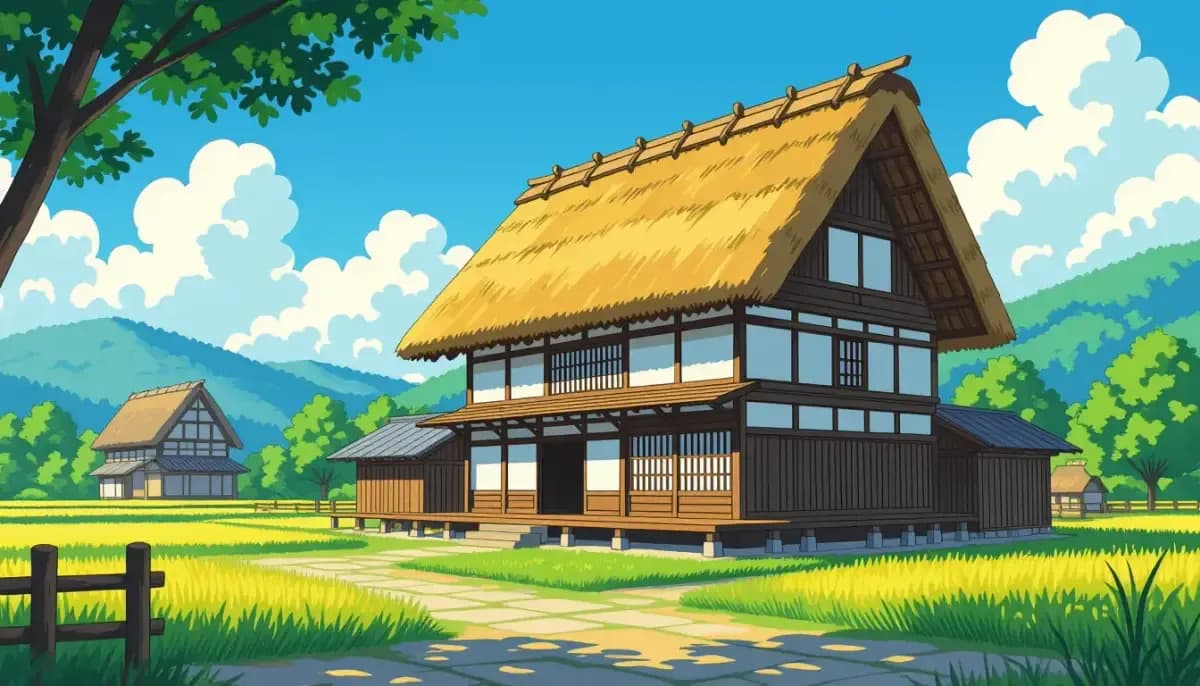
Complete guide to buying a kominka in Japan as a foreigner. Learn about legal rights, costs, renovation budgets, financing options, hidden risks, and government subsidies for traditional Japanese farmhouses.
Buying a Kominka in Japan: Complete Guide for Foreigners
Japan's traditional farmhouses — known as kominka (古民家) — have captured the imagination of foreigners around the world. These centuries-old wooden structures, with their soaring thatched roofs, hand-hewn timber beams, and earthen walls, represent a vanishing piece of Japanese cultural heritage. And increasingly, foreigners are buying them. Whether you dream of a rural retreat, a guesthouse business, or a unique family home, this guide walks you through everything you need to know about buying a kominka in Japan as a foreigner.
What Is a Kominka?
A kominka is a traditional Japanese folk house, typically built before World War II or as far back as the Edo period (1603–1868). Unlike modern prefabricated homes, kominka were constructed entirely using joinery techniques — no nails, just interlocking wooden joints. The result is a structure that can flex during earthquakes rather than crack.
Key architectural features of a kominka include:
- Massive wooden beams (sometimes 400+ years old) of keyaki (zelkova), cedar, or pine
- Earthen and plaster walls with bamboo lattice frames
- Irori (sunken hearth) at the center of the main room
- Engawa (wooden veranda) running along the perimeter
- Thatched or clay tile roofs with dramatic overhanging eaves
- Doma (earthen-floor entryway) for working and storage
For a deeper introduction to what makes these homes architecturally unique, see our guide on Traditional Japanese House Architecture and Design Explained.
Can Foreigners Buy a Kominka in Japan?
Yes — and there are no restrictions whatsoever. Japan imposes no legal barriers on foreign nationals buying real estate, including kominka and other traditional properties. You do not need:
- Japanese citizenship
- Permanent residency
- A specific visa type
- A Japanese spouse or guarantor
Foreigners receive full freehold ownership rights identical to those of Japanese citizens. One important caveat as of April 2024: foreign buyers who do not have a registered address in Japan must designate a local contact person (連絡先) — essentially someone in Japan who can receive official correspondence related to the property.
Owning property in Japan does not grant visa or residency status. For a complete overview of the legal rights involved, see Can Foreigners Buy Property in Japan? Legal Rights.
For more general guidance on navigating life in Japan as a foreigner, Living in Nihon is an excellent English-language resource covering topics from housing to daily life essentials.
How Much Does a Kominka Cost?
Purchase prices vary enormously depending on location, condition, and whether the property includes agricultural land. Here is a realistic breakdown:
| Category | Price Range (JPY) | Price Range (USD approx.) |
|---|---|---|
| Free/near-free akiya (depopulated rural) | ¥0 – ¥500,000 | Free – ~,500 |
| Rural kominka (needs full renovation) | ¥1M – ¥6M | ~,000 – ,000 |
| Mid-range (partially renovated) | ¥6M – ¥20M | ~,000 – ,000 |
| Renovated kominka (ready to move in) | ¥20M – ¥60M | ~,000 – ,000 |
| Premium renovated (expat market, Kyoto/resort) | ¥60M – ¥200M+ | ~,000 – .3M+ |
The cheapest properties are found in prefectures with the highest vacancy rates: Tokushima, Wakayama, and Yamanashi. Active markets with established foreign buyer communities include Kyoto (machiya townhouses), Nagano, Niigata, and Chiba. Ski resort areas like Hakuba also have a growing kominka market targeting international buyers.
Remember: the purchase price is only the beginning. Renovation costs often dwarf the sale price.
Renovation Costs: The Real Price of a Kominka
This is where many buyers are caught off guard. A kominka bought for ¥3 million can easily require ¥15–20 million in renovation before it is comfortably livable. Here is a realistic cost framework:
| Renovation Level | Scope | Estimated Cost |
|---|---|---|
| Minimal fix-up (DIY + cosmetic) | Cleaning, tatami, basic plumbing | ¥2M – ¥5M |
| Mid-range (livable) | Structural repairs, insulation, kitchen, bathroom | ¥6M – ¥12M |
| Full renovation (modern comfort) | Roof, walls, floors, electrical, full systems | ¥13M – ¥20M+ |
| Specialist kominka restoration | Traditional methods, cultural preservation | ¥300,000 – ¥400,000 per sqm |
For a 150–200 sqm kominka, budget at least ¥10–15 million for a standard renovation bringing the home to modern comfort. A full specialist-grade restoration of a 200 sqm property can reach ¥60–80 million.
Hidden costs to budget for:
- Termite inspection (¥10,000–¥30,000) and treatment (¥50,000–¥200,000+)
- Septic system installation in rural areas without sewer access: ¥1.5M–¥2.5M
- Electrical panel upgrade and rewiring: ¥300,000–¥600,000
- Demolition and debris removal: ¥100,000–¥800,000+
- Legal fees (judicial scrivener): ¥80,000–¥150,000
- Registration and license tax: 0.4–2% of property value
- Scope creep buffer: add 20–30% to any renovation estimate
For a comprehensive breakdown of renovation costs across all categories, see our dedicated Kominka Renovation and Restoration Cost Guide.
Old Houses Japan has also published a detailed 2025 cost breakdown with real project data.
The Buying Process Step by Step
Buying a kominka follows Japan's standard real estate purchase process, but with some additional complexities unique to traditional properties. Here is how it typically unfolds:
Step 1 — Find a Property Use specialist platforms such as Akiya Mart, KORYOYA, japan-kominka.com, or regional akiya banks (空き家バンク) run by local municipalities. Many rural municipalities actively recruit foreign buyers. See our guide on Where to Find Kominka for Sale in Japan.
Step 2 — Site Visit and Inspection A professional pre-purchase structural assessment is strongly recommended — and often essential. Many kominka predate Japan's 1981 and 2000 earthquake resistance standards. Look for signs of termite damage, water infiltration, foundation settling, and roof integrity. See Kominka Structural Assessment and Safety Guide Before Buying for what to check.
Step 3 — Make an Offer Negotiation is standard. Rural properties especially often have room for price reduction. Your agent will submit a formal offer letter (申込書).
Step 4 — Sign the Sales Contract Once terms are agreed, you sign the Purchase and Sale Agreement (売買契約書) and pay a deposit (typically 5–10% of the purchase price). The agent will provide a Disclosure Statement (重要事項説明書) explaining the property's legal status, any encumbrances, and known defects.
Step 5 — Final Settlement The remaining balance is paid, title is transferred via a judicial scrivener (司法書士), and the property is registered in your name. The entire process typically takes 1–3 months.
For a complete walkthrough of Japan's real estate purchase process, see Step-by-Step Home Buying Process in Japan for Foreigners.
Financing: Can Foreigners Get a Mortgage for a Kominka?
This is a significant challenge. Japanese banks typically require borrowers to be permanent residents or Japanese citizens to qualify for a mortgage. Most foreign buyers purchasing kominka must therefore pay entirely in cash.
A few options exist:
- Some regional banks (地方銀行) have offered mortgages to long-term visa holders, particularly those with stable employment and a Japanese guarantor
- Developer-backed financing through specialist renovation companies
- Home country financing — refinancing existing property abroad to fund the Japan purchase
For a full overview of mortgage options, including which lenders are most foreigner-friendly, see Mortgages and Home Loans for Foreigners in Japan.
For those working in Japan who want practical guidance on financial matters including property, For Work in Japan offers helpful resources on navigating Japanese financial systems as a foreign resident.
Key Challenges and Risks
Buying a kominka is not for the faint-hearted. Here are the major challenges to consider before committing:
Structural Issues Most kominka predate Japan's modern earthquake standards (1981 seismic code revision, 2000 update). A professional structural assessment is non-negotiable. Termite damage is extremely common and can be severe enough to cause partial collapse.
Insulation and Heating Traditional kominka were designed for ventilation, not insulation. The gaps that make them cool in summer make them brutally cold in winter. Modern insulation retrofits can be expensive and architecturally complex. Read more about Heating and Insulation Challenges in Traditional Japanese Houses.
Remote Location Most kominka are in rural areas with limited public transport, few shops, and sometimes unreliable internet. A car (and a Japanese driving license) is typically essential.
Agricultural Land Complications Many kominka come with attached farmland (農地). Purchasing agricultural land in Japan requires approval from the local Agricultural Committee (農業委員会) and a commitment to actual commercial farming — hobby farming does not qualify. This complicates purchases significantly.
Finding Skilled Craftspeople Traditional kominka restoration requires specialist carpenters (大工) trained in traditional joinery. These craftspeople are rare and in high demand, driving up costs and timelines.
Cultural Preservation Rules Some kominka — particularly in Kyoto and other heritage areas — are subject to preservation ordinances that restrict what modifications can be made. See Cultural Preservation Rules for Kominka and Machiya Owners for what this means in practice.
Government Subsidies and Support
One significant upside for kominka buyers: Japanese national and local governments are actively encouraging the renovation and occupation of vacant traditional homes. Available support includes:
- Renovation subsidies covering 10–80% of eligible expenses (earthquake retrofitting, insulation, solar panels, cultural preservation work)
- Tax incentives for revitalizing long-vacant properties
- Akiya banks connecting buyers with vacant properties, often with municipal support services
- Some municipalities offer cash grants of ¥1M+ to families who move to depopulated areas
Always check with the specific municipality before purchasing — subsidy programs vary significantly by location and change frequently.
Using Your Kominka as a Business
A popular strategy among foreign kominka buyers is converting the property into a guesthouse or vacation rental. Japan's traditional townscape is a major draw for international tourists, and a well-renovated kominka can generate substantial rental income.
Short-term rental operation requires licensing under Japan's Hotel Business Law (旅館業法) or the Minpaku Law (民泊新法). These involve safety inspections, fire suppression requirements, and in some cases, manager certification. For a full guide to this path, see Converting a Kominka into a Guesthouse Business in Japan.
Gaijin Buy House is an English-language resource specifically focused on helping foreigners navigate Japan's property market, including traditional properties like kominka.
Finding the Right Agent and Support
Given the complexity of kominka purchases, working with a specialist agent is strongly advisable. Key options include:
- KORYOYA — specializes in traditional Japanese houses; offers viewing, negotiation, renovation coordination, and management services
- japan-kominka.com — Kyoto-focused; full buyer support for foreigners including virtual tours
- Yamamoto Property Advisory — focused on Nagano and Niigata; consulting from ¥50,000 for spot consultations
- AKIYA2.0 — project management for akiya renovation; fees are 5–10% of total project cost
- AkiyaHub — guides and platform for foreign buyers of vacant homes
For a broader overview of traditional Japanese house types and what distinguishes kominka from machiya, see our Traditional Japanese Houses (Kominka and Machiya) for Foreign Buyers pillar guide.
For additional research from the foreign buyer community, AkiyaHub's guide for foreign buyers is a useful English-language starting point.
Is Buying a Kominka Right for You?
A kominka purchase suits buyers who:
- Have cash available (or access to non-Japan financing)
- Are comfortable with a significant renovation project
- Value character, craftsmanship, and cultural heritage over modern convenience
- Are prepared for a rural lifestyle
- Have time and patience for a complex purchase process
It is less suitable for buyers seeking a straightforward, move-in-ready home, those relying on Japanese mortgage financing, or those unwilling to engage deeply with the renovation process.
If you are drawn to traditional Japanese aesthetics but prefer something more urban and manageable in scale, consider a machiya townhouse instead — particularly in Kyoto and other historic cities.
Conclusion
Buying a kominka in Japan as a foreigner is entirely legal, increasingly supported by local governments, and deeply rewarding for those prepared for the journey. The purchase price may be surprisingly affordable — the renovation investment less so. The key is going in with eyes open: understand the true all-in costs, conduct a rigorous structural inspection, work with a specialist agent, and research local subsidy programs before committing.
Japan's rural kominka represent one of the world's great real estate opportunities for those with vision, patience, and resources. With careful preparation, your traditional Japanese farmhouse dream is entirely achievable.

Originally from Vietnam, living in Japan for 16+ years. Graduated from Nagoya University, with 11 years of professional experience at Japanese and international companies. Sharing information about buying property in Japan for foreigners.
View Profile →Related Articles
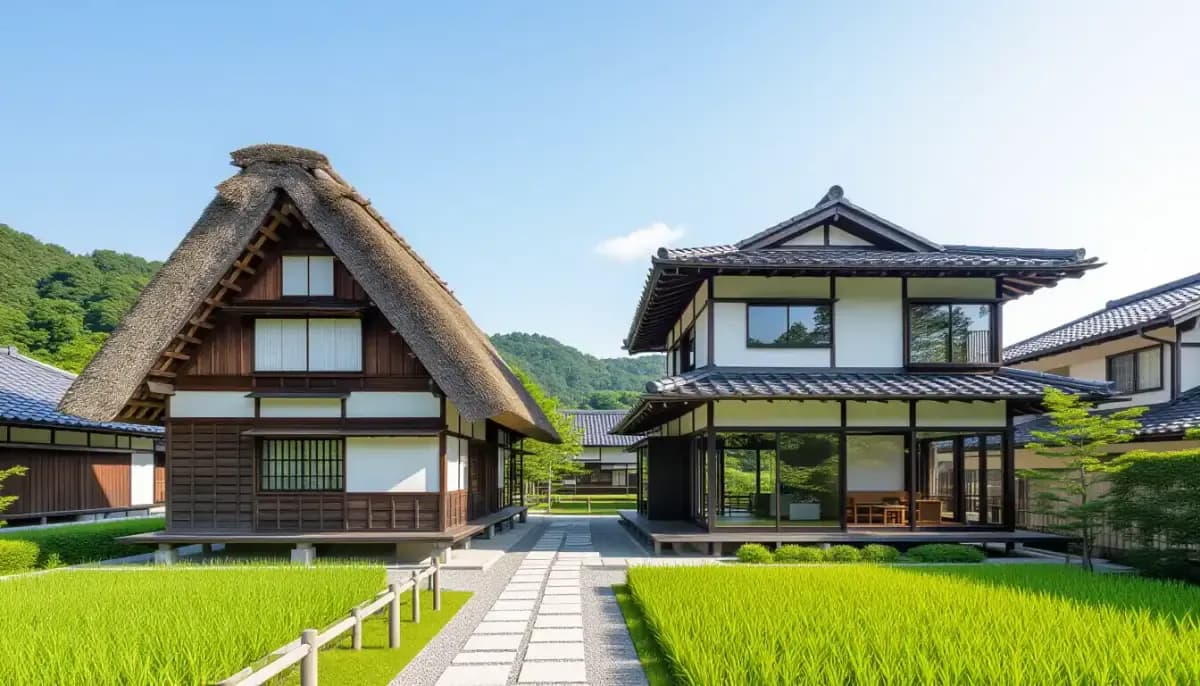
Traditional vs Modern House in Japan: Lifestyle Comparison
Compare traditional Japanese houses (kominka, machiya) vs modern homes for foreign buyers. Costs, comfort, cultural experience, and practical buying advice for expats in Japan.
Read more →
Kominka Structural Assessment and Safety Guide Before Buying
Complete guide to kominka structural assessment before buying in Japan. Covers 12-point inspection checklist, seismic safety standards, termite risks, inspection costs, and critical red flags to help foreign buyers make informed decisions.
Read more →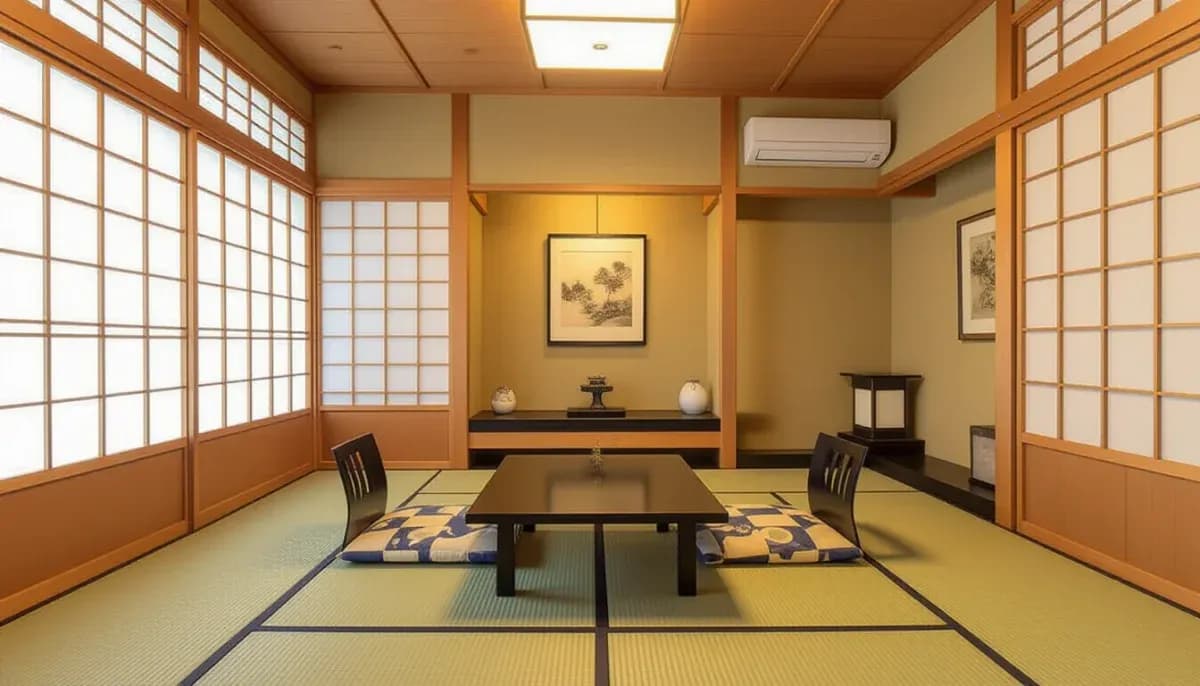
Traditional Japanese House Interior Design and Decoration Ideas
Discover traditional Japanese house interior design ideas: tatami rooms, shoji screens, tokonoma alcoves, and low furniture. A practical guide for foreigners decorating a Japanese home.
Read more →
Where to Find Kominka for Sale in Japan: Resources and Platforms
Discover the best platforms and resources to find kominka for sale in Japan. From KORYOYA to akiya banks, this guide covers every tool foreigners need to buy a traditional Japanese farmhouse.
Read more →
Cultural Preservation Rules for Kominka and Machiya Owners
A complete guide to Japan's cultural preservation rules for kominka and machiya owners: designation tiers, renovation approval requirements, Kyoto's Machiya Ordinance, the 2023 Vacant Home Law, and practical steps for foreign property owners.
Read more →
Heating and Insulation Challenges in Traditional Japanese Houses
Traditional Japanese houses are notoriously cold in winter due to poor insulation and design for summer ventilation. Learn why, and how to fix it as a foreign buyer or renter with practical renovation tips and budget guides.
Read more →