
Converting a Kominka into a Guesthouse Business in Japan

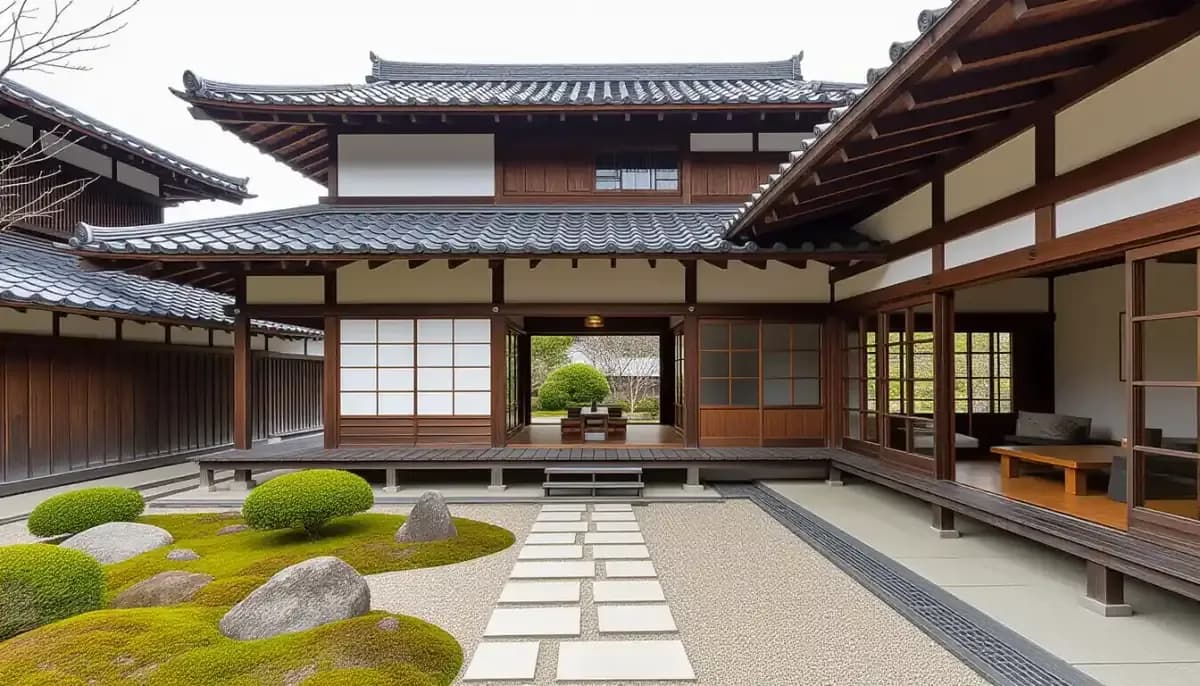
Complete guide to converting a traditional Japanese kominka into a profitable guesthouse business. Covers licensing, renovation costs, minpaku law, government subsidies, and business models for foreigners.
Converting a Kominka into a Guesthouse Business in Japan
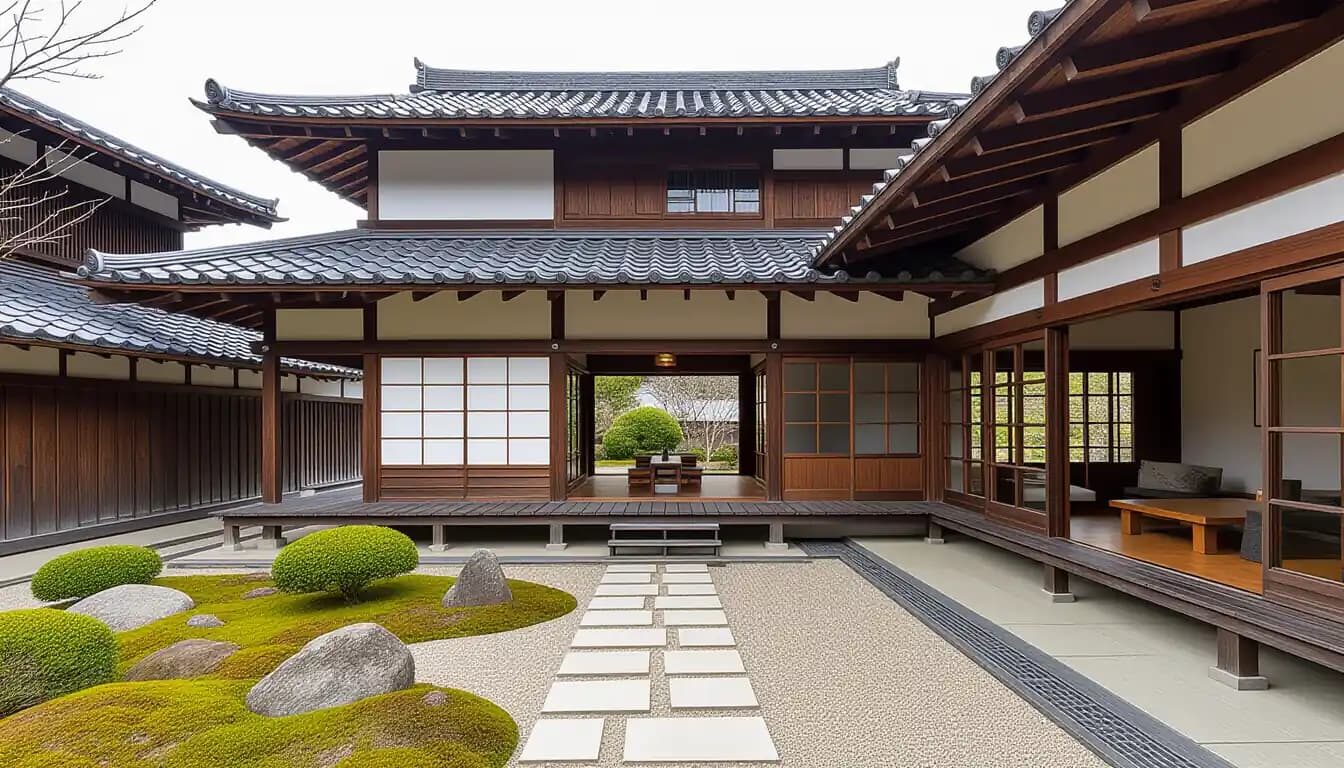
Japan's countryside is dotted with thousands of aging kominka — traditional farmhouses and rural dwellings built before the 1950s — many of which sit empty and deteriorating. For foreign entrepreneurs and property investors, these neglected buildings represent an extraordinary opportunity: transform an authentic piece of Japanese heritage into a thriving guesthouse business. If you have ever dreamed of running a boutique inn amid rice paddies, mountain forests, or coastal villages, a kominka guesthouse could be the path forward.
This guide walks you through everything you need to know about acquiring, renovating, and legally operating a kominka as a guesthouse in Japan — from navigating the minpaku law to accessing government renovation subsidies.
Why Kominka Guesthouses Are a Compelling Business Opportunity
Japan is sitting on an unprecedented vacancy crisis. As of 2023, the country has approximately 9 million vacant akiya properties — representing roughly 13.8% of all homes nationwide, double the figure recorded in 1993. Rural prefectures such as Wakayama, Tokushima, and Kochi see vacancy rates exceeding 21%. Many of these are kominka: old timber-frame farmhouses, townhouses (machiya), and rural dwellings with thick walls, exposed beams, earthen floors (tataki), and engawa verandas.
At the same time, inbound tourism to Japan continues to grow, and a significant segment of international travelers actively seeks authentic, immersive accommodation experiences over chain hotels. Restored kominka guesthouses command premium nightly rates — often ¥15,000 to ¥50,000 per night — and enjoy strong occupancy from platforms like Airbnb, Booking.com, and specialized services like Old Houses Japan.
The combination of low acquisition costs (some properties are available for under ¥1 million, occasionally offered free through akiya banks), rising tourism demand, and government subsidies makes kominka guesthouses an attractive business model for foreigners willing to commit to the renovation journey.
For broader context on acquiring traditional Japanese properties, see our guide on Traditional Japanese Houses (Kominka and Machiya) for Foreigners and Akiya (Vacant and Abandoned Houses) in Japan for Foreigners.
Step 1 — Finding and Buying the Right Kominka
Using Akiya Banks and Municipal Programs
Most municipalities with high vacancy rates maintain free databases of available akiya properties, known as akiya banks. These are typically accessible through municipal websites and list properties available for purchase or rent at below-market prices. Some municipalities go further and offer matching services connecting owners with prospective buyers.
When evaluating a kominka for guesthouse conversion, prioritize:
- Location and accessibility — Is the property reachable by public transport or car? Guests need to be able to get there.
- Proximity to tourism draws — Hot springs (onsen), temples, hiking trails, scenic coastlines, and cultural sites significantly boost rental demand.
- Structural integrity — Older kominka often suffer from termite damage, rotting beams, collapsed roofing, and substandard foundations. Always hire a professional building inspector before purchase.
- Land classification — Agricultural land (農地, nochi) has use restrictions. Confirm the land can be used for hospitality purposes with your local municipality.
- Water and utilities — Some rural properties rely on private wells or septic systems, which require maintenance and may need upgrades for commercial use.
Foreigners can purchase kominka with no nationality or visa restrictions — the same ownership rights apply as for Japanese citizens. See our complete guide to Buying Property in Japan as a Foreigner for the full process.
Negotiating and Title Verification
Kominka ownership can be legally complex. Many properties have been inherited across generations and may have multiple co-owners, some of whom may be difficult to locate. Before signing any purchase agreement, engage a judicial scrivener (shiho shoshi) to verify the title register (touki) and confirm clean ownership. This step is critical and non-negotiable.
Step 2 — Understanding the Legal Framework for Guesthouses
Before you spend a single yen on renovation, you must understand Japan's licensing framework. Operating without the correct license exposes you to fines of up to ¥1 million and forced closure.
The Three Main License Types
| License Type | Governing Law | Max Operating Days | Best For |
|---|---|---|---|
| Minpaku | Minpaku Law (2018) | 180 days/year | Small-scale, owner-operated |
| Simple Accommodation (Kantan Shukusha) | Ryokan Business Law | Unlimited | Mid-scale operations |
| Ryokan / Hotel | Ryokan Business Law | Unlimited | Full hospitality business |
| Special Zone Minpaku | National Strategic SEZ Law | Up to 365 days | Designated special zones only |
Minpaku License (民泊)
The minpaku license is the most accessible option for individuals and small operators. Under the住宅宿泊事業法 (Minpaku Law) enacted in June 2018:
- Properties can be rented to guests for a maximum of 180 days per year (April 1 to March 31)
- Operators must register with their local government and submit bi-monthly usage reports by the 15th of even months
- All foreign guests without a Japanese address must present their passport before arrival; operators must record passport numbers and retain copies
- Properties must have a kitchen, bathroom, toilet, and bathing area; guest rooms must provide at least 3.3 m² per person
Owner-on-premise vs. owner-absent: If you live at the property while hosting guests, fire safety requirements are lighter. If you are absent (e.g., managing remotely), you must hire a licensed residential accommodation management company and meet stricter fire safety standards, including fire alarms, extinguishers, and emergency signage.
Local municipalities can impose stricter limits on the 180-day cap. Kyoto is particularly restrictive — minpaku is allowed only from mid-January through mid-March in most residential areas. Osaka and many rural municipalities are considerably more permissive.
Simple Accommodation (Kantan Shukusha)
For operators who want to host year-round without the 180-day cap, the Simple Accommodation category under the Ryokan Business Law is increasingly popular. Introduced in 2023 as part of Japan's tourism push, it requires:
- Compliance with local fire codes and building standards
- A dedicated reception area or check-in system
- Proper sanitation facilities
This license is more demanding to obtain but removes the seasonal operating ceiling.
For a deeper dive into short-term rental regulations, see Short-Term Rentals and Airbnb (Minpaku) in Japan for Foreigners.
Step 3 — Renovation Planning and Costs
Renovating a kominka for commercial hospitality use is substantially different from a private residential renovation. You must meet both residential building codes and hospitality-specific safety requirements. Budgeting realistically is essential.
Typical Kominka Renovation Cost Ranges
| Renovation Scope | Estimated Cost (¥) | Notes |
|---|---|---|
| Light cosmetic renovation | ¥2M – ¥5M | Cleaning, painting, flooring, basic plumbing update |
| Mid-level structural + cosmetic | ¥5M – ¥15M | Roof repairs, insulation, kitchen/bath upgrade |
| Full structural renovation | ¥15M – ¥40M | Foundation, framing, full utilities rebuild |
| Heritage-quality restoration | ¥30M – ¥80M+ | Specialist craftsmen, traditional materials |
Costs vary enormously depending on the condition of the property, region, and whether you use specialist kominka craftsmen or general contractors. Direct-hire carpenters familiar with traditional construction methods can reduce costs by 20–40% compared to large general contractors, but finding them requires local connections.
Key Renovation Priorities for Guesthouse Use
- Structural safety — Seismic reinforcement (taishin hokyou) is often required for buildings predating the 1981 building code revision. This is non-negotiable for commercial use.
- Roof — Traditional tiled roofs (kawara) are beautiful but heavy; check for settling and water infiltration.
- Insulation and heating — Kominka were not designed for winter comfort. Installing underfloor heating, double-glazed windows, and wall insulation dramatically improves guest satisfaction.
- Bathrooms — Western-style toilets and a bath/shower are expected by most international guests. Consider a standalone Japanese soaking tub (ofuro) as a premium feature.
- Fire safety compliance — Smoke detectors, fire extinguishers, emergency exit lighting, and evacuation route signage are mandatory for all accommodation businesses.
- Accessibility — Consider guests with mobility limitations. Eliminating abrupt floor level changes (a feature of traditional kominka) improves usability.
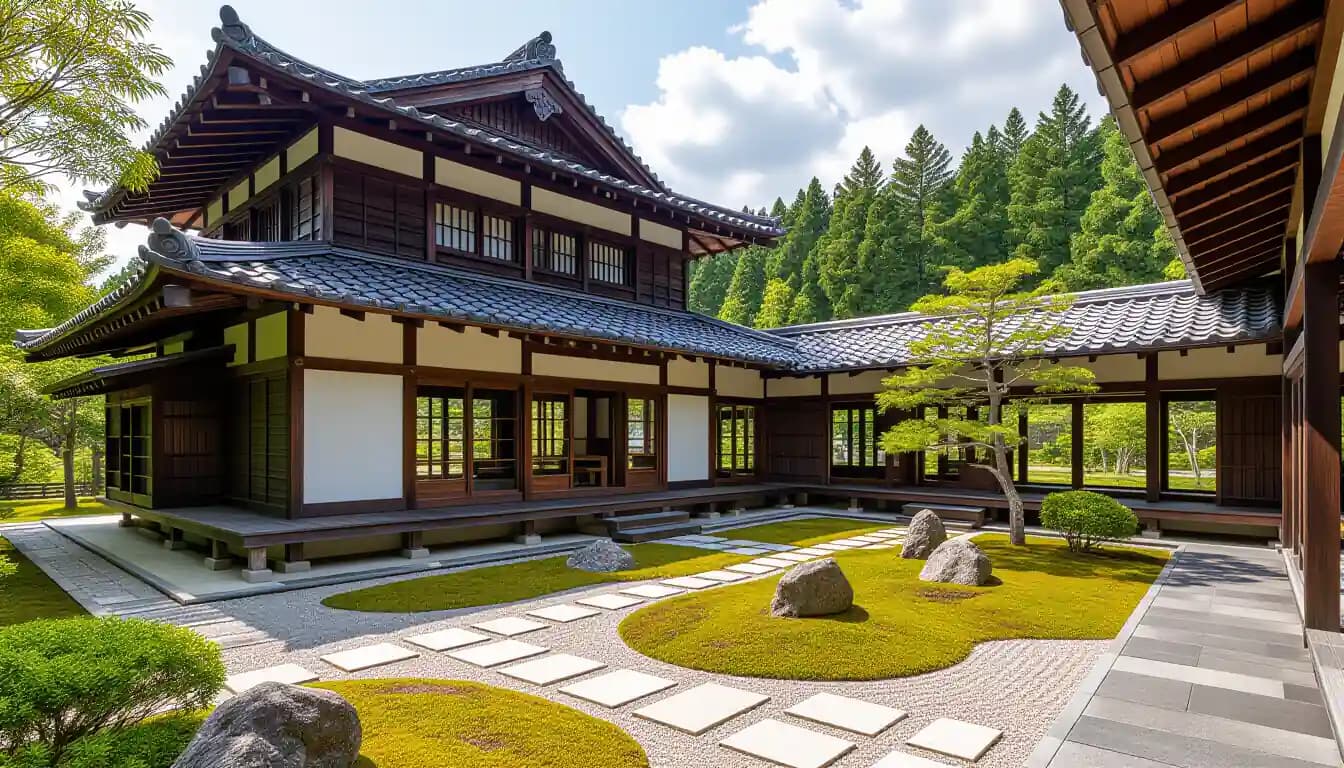
For guidance on renovation processes and working with contractors in Japan, see Home Renovation and Remodeling in Japan for Foreign Owners.
Step 4 — Accessing Government Subsidies and Grants
One of the most underutilized advantages of the kominka guesthouse business model is the substantial government support available at the national, prefectural, and municipal levels.
Types of Financial Support
- Akiya renovation subsidies — Many municipalities offer grants of ¥500,000 to ¥2,000,000 for renovating vacant properties, particularly when converted to accommodate tourism or community use. Wakayama Prefecture's Kumano Kodo area, for example, offers up to ¥2 million for guesthouse conversion projects.
- Regional revitalization grants — The national government's regional revitalization (chiho sousei) programs fund projects that attract visitors to depopulated areas.
- Energy efficiency subsidies — Grants are available for adding insulation, solar panels, and energy-efficient heating systems.
- Startup visas — Several municipalities, including Imabari City in Ehime Prefecture, offer startup visa programs that grant residency to foreign entrepreneurs who invest in and operate local businesses, including guesthouses.
To access these programs, contact your local municipal office (yakuba) or the prefectural tourism promotion bureau. Engaging a local gyosei shoshi (administrative scrivener) who specializes in subsidy applications can significantly increase your success rate.
Step 5 — Obtaining Your License and Registering the Business
Minpaku Registration Process
- Contact your local fire department (shobosha) for a pre-consultation on fire safety requirements specific to your property
- Complete required safety installations — smoke detectors, extinguishers, emergency lighting
- Notify neighbors within the building (for condominiums) or local community association (jichikai)
- Hire a licensed management company if operating owner-absent
- Submit registration documents through the national Minpaku Portal Site (minpaku.mlit.go.jp), including the fire law compliance certificate
- Receive your residential accommodation business certificate — display this prominently at the property entrance
- Begin bi-monthly reporting from your first operating month
The registration process typically takes 4–8 weeks from initial application to approval, assuming all safety requirements are met.
Ryokan/Simple Accommodation License
For a Simple Accommodation or Ryokan license, applications go through your prefectural health department (hokenjo). The process is more complex, often requiring:
- Building inspection certification
- Floor plan review and approval
- On-site inspection by health officials
- Potentially a food handler's license if offering meals
Allow 2–4 months for this process and engage a specialist consultant familiar with your prefecture's requirements.
For broader business setup guidance, For Work in Japan provides resources on establishing businesses in Japan as a foreigner.
Step 6 — Running Your Kominka Guesthouse Successfully
Business Models That Work
| Model | Nightly Rate Range | Capacity | Notes |
|---|---|---|---|
| Entire home rental (Airbnb-style) | ¥15,000 – ¥60,000 | 2–8 guests | Most common for foreign operators |
| Traditional ryokan-style | ¥20,000 – ¥80,000/person | 4–12 guests | Includes meals, requires food license |
| Digital nomad retreat | ¥8,000 – ¥20,000/night | 4–10 guests | Long-stay focus, monthly discounts |
| Workshop/experience stay | ¥25,000 – ¥50,000/person | 4–8 guests | Includes cultural activities |
Marketing Your Kominka Guesthouse
Effective channels for kominka guesthouses include:
- Airbnb and Booking.com — Largest reach for international travelers
- Old Houses Japan — Niche platform attracting authenticity-seekers
- Japanese booking sites — Jalan, Rakuten Travel, and Ikyu for domestic guests
- Instagram and YouTube — Visual storytelling of the renovation journey builds a loyal audience before you open
- Direct booking website — Reduces platform commissions over time
Emphasize authenticity and experience in all marketing. Guests who seek out kominka guesthouses are specifically looking for cultural immersion — traditional architecture, local cuisine, seasonal activities, and personal storytelling from the owner.
Operational Considerations
- Language: Hiring bilingual staff or using AI translation tools is essential for international guests
- Check-in systems: Smart lock systems allow self-check-in, reducing staffing needs for owner-absent operations
- Local partnerships: Work with local restaurants, guides, and activity providers to create packages that extend guest stays and increase revenue
- Guest communication: Under the minpaku law, you are responsible for guest behavior. Clear house rules in multiple languages prevent misunderstandings
For property management considerations when operating remotely, see Property Management for Overseas Owners in Japan.
Step 7 — Financial Projections and Breakeven Analysis
Financial viability depends heavily on location, license type, renovation investment, and occupancy rate. Below is a simplified scenario analysis for a mid-sized kominka guesthouse with 4 guest rooms.
| Scenario | Annual Revenue | Annual Operating Cost | Net Profit |
|---|---|---|---|
| Minpaku (180 days, 60% occupancy) | ¥3.2M – ¥4.8M | ¥1.5M – ¥2.5M | ¥1.0M – ¥2.5M |
| Simple Accommodation (365 days, 50% occupancy) | ¥5.5M – ¥9M | ¥2.5M – ¥4M | ¥2.0M – ¥5M |
| Ryokan with meals (200 days, 65% occupancy) | ¥8M – ¥16M | ¥5M – ¥10M | ¥2.5M – ¥6M |
Assumptions: ¥20,000 average nightly rate per room; 4 rooms. Actual results vary.
Breakeven on a ¥15M renovation investment at the Simple Accommodation level typically requires 5–10 years at realistic occupancy rates. Urban or high-demand rural locations (Kyoto outskirts, Hakone, coastal Okinawa) yield faster returns than deeply rural areas with limited tourist infrastructure.
For investment analysis frameworks, see Japan Real Estate Investment Guide for Foreigners and Rental Property Investment in Japan for Foreign Landlords.
Key Resources and Further Reading
Running a kominka guesthouse in Japan is a complex undertaking requiring expertise in real estate, construction, hospitality law, and business management. The following resources can help:
- The Ministry of Land, Infrastructure, Transport and Tourism (MLIT) operates the official Minpaku Portal (minpaku.mlit.go.jp) where you can complete registration and submit reports
- Living in Nihon's guesthouse comparison guide provides useful context on accommodation types in Japan
- Gaijin Buy House's minpaku and short-term rental guide covers the full regulatory landscape for foreign operators
- EHL Hospitality Insights on Japan's Akiya Houses offers a global hospitality perspective on the opportunity
- MailMate's Minpaku License Guide provides a clear step-by-step breakdown of the registration process
- Heritage Homes Japan's licensing overview covers the nuances of Kyoto-specific regulations
Conclusion
Converting a kominka into a guesthouse business in Japan is one of the most rewarding — and demanding — ventures available to foreign property investors. The combination of low acquisition costs, government support, and strong demand from authenticity-seeking travelers creates a compelling business case. However, success requires careful due diligence on the property, clear understanding of Japan's layered licensing framework, realistic renovation budgets, and a genuine commitment to cultural stewardship.
The best kominka guesthouses are not just accommodation businesses — they are living museums that preserve Japan's architectural heritage while creating meaningful connections between travelers and rural communities. If that vision resonates with you, Japan's countryside is waiting.
For your next steps, explore Akiya (Vacant and Abandoned Houses) in Japan for Foreigners to begin your property search, and review our Step-by-Step Home Buying Process in Japan for the full acquisition roadmap.

Originally from Vietnam, living in Japan for 16+ years. Graduated from Nagoya University, with 11 years of professional experience at Japanese and international companies. Sharing information about buying property in Japan for foreigners.
View Profile →Related Articles
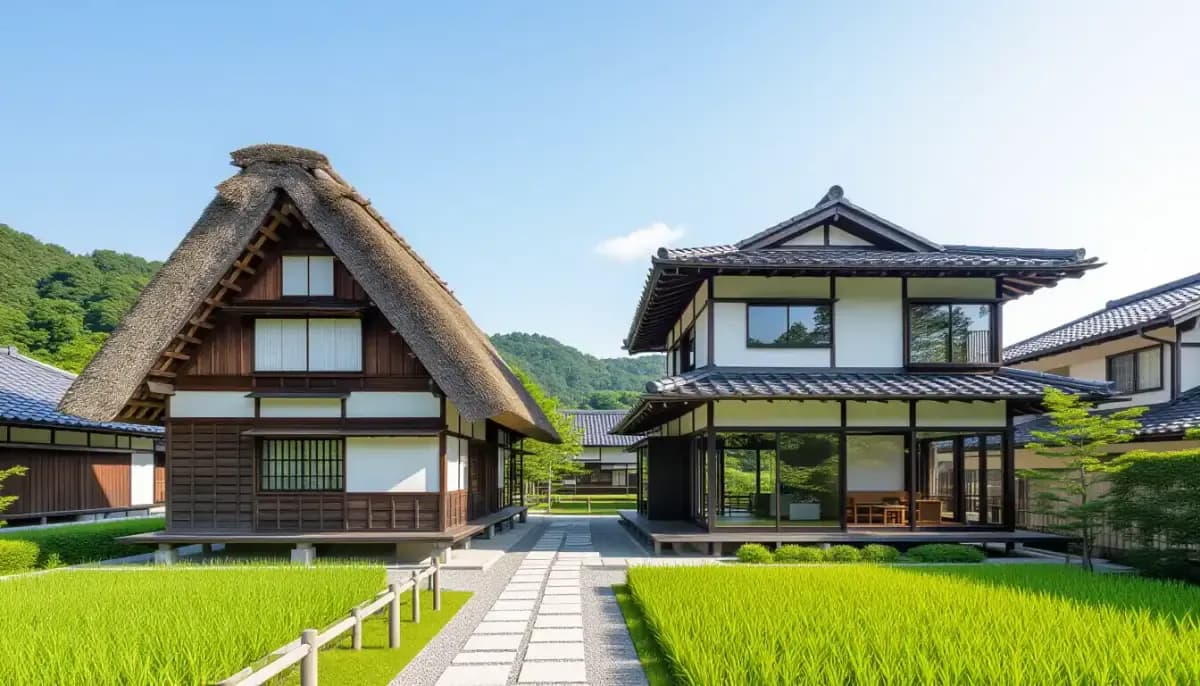
Traditional vs Modern House in Japan: Lifestyle Comparison
Compare traditional Japanese houses (kominka, machiya) vs modern homes for foreign buyers. Costs, comfort, cultural experience, and practical buying advice for expats in Japan.
Read more →
Kominka Structural Assessment and Safety Guide Before Buying
Complete guide to kominka structural assessment before buying in Japan. Covers 12-point inspection checklist, seismic safety standards, termite risks, inspection costs, and critical red flags to help foreign buyers make informed decisions.
Read more →
Traditional Japanese House Interior Design and Decoration Ideas
Discover traditional Japanese house interior design ideas: tatami rooms, shoji screens, tokonoma alcoves, and low furniture. A practical guide for foreigners decorating a Japanese home.
Read more →
Where to Find Kominka for Sale in Japan: Resources and Platforms
Discover the best platforms and resources to find kominka for sale in Japan. From KORYOYA to akiya banks, this guide covers every tool foreigners need to buy a traditional Japanese farmhouse.
Read more →
Cultural Preservation Rules for Kominka and Machiya Owners
A complete guide to Japan's cultural preservation rules for kominka and machiya owners: designation tiers, renovation approval requirements, Kyoto's Machiya Ordinance, the 2023 Vacant Home Law, and practical steps for foreign property owners.
Read more →
Heating and Insulation Challenges in Traditional Japanese Houses
Traditional Japanese houses are notoriously cold in winter due to poor insulation and design for summer ventilation. Learn why, and how to fix it as a foreign buyer or renter with practical renovation tips and budget guides.
Read more →