
Where to Find Kominka for Sale in Japan: Resources and Platforms


Discover the best platforms and resources to find kominka for sale in Japan. From KORYOYA to akiya banks, this guide covers every tool foreigners need to buy a traditional Japanese farmhouse.
Where to Find Kominka for Sale in Japan: Resources and Platforms
Japan's traditional farmhouses — known as kominka (古民家) — are capturing the imagination of foreign buyers worldwide. With their massive wooden beams, earthen walls, thatched or tiled roofs, and connection to centuries of Japanese craftsmanship, these historic homes offer a lifestyle that modern construction simply cannot replicate. But finding one for sale isn't as straightforward as browsing a standard real estate portal. This guide breaks down every resource and platform available to help you locate the kominka of your dreams.
What Is a Kominka and Why Is the Market Growing?
A kominka is broadly defined as a traditional Japanese residential structure built before 1950 using historic carpentry methods. These homes — originally farmhouses, merchant residences, or rural estates — were constructed with techniques passed down over a thousand years, including post-and-beam joinery that requires no nails. Many feature engawa (verandas), tatami rooms, irori (open hearth pits), and thick thatched or clay-tile roofs.
The market is booming for several reasons. Japan recorded a historic 9 million vacant homes as of the 2023 Housing and Land Survey by the Ministry of Internal Affairs and Communications, representing a vacancy rate of 13.8% — the highest ever. Many of these vacant properties are older structures in rural areas, including kominka, making it a buyer's market for anyone willing to take on a renovation project.
For foreigners, the appeal is clear: kominka prices start as low as ¥1.3 million (under $10,000 USD), and ownership rights in Japan are fully equal for non-residents. There are no legal restrictions on foreigners purchasing property, and no visa or residency is required to complete a purchase.
Dedicated Kominka Listing Platforms
The most direct way to find a kominka for sale is through platforms specifically designed for traditional Japanese properties.
KORYOYA — The Leading Kominka Marketplace
KORYOYA is widely considered the premier marketplace for kominka in Japan. The platform focuses exclusively on traditional Japanese houses — including kominka (farmhouses), machiya (townhouses), and akiya — built before 1950 using traditional construction methods.
KORYOYA features properties across key regions including Kansai, Hokuriku, and Chugoku, with detailed listings that include photos, floor plans, and property specifications. Price ranges on KORYOYA span from ¥1.3 million to ¥140 million, covering budget renovation projects to fully restored luxury estates.
For foreign buyers, KORYOYA provides a "Purchase Flow" guide that addresses common concerns around location selection, Japanese language barriers, and intended use (residential vs. commercial).
JAPAN KOMINKA — Kyoto Specialist
Japan Kominka specializes in kominka properties in the Kyoto region, offering a curated selection of historic homes in one of Japan's most culturally rich areas. This platform is ideal for buyers specifically interested in the traditional Kyoto lifestyle and proximity to temples, shrines, and traditional arts communities.
Akiya Air — Largest English Database
Akiya Air operates Japan's largest English-language property database, with over 100,000 listings priced under $100,000 USD. While the platform covers all types of vacant homes (akiya), a significant portion of listings include kominka-style properties.
What sets Akiya Air apart for foreign buyers is its end-to-end support model:
- Properties come with hazard maps, rental potential scores, and price history — all translated into English
- A Tokyo-based team handles negotiations and paperwork remotely
- Typical timeline from offer to keys: approximately 60 days
- Post-purchase services include mail handling, utility setup, and optional rental management
Remote purchasing is fully supported, meaning you don't need to visit Japan or speak Japanese to complete a transaction.
Government Akiya Banks — Free but Complex
Local governments across Japan operate akiya banks (空き家バンク) — online databases of vacant homes, including kominka, that municipalities want to see occupied and renovated. These are often free to use and can be excellent sources for deeply discounted properties, sometimes including subsidized renovation grants.
However, akiya banks come with important caveats:
| Feature | Akiya Banks | Commercial Platforms |
|---|---|---|
| Language | Japanese only | English available |
| Coverage | City/prefecture specific | National aggregated |
| Listing freshness | Often outdated | Regularly updated |
| Property detail | Minimal (few photos) | Detailed with specs |
| Cost | Free | Subscription or fee |
| Support for foreigners | None | Agent assistance |
A national aggregator for akiya bank listings can be found at Real Estate Japan's Akiya Bank Guide, which lists links to vacant house databases organized by all 47 prefectures.
For serious buyers, using akiya banks alongside a commercial platform or local real estate agent is the recommended approach. The banks can surface hidden gems that haven't made it onto commercial listings yet.
English-Language Real Estate Portals with Kominka Listings
Several broader real estate portals include kominka and traditional property filters:
- Akiya Japan (akiyajapan.com) — Aggregates municipal akiya banks and commercial listings into one English-language search, with 960,000+ properties across all 47 prefectures. Use the property type filter to narrow to traditional houses.
- Akiya Hub — Provides a curated selection with detailed guides for foreign buyers, including step-by-step buying instructions tailored to non-residents.
- Yamamoto Property Advisory — Maintains a list of 100+ kominka properties available for sale or rental, with advisory services for foreign clients navigating the purchase process.
Working with Specialist Real Estate Agents
Online platforms are a starting point, but for kominka purchases — which often involve complex negotiations, structural assessments, and renovation planning — working with a specialist agent is highly recommended.
Look for agents who:
- Have experience representing foreign buyers (gaijin-friendly)
- Specialize in rural or traditional properties
- Can connect you with licensed kominka restoration carpenters (miyadaiku)
- Understand local subsidy programs that may offset renovation costs
Living in Nihon's property buying guide provides an excellent overview of the full purchase process in Japan, including how to engage real estate agents, what documentation is required, and how international fund transfers work. It's essential reading before making any inquiries.
For job-seekers relocating to rural Japan to renovate and live in a kominka, For Work in Japan covers employment options in rural regions — useful for those considering a lifestyle move alongside their property purchase.
And for a foreigner's perspective on the entire buying experience, Gaijin Buy House offers practical insights from people who have navigated Japan's property market firsthand.
Regional Networks and Community Organizations
Beyond formal platforms, the kominka community in Japan is active and welcoming.
Kominka Japan (kominkajapan.org) began as a Facebook group in 2016 and has grown into a non-profit organization dedicated to raising awareness about traditional Japanese architecture. The organization provides information, knowledge, and resources for acquiring, renovating, maintaining, and preserving minka. Connecting with this community can surface off-market listings and provide invaluable renovation advice from people who have been through the process.
Regional Facebook groups, local festivals, and neighborhood associations in rural Japan are also excellent informal channels. Many kominka owners who haven't formally listed their properties are open to selling — they simply haven't found the right buyer.
Understanding What You're Buying: Due Diligence Essentials
Before making an offer on any kominka, thorough due diligence is critical:
Structural assessment: Traditional kominka use a different structural system than modern homes. Hire a licensed inspector with kominka experience to assess the foundations, roof structure, and beams for rot, termite damage, or earthquake vulnerabilities.
Renovation cost estimation: Budget at minimum ¥2–6 million for basic modernization (electrical, plumbing, insulation). Full structural renovation averages around ¥275,000 per square meter, meaning a 200 sqm kominka could easily require ¥10 million or more for a complete overhaul.
Legal considerations: Confirm the property's legal status (registered vs. unregistered structures are common in rural Japan), check for any outstanding mortgages or liens, and verify boundary markings with neighbors. Agricultural land adjacent to the property may require separate permits to develop or use.
Ministry of Finance notification: International buyers must file a notification with Japan's Ministry of Finance within 20 days of signing the purchase contract. This is a legal requirement, not optional.
Tips for Finding the Right Kominka
- Define your region first — Kominka are predominantly found in rural prefectures: Hyogo, Tottori, Shimane, Gifu, Nagano, and Kyoto countryside. Narrowing your search geographically makes platform searches far more effective.
- Set a realistic total budget — Include purchase price + renovation costs + agent fees (3% + tax) + registration taxes (2%) + annual property taxes. The purchase price is often the smallest component.
- Visit multiple properties — Photos rarely capture structural condition. Budget for at least one trip to Japan to view shortlisted properties before committing.
- Join online communities — The Kominka Japan network and various expat property forums can surface off-market deals and trusted contractor recommendations.
- Check subsidy availability — Many rural municipalities offer renovation subsidies of ¥500,000–¥2,000,000+ for buyers who commit to residing in the area. Foreigners are eligible for most programs.
For a broader understanding of buying rural and countryside properties in Japan, see our guide on rural and countryside properties in Japan for foreign buyers, and for the complete purchase process, our step-by-step home buying guide for foreigners in Japan covers every stage from search to settlement.
Summary
Finding a kominka for sale in Japan requires using the right combination of platforms and resources:
- Dedicated platforms like KORYOYA and Japan Kominka for curated traditional property listings
- English-language portals like Akiya Air and Akiya Japan for broad search with translation support
- Government akiya banks for potentially discounted listings with renovation subsidies
- Specialist agents for complex negotiations and local market knowledge
- Community networks like Kominka Japan for off-market opportunities and renovation guidance
Japan's record-high vacancy rate means supply has never been better. With the right resources, foreigners can find and purchase a genuine piece of Japanese architectural history — often for less than the cost of a used car back home.

Originally from Vietnam, living in Japan for 16+ years. Graduated from Nagoya University, with 11 years of professional experience at Japanese and international companies. Sharing information about buying property in Japan for foreigners.
View Profile →Related Articles
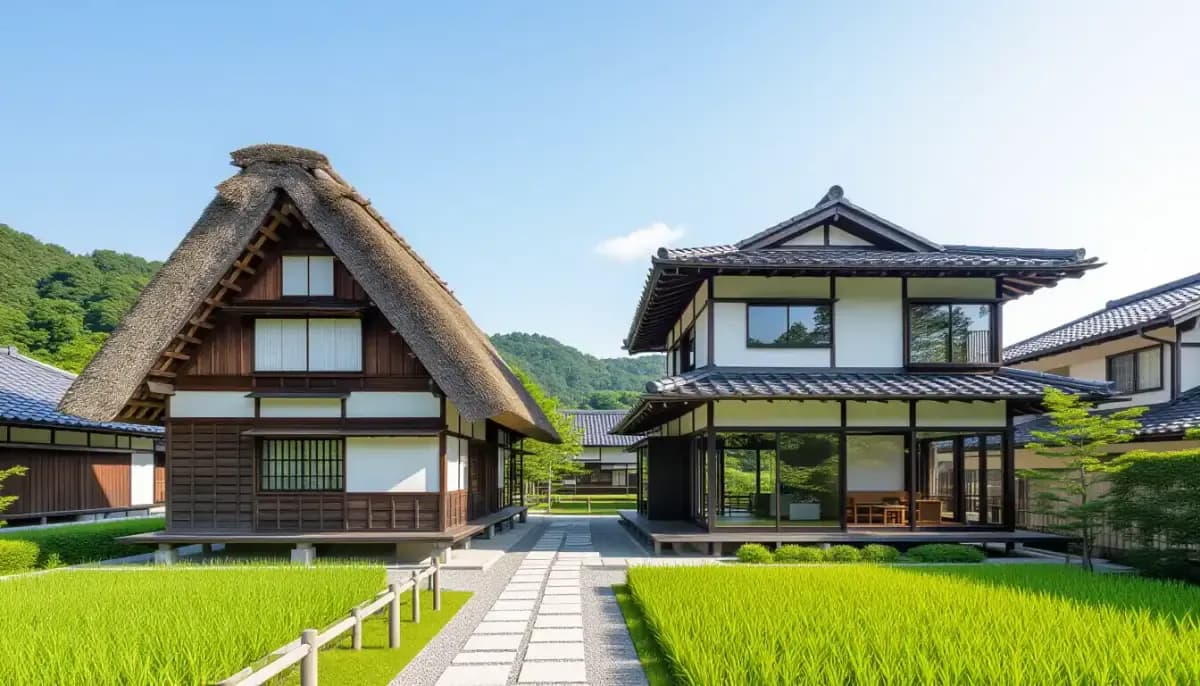
Traditional vs Modern House in Japan: Lifestyle Comparison
Compare traditional Japanese houses (kominka, machiya) vs modern homes for foreign buyers. Costs, comfort, cultural experience, and practical buying advice for expats in Japan.
Read more →
Kominka Structural Assessment and Safety Guide Before Buying
Complete guide to kominka structural assessment before buying in Japan. Covers 12-point inspection checklist, seismic safety standards, termite risks, inspection costs, and critical red flags to help foreign buyers make informed decisions.
Read more →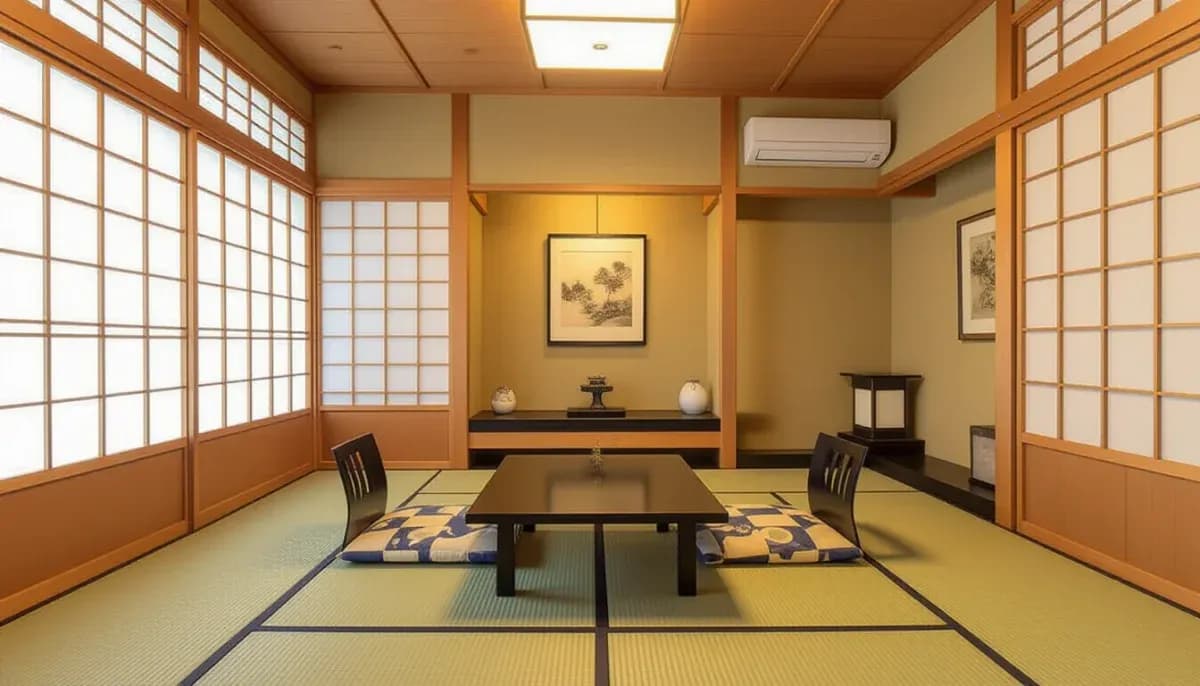
Traditional Japanese House Interior Design and Decoration Ideas
Discover traditional Japanese house interior design ideas: tatami rooms, shoji screens, tokonoma alcoves, and low furniture. A practical guide for foreigners decorating a Japanese home.
Read more →
Cultural Preservation Rules for Kominka and Machiya Owners
A complete guide to Japan's cultural preservation rules for kominka and machiya owners: designation tiers, renovation approval requirements, Kyoto's Machiya Ordinance, the 2023 Vacant Home Law, and practical steps for foreign property owners.
Read more →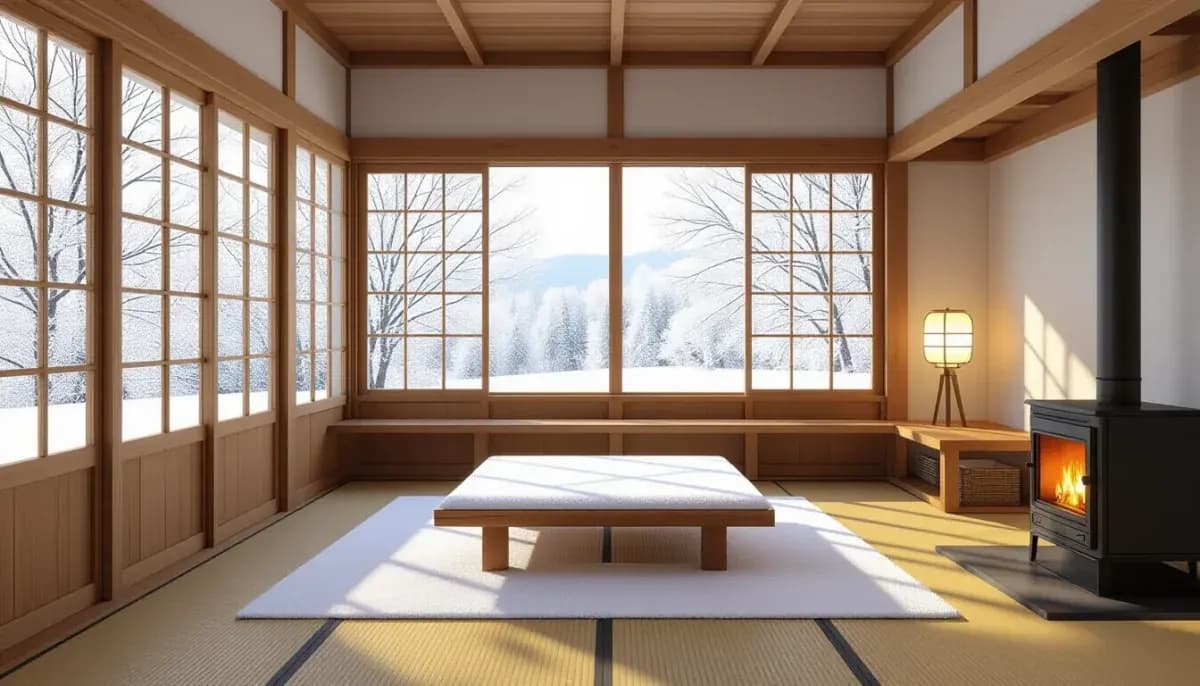
Heating and Insulation Challenges in Traditional Japanese Houses
Traditional Japanese houses are notoriously cold in winter due to poor insulation and design for summer ventilation. Learn why, and how to fix it as a foreign buyer or renter with practical renovation tips and budget guides.
Read more →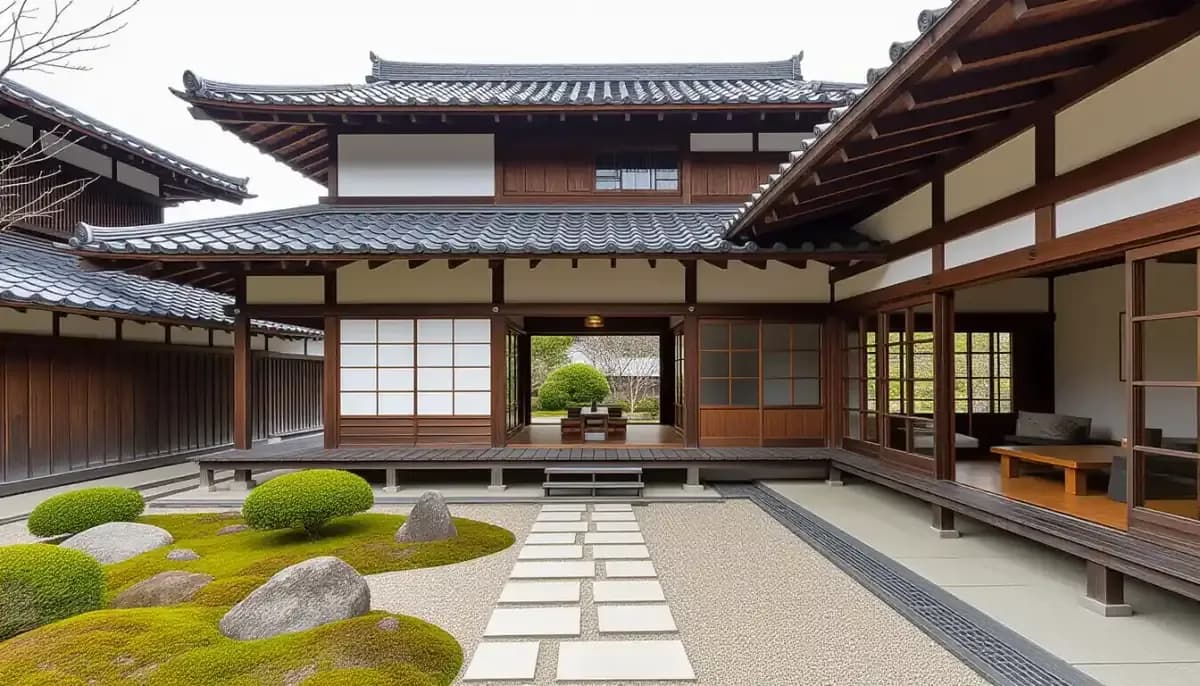
Converting a Kominka into a Guesthouse Business in Japan
Complete guide to converting a traditional Japanese kominka into a profitable guesthouse business. Covers licensing, renovation costs, minpaku law, government subsidies, and business models for foreigners.
Read more →